
Growing your own grapes can be a rewarding experience, but training them to thrive on a trellis requires some know-how. Not all grape varieties are created equal when it comes to trellising, and selecting the right type is crucial for maximum growth and yield. Once you’ve chosen the perfect variety, planting and establishing the vines on your trellis is just the beginning. To ensure they grow strong and produce an abundance of fruit, regular maintenance is essential. In this comprehensive guide, we’ll walk you through the process of training grape vines on a trellis, from selection and planting to ongoing care and pruning. Whether you’re a seasoned gardener or a beginner looking to try your hand at viticulture, our step-by-step advice will help you coax the best performance out of your grape vine.
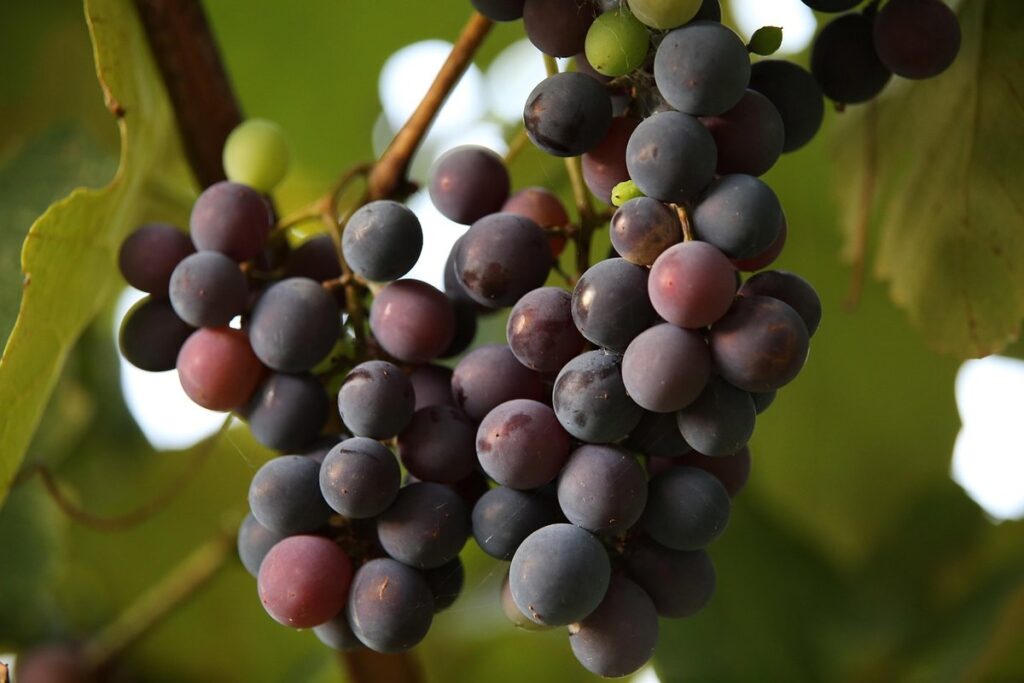
Choosing the Right Trellis and Vine Varieties
To train grape vines successfully, you need to choose varieties that thrive on trellises and grow well in your local climate. Selecting the right types will make all the difference for a bountiful harvest.
Understanding the Types of Trellises for Grape Vines
When it comes to training grape vines on a trellis, choosing the right type of trellis is crucial for optimal growth and fruit production. There are several types of trellises suitable for grape vines, each with its own set of benefits and requirements.
Free-standing trellises are a popular choice for grape growers. These can be as simple as a single post or as elaborate as an A-frame structure. They provide excellent support for the vine’s weight and allow for easy access to the fruiting zone. For example, a T-shaped trellis is ideal for varieties like Chardonnay and Sauvignon Blanc.
Pergolas are another option for grape growers, providing a beautiful and functional way to train vines on a trellis. They can be freestanding or attached to a wall, and offer excellent shade for the fruiting zone during hot summer months. Wall-mounted trellises are perfect for small spaces or for adding a decorative element to an existing structure.
It’s essential to consider the specific needs of your grape variety when selecting a trellis. Some varieties like Cabernet Franc require more support than others, so be sure to choose a trellis that can provide adequate support and structure for your vines.
Selecting the Ideal Grape Vine Variety for Your Climate
When selecting the ideal grape vine variety for your climate, there are several factors to consider. First and foremost, you need to think about the specific climate conditions in your area, including temperature fluctuations, rainfall patterns, and wind exposure. Some grape varieties are more tolerant of extreme weather conditions than others.
For example, if you live in a region with hot summers and cold winters, you may want to choose a variety that is resistant to heat stress and can withstand frost damage. On the other hand, if your area experiences mild temperatures throughout the year, you may have more flexibility when it comes to selecting a variety.
In addition to climate considerations, you should also think about the amount of available space on your trellis. Choose a grape vine that is compact or has a high yield per acre to maximize space efficiency. Consider factors like disease resistance and pruning requirements when making your selection.
Preparing the Site and Planting the Vines
Now that your trellis is ready, it’s time to prepare the site where your grape vines will thrive, including selecting a suitable location and planting them carefully. Choose a spot with good sunlight and well-drained soil.
Creating an Optimal Growing Environment for Grape Vines
When creating an optimal growing environment for grape vines, there are several essential elements to consider. First and foremost, sunlight is crucial for grape vine growth. Grape vines require at least six hours of direct sunlight per day, but ideally 8-10 hours, to produce a bountiful harvest. Consider the direction your trellis faces – south-facing trellises receive more direct sunlight than north-facing ones.
Soil quality is also vital for healthy grape vine growth. Test your soil pH and adjust it if necessary, as most grape varieties prefer a slightly acidic to neutral soil pH (around 6.0-7.0). Incorporate organic matter like compost or well-rotted manure to improve soil fertility and drainage.
Finally, ensure consistent water availability throughout the growing season. Grape vines need about 1 inch of water per week, either from rainfall or irrigation. Be mindful of overwatering, which can lead to root rot and other issues. Mulch around the base of your grape vines to retain moisture and suppress weeds.
Planting Techniques for Healthy Vine Establishment
When planting grape vines for trellised training, getting them off to a healthy start is crucial. To establish a strong foundation, plant each vine about 8-10 feet apart, depending on the variety and growth habits of your specific grapes. This spacing will allow for proper air circulation, sunlight penetration, and future pruning room.
Dig individual holes that are 18-24 inches deep and slightly wider than the root ball of the vine. If your soil is poor or has low fertility, consider adding a 2-inch layer of compost or well-rotted manure to improve drainage and nutrient availability. Position each vine so that the graft union (if applicable) is above the soil level, with the base of the stem about 6-8 inches below the surface.
Remember that the orientation of your grape vines can also impact their health and productivity. Plant them on a north-facing slope or row to avoid exposing them to intense afternoon sun and heat stress. This simple consideration will help ensure your vine’s establishment and set it up for successful training on the trellis system in future seasons.
Training the Vines for Maximum Growth and Yield
To ensure your grape vines thrive on their trellis, let’s focus on training them correctly to maximize growth and yield. This involves proper pruning and tying techniques to keep them healthy and productive.
Initial Pruning and Shaping After Planting
When planting grape vines on a trellis, it’s essential to perform initial pruning and shaping to establish a strong foundation for maximum growth and yield. This process not only promotes healthy vine development but also helps prevent potential problems down the line.
The primary goal of initial pruning is to remove any weak or damaged wood that may be present on the vine. Inspect your grape vines carefully, and cut off any dead, diseased, or damaged branches using clean pruning tools. Make cuts at a 45-degree angle, about 1/4 inch above an outward-facing bud. This technique encourages new growth to emerge from the remaining buds.
Next, shape the vine to promote balanced growth. Identify the central leader (the main stem) and remove any competing shoots or suckers that may be vying for resources. Trim these off at the base, leaving about 6-8 inches of stem intact. This will help direct the vine’s energy towards producing a robust canopy. By doing so, you’ll set your grape vines up for success and ensure they grow into healthy, productive plants.
Techniques for Supporting the Vines as They Grow
As your grape vines grow and produce more foliage, they’ll need support to maintain their shape and encourage vertical growth. This is where techniques for supporting the vines come into play. One common method is to use twine or wire, which can be tied around the stake or trellis at regular intervals. This will provide a gentle but firm anchor for the vine’s stems, keeping them from becoming too heavy and sagging.
For added support, you can also use stakes. These are typically driven into the ground near the base of the plant, with the vines tied to them using twine or wire. Stakes are especially useful for young plants that need extra help staying upright. Alternatively, you can use clips to attach the vines to the trellis. These come in a variety of designs and materials, from simple plastic clips to more decorative metal ones.
It’s essential to choose the right type of clip or tie for your specific trellis system. Some systems require specific types of fasteners, so be sure to check the manufacturer’s instructions before proceeding.
Managing the Trellis System Over Time
As your grape vines continue to grow and thrive, you’ll need to regularly prune and adjust the trellis system to ensure a strong and healthy structure. This section shares expert tips for ongoing maintenance and adjustments.
Regular Pruning and Maintenance Schedule
To ensure your trellis system remains healthy and productive over time, it’s essential to establish a regular pruning and maintenance schedule. This involves trimming canes and removing deadwood, which will help control the vigor of the vines, promote even growth, and prevent disease.
Begin by setting aside time each season for pruning and maintenance tasks. For most grape varieties, this means pruning in late winter or early spring, when the vines are dormant. Remove any dead, diseased, or damaged wood, taking care not to damage the remaining canes. This will help reduce the risk of infection and encourage new growth.
Regularly inspect your trellis system for signs of wear and tear, such as worn-out wires, rusty posts, or sagging canes. Make repairs promptly to prevent further damage. For example, if a wire breaks, replace it immediately to maintain support for the vines.
By sticking to this schedule, you’ll be able to keep your trellis system in top condition, promoting healthy growth and optimal fruit production over the long term.
Training New Growth and Encouraging Fruitfulness
As the season progresses and your grape vines continue to grow on their trellis, it’s essential to focus on encouraging new growth and fruitfulness. Tip-pruning is a crucial technique for promoting healthy growth and increasing yields. This involves removing about 50-60% of the tip growth from each cane, usually in late winter or early spring. By doing so, you’ll stimulate the remaining growth to produce more buds and encourage a bushy shape.
Thinning is another vital process that helps promote fruitfulness by reducing competition among the bunches on the vine. Remove any weak, spindly shoots, as well as any shoots growing directly upwards towards the trellis or horizontally along the wire. Leave about 6-8 inches of space between each bunch to allow for proper air circulation and sunlight penetration. By thinning regularly, you’ll direct the vine’s energy towards producing high-quality fruit rather than excessive vegetative growth.
Regular tip-pruning and thinning will also help control pests and diseases that thrive in dense foliage.
Pest and Disease Management for Healthy Vines
Properly managing pests and diseases is crucial when training grape vines on a trellis, as these issues can quickly spread and damage your crop. We’ll cover essential tips to keep your vines healthy and thriving.
Common Pests Affecting Grape Vines and Their Control
As you train your grape vines on a trellis, it’s essential to be aware of common pests that can damage your plants. Aphids and spider mites are two of the most prevalent pests affecting grape vines.
Aphids are small, soft-bodied insects that feed on plant sap, causing curled or distorted leaves. They can also transmit diseases like root rot and leafroll virus. To control aphid infestations, use neem oil or insecticidal soap to spray your plants regularly. You can also introduce beneficial insects like ladybugs or lacewings, which prey on aphids.
Spider mites are tiny arachnids that spin webbing on leaves, causing yellowing or bronzing. They thrive in dry conditions and can spread quickly if not addressed promptly. Treat spider mite infestations with horticultural oil or pyrethrin sprays. Keep your plants well-watered to prevent these pests from taking hold.
By recognizing the signs of pest damage and using targeted control methods, you can protect your grape vines from common pests and promote healthy growth on your trellis.
Managing Diseases and Fungal Infections in the Vineyard
As you train your grape vines on a trellis, it’s essential to keep an eye out for diseases and fungal infections that can quickly spread and devastate your crop. These issues can be caused by a variety of factors, including poor air circulation, excessive moisture, and contaminated soil or equipment.
Some common signs of disease in grape vines include yellowing leaves, black spots, and a white powdery coating on the leaves. Fungal infections often manifest as brown or black lesions on the stems, fruit, or leaves. To manage these issues effectively, it’s crucial to identify them early on.
When inspecting your vines regularly, look for any unusual growth patterns, discoloration, or signs of pests. Be sure to check your equipment and irrigation systems frequently to prevent contamination. Regular pruning and sanitizing of tools can also help reduce the risk of disease transmission.
Monitor temperature and humidity levels in your vineyard, as these conditions are ideal for fungal growth. Keep records of weather patterns, soil moisture, and crop health to track any potential issues. Early detection and action will save you from significant losses down the line.
Troubleshooting Common Issues with Trellised Grape Vines
Don’t worry if your trellised grape vines aren’t producing as expected – common issues like poor fruit set and reduced yields can be solved with a little troubleshooting. We’ll guide you through the most frequent problems and their solutions.
Identifying and Addressing Problems Related to Plant Health
As you work to train your grape vines on a trellis, it’s essential to stay vigilant for potential problems that can impact plant health. One of the most common issues is nutrient deficiencies, which can be caused by poor soil quality or inadequate fertilization. Look out for symptoms such as yellowing leaves, stunted growth, and decreased fruit production.
Environmental stressors like extreme temperatures, drought, or excessive rain can also cause damage to your grape vines. Prolonged exposure to heat above 90°F (32°C) can lead to sunburn, while consistent wet conditions can foster fungal diseases. Regularly inspect your plants for signs of stress, and take corrective action promptly.
To address these issues, start by conducting a soil test to determine nutrient levels and pH. Based on the results, amend the soil with organic matter or fertilizers as needed. Provide sufficient water, but avoid overwatering, which can lead to root rot and other problems. Additionally, consider using row covers or windbreaks to protect your plants from extreme temperatures and weather conditions.
Prune your grape vines annually to promote healthy growth, remove dead wood, and increase air circulation, all of which help prevent disease and pest issues.
Resolving Issues Related to Vine Growth and Fruit Production
As you work with trellised grape vines, you may encounter issues related to vine growth and fruit production. Uneven fruit ripening is a common problem that can be frustrating for growers. To address this issue, inspect the vine regularly to identify any areas where the fruit is not ripening evenly.
Look for clusters of grapes that are either overripe or underripe compared to others on the same vine. This unevenness can be caused by inadequate sunlight, water stress, or even pest/disease issues.
To promote more uniform fruit ripening:
* Ensure consistent sunlight levels throughout the vineyard by pruning surrounding vegetation and maintaining a well-balanced trellis system.
* Monitor soil moisture and adjust irrigation schedules to prevent water stress.
* Regularly inspect for signs of pests or diseases that can cause uneven fruit ripening, such as powdery mildew or botrytis.
By addressing these potential causes, you can promote healthier vine growth and more consistent fruit production.
Tips for Extending the Harvest Season with a Trellised Grape Vineyard
By training your grape vines on a trellis, you can easily extend the harvest season and enjoy fresh grapes from September to November. With these expert tips, you’ll be a pro in no time!
Encouraging Multiple Harvests from a Single Vine
To maximize the yield and extend the harvest season of your trellised grape vineyard, it’s essential to encourage multiple harvests from a single vine. One way to achieve this is by implementing different training systems that promote lateral growth and increase fruiting.
Consider using the Cordon system, where two or more cordons are trained along the trellis wire, allowing for multiple harvests from the same plant. This method not only increases yields but also helps control pests and diseases by reducing the plant’s foliage and promoting better air circulation.
Another effective approach is to train your grapevines using the Lyre system, which involves training two or more arms of the vine along each side of the trellis, creating a lyre-like shape. This method promotes even growth, reduces competition for resources, and allows for multiple harvests from the same plant.
By incorporating these training systems into your trellised grape vineyard, you can enjoy extended harvest seasons and increase overall yields. Regular pruning and maintenance will also be necessary to ensure optimal growth and fruiting.
Preserving Fresh Fruit Quality Throughout the Harvest Period
Preserving Fresh Fruit Quality Throughout the Harvest Period is crucial for maintaining high yields and customer satisfaction. Proper care during the harvest season ensures that your grapes are plump, flavorful, and visually appealing. To preserve fresh fruit quality, you must consider factors such as temperature control, handling techniques, and storage conditions.
For optimal results, maintain a consistent temperature range between 32°F to 50°F (0°C to 10°C) during the harvest season. This narrow window allows for efficient ripening and minimizes stress on the vines. Monitor weather forecasts closely to plan harvesting around potential heatwaves or frost events that can damage your crop.
When handling grapes, minimize bruising by using clean, dry containers and avoiding excessive jostling. For optimal storage conditions, keep fruit in a shaded area with consistent airflow. Aim for relative humidity levels between 80-90% to prevent moisture loss.
Regular inspections of the vineyard will help identify potential issues before they impact fruit quality. Monitor for signs of pests or diseases, which can cause damage if left unchecked. Regular pruning and training also contribute significantly to maintaining healthy vines capable of producing high-quality fruit throughout the harvest period.
Frequently Asked Questions
What is the ideal spacing for trellis supports for grape vines?
The ideal spacing for trellis supports depends on the specific grape variety and climate you’re growing in. Generally, supports should be spaced around 6-8 feet apart to allow for proper air circulation and sunlight penetration. However, some varieties may require more or less space between supports.
Can I use a pre-existing fence as a trellis for my grape vines?
Yes, you can repurpose an existing fence as a trellis for your grape vines. Just ensure the fence is sturdy enough to support the weight of the vines and any training systems you may use. You’ll also want to consider installing additional supports or wires to secure the vines.
How do I know if my grape vines are receiving too much water?
Overwatering can be detrimental to grape vines, leading to root rot and other issues. Check for signs of overwatering by looking for yellowing leaves, droopy stems, and an increased susceptibility to pests and diseases. Adjust your watering schedule accordingly, taking into account factors like soil type, climate, and vine age.
Can I prune my grape vines in the spring or do I have to wait until fall?
No, it’s generally best to prune your grape vines during their dormant season, which is typically late winter to early spring. Pruning at this time helps control disease and pest spread while also promoting healthy growth and fruit production.
What are some common mistakes to avoid when training new growth on my trellised grape vine?
Some common mistakes to watch out for include over-pruning, which can lead to reduced yields and weakened vines, as well as failing to provide sufficient support or training the vines too tightly. Be mindful of these potential pitfalls to ensure your grape vines thrive under your care.