
Testing your soil pH is one of the most crucial steps in gardening, as it determines the availability of essential nutrients for plants. But did you know that even a slight imbalance can impact crop yields and overall plant health? If you’re new to gardening or struggling with poor soil performance, understanding how to test soil pH is key to making informed decisions about your garden’s success.
In this comprehensive guide, we’ll walk you through the various methods for testing soil pH, including DIY kits and lab tests. We’ll also cover common problems that can arise when adjusting soil pH levels and provide strategies for maintaining optimal levels. Whether you’re a seasoned gardener or just starting out, our goal is to empower you with the knowledge needed to create a thriving garden ecosystem where your plants can flourish.
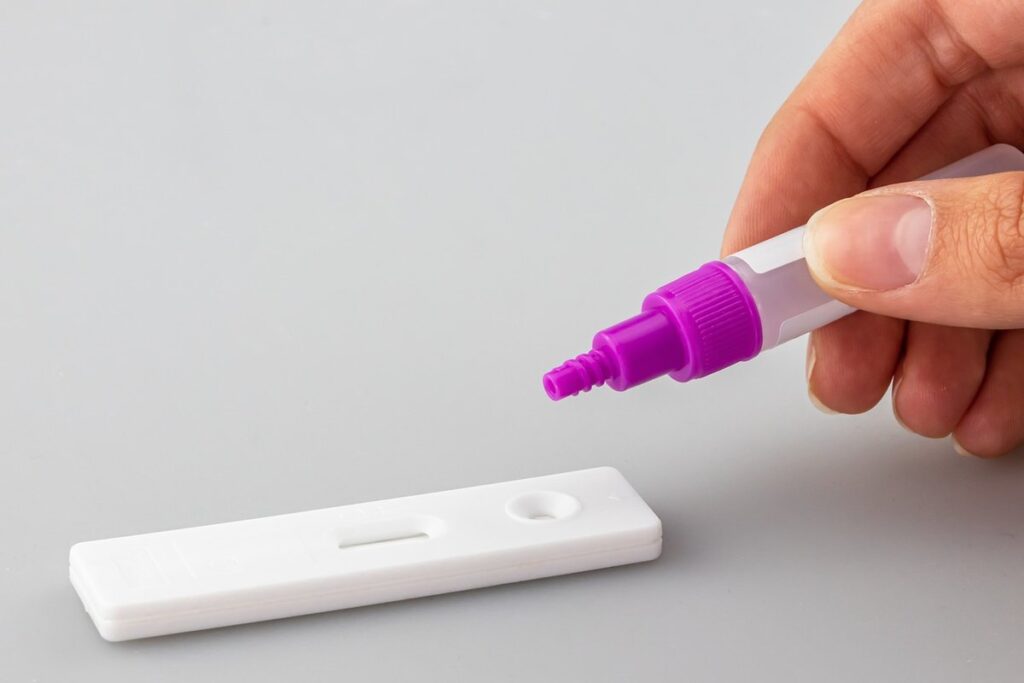
Understanding Soil pH Basics
When working with soil, it’s essential to understand that pH levels can affect nutrient availability and plant growth, so let’s break down the basics of soil acidity. This involves learning about different pH scales and their effects on your garden.
What is Soil pH?
Soil pH is a measure of its acidity or alkalinity, and it plays a crucial role in determining the availability of essential nutrients for plants. Think of soil pH like the pH level of your favorite cup of coffee – if it’s too acidic, it’ll be unbearably sour, while a slightly acidic or neutral tone will be perfect. Similarly, plants thrive best when the soil pH is within a specific range.
The ideal pH range varies depending on the type of plant and its requirements. For example, blueberries love an acidic environment with a pH between 4.0 and 5.5, while roses prefer slightly alkaline conditions between 6.0 and 7.0. Most vegetables and fruits grow well in neutral to slightly acidic soil with a pH around 6.0-7.0.
A healthy soil pH is essential for plant growth as it affects nutrient availability, water penetration, and microbial activity. If the soil pH is too low or too high, plants may struggle to absorb vital nutrients, leading to stunted growth, reduced yields, and increased susceptibility to diseases. By understanding and adjusting your soil’s pH level, you can create an optimal growing environment for your plants to flourish.
Importance of Soil pH in Plant Growth
Soil pH plays a crucial role in determining the overall health and productivity of plants. When soil pH is within an optimal range for specific plant species, nutrient availability increases, microbial activity flourishes, and root development thrives.
A slightly acidic to neutral soil pH (around 6.0-7.0) is ideal for most crops as it provides a balanced environment for nutrient uptake. For example, tomato plants perform exceptionally well in this pH range, with optimal growth rates and fruit production. On the other hand, an excessively alkaline or acidic soil pH can lead to nutrient deficiencies, stunted root development, and reduced plant yields.
For instance, if your soil pH is too high (above 8.0), essential nutrients like iron and zinc become less available for plants, resulting in yellowing leaves and impaired growth. Conversely, a low pH (below 5.5) can lead to over-acidification, causing root damage and reduced plant resilience.
To ensure optimal plant growth, it’s essential to maintain a healthy soil pH range by monitoring nutrient levels and adjusting the soil accordingly through organic amendments or targeted fertilizers.
Common Problems Caused by Incorrect Soil pH
When soil pH is not within the optimal range for specific plants or ecosystems, it can lead to a host of common problems. For example, if the soil pH is too high (alkaline), it can cause nutrient deficiencies and make essential nutrients like iron and zinc unavailable to plants. This can result in stunted growth, yellowing leaves, and reduced crop yields.
On the other hand, if the soil pH is too low (acidic), it can lead to an overabundance of certain nutrients, causing them to become toxic to plants. This can also cause root damage and kill beneficial microorganisms that live in the soil. For instance, blueberries require a slightly acidic soil pH between 4.0 and 5.5 to thrive, while tomatoes prefer a more neutral pH range of 6.0 to 7.0.
In addition to plant-related problems, incorrect soil pH can also affect the overall ecosystem. For example, if the soil pH is too high, it can lead to an increase in pests and diseases, as certain microorganisms that help control these populations are killed off. By testing your soil pH regularly and making adjustments as needed, you can prevent these common problems and create a healthy, thriving garden or ecosystem.
Choosing the Right Testing Method
When it comes to testing soil pH, selecting the right method is crucial for accurate results. We’ll guide you through the different options and help you choose the best one for your needs.
Selection of Testing Methods: Wet Chemistry vs. Electrochemistry
When it comes to testing soil pH, two common methods are wet chemistry and electrochemistry. Both have their advantages and disadvantages that you should consider when choosing the right method for your needs.
Wet chemistry involves extracting a small sample of soil and measuring its pH using a standardized chemical solution. This method is often considered more accurate, but it requires some expertise to perform correctly. If not done properly, it can lead to inaccurate results. However, wet chemistry methods can be quite precise, with many laboratory-grade instruments boasting an accuracy of ±0.1 pH units.
On the other hand, electrochemistry involves using an electrode to measure the soil’s pH directly in the field. This method is often faster and more convenient than wet chemistry, but it may not be as accurate. Electrochemical methods are also less expensive, making them a popular choice for many farmers and gardeners. However, they can be affected by factors such as temperature and humidity.
When choosing between these two methods, consider the level of accuracy you need and your personal comfort with laboratory procedures. If precision is paramount and you’re willing to invest time and effort into preparing the samples, wet chemistry may be the better choice. But if speed and convenience are more important, electrochemistry could be the way to go.
Factors to Consider When Selecting a Testing Method
When selecting a testing method for soil pH, there are several key factors to consider. Cost is an essential factor, as some methods can be quite expensive. For example, laboratory-based tests can cost upwards of $100 per sample, whereas DIY kits and online tools may offer more affordable options.
Ease of use is also crucial, especially if you’re not a seasoned gardener or scientist. Choose a method that’s user-friendly and requires minimal technical expertise to ensure accurate results. Accuracy is paramount when it comes to soil pH testing. Some methods are more reliable than others, so research the average margin of error for each option.
Speed is another factor to consider, as some tests can take several days or even weeks to produce results. If you need immediate feedback on your soil’s pH level, look for methods that offer faster turnaround times. Consider combining these factors by choosing a method that balances cost, ease of use, accuracy, and speed. For instance, DIY kits with digital meters often provide accurate readings quickly while being relatively inexpensive.
DIY Kits vs. Professional Services: Which is Best?
When it comes to testing soil pH, you have two main options: using DIY kits or hiring a professional service. While both methods can provide accurate results, there are significant benefits and drawbacks to consider.
Using a DIY kit is often the more cost-effective option, with prices ranging from $20 to $100 depending on the type and quality of the kit. These kits usually come with pre-measured test tubes and reagents that you mix together to obtain your pH reading. However, accuracy can be compromised if not used properly, and results may vary depending on the individual’s level of expertise.
Hiring a professional service is generally more expensive, with prices starting at around $100 for a basic soil testing package. But, this method offers unparalleled accuracy and peace of mind, as trained professionals will collect and analyze your samples using high-end equipment. They can also provide expert interpretation of results and recommend actionable steps to improve your soil’s pH.
Ultimately, the best choice depends on your specific needs and budget. If you’re working with a small plot of land or testing for educational purposes, a DIY kit may be sufficient. However, if you’re managing a large property or require precise and reliable data, hiring a professional service is likely your best bet.
Preparing Soil Samples for Testing
To get accurate results from your soil pH test, it’s essential to prepare your soil samples correctly, which involves collecting and handling them with care. Follow these steps to ensure your samples are in optimal condition for testing.
Collecting Representative Soil Samples
When it comes to testing soil pH, collecting representative samples is crucial for accurate results. A single sample may not reflect the entire property’s conditions, so it’s essential to collect multiple samples and combine them to get a comprehensive picture.
Start by deciding on the number of samples to take. The ideal number varies depending on the size of your land and its features, but as a general rule, take at least 5-10 samples from different areas, including slopes, valleys, and flat regions. Each sample should be about 1/4 pound in weight, which is roughly equivalent to a handful of soil.
When collecting samples, consider the depth of the soil. For most crops, surface soil (0-8 inches) and subsoil (8-24 inches) are the most relevant layers for testing. However, if you’re dealing with deep-rooted plants or have concerns about nutrient depletion at deeper levels, collect samples from 2-foot intervals down to 3 feet.
Finally, take note of the location where you collected each sample. Make sure they’re representative of your property’s overall conditions and not skewed by isolated areas like near trees or buildings.
Proper Storage and Handling of Soil Samples
Proper storage and handling of soil samples is crucial to maintaining their integrity before testing. This step may seem minor, but it can significantly impact the accuracy of your results.
Soil samples should be stored in airtight containers to prevent moisture loss or contamination from air-borne particles. You can use plastic bags or glass vials with tight-fitting lids for this purpose. Seal the container as soon as possible after collection to minimize exposure to environmental factors.
When transporting the soil samples, keep them away from extreme temperatures and direct sunlight. A cooler bag or a thermally insulated container is ideal for maintaining a consistent temperature during transport.
Label each container clearly with its identification number, sample location, and any other relevant information. This will help you track your samples accurately and ensure that they are not mixed up during testing.
Remember to handle the soil samples gently to avoid compacting the soil particles or breaking any aggregate structures. This can affect the accuracy of pH readings and other laboratory tests.
Common Pitfalls When Preparing Soil Samples
Preparing soil samples for testing is an essential step in determining your soil’s pH level. However, many people make common mistakes that can lead to inaccurate results. When collecting soil samples, it’s easy to get a few things wrong, but being aware of these pitfalls will help you avoid them.
When taking soil samples, it’s crucial not to collect from areas with recent fertilizer or manure application, as this can significantly skew the pH reading. Similarly, don’t take samples from spots near tree roots, as their root activity can alter the local soil chemistry. Avoid sampling areas with high levels of vegetation, as plant growth can mask underlying issues.
Remember, the ideal sample size is between 10-20 grams, so be precise when collecting and transporting your samples. Also, make sure to label each sample correctly, including the location, date, and any other relevant information. Finally, store the samples in a cool, dry place until they’re ready for testing, as extreme temperatures can also affect the results. By being mindful of these potential pitfalls, you’ll set yourself up for accurate soil pH testing.
Interpreting Test Results and Adjusting pH Levels
Now that you’ve obtained your soil test results, it’s time to understand what they mean for your garden’s health and adjust the pH levels accordingly. Let’s dive into interpreting these results together.
Understanding pH Scale: What Do Different Values Mean?
The pH scale is a crucial tool for understanding soil acidity and alkalinity. It’s a measure of the concentration of hydrogen ions in a solution, with lower values indicating higher acidity and higher values indicating higher alkalinity. The pH scale ranges from 0 to 14, with 7 being neutral.
Values below 7 are considered acidic, while those above 7 are alkaline. Here’s a breakdown of the pH levels and their corresponding characteristics:
* pH 0-3: Strongly acidic, often found in areas with high sulfur or nitrogen content
* pH 4-5.5: Acidic, common in soils with high organic matter or fertilizer use
* pH 6-7: Neutral, ideal for most plant growth
* pH 7.1-8: Slightly alkaline, often found in soils with calcium carbonate deposits
* pH 8-9: Alkaline, common in areas with high limestone or dolomite content
* pH 10 and above: Highly alkaline, can be toxic to plants
Understanding the pH scale is essential for interpreting test results and adjusting pH levels in your soil. Knowing where your soil falls on the pH spectrum will help you make informed decisions about fertilizers, amendments, and other treatments that may be necessary to support plant growth and health.
Identifying Causes of Abnormal pH Levels
When you receive your soil test results and find that your soil’s pH level is abnormal, it can be frustrating to figure out what caused the issue. Understanding the possible causes of abnormal pH levels will help you address the problem effectively. One primary factor influencing soil pH is the type of soil itself. For example, clay soils tend to retain water and acidity more than sandy soils, making them more prone to low pH levels.
Another potential cause is nutrient imbalance. Nutrients like nitrogen and phosphorus can alter soil pH over time if not maintained at optimal levels. High nitrogen content, for instance, can raise the pH of your soil by producing alkaline compounds as it breaks down. Conversely, excessive phosphorus application can lower soil pH due to its acidic properties.
Contamination is also a possible reason behind abnormal pH levels. Exposure to pollutants or chemicals can significantly alter your soil’s pH and negatively impact plant growth. Understanding these potential causes will allow you to identify the root issue and take corrective measures to adjust your soil’s pH level back to an optimal range for healthy plant growth.
Strategies for Adjusting pH Levels
Adjusting pH levels is a crucial step in ensuring optimal soil health for plant growth. When interpreting test results, you’ll likely need to adjust the pH level to match the recommended range for your specific plants.
To raise the pH (alkaline) of acidic soils, liming is often necessary. You can use limestone or dolomitic limestone as a liming agent, applying 1-2 tons per acre. However, be cautious not to over-lime, as this can cause nutrient deficiencies and affect soil structure. For example, adding too much lime to an already alkaline soil can lead to ‘lime-induced iron deficiency,’ which can severely impact plant growth.
On the other hand, acidification is required for soils with high pH levels. You can use sulfur or aluminum sulfate to lower the pH. The rate of application will depend on the initial pH level and the desired outcome. For instance, applying 10-20 pounds per acre of elemental sulfur can reduce pH by about 0.5 units.
Organic amendments like peat moss, pine straw, or compost can also help adjust soil pH levels. These materials are generally acidic and can be added to raise the pH in alkaline soils.
Common Misconceptions About Soil pH Testing
You might be surprised at how often people get soil testing wrong, and it all starts with some common misconceptions about what a pH test actually measures. Let’s debunk these myths together.
Debunking Myths: Separating Fact from Fiction
When it comes to soil pH testing, there are several myths that can lead to misinformed decisions about your garden’s health. One common myth is that DIY kits are just as accurate as professional services. While these kits can be a good starting point for getting an idea of your soil’s pH level, they often lack the precision and accuracy of laboratory-grade equipment.
In fact, studies have shown that many commercial DIY kits can only detect pH levels within a range of 1-2 units, whereas professional services can provide more accurate measurements down to 0.01 units. This may not seem like a big difference, but it can significantly impact the effectiveness of your fertilizers and amendments.
Another myth is that adjusting soil pH is as simple as adding lime or sulfur. While these products can help raise or lower pH levels, they often require careful calculation and application to avoid over-correcting. In fact, over-adjusting soil pH can lead to nutrient deficiencies and even plant toxicity. To get it right, you need a thorough understanding of your soil’s specific needs and the correct techniques for adjustment.
Real-World Examples of Successful pH Adjustments
A successful example of pH adjustment can be seen in orchards where soil pH needs to be adjusted for optimal apple production. In a study conducted by the University of California, researchers found that adjusting the soil pH from 7.2 to 6.5 led to a significant increase in apple yield and quality. The acidic soil pH allowed for better nutrient uptake and water retention, ultimately resulting in healthier trees.
In another instance, gardeners growing blueberries in neutral to alkaline soils have successfully adjusted their soil pH by adding sulfur-based amendments. By lowering the soil pH to around 4.5-5.5, they were able to create an optimal environment for blueberry growth and production. These examples demonstrate how pH adjustments can be made effectively in different environments and for various plant species.
Consider testing your own soil pH and adjusting it accordingly if necessary. This may involve consulting with a local nursery or gardening expert, who can provide guidance on the best amendments to use based on your specific climate and soil conditions.
Maintaining Optimal Soil pH Over Time
Now that you’ve got a handle on testing your soil’s pH, let’s talk about how to maintain optimal levels over time to keep your garden thriving. This section covers essential tips for long-term soil pH management.
Factors Affecting Long-Term Soil pH Stability
When testing soil pH, it’s essential to consider that stability can vary over time due to several factors. Changes in land use are a significant contributor to pH fluctuations. For instance, converting a forested area to agricultural land can lead to an increase in acidity as the trees are removed and their acid-neutralizing properties are lost. Conversely, the introduction of alkaline-rich fertilizers or irrigation water can cause soil pH levels to rise.
Climate also plays a crucial role in long-term soil pH stability. Regions with high rainfall often experience increased leaching of nutrient ions from the soil, leading to acidity. On the other hand, areas with low precipitation might see an accumulation of salts and minerals that raise the pH.
Nutrient availability is another critical factor affecting soil pH stability. Overfertilization with nitrogen-based fertilizers can lead to acidification as these nutrients are converted into nitric acid in the presence of water and oxygen.
Strategies for Maintaining Optimal pH Levels
Maintaining optimal soil pH levels over time requires a proactive approach that involves regular testing, monitoring of environmental factors, and adaptive management practices. As you’ve learned from testing your soil pH, maintaining the right balance is crucial for plant growth and nutrient uptake.
Regular testing is essential to understand how your soil’s pH is changing over time. This can be influenced by various factors such as climate change, changes in land use, or nearby industrial activities that release acidic or basic substances into the air. For example, if you’ve noticed a significant drop in soil pH over the past year, it could be due to increased acid rain or nearby agricultural activities.
To maintain optimal pH levels, monitor environmental factors like rainfall patterns, soil temperature, and nearby land use changes. Use this information to adjust your management practices accordingly. For instance, if you notice an increase in acidic substances released from a nearby industrial site, consider incorporating liming materials into your routine maintenance schedule.
Frequently Asked Questions
How often should I retest my soil pH to ensure optimal levels?
Retesting your soil pH regularly is crucial, especially after making adjustments or introducing new plants. Aim to retest every 6-12 months, depending on factors like climate, crop rotation, and fertilization practices.
Can I use a single test result to adjust the entire garden’s pH levels?
No, it’s best to test multiple soil samples from different areas of your garden to get an accurate picture of its overall pH. This ensures you’re making informed decisions based on representative data.
What are some common mistakes people make when collecting and storing soil samples for testing?
Some common pitfalls include not taking a sufficient number of sample points, failing to mix the sample well before testing, and exposing the sample to extreme temperatures or moisture changes during storage.
How do I interpret pH test results if my lab report includes multiple values (e.g., pH, EC, and OM)?
When interpreting your lab report, consider each value in context. For example, high Electrical Conductivity (EC) might indicate over-fertilization, while low Organic Matter (OM) could point to soil degradation.
Can I adjust the pH levels of my entire garden at once, or should I focus on specific areas with extreme imbalances?
Adjusting pH levels can be a gradual process. It’s often more effective to target specific problem areas first and then reassess and adjust as needed, rather than attempting to correct the entire garden in one go.