
Are you tired of struggling with overgrown tomato plants that seem to be more foliage than fruit? Pruning, or “snipping,” your tomato plants is an essential step in promoting healthy growth and maximizing your harvest. Not only does pruning encourage bushy growth, but it also helps prevent disease and pests from taking hold. Whether you’re growing determinate, indeterminate, or compact varieties, the right snipping techniques can make all the difference. In this article, we’ll delve into the best snipping tools and techniques for each type of tomato plant, so you can learn how to prune like a pro and enjoy a bountiful harvest. We’ll cover everything from the basics of pruning to advanced tips for getting the most out of your tomatoes.
Understanding Why Tomatoes Need Pruning
Pruning tomato plants might seem counterintuitive, but it’s a crucial step that helps promote healthy growth and prevents disease. Let’s dive into why pruning is essential for your tomato plant’s well-being.
The Importance of Pruning for Fruit Set and Growth
Pruning tomato plants is one of the most crucial steps in ensuring they produce an abundance of fruit. When you prune your tomatoes correctly, it encourages bushy growth, which allows more leaves to photosynthesize and convert sunlight into energy for the plant. This process not only increases the overall yield but also promotes healthy plant development.
Proper pruning can increase the number of flowers on a plant by up to 60%, resulting in higher fruit set. When you remove lower branches and weak growth, it directs the plant’s energy towards producing more fruiting branches. By doing so, you’re essentially giving your tomato plants a “haircut” that makes them more efficient at producing tomatoes.
Think of pruning as fine-tuning your plant. Regular pruning helps control the size of the plant and encourages better air circulation around each individual fruit, reducing the risk of fungal diseases. With regular pruning, you’ll end up with healthier, more robust tomato plants that produce a bountiful harvest.
Identifying the Right Time to Prune Tomato Plants
Pruning tomato plants is an essential part of their growth and development. To get the most out of your harvest, it’s crucial to prune at the right time. The ideal pruning times for tomato plants are pre-bloom, post-bloom, and mid-season.
Pre-bloom pruning typically occurs 2-3 weeks after transplanting seedlings into larger containers or directly into the garden. This type of pruning involves removing lower leaves and weak growth to promote a strong stem and encourage bushy growth. By doing this, you’ll give your plant a head start on producing fruit.
Post-bloom pruning usually takes place once the plant has started producing flowers. At this stage, remove any weak or spindly growth, as well as any suckers (shoots that grow between the main stem and branches). This will help direct energy towards developing fruit rather than foliage.
Mid-season pruning can be done around 6-8 weeks after planting. Remove any weak or damaged branches to prevent disease spread and encourage a more balanced structure.
Preparing Your Tools and Equipment
Before you start pruning, make sure you have all the necessary tools within arm’s reach to keep your snipping efficient and effective. This includes a pair of clean scissors, gloves, and a tray for removed leaves.
Choosing the Right Pruning Shears or Loppers
When it comes to pruning tomato plants, having the right tools for the job is crucial. You’ll want to invest in a pair of pruning shears or loppers that can make clean cuts and minimize damage to the plant.
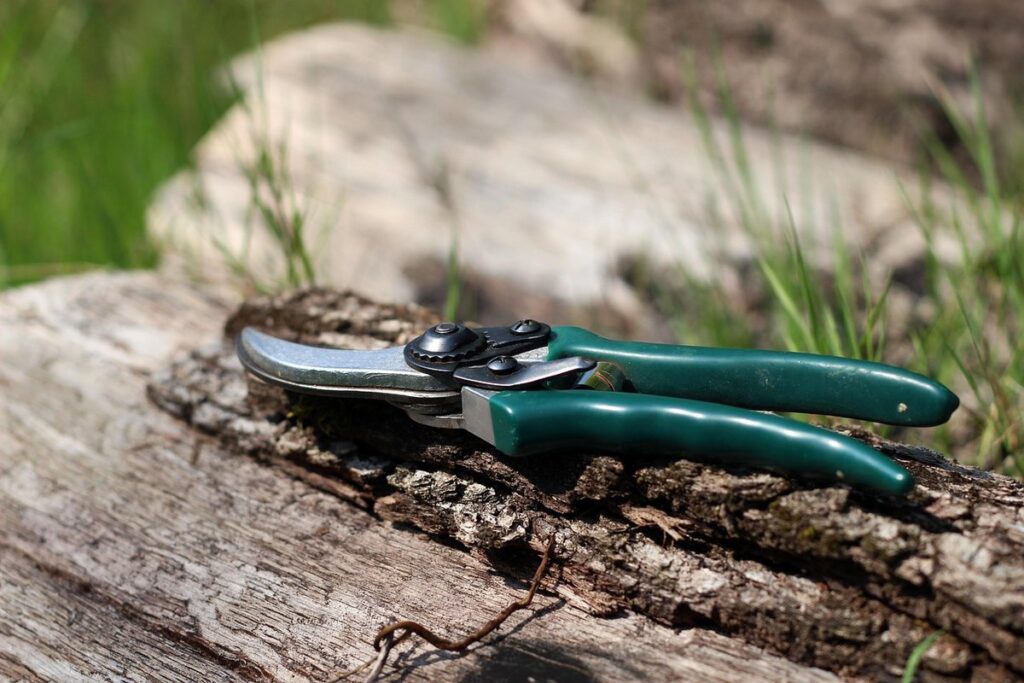
For most gardeners, pruning shears are the ideal choice. Look for a pair with sharp blades made from high-carbon steel, as they will hold their edge better and reduce the risk of crushing delicate stems. A comfortable grip is also essential, so opt for shears with ergonomic handles that fit easily in your hand.
Loppers are another option, particularly useful for thicker branches or when working on larger plants. Choose loppers with long handles (around 8-12 inches) to provide extra leverage and make cutting easier. Some models even come with a locking mechanism to secure the blade in place, preventing accidents.
Ultimately, select pruning tools that feel balanced and comfortable in your hand. With the right equipment, you’ll be able to snip tomato plants efficiently and effectively, promoting healthy growth and a bountiful harvest.
Preparing Your Plant for Pruning
Before you start snipping away at your tomato plant, it’s crucial to prepare the area around it. This ensures a safe and efficient pruning process that minimizes damage to nearby plants.
Clearing the surrounding space is essential. Remove any obstacles such as garden furniture, tools, or debris that could get in the way of your pruning activities. Take a moment to survey the area and identify any potential hazards like water hoses or electrical cords that could be damaged during the snipping process. Clear a 2-3 foot radius around the plant to give yourself ample space to work.
If you have nearby plants, protect them from damage by covering them with a sheet or tarp. This will prevent accidental pruning and keep your other plants safe from potential harm. It’s also a good idea to wear protective gear like gloves and safety glasses to shield yourself from any falling debris.
Once the area is clear, take a moment to assess the plant itself. Identify any weak or damaged growth that needs attention.
Snipping Techniques for Tomato Plants
When it comes to snipping tomato plants, technique is key to encourage healthy growth and maximize yields. Let’s dive into some essential techniques you need to know.
Removing Lower Leaves and Weak Growth
Removing lower leaves and weak growth from tomato plants may seem counterintuitive, but it’s an essential technique for promoting healthy development and preventing disease. When you remove these unwanted parts, you’re essentially giving the plant a chance to focus its energy on producing more fruit.
To start, examine your tomato plant carefully and identify any weak or spindly growth. Look for leaves that are pale or yellowing, as these can be indicative of nutrient deficiencies or disease. Similarly, remove any lower leaves that are in contact with the soil, as these can create an ideal environment for fungal diseases to spread.
Use a pair of clean scissors or pruning shears to snip off the unwanted leaves and growth at their base, making sure not to damage any adjacent healthy tissue. This technique is especially important when growing indeterminate varieties of tomato plants, which have a tendency to produce weak, leggy growth if left unchecked. By removing these lower leaves and weak growth, you’ll encourage your plant to put its energy into producing more robust, fruiting branches.
Reducing Plant Height and Promoting a Bushy Structure
When pruning tomato plants to maintain a bushy structure, it’s essential to reduce plant height while promoting balanced growth. To achieve this, start by identifying the main stem and remove any weak or spindly branches. This will help direct the plant’s energy towards producing more fruit rather than investing in unnecessary growth.
Cut back the tips of the main stems to about two-thirds of their original length. This technique is called “tip pruning.” By doing so, you’ll encourage the plant to grow bushy and produce multiple side shoots. Make sure not to remove too much foliage at once, as this can stress the plant and lead to disease.
For a more compact growth habit, consider removing lower leaves that are below the first set of true leaves. This will improve air circulation and reduce the risk of fungal diseases. Keep in mind that pruning is an ongoing process throughout the growing season, so be sure to monitor your plants regularly for signs of overgrowth or disease. Regular pruning will not only promote a bushy structure but also increase fruit production and make harvesting easier.
Common Pruning Mistakes to Avoid
When pruning your tomato plants, it’s easy to make mistakes that can harm their growth and productivity. Let’s take a closer look at common errors to steer clear of.
Over-Pruning: The Dangers of Removing Too Much Growth
When pruning tomato plants, it’s tempting to cut back more than you need to. However, over-pruning can have serious consequences for your plant’s health and productivity.
Over-pruning can stress the plant, making it more susceptible to disease and reducing fruit set. This is because tomato plants produce new growth from the nodes on the stem – when these nodes are removed, the plant has fewer resources to devote to producing fruit. In fact, research has shown that over-pruning can reduce yields by up to 30% in some cases.
To avoid over-pruning your tomato plants, it’s essential to identify which stems and branches should be pruned. Only remove growth that is diseased, damaged, or crossing with other stems. Cut back any weak or spindly growth, but leave the healthy, vigorous stems intact. This will help your plant focus its energy on producing a bountiful harvest rather than struggling to recover from excessive pruning.
By being mindful of what you prune and leaving enough growth intact, you can enjoy a more productive and resilient tomato crop.
Under-Pruning: Leaving Dead or Diseased Wood Behind
When you’re pruning tomato plants, it’s easy to get carried away and remove more than necessary. But under-pruning is just as problematic – leaving dead or diseased wood behind can have serious consequences for your plant’s health.
Dead or diseased wood is like an open invitation for diseases to spread throughout the plant. Fungal diseases like septoria leaf spot and fusarium wilt can jump from branch to branch, infecting healthy tissue and causing irreparable damage. By leaving affected areas intact, you’re essentially creating a disease nursery where pathogens can multiply and thrive.
When inspecting your tomato plants, look for signs of distress such as blackened or yellowed leaves, mushy stems, or brittle branches. Remove these sections entirely to prevent the spread of disease. Cut at least an inch below the affected area using clean, sharp pruning tools to minimize the risk of infection. By being diligent about removing dead or diseased wood, you’ll help keep your tomato plants healthy and thriving all season long.
Aftercare and Maintenance
Now that you’ve successfully snipped your tomato plants, it’s essential to take care of them to promote healthy growth and a bountiful harvest. This includes watering, pruning, and providing necessary nutrients.
Watering and Fertilizing Your Pruned Plant
Proper aftercare is crucial for your pruned tomato plant’s recovery and continued growth. When it comes to watering, the key is to provide enough moisture without over-saturating the soil. Check the top inch of soil daily, sticking your finger in gently. If it feels dry, it’s time to water. Aim for about 1-2 gallons per plant, depending on size and climate.
Watering techniques also play a role. For newly pruned plants, consider using a soaker hose or drip irrigation system to deliver water directly to the roots without wetting leaves. This helps prevent fungal diseases that thrive in moist environments. As your plant regrows, switch to overhead watering with a gentle spray nozzle.
Fertilizing is just as important as watering. Feed your tomato plant with a balanced fertilizer (10-10-10 NPK) about 1 week after pruning. You can also side-dress with a high-phosphorus fertilizer (10-20-10 NPK) to promote healthy root development and fruit production.
Watering and fertilizing schedules will vary depending on the season and climate you’re in. In general, water your plant every 2-3 days during hot summer months and reduce frequency during cooler periods. Fertilize every 1-2 weeks during the growing season (spring-fall) and skip fertilizers altogether during winter dormancy.
To ensure optimal growth, consider using a moisture meter to monitor soil dryness levels. This will give you a more accurate reading than manual checks.
Monitoring for Pests and Diseases
Regular monitoring is crucial after pruning your tomato plants to prevent pest infestations and disease outbreaks. Watch out for common issues such as aphids, whiteflies, and hornworms that can be attracted to the plant’s sap or damage its leaves and stems.
To control these pests, use neem oil or insecticidal soap on the affected areas. Make sure to spray them in the early morning or evening when it’s cooler outside to prevent harming beneficial insects. For more severe infestations, consider introducing natural predators like ladybugs or lacewings that feed on aphids and other soft-bodied pests.
In terms of diseases, be on the lookout for signs of fungal infections such as powdery mildew, leaf spot, or early blight. Remove any infected leaves to prevent the spread of disease, and treat the plant with a fungicide if necessary. For bacterial diseases like tomato spotted wilt virus (TSWV), ensure good air circulation around your plants and remove weeds that can harbor bacteria.
Also keep an eye out for signs of root damage or waterlogged soil, which can lead to fungal growth.
Tips for Specific Tomato Varieties
When it comes to pruning your tomato plants, different varieties may require some unique attention. From cherry tomatoes to beefsteaks, learn how to snip them perfectly in our special tips section!
Pruning Determinate, Indeterminate, and Semi-Determinate Tomatoes
Pruning different types of tomatoes is crucial for their optimal growth and fruit production. Determinate, indeterminate, and semi-determinate varieties require unique pruning approaches to ensure they thrive.
Determinate tomatoes are compact and bushy, producing a single harvest at the end of their season. Prune them by removing lower leaves to prevent disease and encourage upward growth. Pinch off suckers (shoots that grow between the main stem and branches) and tip-prune the plant to control its height.
Indeterminate varieties, on the other hand, are vining plants that produce continuous harvests throughout their growing season. Prune them more aggressively by removing lower leaves and most of the suckers, except for a few to encourage lateral growth. Remove weak or spindly growth to promote fruiting branches.
Semi-determinate tomatoes fall somewhere in between determinate and indeterminate varieties. They grow slightly taller than determinates but still produce a large single harvest. Prune them by removing lower leaves and half of the suckers, allowing for some vining growth while maintaining their compact structure. Regular pruning will help these plants direct their energy towards fruit production rather than vegetative growth.
Pruning Cherry Tomatoes, Patio Tomatoes, or Other Compact Varieties
When it comes to compact tomato varieties like cherry tomatoes and patio tomatoes, pruning requires special attention. These smaller plants are often more delicate than their indeterminate counterparts, yet they still need regular pruning to promote healthy growth and maximize fruit production.
Start by removing any weak or spindly stems that aren’t producing fruit. This will help direct the plant’s energy towards developing stronger, more productive branches. For cherry tomatoes, consider removing any suckers – the shoots that grow between the main stem and a branch – as they can divert energy away from fruiting.
When pruning patio tomatoes, focus on maintaining an open center to ensure good air circulation around the fruit. This is especially important for compact varieties, which can be more prone to disease issues due to their dense foliage. Remove any lower leaves that touch the soil to prevent fungal diseases and keep an eye out for signs of pests like hornworms.
Prune your compact tomatoes at least once a week during peak growing seasons to encourage bushy growth and promote even fruiting.
Conclusion: Maximizing Your Tomato Harvest with Proper Pruning Techniques
Now that you’ve mastered the art of pruning your tomato plants, it’s time to reap the rewards. With proper pruning techniques, you can maximize your tomato harvest and enjoy a bountiful crop all season long. Remember, regular pruning encourages bushy growth, prevents disease, and promotes even fruiting – all essential factors for a healthy and productive plant. By snipping off lower leaves, removing suckers, and pinching out flower clusters, you’ve created an optimal environment for your tomatoes to thrive.
As you continue to monitor and prune your plants, keep in mind that consistency is key. Regular maintenance will pay off come harvest time when you’re enjoying a lush and abundant crop of juicy, ripe tomatoes.
Frequently Asked Questions
What if I accidentally prune too much of my tomato plant’s foliage? Can it still recover?
Yes, tomato plants are generally resilient and can recover from minor pruning mistakes. However, excessive removal of foliage can stress the plant and make it more susceptible to disease. If you’ve over-pruned your tomato plant, focus on providing optimal care, including regular watering, fertilization, and pest management. With proper care, your plant should be able to regrow its leaves.
How often do I need to prune my tomato plants for maximum fruit production?
Pruning frequency depends on the type of tomato variety you’re growing. Determinate varieties typically require pruning every 7-10 days, while indeterminate and semi-determinate varieties can benefit from pruning every 3-4 weeks. Keep in mind that over-pruning can lead to reduced yields, so it’s essential to strike a balance between promoting healthy growth and encouraging fruit production.
Can I use regular scissors or household clippers for pruning my tomato plants?
While regular scissors or household clippers might seem like convenient alternatives, they’re not the best choice for pruning tomato plants. Pruning shears or loppers specifically designed for gardening are essential for making clean cuts and preventing damage to the plant’s stems.
How do I know if I’m over-pruning my indeterminate or semi-determinant tomatoes?
A good rule of thumb is to prune no more than one-third of your tomato plant’s new growth at any given time. Over-pruning can lead to reduced yields, so be cautious not to remove too much foliage. Additionally, look for signs like stunted growth, yellowing leaves, or a decrease in fruit production – these can indicate that you’re over-pruning.
Can I prune my tomato plants in the middle of the growing season?
While it’s best to prune your tomato plants when they’re young and more receptive to pruning, it’s not too late to prune them mid-season. Prune with caution, focusing on removing any weak or diseased growth that may be hindering fruit production. This will help redirect the plant’s energy towards producing healthy, marketable fruits.