
As a homeowner, you know the importance of having some shade in your yard. Not only does it provide relief from the scorching sun, but it also adds beauty and value to your property. But have you ever thought about how to choose, plant, and maintain trees that offer the perfect amount of shade? Whether you’re looking to create a cooler outdoor space for relaxation or simply want to block out the intense summer sun, learning how to select and care for shading trees is essential.
This article will guide you through the process of selecting the right tree species for your yard, including tips on planting techniques and post-care maintenance. You’ll learn how to choose trees that thrive in your local climate, provide optimal shade, and require minimal upkeep. With these expert tips, you can create a cooler, more livable space that’s perfect for enjoying the outdoors all year round.
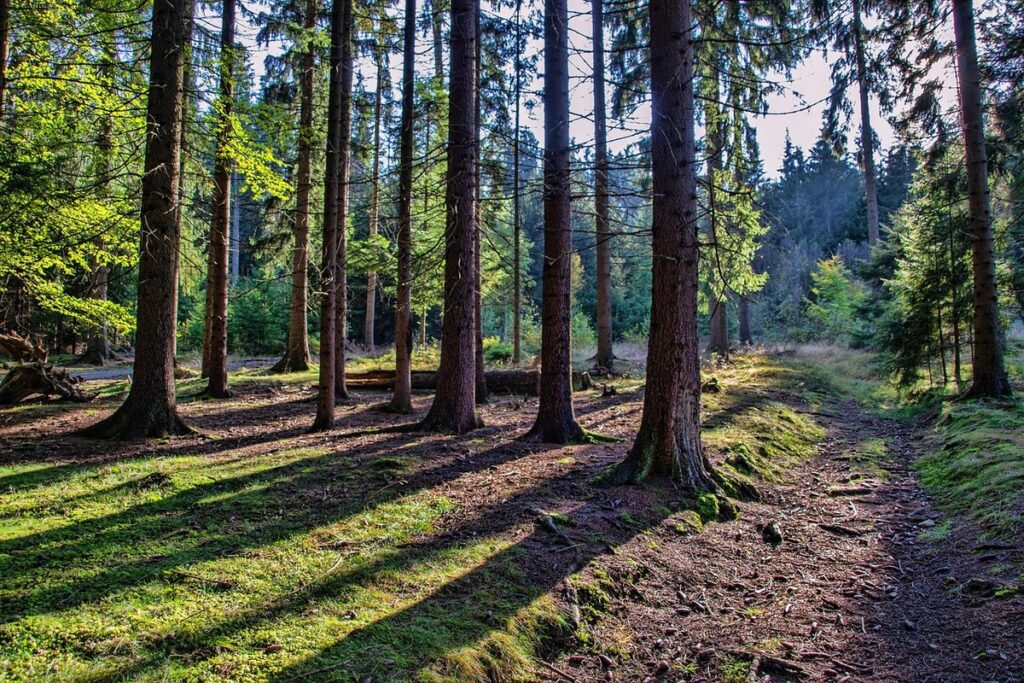
Benefits and Purpose of Shading Trees
Now that we’ve discussed the importance of choosing the right tree, let’s dive into why shading trees is essential for your yard’s ecosystem. We’ll explore their many benefits and purposes.
Why Shade Trees Are Essential for Urban Areas
In urban areas, shading trees play a vital role in maintaining a comfortable and healthy environment. One of the most significant benefits of shading trees is their ability to mitigate the heat island effect. This phenomenon occurs when built-up surfaces absorb and retain heat from the sun, leading to higher temperatures than surrounding rural areas. By providing shade, trees can reduce the urban heat island effect by up to 10°C (18°F), making them a crucial component in urban planning.
Shading trees also improve air quality by absorbing pollutants and releasing oxygen through photosynthesis. In fact, a single mature tree can absorb as much as 1.3 tons of carbon dioxide per year. Moreover, shading trees add aesthetic value to urban areas, increasing property values and enhancing the overall quality of life for residents.
To incorporate shading trees into your urban landscape, consider planting species that are well-suited to local conditions and can thrive in compacted soil. Choose trees with a broad canopy to provide maximum shade, and plant them strategically to optimize their benefits. Regular maintenance is also essential to ensure the health and longevity of your shading trees.
Types of Shade Trees Suitable for Small Gardens or Yards
When it comes to small gardens or yards, finding shade trees that fit comfortably is crucial. Mature size, growth rate, and maintenance needs are all important factors to consider.
Some excellent options for smaller spaces include compact deciduous trees like the Japanese maple (Malus ioensis), which can grow up to 15 feet tall but requires minimal pruning. Dwarf evergreen trees like the dwarf arborvitae (Thuja occidentalis) ‘Compacta’ or ‘Emerald Green’, perfect for year-round shade, are another option.
For faster growth rates and larger canopy coverage, smaller varieties of deciduous trees such as the Crape Myrtle (Lagerstroemia indica), or even smaller flowering trees like the Cherry Plum Tree (Prunus cerasifera) are viable choices. These options not only provide ample shade but also add vibrancy with their blooming flowers.
When selecting a tree, be sure to research its mature size to ensure it won’t outgrow your space over time. Also, consider factors such as soil type and sunlight requirements for optimal growth.
Preparing the Site for Shading
Before you start planting trees, it’s essential to prepare your site properly to ensure they receive the right amount of shade and protection from harsh weather conditions. This step is crucial for their health and growth.
Assessing Sunlight Patterns and Soil Conditions
When selecting the perfect spot for planting a shading tree, understanding sunlight patterns and soil conditions is crucial. Begin by observing your yard’s sunlight throughout the day, noting which areas receive direct sun, dappled shade, or full shade. You can use a tool like a sundial or a smartphone app to track the sun’s movement. Record the amount of sunlight each area receives during different times of year, considering factors like seasonality and tree pruning.
Next, assess your yard’s soil conditions by digging a small hole about 12 inches deep. Take note of the soil type (clay, loam, sand), pH level, and moisture content. Soil with good drainage and fertility will support healthy tree growth. If your soil is poor, consider amending it before planting or selecting a tree species that tolerates challenging conditions.
Be sure to consider your yard’s topography as well. Slopes can be challenging for trees, increasing the risk of erosion and root damage. Identify areas with stable ground to ensure a strong foundation for your shading tree.
Removing Debris and Obstacles from the Planting Area
Before you begin planting trees, it’s essential to clear the area of any debris, rocks, and other obstacles that may hinder tree growth or root development. Start by removing any large objects such as branches, stumps, or old roots using a chainsaw or a shovel. Be sure to wear protective gear like gloves and safety glasses.
Next, survey the area for any hidden dangers like underground utility lines, septic systems, or other obstacles that could interfere with tree growth. Use a metal detector or contact your local utility company to verify the location of any underground lines.
Also, take note of any rocks or hard soil that may need to be removed or amended. Tree roots grow outward and downward, so it’s crucial to create a clear path for them to expand without hitting any obstacles. If necessary, use a pickaxe or a shovel to break up compacted soil and create a well-draining area.
Remember, removing debris and obstacles takes time and effort, but it’s a critical step in creating a healthy environment for your trees to thrive.
Choosing the Right Shading Tree
When it comes to selecting the perfect shading tree for your space, there are several factors to consider, including climate, soil type, and personal preference. Let’s explore these key considerations together.
Factors Influencing Tree Selection (Climate, Soil Type, Space Constraints)
When selecting a shading tree, it’s essential to consider three critical factors: climate, soil type, and available space. Climate plays a significant role in determining which tree species will thrive in your area. For instance, if you live in an arid region with hot summers, look for trees that are drought-tolerant or require minimal watering, such as the Desert Willow (Chilopsis linearis) or Palo Verde (Cercidium floralia). Conversely, if you reside in a humid climate with mild winters, trees like the Live Oak (Quercus virginiana) or Tulip Poplar (Liriodendron tulipifera) might be more suitable.
Soil type is another crucial consideration. If your yard has poor drainage or heavy clay soil, choose a tree species that’s adapted to those conditions. For example, Red Maple (Acer rubrum) and Black Cherry (Prunus serotina) are tolerant of wet soils, while White Oak (Quercus alba) and Sweetgum (Liquidambar styraciflua) prefer well-drained soil.
Lastly, available space is a key factor in selecting the right tree for your yard. Make sure to choose a species that won’t outgrow its space within 10-20 years. Consider factors like mature size, growth rate, and root depth to ensure your tree has enough room to thrive without causing damage to surrounding structures or power lines.
Recommended Tree Species for Different Regions and Conditions
When selecting tree species for shading purposes, it’s essential to consider regional variations and specific conditions. In areas with high temperatures and low humidity, like Arizona, drought-tolerant trees such as Palo Verde (Cercidium floralia) or Desert Willow (Chilopsis linearis) are suitable choices.
For regions with cooler climates, like the Pacific Northwest, deciduous trees like Oak (Quercus spp.) or Maple (Acer spp.) provide excellent shading and seasonal color changes. In areas with wet conditions, such as Florida, tropical trees like Banyan (Ficus benghalensis) or Mahogany (Swietenia mahagoni) can thrive.
Consider the soil type when selecting a tree species. For example, in regions with alkaline soils, like those found in parts of California, trees adapted to these conditions, such as Olive (Olea europaea) or Cypress (Cupressus spp.), are ideal choices. Remember to research local regulations and restrictions on tree planting before making a final decision.
Planting Techniques for Optimal Growth
Proper planting techniques are crucial when it comes to giving your shade trees the best chance at optimal growth, and we’re sharing our expert tips next.
Digging the Planting Hole: Depth and Width Considerations
When digging the planting hole for your shade tree, it’s essential to get it right from the start. A properly prepared hole will give your tree the best chance of establishing a strong root system and thriving in its new environment.
The depth and width of the hole are crucial considerations. As a general rule, the hole should be at least 2-3 times as wide as the tree’s root ball, allowing for easy planting and minimizing damage to the roots. For example, if your tree has a root ball that’s about 18 inches in diameter, aim for a hole that’s around 36-54 inches wide.
The depth of the hole is also important. Make sure it’s deep enough to accommodate the tree’s root system without compacting or damaging the soil. A good starting point is to dig the hole as deep as the root ball is tall, plus an additional 6-12 inches for future growth. This will give your tree room to expand its roots and absorb nutrients from the surrounding soil.
When digging, remember that the sides of the hole should be sloping rather than vertical, which allows the soil to settle properly around the roots as they grow.
Gently Handling the Tree Root Ball or Balled-and-Burlapped (B&B) Specimen
When handling trees with root balls or B&B specimens, it’s essential to be gentle and minimize damage during planting. This is especially crucial for newly planted shade trees that require a smooth transition to their new environment.
Begin by examining the root ball carefully. Remove any strings or wire that may have been used to secure the tree in place. Gently loosen the burlap, taking care not to cut or tear it, as this can cause damage to the roots. If the burlap is synthetic and heat-sealed, it’s best to leave it intact until planting time.
Before placing the tree in its new location, inspect the root ball for any signs of circling or tangled roots. Gently tease out these roots with your fingers or a blunt instrument, taking care not to damage them further. This will help the roots establish themselves more efficiently and promote healthy growth. By following these steps, you’ll be able to minimize stress on the tree during planting and set it up for success in its new environment.
Post-Planting Care and Maintenance
Now that you’ve successfully planted your shade tree, it’s time to focus on its post-planting care and maintenance to ensure a healthy and thriving canopy. This section covers essential tasks to keep in mind.
Watering and Irrigation Strategies for Newly Planted Trees
When it comes to newly planted trees, proper watering and irrigation strategies are crucial for their establishment and long-term health. To avoid overwatering and ensure adequate moisture, follow a consistent watering schedule based on the tree’s species, soil type, and climate.
A general rule of thumb is to water your newly planted tree once or twice a week during the first year after planting, depending on weather conditions. However, it’s essential to check the soil moisture by inserting a finger into the soil up to the knuckle. If the soil feels dry, it’s time for watering.
Avoid using overhead sprinklers, as they can waste water and create shallow root growth. Instead, use soaker hoses or drip irrigation systems that deliver water directly to the roots. This not only reduces evaporation but also promotes deep root development.
Monitor your tree’s response to watering and adjust the schedule accordingly. Keep in mind that younger trees have shallower root systems and require more frequent watering than mature trees with deeper root systems.
Mulching and Pruning Techniques for Tree Health and Shading Effectiveness
Mulch plays a vital role in retaining soil moisture, regulating temperature, and suppressing weeds. When it comes to shading trees, incorporating mulch into your care routine can make all the difference. Apply a 2-3 inch layer of organic mulch, such as wood chips or bark, around the tree’s drip line. This will help retain moisture, regulate soil temperature, and prevent weeds from competing with your tree for resources.
Regular pruning is also essential to maintain tree health and maximize shading effectiveness. Prune your trees during their dormant season to minimize stress and promote healthy growth. Focus on removing dead or diseased branches, as well as any crossing or rubbing branches that can cause damage. By pruning strategically, you can encourage a full canopy and increase the amount of shade provided by your tree.
It’s also essential to prune correctly to avoid damaging the tree. Cut branches at a 45-degree angle, making sure to leave a small collar of bark intact. This will help protect the tree from disease and promote healthy healing.
Monitoring and Addressing Common Issues
As you plant and care for your shaded trees, you’ll inevitably encounter some common issues that can impact their health. This section will guide you through troubleshooting these problems and finding solutions.
Early Detection of Pest or Disease Problems
Monitoring for pest and disease issues is crucial when it comes to maintaining the health and longevity of shade trees. Common problems that can affect your tree’s well-being include insect infestations like aphids, spider mites, and scale insects, as well as diseases such as powdery mildew, root rot, and leaf spot.
Regular inspections are essential for early detection of these issues. Start by checking your tree’s leaves, bark, and soil for any signs of pests or disease. Look for yellowing or browning leaves, holes in the bark, or excessive sap flow, which can indicate an underlying problem. Keep an eye out for unusual growth patterns, such as soft, mushy wood or cotton-like fungal growth.
If you notice any of these symptoms, take prompt action to prevent further damage. Isolate affected areas to prevent the spread of disease and consider pruning infected branches. Use organic pest control methods whenever possible, such as neem oil or insecticidal soap, to minimize harm to beneficial insects and the environment.
Tips for Adapting to Changing Environmental Conditions (Drought, Weather Extremes)
As a tree owner, you’re likely aware that environmental conditions can be unpredictable and even extreme at times. Droughts, intense heatwaves, and severe weather events can put your trees under stress, affecting their health and longevity. To ensure the well-being of your shaded trees, it’s essential to adapt them to changing environmental conditions.
When it comes to drought tolerance, consider planting tree species that are naturally more resistant to water scarcity, such as oak, beech, or pine. Regular watering is still crucial during dry spells, but make sure not to overwater and cause root rot. Mulching around the base of your trees can also help retain moisture in the soil.
In areas prone to strong winds, consider staking young trees with flexible ties to prevent them from swaying excessively. For extreme weather events like hurricanes or tornadoes, have a plan in place for protecting your trees, such as pruning branches that could cause damage during high winds.
By taking proactive steps to adapt your shaded trees to changing environmental conditions, you can help ensure their resilience and longevity. Regular monitoring of your tree’s health and adjusting your care routine accordingly will also help mitigate the effects of extreme weather events.
Frequently Asked Questions
How soon can I expect my new tree to provide shade?
Expect your tree to start providing shade within 1-3 years after planting, depending on the species and growing conditions.
What’s the best way to care for my tree during extreme weather events like droughts or heavy rainfall?
To ensure your tree thrives in changing weather conditions, make sure it receives adequate water (about 1 inch of water per week) during dry spells. Also, prune branches that are touching power lines or other structures to prevent damage from strong winds.
Can I plant a tree in an area with poor soil quality?
Yes, you can still plant a tree in an area with poor soil quality. However, consider supplementing the soil with organic matter like compost or mulch to improve its fertility and drainage. This will help your tree establish a healthy root system.
How often should I water my newly planted tree?
Water your new tree regularly during its first year after planting, providing about 1 inch of water per week. You can do this by installing an irrigation system or watering it manually. Adjust the frequency as needed based on weather conditions and soil type.
What’s a good way to address common issues like pests or diseases in my trees?
Early detection is key when dealing with pest or disease problems. Regularly inspect your tree for signs of infestation, such as holes in leaves or bark, or discoloration. Consult local gardening experts or online resources for advice on treating specific issues, and take prompt action to prevent the problem from spreading.