
Ripening tomatoes indoors can be a game-changer for gardeners who live in areas with limited growing seasons or want to get a head start on their harvest. But, let’s face it – not all tomatoes are created equal when it comes to ripening indoors. Some varieties are more suitable than others, and knowing which ones to choose is crucial if you want to succeed.
In this article, we’ll walk you through the process of selecting the right tomato variety for indoor ripening, provide tips on how to create an optimal environment for ripening, and address common issues that might arise along the way. From troubleshooting brown spots to mastering the art of ethylene gas production, we’ll cover it all – so whether you’re a seasoned gardener or just starting out, keep reading to learn the secrets of successfully ripening tomatoes indoors!
Choosing the Right Tomatoes
To ripen tomatoes indoors successfully, you’ll need to choose the right variety for indoor growing. This includes selecting from compact or dwarf tomato plants that are specifically bred for container gardening.
Selecting the Variety
When selecting tomatoes for indoor ripening, it’s essential to choose varieties that mature relatively quickly and have a high sugar content. This will help them ripen more evenly indoors.
Cherry tomatoes are an excellent choice for indoor ripening due to their compact size and rapid maturation rate (typically 50-60 days). They also tend to be sweeter than larger tomato varieties, making them perfect for snacking and salads.
For beefsteak tomatoes, look for heirloom or hybrid varieties that mature in around 70-80 days. These will provide a more substantial harvest and are ideal for slicing and serving fresh.
Roma tomatoes are another good option, with some varieties maturing in as little as 60 days. Their elongated shape makes them perfect for sauces, canning, and cooking.
When selecting tomatoes, inspect their color, texture, and maturity level. Avoid choosing tomatoes that are already overripe or showing signs of spoilage. Opt for fruits with a glossy appearance and minimal blemishes, ensuring they have the best chance to ripen successfully indoors. This will help you achieve optimal results and enjoy a satisfying harvest from your indoor ripening efforts.
Identifying Ripe Tomatoes
When selecting tomatoes for indoor ripening, it’s essential to choose ones that are already close to ripe. This will not only save time but also increase the chances of successful ripening. To identify these prime candidates, look out for a few telltale signs.
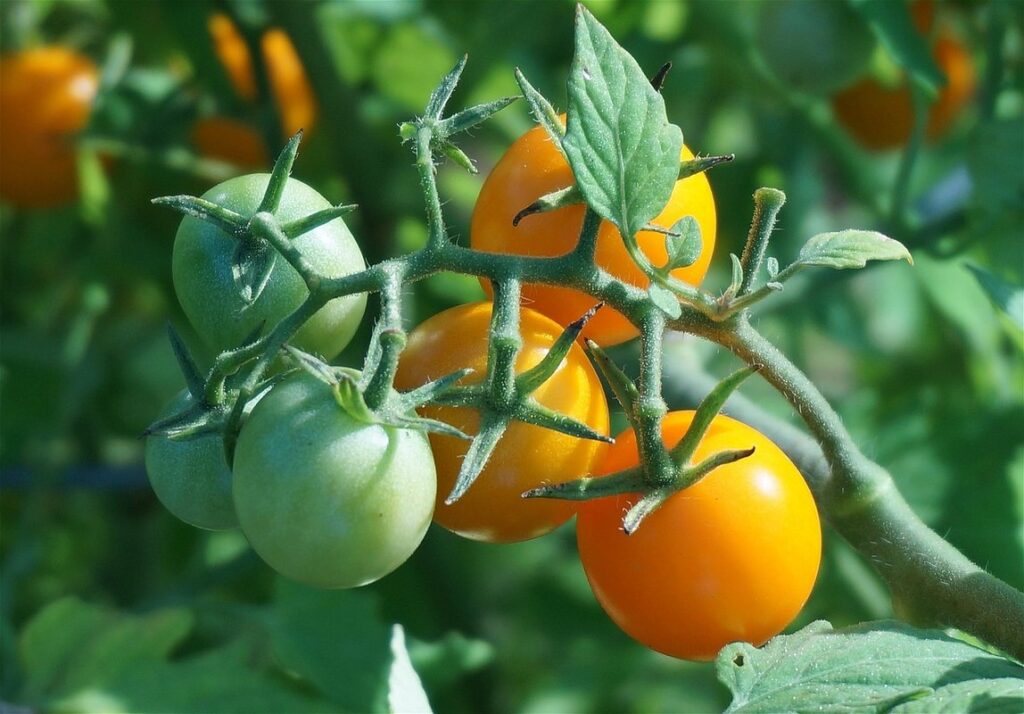
Start by checking the color change. Ripe tomatoes typically display a vibrant red or yellow hue, depending on their variety. Avoid green or unripe-looking fruits, as they may require too much time and effort to ripen indoors. Check the color of the stem end as well; if it’s still green, the tomato is likely not yet ripe.
Another crucial indicator is the texture. Gently squeeze the tomatoes; ripe ones should yield slightly to pressure but still feel firm. Soft spots or mushy areas are signs of over-ripeness and may spoil quickly indoors. Lastly, give the tomatoes a sniff – ripe tomatoes typically have a sweet, earthy aroma. By selecting fruits with these characteristics, you’ll be well on your way to successfully ripening them indoors.
Preparing the Environment
Before you start ripening those tomatoes, make sure your home environment is ready to provide the optimal conditions for their successful ripening. This includes controlling temperature and humidity levels.
Creating an Optimal Climate
Creating an optimal climate for indoor tomato ripening is crucial to promote healthy and even development. The ideal temperature range for tomato ripening is between 65°F to 70°F (18°C to 21°C). This temperature range allows the tomatoes to ripen gradually, preventing over-ripening or uneven coloration.
Humidity levels also play a significant role in maintaining an optimal climate. Aim for a relative humidity of around 50% to 60%. You can use a hygrometer to monitor the humidity levels and adjust accordingly. To maintain these conditions, you can employ various methods such as installing a whole-house climate control system or using portable heaters.
For small-scale indoor ripening, consider using a space heater specifically designed for indoor use. These units provide targeted heat without drying out the air, ensuring that your tomatoes receive the necessary warmth to ripen evenly. Regularly check the temperature and humidity levels to make adjustments as needed, allowing you to create an optimal climate for successful indoor tomato ripening.
Providing Adequate Light
Light plays a crucial role in the ripening process of tomatoes. Tomatoes need adequate light to produce ethylene gas, which triggers ripening. When growing indoors, you may not have access to direct sunlight, making it essential to supplement natural light with artificial sources.
Consider using grow lights specifically designed for tomato growth. These lights provide a balanced spectrum that promotes fruiting and flowering. LED grow lights are an excellent choice as they emit minimal heat and consume less energy.
When choosing a grow light, look for one that emits a spectrum of 400-700nm, which is ideal for plant photosynthesis. Aim for a light intensity of around 20-40 watts per square foot to mimic outdoor conditions.
To ensure even light distribution, place the lights about 12-18 inches above the plants. Remember to adjust the lighting schedule according to the tomato’s growth stage – typically 14-16 hours of light and 8-10 hours of darkness. This will help your tomatoes ripen evenly and quickly indoors.
The Ripening Process
Now that you’ve harvested your tomatoes, let’s move on to the ripening process, where we’ll cover the steps to help them reach perfect sweetness and flavor indoors.
Setting Up the Ripening Station
When setting up your ripening station, it’s essential to create an environment that fosters optimal ripening conditions for your tomatoes. To begin, choose a dedicated container or bag specifically designed for fruit ripening. These containers usually have one-way valves that allow ethylene gas to escape while keeping moisture in. You can opt for specialized bags like Fruit Keeper or Harvest Bags, which are available online.
Place the container on a countertop or shelf in a room with consistent temperature and humidity levels between 65-75°F (18-24°C) and 60-70% relative humidity. Avoid direct sunlight as it can cause over-ripening and spoilage. Ideally, select a location near your kitchen to make it easy to monitor the ripening process.
To maintain a controlled climate, you can use a fan or a dehumidifier if necessary. Also, keep an eye on the temperature by placing the container away from heating vents or air conditioning units. By following these simple setup steps, you’ll create an ideal environment for your tomatoes to ripen evenly and at their best flavor potential.
Monitoring Progress
Monitoring progress is crucial when ripening tomatoes indoors. Set aside time each day to check on their status. Look for color changes – typically, a slight yellowing around the stem indicates ripeness, followed by an overall deepening of red or pink hues.
Check texture by gently pressing your fingers into the skin. A ripe tomato will yield slightly, but still feel firm enough not to be mushy. If it’s too soft, it’s overripe and may spoil quickly.
Pay attention to aroma as well – a sweet, fruity smell usually signals ripeness. If you notice any off odors or mold growth, discard the tomato immediately.
If your tomatoes aren’t ripening as expected, don’t worry! It might be due to inadequate temperature (ideally between 55°F and 70°F) or humidity levels (around 80%). Try adjusting these conditions to see if it makes a difference. Some tomatoes may require longer exposure to ethylene gas from fruit like bananas or apples to stimulate ripening.
Tips for Successful Ripening
To ensure a bountiful harvest, here are some essential tips for successfully ripening your indoor tomatoes: choose the right spot and follow a consistent care routine.
Avoiding Over-Ripening
Monitoring the ripening process is crucial to avoid over-ripening, which can lead to mushy, unappetizing tomatoes. Over-ripening happens when tomatoes are left on the counter for too long, causing them to release excess ethylene gas and break down their cell walls. To prevent this, check on your tomatoes daily, gently rotating them to ensure even ripening.
Look for signs of over-ripening, such as soft spots, wrinkles, or a strong, unpleasant odor. Remove any tomatoes that are showing these signs from the ripening area immediately. You can also use a fruit and vegetable ripening bag to absorb excess ethylene gas and slow down the ripening process.
As a general rule of thumb, stop the ripening process when your tomatoes have reached 75-80% of their desired coloration. This will ensure they continue to develop flavor and texture without over-ripening. Be mindful of the variety you’re working with, as some types may require more or less time to ripen. With regular monitoring and attention, you can enjoy perfectly ripened tomatoes from the comfort of your own home.
Using Ethylene Gas
Ethylene gas plays a crucial role in fruit ripening, and it’s what naturally occurs when tomatoes are on the vine. But did you know that you can also use this gas to speed up the ripening process indoors? By creating an environment that mimics natural conditions, you can encourage your tomatoes to ripen faster.
To do this safely, make sure you’re working in a well-ventilated area and away from heat sources. You’ll need an ethylene-producing fruit or vegetable nearby – like an apple or banana – to create a mini-greenhouse effect. This will release the gas into the air, which your tomatoes will absorb, triggering ripening.
For example, placing two apples next to your tomatoes on a shelf can increase the concentration of ethylene in the air and speed up the process by 1-2 days. You can also use commercial products that mimic this effect without the need for fresh produce. However, it’s essential to follow the manufacturer’s instructions carefully.
If you’re not comfortable using ethylene gas or prefer a chemical-free method, there are alternative approaches you can try – such as placing tomatoes in a paper bag or creating a DIY ripening chamber using a cardboard box and plastic wrap.
Troubleshooting Common Issues
Don’t worry if things don’t go as planned – we’ve got you covered with some essential troubleshooting tips to fix common issues when ripening tomatoes indoors.
Delayed Ripening
Delayed ripening can be frustrating when trying to ripen tomatoes indoors. To diagnose this issue, inspect the fruit regularly for signs of ripening. Look for a slight softening around the stem end and a subtle change in color. If you notice these changes but still see no progress, it’s likely that your tomatoes are not receiving enough ethylene gas.
Ethylene is a natural hormone responsible for triggering ripening. Indoor environments often lack sufficient ethylene production to stimulate fruit ripening. To boost ethylene levels, place the tomatoes near other fruits or vegetables that emit more ethylene, such as apples or bananas. You can also try sealing the area in plastic bags or containers to trap the gas and create a higher concentration.
Keep in mind that over-ripening is just as common as delayed ripening when trying to ripen tomatoes indoors. Monitor your fruit closely and remove them from the ripening area once they reach full maturity.
Mold or Rot Development
To prevent mold or rot from developing during the ripening process, it’s essential to maintain optimal humidity and air circulation levels. Keep the area around your tomatoes consistently humid by placing a tray of water nearby or using a humidifier. However, avoid overwatering, as this can exacerbate the issue.
Monitor your tomatoes regularly for signs of mold or rot, such as white patches, greenish fuzz, or soft spots. If you catch it early, gently remove any affected areas with clean scissors. To prevent the problem from spreading, reduce humidity levels to about 50-60% and ensure good air circulation around the tomatoes.
If you notice significant damage, consider starting over with fresh tomatoes or a different ripening method. Keep in mind that some tomato varieties are more prone to mold and rot than others. For example, heirloom tomatoes tend to be more susceptible due to their thinner skin. By being vigilant and taking prompt action when issues arise, you can successfully ripen your tomatoes indoors without compromising their quality.
Conclusion
Now that you’ve successfully ripened your tomatoes indoors, let’s recap how to ensure a perfect harvest and prevent any potential issues. We’ll cover final tips and reminders to guarantee success.
Recap of Key Points
To ripen tomatoes indoors successfully, it’s essential to remember a few key points. First and foremost, choose the right variety of tomato that is specifically bred for indoor ripening. These varieties are often more compact and have a higher sugar content, which helps them ripen quickly.
Next, select ripe or almost-ripe tomatoes from your garden or store-bought ones. Avoid green or unripe tomatoes as they won’t develop properly indoors. Once you’ve chosen the right tomatoes, follow our step-by-step guide to create an optimal environment for ripening.
Remember to monitor temperature and humidity levels closely, keeping them between 65°F to 70°F (18°C to 21°C) and maintaining a relative humidity of around 80-90%. This will help your tomatoes ripen evenly and prevent any potential fungal diseases. By following these guidelines, you’ll be able to enjoy perfectly ripe tomatoes indoors, even during the off-season or when fresh produce is scarce in your area. With practice, you can fine-tune your technique to achieve consistent results every time.
Final Tips and Variations
As you’ve successfully ripened your tomatoes indoors using the methods outlined in this guide, you may be wondering what other options are available to experiment with. Or perhaps you have specific requirements, such as ripening a large quantity of tomatoes or dealing with limited space. Whatever your situation, don’t worry – we’ve got you covered.
One interesting variation worth exploring is the use of ethylene gas to speed up the ripening process. This method involves placing the tomatoes in a sealed container with an apple or banana, which releases ethylene as it ripens. The resulting increase in ethylene levels can accelerate the ripening process by up to 50%. However, be cautious not to overdo it – too much ethylene can cause tomatoes to spoil quickly.
For those with limited space, consider using a small wooden crate or box lined with paper towels. This will allow for air circulation while keeping the tomatoes secure and away from drafts. Another tip is to monitor your tomatoes’ temperature, aiming for a consistent 65-70°F (18-21°C) for optimal ripening.
When it comes to large quantities of tomatoes, consider setting up multiple ripening stations or using a commercial-scale ripening room. These setups often involve specialized equipment and climate control systems, but can be effective for businesses or gardeners with extensive harvests.
Remember that experimentation is key when it comes to indoor tomato ripening. Feel free to try out different methods, monitor the results, and adjust your approach as needed. With practice, patience, and persistence, you’ll become a pro at ripening tomatoes indoors in no time!
Frequently Asked Questions
How do I know if my tomato variety is suitable for indoor ripening?
When selecting tomatoes, make sure to check the seed packet or consult with a nursery professional to confirm that your chosen variety is compact or dwarf, specifically bred for container gardening. This will ensure they thrive in an indoor environment.
Can I use a humidifier to create a more optimal climate for tomato ripening?
Yes, using a humidifier can be beneficial in maintaining the ideal humidity level (around 70-80%) necessary for successful indoor tomato ripening. However, avoid over-saturating the area, as this can lead to mold or rot development.
What if my tomatoes are not producing ethylene gas naturally? Can I still use them?
Yes, tomatoes that don’t produce much ethylene gas on their own can still be used for indoor ripening. You can introduce additional ethylene-producing fruits (like apples) into the same space or use commercial ethylene generators to stimulate ripening.
How often should I check on my tomatoes during the ripening process?
Regular monitoring is crucial in preventing over-ripening and detecting potential issues early. Check your tomatoes daily, observing their color, texture, and weight changes. Keep a record of progress to track the ripening process effectively.
Are there any specific lighting requirements for indoor tomato ripening beyond what’s mentioned in the article?
While the main article covers basic light requirements (10-12 hours of indirect sunlight or supplemental lighting), keep in mind that some tomato varieties may have different optimal light levels. Research your specific variety’s needs and adjust lighting accordingly to ensure optimal ripening results.