
Ripening green tomatoes can be a challenge, especially when you’re eager to enjoy them at their peak flavor. Whether you’ve got an overabundance from your garden or simply picked some up at the market too early, don’t worry – with the right techniques and care, you can ripen those green tomatoes indoors in no time.
In this comprehensive guide, we’ll walk you through the best methods for inducing ripening, including tips on creating the perfect conditions for your tomatoes to turn red. We’ll also cover how to monitor their progress and troubleshoot common issues that might arise along the way. By following our expert advice, you’ll be enjoying those sweet, juicy tomatoes in just a few short days. With this insider knowledge, say goodbye to bland green tomatoes and hello to flavor-packed perfection!
Understanding Green Tomatoes and Ethylene Production
Green tomatoes, even those that aren’t yet ripe for eating, are producing ethylene gas as they ripen naturally. This process is crucial to understand before trying to ripen them indoors.
What are Green Tomatoes?
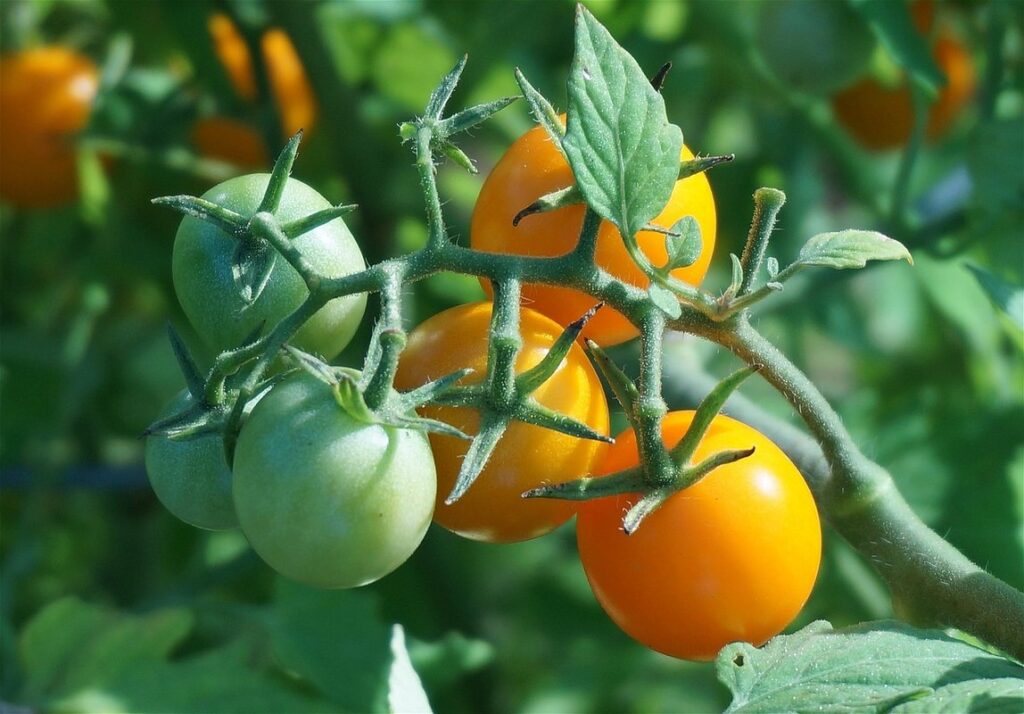
Green tomatoes are a type of unripe tomato that’s picked before it reaches its full color and sweetness. They’re harvested when they’re still green, hard, and slightly bitter. The reason for this is to ensure the tomatoes remain fresh for longer and can be stored without spoilage.
One key characteristic of green tomatoes is their high starch content, which makes them more difficult to ripen than ripe tomatoes. This is because starches need to break down into sugars before the tomato can turn red and become sweet. However, this process can take time, and it’s often quicker to encourage ripening through various methods.
Green tomatoes are commonly used in cooking, especially in dishes like fried green tomatoes or green tomato salsa. They’re also a great candidate for indoor ripening, which we’ll explore further in this guide. If you’ve picked up some green tomatoes from your garden or local market and want to enjoy them at their sweetest, keep reading – we’ve got a comprehensive guide on how to ripen green tomatoes indoors.
The Role of Ethylene in Tomato Ripening
Ethylene plays a crucial role in the ripening process of tomatoes, and understanding its production is essential for successfully ripening green tomatoes indoors. This naturally occurring plant hormone triggers a series of biochemical reactions that lead to the breakdown of cell walls, softening of fruit, and eventual senescence.
Tomato plants produce ethylene through various mechanisms, including stress responses, such as physical damage or changes in temperature and humidity levels. However, it’s not just environmental factors that induce ethylene production – tomatoes also naturally produce this hormone as they mature. As the fruit ripens, the rate of ethylene production increases, leading to an acceleration of the ripening process.
In fact, one tomato can release up to 1 nanogram (ng) of ethylene per hour, which is sufficient to stimulate nearby unripe fruits to start the ripening process. This self-reinforcing mechanism allows tomatoes to efficiently ripen on the vine and reach optimal flavor and texture before falling off due to increased sugar content and softening skin.
As you aim to ripen your green tomatoes indoors, it’s essential to mimic this natural ethylene production by maintaining a warm environment with moderate humidity levels. This will allow your tomatoes to undergo the necessary biochemical changes that lead to ripeness, ensuring they develop their characteristic red color and succulent texture.
Preparing the Environment for Indoor Ripening
Before you can even think about ripening those green tomatoes, it’s essential to create a suitable environment that mimics the natural conditions of a sun-kissed vine. Let’s get your space ready for indoor ripening!
Choosing the Right Location
When selecting a location for indoor ripening, it’s essential to choose a spot that provides optimal temperature and humidity conditions. Ideally, you want an area with a consistent temperature between 65°F to 75°F (18°C to 24°C), as this range promotes healthy tomato growth. Avoid placing your tomatoes near heating or cooling vents, fireplaces, or drafty windows, as these can cause fluctuations in temperature and negatively impact ripening.
A location with high humidity is also crucial for indoor ripening. You can achieve this by placing your tomatoes on a tray filled with water and pebbles or using a humidifier nearby. Aim for a relative humidity of 80% to 90%. A south-facing window is an excellent choice, but ensure it’s shaded during peak sun hours to prevent scorching. East- or west-facing windows are also suitable options. Remember to keep your tomatoes away from direct sunlight, as this can cause uneven ripening and potential damage.
Optimizing Temperature and Humidity Levels
When it comes to ripening green tomatoes indoors, creating an optimal environment is crucial for successful ripening. To achieve this, you’ll want to focus on setting the ideal temperature and humidity levels.
Temperature plays a significant role in the ripening process. Aim for a consistent temperature between 65°F and 70°F (18°C and 21°C). This range allows for slow and even ripening, which is essential for developing optimal flavor and texture. Avoid placing your tomatoes near heating vents or drafty windows, as these can cause temperature fluctuations that may hinder the process.
Humidity levels also require attention. Aim for a relative humidity of 80-90%. You can achieve this by placing the tomatoes in a covered container with moist paper towels or using a humidifier nearby. High humidity helps to prevent water loss from the fruit and promotes even ripening.
To give you an idea, a study found that green tomatoes stored at optimal temperature (around 68°F) and humidity levels (around 85%) showed significant improvement in ripening compared to those stored under non-ideal conditions. By replicating these conditions indoors, you’ll be well on your way to successfully ripening your green tomatoes.
Methods for Inducing Ripening
To ripen green tomatoes indoors, you’ll want to try various methods that mimic the natural process of sun exposure and temperature fluctuations. We’ll explore these techniques in the following section.
Using Paper Bags or Brown Paper Sacks
One of the most popular and effective methods for ripening green tomatoes indoors is using paper bags or brown paper sacks. This method is not only budget-friendly but also produces excellent results. By trapping ethylene gas, a natural ripening agent produced by fruits, these bags help to accelerate the ripening process.
To use this method effectively, start by selecting green tomatoes that are heavy for their size and have no signs of rot or damage. Next, place 2-3 tomatoes in a paper bag, leaving some space between each fruit for even ripening. You can also add an apple or banana to the bag as these fruits emit high levels of ethylene gas, further speeding up the process.
Seal the bag by folding it over several times and secure with tape. Place the bag in a warm, dark location, such as a pantry or cupboard. Check on the tomatoes every day, and once they’re ripe, transfer them to a cooler area to slow down further ripening.
By following this simple method, you can enjoy deliciously ripe green tomatoes indoors even during off-seasons or when fresh produce is scarce.
The Use of Ethylene-Producing Fruits and Vegetables
You can also use certain fruits and vegetables that produce ethylene gas naturally to speed up the ripening process. Apples and bananas are two popular options for this method. Place them near your green tomatoes, as the ethylene gas they emit will stimulate your tomatoes’ natural ripening process.
For example, you can leave a few apples or bananas on the countertop where you have placed the green tomatoes. The ethylene gas produced by these fruits will travel to the tomatoes and encourage them to ripen faster. This method is especially helpful when you’re trying to ripen a large quantity of green tomatoes at once.
The ideal scenario is to place the fruit directly next to the tomatoes, but if that’s not possible, simply leaving them in the same room can still have an effect. Remember to keep an eye on your tomatoes’ color and texture changes as they ripen. You might be surprised by how quickly they’ll turn red or develop their characteristic flavors once exposed to the ethylene gas from these fruits.
Monitoring and Maintaining Optimal Conditions
To ensure a successful ripening process, it’s essential to monitor temperature, humidity, and air circulation levels within your indoor space carefully. This delicate balance will help you achieve optimal results.
Checking for Ripeness Regularly
Regular checks for softness, color change, and stem looseness are essential to determine if your green tomatoes are ripe. To assess ripeness, gently squeeze the tomato; a ripe one will yield slightly to pressure but still feel firm. Be cautious not to press too hard, as this can cause bruising.
Observe the color of the tomato closely. A ripe green tomato will start to turn yellow or red around the stem area, depending on the variety. However, some tomatoes may retain their green skin even when fully ripe. Consider the expected ripening time and the specific characteristics of your plant’s fruit.
Check the stem by gently tugging on it. If the stem comes off easily, the tomato is likely overripe. For optimal flavor and texture, harvest green tomatoes before the stem starts to loosen excessively. Monitor your tomatoes daily for these signs, as ripeness can progress rapidly indoors. By performing regular checks, you’ll be able to catch the precise moment when your green tomatoes are ready for consumption or further processing.
Managing Temperature and Humidity Fluctuations
When working with green tomatoes indoors, it’s not uncommon for temperature and humidity levels to fluctuate. This can affect the ripening process, causing delays or even spoilage. To manage these fluctuations, you’ll need to be adaptable and make some adjustments to your environment.
Firstly, ensure that your indoor space has a consistent temperature between 65°F to 75°F (18°C to 24°C). Avoid placing your tomatoes near drafty windows, radiators, or air conditioning vents, as sudden changes can cause them to develop uneven ripening patterns. For optimal results, maintain a humidity level of around 70-80%. You can achieve this by placing the tomatoes on a tray filled with water and pebbles, or using a humidifier specifically designed for indoor plants.
If your space is prone to temperature drops, consider investing in a heating mat or a thermal blanket. These can help maintain a consistent temperature, even in areas with minimal insulation. Regularly monitoring the temperature and humidity levels will also enable you to make necessary adjustments as needed. This proactive approach will help ensure that your green tomatoes ripen evenly and at the right pace.
Troubleshooting Common Issues and Challenges
We’ve all been there: your tomatoes just won’t ripen, despite trying every trick in the book. This section will address common issues and provide practical solutions to get you back on track.
Insufficient Ethylene Production
When green tomatoes aren’t producing enough ethylene, it can hinder the ripening process. Ethylene is a natural gas that promotes fruit ripening, so you’ll want to find alternative ways to encourage ripening. One solution is to increase exposure to other fruits that produce more ethylene, such as bananas or apples.
To do this, place them near your green tomatoes in a paper bag with some small holes for ventilation. This will help trap the ethylene gas produced by these fruits and transfer it to the green tomatoes. Another option is to adjust your environment’s temperature, humidity, and light exposure.
For instance, moving your tomatoes to a warmer location can stimulate ethylene production, as many fruits produce more ethylene at temperatures between 65°F and 75°F (18°C and 24°C). Similarly, maintaining high humidity around the fruit will prevent moisture loss and promote ripening. Experiment with these methods to determine what works best for your specific situation.
Delayed Ripening or Failure to Ripen
When it comes to ripening green tomatoes indoors, there are times when you may encounter issues with delayed ripening or failure to ripen altogether. Don’t worry; this is a common problem that can be resolved by understanding the potential causes and implementing some troubleshooting strategies.
In most cases, delayed ripening or failure to ripen is due to inadequate temperatures, humidity levels, or exposure to light. Ensure your indoor environment provides the optimal conditions for ripening green tomatoes. Maintain a temperature range of 65°F to 70°F (18°C to 21°C) and relative humidity of 80% to 90%. Avoid placing them near drafty windows, radiators, or air conditioning vents.
Another possible cause is over-handling or physical stress on the fruit. Handle green tomatoes gently to prevent bruising or breaking their skin. This can initiate the ripening process by releasing ethylene gas and triggering the breakdown of cell walls.
Check for any signs of spoilage, such as mold, slime, or soft spots, which can also cause failure to ripen. If you notice any of these symptoms, it’s best to discard the affected fruit to prevent further spread of decay.
Monitor your green tomatoes regularly for any changes in color, texture, and smell. By doing so, you’ll be able to catch any issues early on and take corrective action to ensure they continue to ripen properly.
Safety Precautions and Best Practices
When ripening green tomatoes indoors, it’s essential to follow some basic safety precautions to avoid accidents and ensure a successful outcome for your fruit. Be sure to also review our best practices for optimal results.
Handling Green Tomatoes Safely
When handling green tomatoes, it’s essential to be gentle and careful to prevent damage that can affect their ripening process. Bruising, mold, and other forms of damage can lead to uneven ripening or even render the tomato unusable.
To avoid bruising, handle green tomatoes by their stems whenever possible, rather than grasping them by hand. This will help reduce the pressure on the delicate fruit. When transferring tomatoes from one container to another, use a gentle lifting motion and avoid dropping them.
Mold can be a significant issue with green tomatoes, especially if they’re stored in a humid environment or exposed to moisture. To prevent mold, keep your green tomatoes away from direct sunlight and heat sources. Store them in a well-ventilated area with moderate temperatures between 60°F to 70°F (15°C to 21°C).
Regularly inspect your green tomatoes for signs of mold or rot. Remove any affected areas promptly to prevent the spread of mold to other fruits. By handling green tomatoes carefully and maintaining a clean storage environment, you can ensure they ripen safely indoors.
Post-Ripening Care and Storage
Once you’ve successfully ripened your green tomatoes indoors, it’s essential to store them properly to maintain their freshness and flavor. When storing ripe tomatoes, the goal is to create an environment that simulates the conditions found on the vine. To do this, you’ll want to focus on maintaining optimal temperature and humidity levels.
Temperature plays a crucial role in preserving the ripened state of your green tomatoes. Store them at room temperature (around 65-70°F) away from direct sunlight. Avoid placing them near heating vents or radiators, as sudden temperature fluctuations can cause spoilage. If you plan to store ripe tomatoes for an extended period, consider maintaining a consistent refrigerator temperature between 39-41°F.
Maintaining optimal humidity levels is equally important. Store your ripe tomatoes in a breathable container, such as a paper bag or mesh bag, allowing for airflow and preventing moisture buildup. Avoid storing them directly on the kitchen counter, especially if it’s near a sink or cooking area where humidity tends to be higher. By following these storage tips, you can enjoy your ripened green tomatoes for up to 5-7 days while preserving their flavor and texture.
Frequently Asked Questions
How long does it take for green tomatoes to ripen indoors?
The time it takes for green tomatoes to ripen indoors can vary depending on factors such as the stage of ripeness, environmental conditions, and specific techniques used. Generally, you can expect to wait anywhere from 3 to 7 days for noticeable color changes. Monitor your tomatoes regularly by checking their color, texture, and aroma.
What if my green tomatoes are not producing enough ethylene gas?
Inadequate ethylene production is a common issue when trying to ripen green tomatoes indoors. To overcome this challenge, try placing them near other fruits or vegetables that naturally produce more ethylene, such as bananas or apples. This can stimulate the production of ethylene and accelerate the ripening process.
How do I maintain optimal temperature and humidity levels for indoor ripening?
Maintaining a consistent environment is crucial when trying to ripen green tomatoes indoors. Ensure your location has temperatures between 65°F to 75°F (18°C to 24°C) and relative humidity levels of 60% to 70%. Avoid placing your tomatoes near drafts, air conditioning vents, or heating sources that can disrupt the delicate balance.
Can I use fans to speed up the ripening process?
Using fans can have both positive and negative effects on indoor ripening. While they can improve air circulation and promote ethylene gas distribution, they can also dry out the skin of your tomatoes if set too close. Monitor your tomatoes closely and adjust fan placement as needed to prevent drying.
How do I handle green tomatoes that don’t ripen after trying various methods?
Not all green tomatoes will respond well to indoor ripening techniques. If you’ve tried multiple methods without success, it might be best to store them in the refrigerator to slow down spoilage. Some varieties of tomatoes are naturally more resistant to ripening, so consider this when selecting future harvests.