
Pruning your tomato plants can be a daunting task, especially if you’re new to gardening. But don’t worry, with our step-by-step guide, you’ll learn how to prune like a pro in no time! Pruning is an essential part of tomato plant care that helps promote healthy growth, increases yields, and prevents diseases from taking hold. By learning the right techniques, you can avoid common mistakes that might harm your plants. In this article, we’ll walk you through the benefits of pruning, share expert tips for successful pruning, and show you how to prune your tomato plants step by step with photo guides. Whether you’re a seasoned gardener or just starting out, our guide will have you pruning like a pro in no time, resulting in bigger, healthier tomatoes all season long!
Understanding the Importance of Pruning
Pruning is a crucial step in growing healthy and productive tomato plants, as it promotes bushy growth, increases fruiting, and prevents disease. Let’s dive into why pruning matters for your tomatoes.
Benefits of Pruning Tomato Plants
Pruning tomato plants is an essential task that has numerous benefits for their growth and productivity. One of the primary advantages of pruning is that it promotes healthy growth by removing weak and diseased branches, allowing the plant to focus its energy on producing high-quality fruit. This process also increases air circulation around the plant, reducing the risk of fungal diseases like powdery mildew.
Proper pruning techniques can lead to a significant increase in fruit production. By pruning the tips of the main stems, you encourage the plant to produce more lateral shoots, which will eventually become new fruiting branches. This not only increases the overall yield but also leads to larger and more flavorful tomatoes.
Regular pruning also helps prevent disease by removing any infected areas before they can spread. It’s essential to prune your tomato plants regularly throughout their growing season to maintain their health and promote optimal growth. By incorporating pruning into your gardening routine, you’ll be rewarded with a bountiful harvest of delicious and healthy tomatoes.
Common Mistakes to Avoid When Pruning
When pruning tomato plants, it’s easy to get caught up in the process and make mistakes that can harm your crop. One common error beginners make is over-pruning. This means removing too much of the plant’s foliage, which can stress the plant and reduce fruit production. On the other hand, under-pruning is also a problem – if you don’t prune enough, the plant may become leggy and produce fewer tomatoes.
To avoid these mistakes, start by removing any weak or spindly growth, as well as any branches that are growing inward towards the center of the plant. Then, focus on shaping the plant to encourage horizontal growth and promote even fruiting. Don’t be afraid to remove up to one-third of the plant’s foliage at a time – this will help it recover quickly and prevent disease.
Some other common mistakes include pruning too late in the season, which can reduce fruit production, or not pruning at all, which can lead to diseased or damaged plants. By being mindful of these potential pitfalls, you can prune your tomato plants like a pro and enjoy a bountiful harvest.
Preparing for Pruning
Before you start pruning, let’s get your tomato plants ready for the job. This essential step ensures a healthy and productive harvest by removing weak growth and promoting air circulation.
Choosing the Right Tools
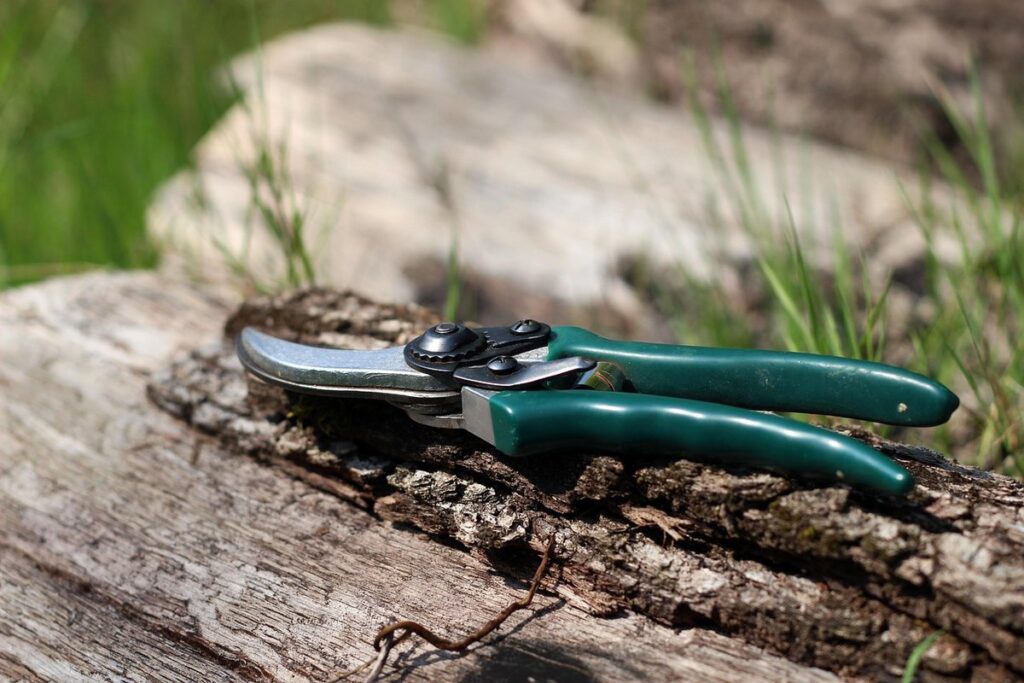
To prune tomato plants effectively, you’ll need to have the right tools for the job. Hand pruners are an essential starting point – look for a pair with sharp blades and comfortable grip handles. They’re perfect for snipping off individual leaves or stems that are getting in the way.
Next up are loppers, which come into play when tackling thicker branches. Choose a pair with long handles to give you leverage and reach those harder-to-access areas. Be sure to select loppers specifically designed for gardening, as they’ll have curved blades ideal for pruning plants.
If you’re dealing with particularly stubborn or overgrown stems, a sharp knife can be your best friend. Make sure it’s dedicated solely to garden use – you wouldn’t want any residual chemicals getting into your soil! When using a knife, be precise and take small cuts to avoid damaging the plant.
Before you start pruning, give your tools a quick clean with soap and water to prevent the spread of diseases.
Inspecting Your Tomato Plants Before Pruning
Before you start pruning your tomato plants, it’s essential to inspect them thoroughly for any signs of pests or diseases. This step is crucial to prevent the spread of infections and ensure a healthy harvest. Start by examining the leaves, stems, and fruit for any visible damage or discoloration.
Check for pests like aphids, whiteflies, or hornworms, which can cause significant damage if left unchecked. Look for tiny eggs, holes in leaves, or actual insects on the plant. You can also gently shake a branch over a white sheet to trap any loose insects.
Diseases like powdery mildew, fungal infections, or bacterial spot can be more challenging to detect but are just as critical to address. Check for yellowing or curling leaves, black spots, or white powdery patches on the stems and leaves. If you’re unsure about what you’re seeing, consult a gardening expert or your local nursery for guidance.
Inspecting your plants before pruning will help you make informed decisions during the pruning process, ensuring that you’re not inadvertently spreading disease or leaving behind damaged areas that can lead to future problems.
Step-by-Step Pruning Process
To prune your tomato plants effectively, let’s break down the process into manageable steps. Follow along with these easy-to-follow instructions and photos.
Removing Suckers
Removing suckers from the base of your tomato plant is an essential step in promoting healthy growth and preventing disease. To identify a sucker, look for any shoots that emerge from the leaf axils near the soil line. These shoots will have their own set of leaves and may appear to be growing vigorously.
When you spot a sucker, cut it off at the base using a pair of clean pruning shears or scissors. Make sure to make a clean cut just above a node (where a leaf meets the stem), as this will help prevent any infection from entering the plant through the wound. Cut the sucker as close to the node as possible, but don’t crush the stem with your pruning tool.
Removing suckers will not only improve air circulation around the plant but also direct more energy towards fruit production. Regularly inspecting your plant and removing any new suckers that emerge will help maintain its overall health and productivity. By doing so, you’ll be rewarded with a more robust and productive tomato plant.
Removing Lower Leaves and Branches
When pruning tomato plants, it’s essential to remove lower leaves and branches that are not producing fruit. These weak and unproductive growths can hinder the plant’s ability to focus energy on the fruiting sites, leading to reduced yields.
Start by examining the lower third of the plant. Remove any leaves or branches that are within 6-8 inches of the soil surface. This includes any weak or spindly growths that are not producing flowers or fruit. Use your pruning shears to cut these off at a 45-degree angle, making sure not to damage the stem.
When removing lower branches, consider the plant’s overall structure. Look for any that are crossing over or rubbing against each other, and remove them to maintain air circulation and prevent disease. This will also help promote even growth and encourage the plant to produce more fruiting sites.
By removing these unproductive growths, you’ll be giving your tomato plant a boost in terms of energy and resources. This will result in healthier plants with more robust yields.
Reducing Stem Height and Promoting Air Circulation
As you prune your tomato plants, it’s essential to consider two crucial factors: reducing stem height and promoting air circulation. A well-pruned plant not only looks better but also grows healthier and more productive.
When stems grow too long, they can become weak and prone to disease. To reduce stem height, cut back the longest stems by about one-third to one-half. This will encourage the plant to produce more fruiting branches, which are shorter and stronger. You can use the pruned sections as a “stake” for supporting your plant, especially if you’re growing indeterminate varieties.
To promote air circulation, remove any weak or spindly growth from the center of the plant. This will help prevent fungal diseases like septoria leaf spot, which thrive in humid conditions. You can also gently tie some of the stems together to create a more open structure, allowing air to circulate freely around the plant.
By pruning your tomato plants regularly, you’ll not only reduce stem height but also promote healthy growth and encourage your plants to produce an abundance of delicious fruit.
Pruning Techniques for Specific Tomato Plant Varieties
Now that you’ve learned the general pruning techniques, let’s dive into some specific tips for popular tomato varieties like Cherry Tomatoes and Beefsteak Tomatoes.
Indeterminate vs Determinate Tomatoes
When it comes to pruning tomato plants, one of the most crucial considerations is the type of tomato variety you’re growing. There are two main types: indeterminate and determinate tomatoes, each with its own unique growth habits and pruning requirements.
Indeterminate tomatoes are vining varieties that will continue to grow and produce fruit throughout the season. They require regular pruning to encourage vertical growth, promote air circulation, and prevent disease. For example, you’ll want to remove lower leaves to prevent soil-borne diseases from splashing up onto the plant, and train the main stem upwards using tomato clips or twine.
Determinate tomatoes, on the other hand, are bush varieties that grow to a certain height and then stop producing new growth. They require less pruning than indeterminate varieties, but still need some maintenance to promote fruiting and prevent disease. When pruning determinate tomatoes, focus on removing any weak or spindly growth, as well as any leaves that may be shading the fruit.
When choosing between these two types of tomato varieties, it’s essential to consider your specific growing conditions, available space, and desired level of maintenance.
Special Considerations for Cherry Tomatoes
When it comes to cherry tomato plants, pruning is crucial for promoting more fruit production and maintaining the plant’s overall health. Unlike larger tomato varieties, cherry tomatoes tend to produce fruit all along their stems, rather than just at the top. This means that you’ll want to focus on encouraging horizontal growth, which will help your plant produce even more delicious cherry tomatoes.
To do this, prune your cherry tomato plant by removing any weak or spindly growth from the lower portions of the plant. This will direct the plant’s energy towards producing fruiting branches higher up. You can also remove any suckers (shoots that grow between the main stem and a branch) to promote better air circulation and prevent disease.
Another key tip is to prune your cherry tomato plant more frequently, as they tend to produce new growth quickly. Prune every 7-10 days during the growing season to encourage an abundance of fruiting branches. By following these tips, you’ll be able to enjoy a bountiful harvest of delicious cherry tomatoes from your pruned plant.
Post-Pruning Care
Now that you’ve pruned your tomato plants, it’s time to focus on their post-pruning care. Proper after-care will ensure a healthy and thriving plant throughout its growing season.
Watering After Pruning
Watering your tomato plants after pruning is essential to promote healthy growth and prevent shock. Pruning can cause stress on your plant, making it more susceptible to disease and pests. Adequate watering helps the plant recover quickly and encourages new growth.
When watering after pruning, make sure to check the soil moisture by inserting your finger into the soil up to the first knuckle. If the soil feels dry, it’s time to water. Water thoroughly, providing about 1-2 gallons of water per plant, depending on its size and climate.
It’s also crucial to avoid overwatering, which can lead to root rot and other problems. Check the weather forecast to ensure you’re not watering during a period of heavy rainfall or extreme heat. Mulching around the base of your plants can help retain moisture in the soil and reduce evaporation.
Keep an eye on your plant’s response to pruning and adjust your watering schedule accordingly. If you notice signs of stress, such as yellowing leaves or droopy stems, increase the frequency of watering. With proper care, your tomato plant will thrive after pruning.
Monitoring Plant Health After Pruning
After pruning your tomato plants, it’s essential to monitor their health closely. Pruning can be stressful for plants, and they may exhibit signs of stress or potential issues that need attention.
Look out for yellowing leaves, wilted stems, or a sudden drop in fruit production. These symptoms could indicate over-pruning, which can shock the plant and impact its ability to produce fruit. To mitigate this risk, prune only what’s necessary, and avoid removing too much foliage at once.
Other potential issues that may arise after pruning include fungal diseases, such as powdery mildew or septoria leaf spot. These diseases thrive in moist environments and can spread quickly through the plant. Regularly inspect your plants for signs of infection, such as white powder on leaves or yellow spots.
To maintain healthy plants, ensure good air circulation around them by providing sufficient space between rows and removing any weeds that may compete for water and nutrients. Keep an eye out for pests like aphids, hornworms, and whiteflies, which can spread diseases or directly damage the plant’s growth. By monitoring your plants regularly, you’ll be able to catch any issues early on and take corrective action before they become more serious problems.
Tips for Successful Pruning
Now that you’ve mastered the basic pruning techniques, let’s dive into some valuable tips to help you achieve optimal results and a bountiful harvest from your tomato plants.
Timing Your Pruning Sessions
When it comes to pruning tomato plants, timing is everything. You want to prune at the right moment to maximize growth and production, without causing unnecessary stress to the plant.
First, consider the weather. Prune your tomatoes during a period of mild weather, avoiding extreme temperatures or sudden changes in temperature. This will help prevent shock to the plant. In most regions, late spring to early summer is an ideal time for pruning tomato plants.
Another crucial factor is the growth stage of the plant. You’ll want to prune when the plant has reached about 12-18 inches tall and has two sets of true leaves. Prune in the morning or afternoon when the sun isn’t too intense, making it easier to see what you’re doing. By pruning at this stage, you’ll encourage bushy growth and promote fruiting branches.
Remember that pruning at different stages can have varying effects on your plants. For example, pruning during the vegetative growth phase (before flowers appear) encourages branching and root development. Pruning during the reproductive phase (after flowers appear) promotes fruit production. By timing your pruning sessions correctly, you’ll be well on your way to a healthy and productive tomato plant.
Maintaining Consistency with Pruning Schedule
Maintaining consistency when pruning tomato plants is crucial for promoting healthy growth and maximizing yields. To achieve this, create a pruning schedule that outlines specific dates for each pruning task. For example, you can prune your tomato plant once a month during the growing season to control its size and encourage bushy growth.
To ensure consistency in pruning, it’s essential to observe and track your plant’s response to pruning. Take note of how quickly new growth occurs and adjust your pruning schedule accordingly. Be flexible with your schedule, as weather conditions or pest/disease issues may require more frequent pruning.
For instance, if you’re growing indeterminate tomato varieties, prune them more frequently than determinate ones. Prune 2-3 inches off the top set of leaves to control height and encourage branching. Make sure to also remove any weak or damaged growth throughout the season to prevent disease from spreading. By following a consistent pruning schedule, you’ll be able to monitor your plant’s progress and make adjustments as needed to promote optimal growth and fruiting.
Frequently Asked Questions
Can I Prune My Tomato Plants If They’re Already Producing Fruits?
Yes, you can still prune your tomato plants even after they’ve started producing fruits. In fact, pruning at this stage can help increase yields and promote healthy growth. Just be careful not to remove any branches that have already produced fruit.
How Often Should I Prune My Tomato Plants for Optimal Results?
The frequency of pruning depends on the specific needs of your plants. As a general rule, prune your tomato plants every 7-10 days during the growing season to maintain their shape and promote healthy growth. However, if you notice any signs of disease or pests, prune more frequently to prevent further damage.
Can I Use Regular Garden Shears for Pruning Tomato Plants?
No, it’s best to use a pair of sharp, clean pruning shears specifically designed for gardening. These shears will help you make precise cuts and reduce the risk of spreading diseases from one plant to another. Additionally, using the right tools will ensure that your cuts are clean and promote healthy healing.
What if I’m Pruning My Tomato Plants at the Wrong Time? Will it Harm Them?
While pruning at the wrong time may not immediately harm your plants, it can lead to reduced yields or even plant stress in the long run. If you’re unsure about when to prune, wait for a period of active growth (when new leaves and stems are developing) to ensure that your plants can recover quickly from any pruning.
How Do I Know When My Tomato Plants Have Had Enough Pruning?
You’ll know that your tomato plants have had enough pruning when they start to show signs of stress or fatigue. Look for symptoms like yellowing leaves, reduced growth rates, or an overall decline in plant health. At this point, it’s best to give your plants a break and let them recover before resuming any further pruning activities.