
Pruning your rose bushes can be a daunting task, but with the right techniques, you’ll be rewarded with lush greenery, vibrant blooms, and even more flowers throughout the growing season. If you’re new to gardening or just need a refresher on how to properly prune your roses, this article is for you. Pruning isn’t just about cutting back overgrown branches; it’s an art that requires timing, skill, and knowledge of specific care requirements for different types of roses. From when to prune (hint: it’s not always in the dead of winter!) to choosing the right tools for the job, we’ll walk you through the essential techniques to promote healthy growth, encourage repeat blooms, and keep your rose bushes looking their absolute best.
Pre-Pruning Considerations
Before you start pruning, take a moment to assess your rose bush‘s condition and consider factors that may impact its health during and after pruning. This will help you make informed decisions about when and how to prune.
Choosing the Right Time
When it comes to pruning rose bushes, timing is everything. The best time to prune your roses depends on several factors, including climate, season, and plant health.
In regions with warm winters, you can prune your rose bushes at almost any time of the year, except during the active growth phase in spring or summer. However, in areas with cold winters, it’s essential to wait until late winter or early spring when new growth begins. Pruning too early in these climates can stimulate new growth that may be damaged by frost.
Observe your rose bush’s condition before pruning. If it’s showing signs of disease or pests, it’s best to delay pruning until the issue is resolved. Additionally, consider the plant’s age and vigor. Younger plants may require more frequent pruning to maintain their shape and promote healthy growth.
To determine the optimal pruning time for your rose bushes, take note of your local climate and weather patterns. In general, it’s best to prune roses when they are dormant or in a period of slow growth. This allows you to make clean cuts and minimize stress on the plant.
Inspecting the Plant
Before you start pruning your rose bushes, it’s essential to inspect them carefully. This step is often overlooked, but it can save you a lot of trouble and ensure that your plants stay healthy and thrive. As you examine the bush, look for signs of pests or diseases that may require attention before you begin pruning.
Some common issues to watch out for include aphids, whiteflies, and spider mites, which can cause damage to leaves and flowers. Check for eggs, larvae, or actual insects on the stems, leaves, or undersides of leaves. Also, inspect for signs of diseases like black spot, powdery mildew, or rust, which can cause yellowing or browning of leaves.
If you notice any problems, don’t delay in addressing them. Use insecticidal soap or neem oil to control pests, and treat fungal diseases with fungicides specifically designed for roses. This will help prevent the issue from spreading and reduce the risk of further damage during pruning. By inspecting your rose bushes carefully before pruning, you’ll be able to tackle any problems head-on and ensure a successful pruning process.
Pruning Techniques
When pruning rose bushes, it’s essential to know when and how to cut, as well as which tools are best for the job. We’ll cover these techniques in detail below.
Basic Pruning Tools
When it comes to pruning rose bushes, having the right tools for the job can make all the difference. As you begin to tackle the task of pruning your roses, it’s essential to have a few basic tools on hand.
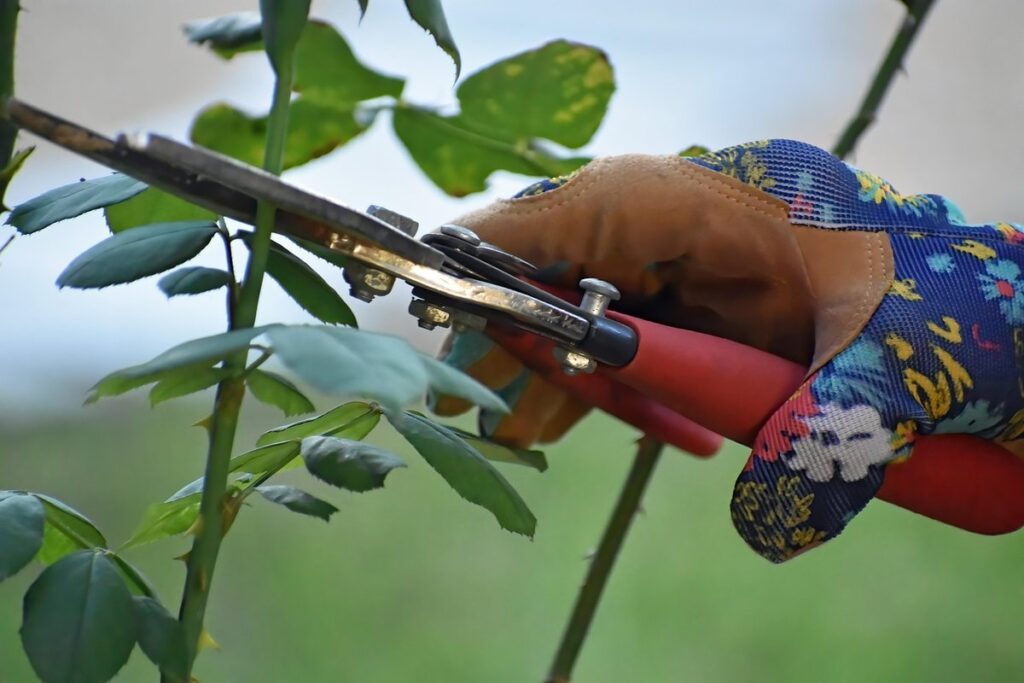
First and foremost, you’ll need a good pair of pruning shears or clippers. These are designed specifically for cutting through thicker branches and stems, making them perfect for rose pruning. Look for shears with sharp blades and comfortable grips – this will make the task much easier on your hands.
Next up are loppers, which come in handy when you need to cut larger branches or those that are a bit too thick for your shears. These long-handled scissors can also be used to reach higher branches without needing a ladder. Lastly, don’t forget about gardening gloves – these will protect your hands from thorns and make the pruning process much more comfortable.
In terms of specific brands, look for ones with high-carbon steel blades that resist rust and corrosion. Some popular options include Felco and Fiskars.
Removing Deadwood
When pruning rose bushes, it’s essential to remove dead, diseased, or damaged branches, also known as “deadwood.” This process is crucial for maintaining the health and appearance of your rose bush. Deadwood can be a breeding ground for diseases and pests, which can quickly spread throughout the plant.
To identify deadwood, look for branches that are brittle, dry, or show signs of decay. You can check by gently tugging on the branch; if it comes off easily, it’s likely dead. Remove any dead branches at their base, making a clean cut just above a growth node (where a leaf meets the stem). Cut at a 45-degree angle to prevent water from collecting and promoting rot.
Cut out diseased or damaged branches as well, taking care not to spread diseases like black spot or powdery mildew. Disinfect your pruning tools between cuts, and consider disposing of any debris in sealed bags to prevent the spread of disease.
Shaping the Bush
Shaping the rose bush to maintain its desired form and promote healthy growth is an essential part of pruning. This process involves cutting back branches to encourage new growth, remove dead or diseased wood, and control the overall shape of the plant.
To start, take a step back and evaluate the rose bush’s current shape. Consider what you want it to look like – do you want a compact shrub or a more open, flowering habit? Identify any branches that are crossing over or growing inwards, which can cause damage or rub against each other. Cut these branches back to about one-third of their length, using clean and sharp pruning tools.
Next, consider removing any weak or spindly growth, as well as any dead or diseased wood. This will help prevent the spread of disease and encourage healthy new growth. Finally, thin out some of the stems on the outside of the bush to allow more sunlight to reach the center, promoting even growth and blooming.
By following these steps, you can shape your rose bush into a beautiful and thriving specimen that will provide years of enjoyment.
Pruning for Specific Rose Types
As you prune different types of rose bushes, keep in mind that specific techniques apply to certain varieties, such as hybrid teas and climbing roses. Each requires a unique approach to ensure healthy growth and optimal blooming.
Hybrid Tea and Floribunda Roses
Hybrid Tea and Floribunda roses are two of the most popular rose varieties, known for their large, showy blooms. However, they have distinct growth habits that require specialized pruning techniques to maintain their health and encourage blooming.
One key aspect to keep in mind when pruning Hybrid Tea and Floribunda roses is their tendency to grow quite tall – up to 6 feet or more in some cases. This means you’ll need to prune them regularly to control height and promote bushy growth. Remove any dead, diseased, or damaged canes at ground level to prevent the spread of disease and encourage new growth.
To maintain a strong, balanced shape, cut back about one-third of the longest stems in late winter or early spring. This will help direct energy towards producing more blooms rather than vegetative growth. For Floribunda roses, which tend to produce more clusters of blooms, you can prune them lightly in summer after they’ve finished blooming to encourage a second flush.
By following these pruning tips, you’ll be able to coax the best performance out of your Hybrid Tea and Floribunda roses, enjoying months of vibrant blooms and a lush, healthy plant.
Climbing Roses and Ramblers
When it comes to pruning climbing roses and ramblers, it’s essential to adopt a slightly different approach than with other rose types. These varieties are bred for their ability to grow up trellises, arbors, and pergolas, so you’ll want to focus on promoting vigorous growth and maximizing blooming potential.
To begin, prune your climbing roses in late winter or early spring, removing any dead, diseased, or damaged wood. Cut back the previous year’s stems by about one-third to encourage new growth. For ramblers, which often have a more sprawling habit, focus on cutting back longer canes to about 3-4 feet from the ground.
When pruning climbing roses and ramblers, make clean cuts just above a bud eye (the small swellings where new shoots emerge), using sharp, sterile pruners to prevent spreading disease. By adopting this specialized approach, you’ll be rewarded with a lush, flowering display that will cascade beautifully over your garden structure. Regular maintenance throughout the growing season will also help keep these varieties under control and encourage repeat blooming.
Advanced Pruning Techniques
Now that you’ve mastered the basics of rose pruning, let’s dive into some more advanced techniques to take your gardening skills to the next level.
Espalier and Topiary Rose Bushes
Pruning rose bushes for espalier and topiary designs requires careful consideration of shape, size, and growth habit. Espalier pruning involves training the bush to grow against a wall or trellis, creating a beautiful display of flowers and foliage. This technique is particularly well-suited for compact or dwarf rose varieties that produce an abundance of blooms.
To create an espalier design, begin by selecting a location with sufficient sunlight and space for the rose bush to grow. Prune the bush back to about 12-18 inches from the ground in late winter or early spring, removing any dead or damaged stems. Then, using a series of gentle curves, train the remaining canes against the wall or trellis.
For topiary designs, focus on creating a more formal, spherical shape. Start by pruning the bush to maintain a central leader and remove any weak or spindly growth. Use a sharp pair of shears to shape the bush into a rounded form, working from the bottom up to avoid damaging the delicate branches. Regular maintenance will help maintain the desired shape and promote healthy growth.
Encouraging Repeat Blooms
When you want to encourage repeat blooms on your rose bushes, it’s essential to prune them at the right time and with a focus on promoting healthy growth. To achieve this, make sure to remove about one-third of the old canes during late winter or early spring pruning. This will not only improve air circulation but also direct the plant’s energy towards producing new blooms.
During summer months when your rose bushes are actively growing, inspect them regularly for weak and damaged stems. Remove any branches that show signs of disease, pests, or damage to prevent further spread and promote healthy growth. By doing this, you’ll encourage the bush to focus its resources on producing more flowers.
Another crucial aspect is deadheading – removing spent blooms after they’ve faded. This will not only enhance the appearance but also stimulate your rose bushes to produce new flowers throughout the growing season. Simply snip off the old bloom at the base of the stem, leaving about one-quarter inch of stem intact.
After-Pruning Care
Now that you’ve pruned your rose bushes, it’s essential to provide them with the right care to promote healthy growth and encourage new blooms. This involves some simple yet crucial steps, which we’ll cover next.
Watering and Mulching
After pruning your rose bushes, it’s essential to provide them with proper care to support their recovery and promote healthy growth. Watering is a critical aspect of after-pruning care. Immediately after pruning, roses need plenty of water to replenish lost moisture and help the plant recover from the stress of pruning.
Water your rose bushes deeply, ensuring the soil is moist but not waterlogged. This will encourage new growth and prevent the plant from going into shock. If you live in a dry climate or experience low rainfall, consider installing a drip irrigation system or soaker hose to deliver water directly to the roots.
Mulching around the base of your rose bushes also plays a significant role in maintaining their health. Apply a 2-3 inch layer of organic mulch, such as wood chips or bark, to retain moisture and suppress weeds. As the mulch breaks down, it will add nutrients to the soil, promoting healthy growth and disease resistance.
Keep the area around your rose bushes free from debris and weeds, which can compete with the plant for water and nutrients. Regularly inspect the mulch layer to ensure it’s not too deep or compacted, allowing air and water to reach the roots.
Fertilization and Pest Management
After pruning your rose bushes, it’s essential to provide them with the right nutrients and protection from pests. Fertilizing your roses at this stage will promote new growth and help them recover from the pruning process. Choose a balanced fertilizer that contains nitrogen, phosphorus, and potassium (NPK), and follow the manufacturer’s instructions for application rates.
As your rose bushes grow back, they may attract unwanted pests like aphids, whiteflies, or spider mites. To prevent infestations, inspect your plants regularly and look for signs of damage, such as curled or distorted leaves. If you notice any issues, treat your roses with insecticidal soap or neem oil, following the product’s instructions.
Additionally, consider using organic methods to control pests, like introducing beneficial insects that prey on pest populations. For example, attracting ladybugs and lacewings can help control aphid populations. By taking these extra steps, you’ll be able to keep your rose bushes healthy and thriving throughout the growing season.
Frequently Asked Questions
What if I forget to prune my rose bushes at the right time, and new growth has already started?
Don’t worry! While pruning too early can lead to disease and pest issues, it’s not a deal-breaker. Prune your rose bushes as soon as possible after noticing new growth, but keep in mind that you might lose some flowers for the current season. Be sure to disinfect your tools between cuts and remove any affected areas to prevent spreading disease.
Can I use regular garden shears or loppers on my rose bushes?
While it’s tempting to use what you already have, regular garden shears and loppers can be too dull and might crush delicate rose stems. Invest in a good pair of pruning shears specifically designed for roses, which are typically curved and have sharp blades. This will help prevent damage and promote healthy growth.
How do I know if my rose bush is getting enough water after pruning?
Adequate watering is crucial during the first few weeks after pruning. Check your soil moisture by inserting a finger into the soil up to the knuckle, or use a soil probe. Water thoroughly when the top 2-3 inches of soil feel dry. Be cautious not to overwater, as this can lead to root rot and other issues.
What if I accidentally cut off an important branch while pruning?
Don’t panic! If you accidentally remove a crucial branch, assess the damage carefully. If it’s just a small piece that can be easily propagated or grafted, consider taking a cutting from the parent plant. Alternatively, research the specific rose type and prune back new growth to encourage bushy development.
Can I use pruning techniques for other types of plants on my rose bushes?
While some general principles apply across various plants, rose bushes have unique needs. Be cautious not to over-prune or cut too much at once, as this can shock the plant. Stick to the recommended techniques and timing specific to your rose variety to avoid damaging the bush.