
Pruning your grape vines is an essential task that can make all the difference in their health, productivity, and overall well-being. Not only does proper pruning promote healthy growth, but it also increases yields and helps prevent disease from taking hold. However, pruning grape vines can be a daunting task for many gardeners, especially if they’re new to viticulture.
In this article, we’ll break down the essential techniques you need to know to prune your grape vines like a pro. We’ll cover the best time to prune, the tools you’ll need, and some post-pruning care tips to ensure your vines thrive after pruning. Whether you’re a seasoned winemaker or just starting out, our guide will walk you through everything you need to know about pruning your grape vines for optimal results.
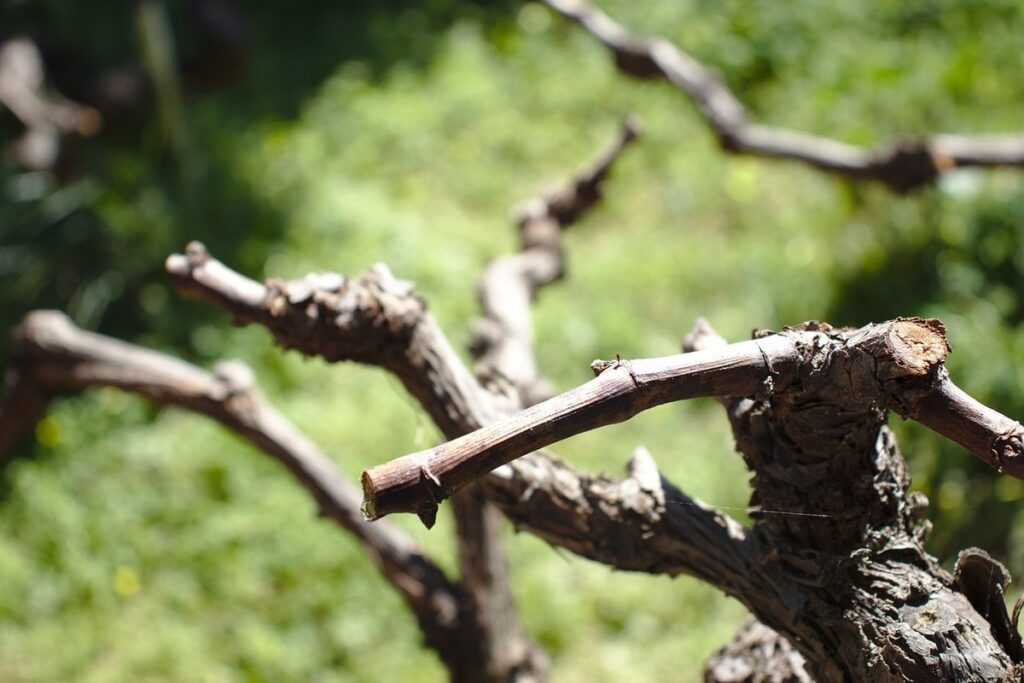
Understanding Grape Vine Pruning
When it comes to pruning grape vines, understanding the process is key. This section will break down the essential concepts behind effective pruning to help you get started with confidence.
Importance of Pruning
Pruning is an essential practice for grape vine cultivation. It’s not just about cutting off excess growth; it has a significant impact on the overall health and productivity of your vines. By pruning correctly, you promote fruitfulness by directing energy towards producing grapes rather than foliage.
When grape vines are left unpruned, they can become too dense, leading to reduced sunlight penetration and increased susceptibility to disease. Regular pruning helps maintain an open canopy, allowing for better air circulation and reducing the risk of fungal diseases like powdery mildew.
Pruning also encourages new growth by removing dead or damaged wood, which can harbor pests and diseases. This process not only improves the overall appearance of your vines but also contributes to a healthier and more productive harvest. To make pruning effective, focus on removing about 25-50% of the previous year’s growth each season, making clean cuts just above an outward-facing bud. This will encourage new shoots to grow from the base of the plant, resulting in a more balanced and fruitful vine structure.
Types of Pruning Cuts
When it comes to pruning grape vines, understanding the different types of cuts is crucial for achieving optimal results. There are three main types of pruning cuts: thinning cuts, reduction cuts, and heading cuts.
Thinning cuts involve removing select branches to allow more sunlight and air circulation within the vine. This type of cut helps reduce disease and pest pressure by promoting healthy growth. To make a thinning cut, look for inward-growing or crossing branches that are rubbing against each other. Cut them back to about one-third to one-half their length, making sure not to remove too many vigorous shoots.
Reduction cuts are used to control the overall size of the vine and direct energy towards the fruiting areas. This type of cut involves cutting back overgrown canes or sections of the vine by about one-third to one-half their length. Be cautious not to cut too much, as this can stress the plant and lead to reduced yields.
Heading cuts are used to control the growth habit and encourage bushy, compact vines. To make a heading cut, simply trim the end of a cane or branch just above a bud eye (the small, swollen area from which new shoots will emerge). This will help direct energy towards fruiting and promote more even growth patterns.
Pruning techniques can be complex, but understanding these basic types of cuts is key to unlocking healthy, productive grape vines. By using the right technique for your specific pruning needs, you’ll be well on your way to cultivating a thriving vineyard or backyard garden.
Pre-Pruning Preparation
Before you start pruning, it’s essential to prepare your grape vines for the process. This means clearing away any debris and making sure your tools are sharp and ready to go.
Choosing the Right Tools
When it comes to pruning grape vines, having the right tools can make all the difference. You don’t want to be struggling with tangled branches and dead wood when you could be using a tool designed specifically for this task.
First and foremost, you’ll need a good pair of pruning shears. These are ideal for cutting smaller stems, usually up to 1 inch in diameter. Look for high-quality shears with sharp blades that can withstand regular use. You should also consider loppers, which are perfect for thicker branches up to 2 inches in diameter. They provide more leverage and are easier on the hands than pruning shears.
If you have larger stems or a particularly stubborn vine, a pruning saw may be necessary. Choose one with a curved blade for smooth cuts through wood. Some gardeners also swear by secateurs, which combine elements of pruning shears and loppers for efficient cutting.
Timing and Planning
When it comes to pruning grape vines, timing is everything. The best time to prune depends on several factors, including climate, seasonality, and personal preference. In general, the ideal time for pruning is during the dormant season, typically late winter or early spring, when the vine is still asleep. This allows you to see the framework of the vine more clearly and makes it easier to remove dead, diseased, or damaged wood.
In warmer climates, you may need to prune in late February or March, while cooler regions can wait until April or May. It’s also essential to consider the specific grape variety, as some are more sensitive to pruning than others.
To plan and schedule your pruning tasks effectively, create a pruning calendar that takes into account the vine’s growth cycle. Prune after harvest to remove excess wood and promote healthy growth for the next season. Be sure to check the weather forecast before heading out to prune, and adjust your schedule accordingly. By timing your pruning sessions carefully, you’ll be able to maintain a balanced and productive grape vine that yields a bountiful harvest.
Thinning Pruning Techniques
Now that you’ve learned how to remove deadwood and shape your grape vines, it’s time to dive into thinning pruning techniques to promote healthy growth. We’ll explore the best methods for selective removal of select shoots.
Selective Thinning
When it comes to selective thinning, the goal is to remove weak or damaged shoots that can harbor disease and pests. This process not only improves air circulation around the vine but also reduces the risk of fungal diseases like powdery mildew and downy mildew. To thin properly, inspect your grapevine in late winter or early spring before new growth begins.
Look for water sprouts (shoots growing directly from the trunk) and suckers (shoots growing from the base of the plant). Remove these as they draw energy away from the rest of the vine and can create a dense canopy that’s prone to disease. Remove any dead, diseased, or damaged wood completely.
Leave about 6-8 inches of space between shoots for air circulation. When thinning, make clean cuts just above a bud eye (the small swelling on the stem from which new growth emerges) using sharp, sterile pruning tools. This will help prevent disease from entering the wound and encourage healthy growth.
Regular selective thinning can promote even growth by allowing sunlight to reach all parts of the vine evenly. It also helps maintain a balanced canopy and encourages fruiting.
Removing Crossing Shoots
When pruning grape vines, it’s essential to remove crossing shoots, which can cause damage to the vine and obstruct sunlight penetration. These shoots often grow from the same lateral or laterals and can rub against each other, causing wounds that become entry points for disease.
To identify crossing shoots, inspect your vine regularly, looking for areas where branches are rubbing against each other. Remove these shoots entirely by cutting them at the base of the stem with a sharp pruning tool. Leave no stubs, as they can encourage regrowth and create more problems down the line.
Make clean cuts just above an bud or a lateral eye, making sure not to crush the remaining tissue. This will allow for healthy growth and minimize the risk of disease entering through the wound. Remove the crossing shoots during winter or early spring when the vine is dormant, ensuring minimal sap loss and promoting new growth in the following season.
Regular pruning helps maintain a balanced vine structure, allowing sunlight to reach all areas evenly and promoting healthy fruit production.
Reduction Pruning Techniques
When it comes to pruning grape vines, reducing the overall size of the plant is crucial for maintaining a healthy balance between growth and production. This section will walk you through various reduction pruning techniques.
Reducing Canopy Size
Reduction pruning is an essential technique for controlling grapevine size and promoting better fruit quality. By reducing the canopy size, you can improve air circulation, sunlight penetration, and overall vine health. This, in turn, leads to more balanced fruit ripening and increased yields.
To reduce canopy size without compromising yields, start by removing around 10-20% of the total foliage during the dormant season. Focus on eliminating weak or damaged growth, and trim back any excessive vigor. You can also use a technique called “tip pruning,” where you remove the terminal bud to control vegetative growth and encourage fruiting.
Another method is to implement a “spur pruning” program, which involves reducing the number of spurs (short shoots) on the vine while maintaining a consistent spacing between them. This approach helps maintain a balance between vegetative and reproductive growth, leading to healthier vines and improved yields. Regular monitoring and adjustments will ensure you’re not over-pruning, which can lead to reduced fruiting and overall plant stress.
Removing Dead or Diseased Wood
When pruning grape vines, it’s essential to remove dead, diseased, or damaged wood to prevent disease spread and promote healthy growth. Diseased wood can harbor fungal spores, bacteria, or pests that can infect the rest of the vine, causing further damage. Removing these areas is crucial for maintaining your vine’s overall health.
Look for signs of decay such as soft, crumbling, or discolored wood. If you notice any cracks or splits in the bark, it could be a sign of underlying problems. Check for black spots, powdery mildew, or yellowing leaves which can indicate fungal infections. Remove any affected areas using sharp pruning tools to prevent further damage.
Removing dead or diseased wood will not only protect your vine from disease but also encourage new growth and fruit production. Cut back infected branches to a healthy bud or trunk, making sure the cut is just above an outward-facing eye (the small swelling where a leaf meets the stem). This will help direct the plant’s energy towards producing healthy foliage and fruit instead of struggling with diseased areas.
Heading Pruning Techniques
To prune grape vines effectively, you’ll want to focus on removing excess growth and encouraging healthy, productive shoots – let’s dive into the best techniques for achieving this.
Controlling Vine Height
Heading pruning is a crucial technique for controlling vine height and maintaining a desirable shape in grapevines. By removing select branches at strategic points, you can direct the plant’s energy towards producing fruit rather than vegetative growth. This technique involves cutting back the main stem to about one-third of its original length, usually between late winter and early spring.
This approach encourages new growth from the remaining buds and pruning wounds, promoting a fuller canopy and more even ripening of grapes. To further encourage new growth, make sure to leave at least two sets of leaves on each cut stem – this will give your vine the best chance to produce new wood.
When heading pruned, it’s essential to focus on removing weak or crossing branches, as these can compromise air circulation and expose the plant to disease. This is particularly important for varieties like Chardonnay and Pinot Noir, which are prone to powdery mildew and other diseases that thrive in humid environments.
By combining heading pruning with regular shoot thinning and spur pruning, you’ll be able to create a balanced, productive grapevine with an optimal balance between vegetative growth and fruit production. This will ultimately lead to healthier, more robust vines and better yields in the long run.
Encouraging Fruiting Wood
When pruning grape vines, it’s essential to identify and preserve fruitful wood, also known as spurs. This type of growth is crucial for optimal grape production, as it produces the fruiting canes that will yield a bountiful harvest. To identify fruitful wood, look for woody stems that have grown in previous seasons and have produced grapes.
These stems are often thicker than new shoots and have a more woody texture. They also tend to grow from the base of the vine, near the trunk, rather than from the tips of the branches. When pruning, cut back these fruitful wood canes to about two buds from their tips, or to where you want the fruiting cane to begin.
This will encourage new growth and promote even fruiting along the length of the cane. For example, if a fruitful wood cane has produced grapes in past seasons, cutting it back by one-third to one-half will allow for new growth while still preserving the productive areas.
Post-Pruning Care
Now that you’ve pruned your grape vines, it’s time to focus on post-pruning care to ensure a healthy and productive harvest. This includes tasks like mulching, watering, and fertilizing.
Watering and Irrigation
After pruning your grape vines, it’s essential to provide them with adequate water and irrigation. This is particularly crucial during hot or dry weather conditions when the plants are most vulnerable. Newly pruned vines have a higher demand for water due to increased exposure of their roots and shoots.
To properly irrigate your grape vines, start by checking the soil moisture around 8-10 am when the soil is still damp from overnight watering. Use a fork or trowel to gently dig into the soil up to 12 inches deep. If the top 6-8 inches feel dry, it’s time to water.
Water your grape vines deeply but infrequently to encourage deep root growth and make them more drought-resistant. Aim for about 1 inch of water per week, either from rain or irrigation. You can also use a drip irrigation system to deliver water directly to the roots, reducing evaporation and runoff.
Remember that overwatering is just as detrimental as underwatering, so monitor your vines’ response to watering and adjust accordingly. By providing them with proper hydration, you’ll help prevent stress, promote healthy growth, and set them up for a successful harvest season.
Monitoring and Maintenance
Regular monitoring and maintenance of grape vines post-pruning are crucial to ensure their optimal health and productivity. This involves a range of tasks that must be carried out at specific intervals throughout the growing season.
Fertilization is one such task, as it replenishes essential nutrients lost during pruning. A balanced fertilizer typically applied in early spring will provide the necessary boost for healthy growth. For example, a 10-10-10 NPK (nitrogen-phosphorus-potassium) ratio can be used, but be sure to follow the recommended application rates to avoid over-fertilization.
In addition to fertilization, pest management is also vital to prevent damage from common pests such as spider mites, mealybugs, and aphids. Regularly inspect your vines for signs of infestation, and use organic or integrated pest management (IPM) methods whenever possible. For instance, introducing beneficial insects like ladybugs can help control pest populations.
Disease control is another critical aspect of post-pruning care. Common diseases include powdery mildew, downy mildew, and black rot, which can be managed through good sanitation practices, removal of diseased wood, and application of fungicides as necessary.
Conclusion and Best Practices
Now that you’ve mastered the art of pruning your grape vines, let’s review what we’ve covered so far and provide some final tips to ensure a bountiful harvest.
Recap of Key Takeaways
When pruning grape vines, several key takeaways should be kept in mind to ensure optimal health and productivity. As emphasized throughout this comprehensive guide, pruning is a critical process that not only promotes healthy growth but also encourages fruiting. To reap the benefits of proper pruning, it’s essential to understand the right techniques, timing, and tools involved.
The importance of regular pruning cannot be overstated. Pruning stimulates new growth, increases air circulation, and reduces disease susceptibility by removing dead, diseased, or damaged wood. A well-pruned vine also promotes better fruiting, as pruning directs energy towards producing high-quality grapes. Furthermore, pruning helps maintain the overall structure and shape of the vine, allowing for easier harvesting and management.
Pruning is not a one-time task but rather an ongoing process that requires regular attention throughout the growing season. By incorporating these essential techniques into your routine, you’ll be well on your way to cultivating healthy, productive grape vines that thrive year after year.
Tips for Effective Pruning
As you’ve completed pruning your grape vine, it’s essential to maintain its shape and promote healthy growth throughout the growing season. Here are some final tips to help you keep your vine well-pruned:
Regularly inspect your vine: Set aside time each week to check for any new growth or signs of disease. Prune off any weak or damaged shoots immediately to prevent them from spreading.
Monitor temperature fluctuations: Grape vines prefer temperatures between 60°F and 85°F (15°C and 30°C) during the day and above freezing at night. If you live in an area with extreme temperature variations, provide some protection for your vine, such as using row covers or bringing it under a canopy.
Keep an eye out for pests: Regularly inspect your vine for signs of pests like aphids, mealybugs, or spider mites. Use organic or chemical controls to address any infestations promptly.
By following these tips and maintaining regular care, you’ll be able to enjoy a healthy and productive grape vine for years to come.
Frequently Asked Questions
How often should I prune my grape vines throughout the growing season?
Pruning is typically done once a year, but it’s essential to remove any dead or diseased wood as soon as possible to prevent disease from spreading. You can also perform minor pruning during the growing season to control vine height and promote healthy growth.
What are some common mistakes beginners make when pruning grape vines?
New gardeners often struggle with over-pruning, which can lead to reduced yields and even kill the plant. To avoid this, start by removing only 10-20% of the previous year’s wood and work your way up gradually. It’s also crucial to identify fruiting wood and preserve it for optimal production.
Can I use regular pruning shears or do I need specialized tools?
While regular pruning shears can work in a pinch, investing in a good pair of high-quality loppers or pruning saws is recommended. These specialized tools will help you tackle thicker branches with ease and reduce the risk of injury.
How long does it take for grape vines to recover from over-pruning?
If you do end up over-pruning your grape vines, don’t worry – they can recover quickly! With proper care, including regular watering and fertilization, most grape vines will bounce back within a year or two. Be sure to monitor their progress closely and adjust your pruning schedule as needed.
Are there any specific considerations for pruning dwarf or compact grape varieties?
Yes! Dwarf or compact grape varieties require less pruning overall, but it’s still essential to remove any dead or diseased wood to maintain their health. You may also need to prune more frequently to control their size and encourage fruiting. Consult the specific growing instructions for your variety to ensure optimal results.