
Are you a currant enthusiast looking to boost your bush’s productivity and winter hardiness? Pruning currant bushes in the fall is a crucial step in maintaining their overall health and resilience. When done correctly, pruning can help manage disease, promote healthy growth, and even improve fruit yields. However, with so many techniques and best practices floating around, it’s easy to get overwhelmed.
In this article, we’ll break down the essential techniques for pruning currant bushes in fall, covering topics such as when to prune, how much to cut back, and how to prevent disease. We’ll also explore some expert tips on how to maintain optimal growth and prepare your currants for a successful winter season. By following these simple steps, you can ensure your currants thrive throughout the year, producing delicious fruit and looking their best.
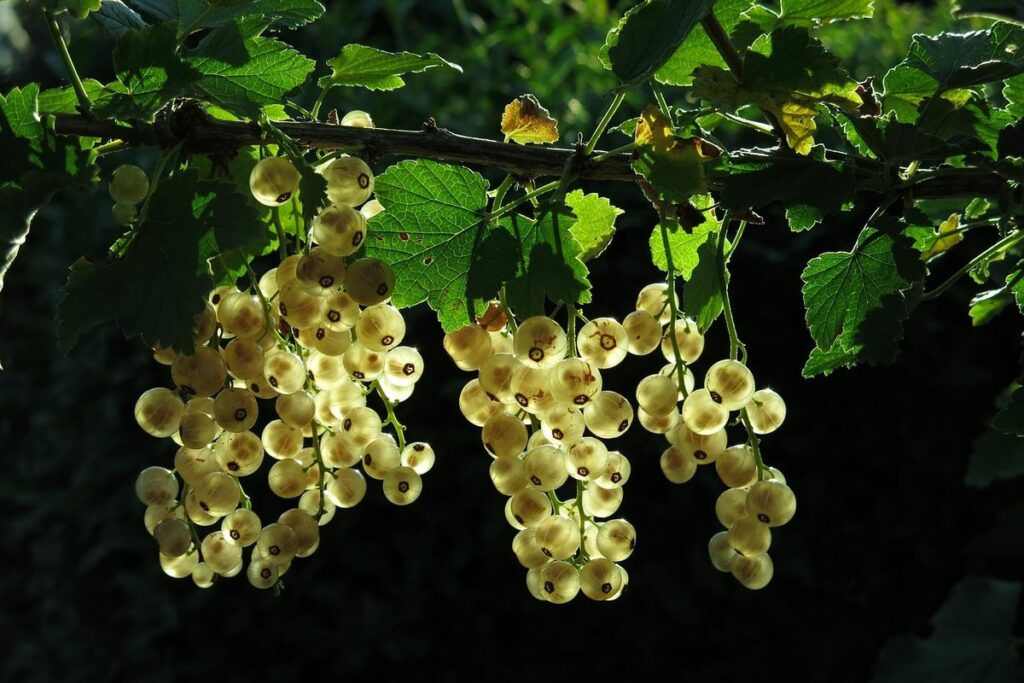
Choosing the Right Time for Pruning
To prune currant bushes effectively, you need to choose the right time of year, and for fall pruning, that’s typically around late September or early October.
Understanding the Growing Cycle of Currants
Currants are deciduous shrubs that grow in two distinct phases: vegetative growth and reproductive growth. During the spring and summer months, currant bushes focus on producing leaves, stems, and a robust root system, which is essential for their overall health. This period of vigorous growth allows the plant to store energy reserves in its roots and stems.
As the days shorten and temperatures cool in the fall, the current’s growth cycle shifts towards reproduction. The bush begins to produce buds and flowers, preparing for next year’s fruiting cycle. However, this rapid transition can leave the plant vulnerable to disease and pest issues if not properly managed. Pruning currant bushes in the fall helps maintain their health by removing diseased or damaged branches, controlling pests, and promoting air circulation around the plant. By understanding the growing cycle of currants, you’ll be better equipped to provide your bushes with the necessary care during this critical period.
Identifying the Best Pruning Season
Pruning currant bushes in the fall offers numerous benefits for their health and productivity. One of the primary advantages of pruning during this season is disease management. Fall pruning allows you to remove diseased or damaged branches, which can harbor fungal diseases that thrive in wet conditions. By cutting these branches back, you reduce the risk of infection spreading to other parts of the plant.
Another reason to prune currant bushes in the fall is to promote winter hardiness. Pruning encourages the plant to produce new growth from its roots, rather than relying on existing stems. This adaptation helps the bush survive harsh winter conditions and reduces the likelihood of dieback. In addition, pruning during this season allows you to control the shape and size of your currant bushes, making them more manageable for spring growth.
By pruning in the fall, you’re also preparing your currants for a strong start come springtime. The energy stored in their roots will be directed towards producing healthy new growth, rather than maintaining weak or diseased branches.
Preparing for Pruning
Before you start pruning, make sure you’ve gathered all necessary tools and equipment, including gloves, loppers, and a sharp pair of pruning shears. This will help ensure a safe and efficient pruning process.
Assessing the Bush’s Condition
Before you start pruning, it’s essential to assess the condition of your currant bush. This step will help you identify any signs of stress, disease, or pests that may require special attention during pruning. Take a close look at the overall health of the plant, and examine its leaves, stems, and fruit for any issues.
Check for yellowing or wilting leaves, which can be a sign of root bound conditions or nutrient deficiencies. Also, inspect the leaves for any visible signs of pests like aphids, spider mites, or scale. These pesky creatures can weaken your currant bush’s immune system, making it more susceptible to disease.
Take a closer look at the stems and fruit as well. Check for any signs of disease like powdery mildew, black spot, or leaf blight. Also, inspect the fruit for any damage, mold, or rot. If you notice any issues, consider addressing them before pruning to prevent further damage.
Be on the lookout for signs of physical stress like cankered areas, cracks, or splits in the stems. These can be a result of weather conditions, soil quality, or physical damage. By evaluating your currant bush’s condition upfront, you’ll ensure that it’s healthy enough to handle pruning and will promote optimal growth come springtime.
Gathering Pruning Tools and Equipment
When it comes to pruning currant bushes in the fall, having the right tools and equipment is crucial for safe and effective results. To start, make sure you have a pair of sturdy gloves to protect your hands from thorns and scratches. This will also prevent bacterial diseases that can be spread through open cuts.
Next, gather a good pair of loppers or long-handled pruners. These are essential for reaching thicker stems and branches without having to use a ladder. Look for models with comfortable grips and sharp blades to make the pruning process easier.
Additionally, have a set of hand pruners on hand for more precise cuts. These are perfect for trimming smaller branches and manipulating them into place. Don’t forget a pruning saw or pole saw if you need to remove thicker branches.
When selecting tools, consider investing in ones made from high-quality materials, such as stainless steel or titanium, which will withstand the rigors of regular use.
Basic Pruning Techniques
When pruning currant bushes, a few basic techniques can make all the difference in keeping your plants healthy and thriving. Let’s start by covering some essential pruning methods to get you off on the right foot.
Removing Dead, Diseased, or Damaged Branches
When pruning currant bushes in the fall, it’s essential to address dead, diseased, or damaged branches. These types of branches not only affect the overall health and appearance of the bush but also create an environment conducive to disease and pest spread.
Dead branches are typically brittle and easily identifiable by their dry, woody texture. Diseased branches often display signs such as lesions, cankers, or discoloration, while damaged branches may be bent, twisted, or show signs of breakage. Inspect your currant bushes carefully, looking for these warning signs. Remove any dead, diseased, or damaged branches using clean, sharp pruning tools to prevent the spread of disease.
Cut back these branches about 1-2 inches from a healthy section, making the cut just above an outward-facing bud. This helps direct new growth outward and promotes air circulation around the remaining plant material, reducing the risk of disease.
Remove any debris or infected wood immediately after pruning, bagging it to dispose of properly. This sanitation step is crucial in preventing the spread of disease among your currant bushes. By removing dead, diseased, or damaged branches, you’ll help maintain a healthy environment for your plants and encourage new growth in the spring.
Thinning Out the Bush for Airflow and Sunlight
When thinning out the bush for airflow and sunlight, start by identifying branches that are growing inward, toward the center of the plant. These branches can create a dense canopy that blocks air circulation and prevents sunlight from reaching inner leaves. Remove these inward-growing branches completely to open up the center of the plant.
Next, examine the outer edges of the bush. Look for any crossing or rubbing branches, which can cause damage to each other over time. Remove one of these pairs to allow for better airflow and prevent potential damage. Consider removing weaker stems along the perimeter as well, which will help redirect energy towards more productive areas of the plant.
By selectively removing these inward-growing branches and crossing stems, you’ll improve air circulation within the bush and promote even sunlight distribution. This will lead to healthier leaves and a more productive plant overall. Remember to cut branches at a 45-degree angle, making clean cuts just above a leaf node or bud.
Advanced Pruning Techniques
Now that you’ve learned the basics, it’s time to take your pruning skills to the next level by mastering advanced techniques for currant bushes. This will give you more control over their shape and health.
Shaping and Renovating Overgrown Currant Bushes
When it comes to shaping and renovating overgrown currant bushes, fall pruning is an excellent opportunity to restore their structure. Start by removing dead, diseased, or damaged branches, as these can be a source of infection for the rest of the plant. Next, identify any crossing or rubbing branches, which can cause damage to the fruiting wood.
To create a balanced and harmonious structure, aim to have about two-thirds of the plant’s foliage located on the south side, allowing it to receive optimal sunlight. Remove any branches that are growing inwards towards the center of the bush, as these can become congested and reduce air circulation. Instead, encourage outward growth by pruning back strong shoots.
For severely overgrown bushes, consider rejuvenation pruning. This involves cutting back most of the plant’s stems to about a foot from the ground, promoting new growth from the base. Be sure to provide support for any newly pruned branches, as they can be top-heavy and vulnerable to damage in winter winds.
Creating a Framework for Future Growth
As you prune your currant bushes in the fall, it’s essential to create a framework that allows for future growth. A well-maintained branch system is crucial for the health and productivity of your plant. To achieve this, focus on maintaining a balanced branch structure.
Aim for a central leader with evenly spaced branches radiating out from the center. This will not only enhance the overall appearance of your currant bush but also promote healthy growth by allowing sunlight to penetrate evenly throughout the plant.
When pruning, identify and remove any weak or damaged branches, cutting them back to about 1/4 inch above a bud eye. This will direct energy towards producing new growth in the spring. Additionally, consider thinning out any congested areas to improve air circulation and prevent disease from taking hold. By doing so, you’ll set your currant bush up for success in the coming year.
Maintaining Your Pruned Currant Bushes
Now that your currant bushes have been pruned, it’s essential to maintain them throughout the growing season for optimal fruiting and healthy growth. This includes regular watering and fertilization practices.
Providing Winter Care
As we’ve pruned our currant bushes for the fall season, it’s essential to protect them from harsh winter conditions. Proper care during this period will ensure a healthy and thriving bush come springtime.
To start, apply a thick layer of mulch around the base of your pruned currant bushes. This barrier helps retain moisture in the soil, preventing roots from drying out and reduces soil temperature fluctuations that can damage delicate tissues. Choose organic materials like wood chips or straw for this purpose, as they will break down over time and add nutrients to the soil.
You may also consider wrapping your currant bushes with burlap or foam insulation to shield them from extreme cold snaps. Alternatively, use anti-desiccant sprays to protect leaves and stems from drying winds and frost damage. Be sure to follow product instructions for optimal effectiveness and potential toxicity risks.
Regularly inspecting your protected currant bushes throughout the winter months will help you identify any emerging issues promptly, ensuring a successful new growing season.
Spring and Summer Maintenance Tips
As you settle into the new growth and productivity of your pruned currant bushes come spring, it’s essential to focus on maintenance that will ensure a healthy and thriving harvest through the summer months. Fertilization is key during this period, as currants require more nutrients to support their rapid growth.
In early spring, apply a balanced fertilizer (such as 10-10-10 NPK) following the manufacturer’s instructions. This will provide your bushes with the necessary nitrogen, phosphorus, and potassium to promote robust leaf growth and fruit set. Be cautious not to over-fertilize, as this can lead to weakened plants and reduced yields.
Regular watering is also crucial during spring and summer. Aim to provide about 1 inch of water per week, either through rainfall or supplemental irrigation. Keep an eye out for signs of drought stress, such as wilting leaves or reduced fruit production. Additionally, monitor your bushes regularly for pests like aphids, spider mites, and currant sawfly, as well as diseases like powdery mildew and black currant leaf spot.
By staying vigilant and implementing these maintenance tips, you’ll be well on your way to enjoying a bountiful harvest of fresh currants come summer.
Frequently Asked Questions
What if I miss the optimal pruning season, will my currant bushes still be okay?
Yes, while it’s ideal to prune your currant bushes in late September or early October, they can tolerate some pruning during other times of the year. However, keep in mind that pruning too close to winter may make them more vulnerable to disease and winter damage. Try to prune at least 30 days before the first frost for best results.
Can I use regular garden shears for pruning currant bushes?
No, it’s recommended to use loppers or secateurs with long blades (at least 6 inches) when pruning currants. This will give you the necessary reach and leverage to make clean cuts through thicker branches. Regular garden shears are better suited for trimming and shaping, not heavy-duty pruning.
How do I know if I’ve pruned my currant bush too much?
Pruning your currant bush too heavily can lead to reduced fruiting in the following year. Signs of over-pruning include excessive dieback (more than 1/3 of the plant’s growth), exposed roots, and a general lack of new growth. If you suspect you’ve pruned too much, wait until the next growing season and focus on maintaining rather than aggressively pruning.
Can I prune my currant bushes in the spring instead of fall?
While it’s technically possible to prune currants in the spring, it’s not always the best approach. Spring pruning can stimulate new growth, which may make the plant more susceptible to disease and pests. If you do choose to prune in the spring, wait until after the plant has finished its initial spring growth spurt.
How often should I inspect my currant bushes for signs of disease or damage?
Regular inspections are key to maintaining healthy currant bushes. Check your plants at least once a month during the growing season (April-October) and after pruning in the fall. Look for signs of pests, diseases, and physical damage like cracks, splits, or soft spots on branches or stems.