
If you’re like me, you’ve probably fallen in love with your Christmas cactus for its vibrant blooms and low-maintenance care. But have you ever wondered how to keep it thriving year-round? Pruning is a crucial step in promoting healthy regrowth and encouraging those beautiful flowers to come back season after season. Unfortunately, pruning a Christmas cactus can be intimidating if you’re not sure where to start. That’s why I’ve put together this expert guide on how to prune your Christmas cactus like a pro. In this article, we’ll cover the essential tools and techniques for successful pruning, as well as some valuable care tips to help your plant flourish all year round. By following these simple steps, you can keep your Christmas cactus looking its best and enjoy the benefits of healthy regrowth.
Understanding Your Christmas Cactus
To grow and thrive, it’s essential that your Christmas cactus receives proper care, and understanding its unique needs is a great place to start. Let’s dive into what makes this plant special.
Recognizing the Need for Pruning
As you tend to your Christmas cactus, it’s essential to keep an eye out for signs that indicate pruning is necessary. Without regular pruning, your plant can become top-heavy and prone to breaking, which can be devastating. Overgrown stems and branches not only compromise the structural integrity of the plant but also limit its ability to receive adequate light and nutrients.
When your Christmas cactus becomes too large or unruly, it’s a clear indication that pruning is necessary. This process encourages new growth by redirecting the plant’s energy towards producing fresh, healthy segments. Pruning also helps prevent pests and diseases from taking hold, as overgrown areas can be breeding grounds for these issues.
Think of pruning your Christmas cactus as giving it a spa day – it allows the plant to rejuvenate and focus on producing vibrant blooms and lush greenery. By regularly inspecting your plant and snipping back overgrown sections, you’ll be amazed at how quickly it responds with renewed vitality.
Identifying Mature Segments
When pruning your Christmas cactus, it’s essential to identify mature segments that need attention. Mature segments are characterized by their age, size, and color changes. A mature segment is typically around 2-3 inches long and has a noticeable decrease in stem density compared to younger parts of the plant.
As your Christmas cactus grows older, you’ll start to notice color changes on its segments. These can range from a dull green or yellowish tint to a more vibrant pink or red hue, depending on the variety. Look for segments that have lost their plumpness and appear woody or brittle – these are likely candidates for pruning.
Another way to identify mature segments is by looking for a slight decrease in segment density towards the ends of stems. This can create a “waist” effect where the plant appears to be losing its full, bushy appearance. In this case, it’s best to carefully remove the older segments and encourage new growth from the remaining tissue.
When identifying mature segments, gently grasp the stem between your thumb and index finger, just above a joint, and give it a gentle twist. If it comes off easily, it’s probably ready for pruning!
Tools and Equipment Needed for Pruning
To get started with pruning your Christmas cactus, you’ll need a few essential tools and equipment to help you achieve clean cuts and prevent damage. Check out our list of must-haves below!
Choosing the Right Pruning Tools
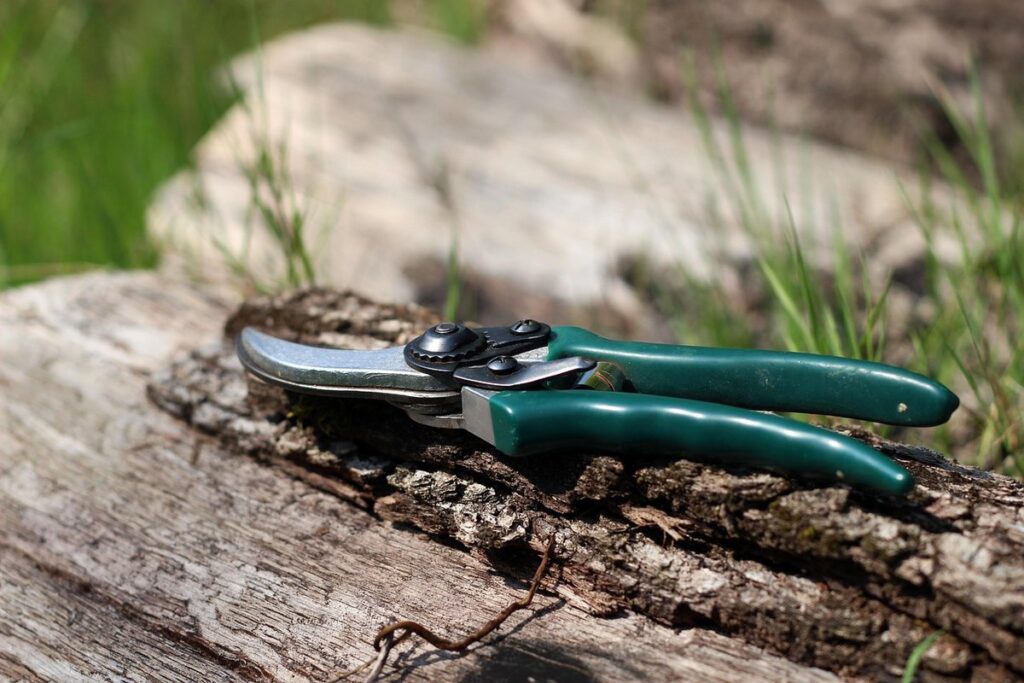
When it comes to pruning your Christmas cactus, having the right tools for the job is crucial. You’ll want to choose a pair of clippers or scissors specifically designed for cutting back succulents and cacti. These types of tools are typically made from high-carbon stainless steel or titanium, which provides excellent durability and resistance to rust.
Using regular household scissors can be tempting, but they’re often not sharp enough to make clean cuts, and may even crush the delicate tissue of your Christmas cactus. Clippers, on the other hand, have a curved blade that allows for smooth, precise cuts without crushing or tearing the plant’s stems. This is especially important when pruning back a large section of the plant, as it helps prevent damage to the surrounding tissue.
When selecting clippers or scissors, look for ones with a sturdy handle and ergonomic design, making them comfortable to hold and use for extended periods. A clean, sharp blade will also make the cutting process easier and less tiring. With the right pruning tools in hand, you’ll be able to tackle even the most challenging cuts on your Christmas cactus with confidence.
Preparing Your Workspace
Before you begin pruning your Christmas cactus, it’s essential to prepare your workspace for optimal results. Start by clearing a flat surface of any clutter or debris, and make sure the area is well-ventilated. Next, gather all the necessary tools within easy reach, including pruning shears, gloves, and a propagation tray.
Clean and sanitize your pruning tools to prevent the spread of diseases. Dip your pruning shears in a solution of 1 part bleach to 9 parts water for at least 10 minutes. This will help kill any bacteria or fungi that might be present on the blades. Allow the tools to air dry before using them.
Finally, ensure your workspace has adequate lighting. Pruning can be a bit fiddly, especially when working with delicate cacti spines. A well-lit area will make it easier to see what you’re doing and reduce the risk of accidents. Natural light is always ideal, but if that’s not possible, use high-quality grow lights instead. By taking these simple steps, you’ll be well-prepared to tackle your Christmas cactus pruning task with confidence.
The Pruning Process: Step-by-Step Instructions
To get your Christmas cactus looking its best, it’s essential to prune it properly. In the following steps, we’ll guide you through the process of pruning your holiday favorite.
Removing Dead or Damaged Segments
When pruning your Christmas cactus, it’s essential to remove dead or damaged segments not only for the plant’s appearance but also for its overall health. Dead or damaged segments can be a haven for pests and diseases that can quickly spread to other parts of the plant.
To remove these segments, start by gently twisting them back and forth until they come off easily. If this doesn’t work, you can use pruning shears or scissors to cut just above a joint – a small bump on the stem where two segments meet. This is crucial because it allows the plant to heal quickly and prevents decay from spreading.
When making cuts, try to remove as much of the segment as possible without damaging surrounding tissue. Cut at an angle, not straight across, to encourage water to run off rather than collect in the wound. Remove any remaining dead or damaged tissue with a soft brush or cotton swab.
Cutting Back Mature Segments
When cutting back mature segments of your Christmas cactus, it’s essential to do so at an angle. This may seem trivial, but it makes a significant difference in the plant’s ability to heal quickly and minimizes the risk of rot setting in. A 45-degree cut encourages new growth from the node closest to where you made the cut. Cut away any weak or damaged segments, as these can spread disease and pests throughout the rest of the plant.
Leave about an inch (2-3 cm) of stem intact above each joint for optimal recovery. This allows room for new growth to emerge without compromising the overall health of the segment. Be cautious not to cut too close to any joints or buds – a small amount of stem will ensure that these areas remain healthy and are able to support new development.
When cutting back mature segments, consider your plant’s specific needs and goals for future blooms. If you’re looking to encourage a fuller, more compact shape, focus on removing leggy growth while maintaining the overall structure.
Post-Pruning Care: Promoting Healthy Regrowth
Now that you’ve pruned your Christmas cactus, it’s time to focus on promoting healthy regrowth and giving your plant the best chance to thrive in the months ahead. Proper care after pruning is crucial.
Watering and Humidity After Pruning
After pruning your Christmas cactus, it’s essential to adjust its watering schedule and maintain optimal humidity levels to promote healthy regrowth. During the first few weeks after pruning, reduce watering frequency by 20-30%. This allows the plant to focus its energy on producing new growth rather than fighting off root rot caused by excess moisture.
Maintaining high humidity is also crucial for promoting healthy regrowth. You can achieve this by placing the potted cactus on a tray filled with water and pebbles or using a humidifier nearby. A minimum of 50-60% relative humidity is recommended, but ideally, you want to maintain a consistent reading above 70%.
Monitor your plant’s response to these changes closely. If it starts to show signs of underwatering, such as wrinkled stems, increase watering frequency gradually. Conversely, if the plant appears waterlogged or mushy, reduce watering even further.
By adjusting your watering schedule and maintaining optimal humidity levels, you’ll be giving your Christmas cactus the best chance at producing a lush, vibrant display of new growth and blooms. Keep in mind that overwatering is a common mistake many cacti enthusiasts make – so be vigilant and take corrective action as needed to ensure your plant thrives.
Providing Adequate Light and Temperature
After pruning your Christmas cactus, it’s essential to provide it with sufficient light and maintain a suitable temperature for optimal growth. Christmas cacti thrive in bright, indirect light, so place your plant near an east- or west-facing window. Avoid direct sunlight, which can cause the leaves to become scorched.
In terms of temperature, keep your pruned Christmas cactus in a spot with a consistent daytime temperature between 65°F and 75°F (18°C to 24°C). This will encourage healthy regrowth. However, it’s also crucial to provide some cooler temperatures at night, around 55°F to 60°F (13°C to 16°C), to promote root growth.
Monitor your plant’s response to light and temperature fluctuations by checking for signs of stress, such as yellowing leaves or a decline in growth rate. Adjust the placement accordingly to ensure your pruned Christmas cactus receives the right balance of light and heat for optimal recovery and regrowth.
Common Mistakes to Avoid When Pruning Your Christmas Cactus
When pruning your Christmas cactus, it’s easy to make mistakes that can harm rather than help your plant. Let’s explore some of the most common errors to avoid.
Over-Pruning: A Recipe for Disaster
Over-pruning can be detrimental to your Christmas cactus’s health and flowering potential. When you remove too much of the plant’s growth, it can cause significant stress to the plant. This stress can lead to a range of problems, including weakened roots, reduced water uptake, and increased susceptibility to disease.
In severe cases, over-pruning can even kill the plant. If your Christmas cactus is severely stressed, it may drop its segments or fail to produce new growth. Moreover, over-pruning can reduce the plant’s flowering potential for months to come. This is because pruning stimulates the production of new stems and flowers, but excessive pruning can exhaust the plant’s resources.
To avoid over-pruning, it’s essential to prune your Christmas cactus carefully and judiciously. Prune only what’s necessary to maintain shape or promote healthy growth. Remember that less is often more when it comes to pruning – a gentle touch can go a long way in keeping your Christmas cactus happy and thriving.
Under-Pruning: Missed Opportunities for Growth
Under-pruning, or failing to prune your Christmas cactus adequately, can lead to several issues that compromise its overall health and appearance. One of the primary risks is continued growth in unwanted areas, such as along the edges of the plant or on older segments. When you don’t remove these unneeded areas, they continue to consume resources, potentially weakening the rest of the plant.
Furthermore, under-pruning can also result in reduced overall health. As your Christmas cactus grows, it naturally produces more segments and branches. If not pruned regularly, these growths can become crowded, making the plant more susceptible to disease and pests. This is especially concerning if you’re trying to propagate your cactus or encourage healthy new growth.
To avoid under-pruning, take a closer look at your Christmas cactus before pruning. Identify areas where segments are starting to overlap or where older growth has begun to decline. Remove these sections carefully, taking care not to damage the remaining tissue. By doing so, you’ll help maintain your plant’s balance and promote continued health and growth.
Conclusion and Maintenance Tips
Now that you’ve pruned your Christmas cactus, it’s essential to keep it thriving by following a few simple maintenance tips and understanding what not to do in the coming months.
Reviewing Pruning Techniques
As you’ve completed pruning your Christmas cactus, take a moment to review what worked and what didn’t. Patience is key when it comes to observing plant responses – give your cactus a few weeks to adjust before making further assessments.
When reviewing the pruning process, keep an eye out for areas where the plant may require additional attention. This could be in the form of more frequent watering, a change in fertilization routine, or even repotting into a larger container. By paying close attention to these details, you’ll be able to tailor your care approach to meet your cactus’s specific needs.
Also important is observing how your cactus responds to pruning over time. Do the segments grow back thicker and healthier? Are there any signs of disease or pests that need addressing? With regular monitoring, you can fine-tune your pruning technique and create an environment where your Christmas cactus thrives.
By embracing a patient and attentive approach, you’ll be able to make informed decisions about your cactus’s care. This attention to detail will pay off in the long run as you enjoy a robust and flowering plant year after year.
Ongoing Care for a Thriving Christmas Cactus
Now that you’ve successfully pruned your Christmas cactus, it’s time to focus on ongoing care to keep it thriving. Fertilization is crucial during the growing season, which typically occurs from spring to fall. Feed your cactus with a balanced, water-soluble fertilizer (20-20-20) once a month. Dilute the fertilizer to half the recommended strength to prevent burning the roots.
Repotting should be done every 2-3 years as the plant grows out of its pot. Spring is an ideal time for repotting, as the plant is actively growing. Choose a pot that’s only slightly larger than the original one, and gently remove the cactus from its container, taking care not to damage the roots.
Pest control is essential to prevent infestations like mealybugs, spider mites, and scale. Inspect your cactus regularly for any signs of pests, such as white powdery patches or tiny moving dots. If you notice an issue, treat it immediately with insecticidal soap or neem oil.
Frequently Asked Questions
How often should I prune my Christmas cactus after the initial pruning?
Pruning is a regular maintenance task, and for a Christmas cactus, it’s recommended to prune it every 6-8 weeks during the growing season (spring and summer). This will help maintain its shape, promote healthy growth, and encourage blooms. However, avoid pruning too frequently, as this can cause stress to the plant.
Can I prune my Christmas cactus at any time of the year?
While it’s best to prune your Christmas cactus during its dormant season (fall or winter), you can still prune it during the growing season if necessary. Just be aware that excessive pruning during this time may lead to reduced blooming and stress on the plant.
What are some common mistakes to watch out for when pruning my Christmas cactus?
One of the most common mistakes is over-pruning, which can damage or remove too much tissue, leading to stress and potentially killing the plant. Another mistake is under-pruning, where not enough tissue is removed, hindering growth and blooming. Be cautious and follow proper techniques to avoid these pitfalls.
How do I know if my Christmas cactus needs more light after pruning?
After pruning, your Christmas cactus may require increased light exposure to promote healthy growth and blooming. Look for signs such as longer internodes (the stem segment between joints), more vibrant colors, or an increase in blooms. If you notice these changes, consider moving the plant to a brighter location.
Can I propagate my Christmas cactus from cuttings taken during pruning?
Yes! You can use healthy segments removed during pruning to propagate new plants. Simply dry the cut ends for 24-48 hours to prevent rot, then plant them in well-draining soil and water sparingly until roots develop. This is a great way to share your favorite Christmas cactus with friends or expand your collection.