
Pruning your blackberry vines is an essential part of their care, as it not only promotes optimal growth but also encourages fruiting and helps prevent pests. However, many gardeners struggle with this task, unsure about when to prune, how much to cut back, or what tools to use. With the right guidance, you can unlock your blackberry vines’ full potential and enjoy a bountiful harvest. In this comprehensive guide, we’ll walk you through everything you need to know about pruning blackberry vines, including the essential tools and techniques required for success. We’ll also cover important aftercare tips to ensure your plants remain healthy and thriving. Whether you’re a seasoned gardener or just starting out, our expert advice will help you master the art of pruning and take your blackberry patch to new heights.
Understanding Your Blackberry Vine
Before you start pruning, take a moment to understand your blackberry vine’s growth pattern and identify any dead or damaged canes that need removal. This will help you prune more effectively.
Assessing the Health of Your Plant
Evaluating the overall health and vigor of your blackberry vine is crucial before making pruning decisions. This assessment will help you determine which canes to remove and which ones to leave intact. Start by examining the plant’s foliage, looking for signs of stress or disease such as yellowing leaves, leaf drop, or black spots.
Check for any physical damage like cuts, scratches, or cracks in the bark. If you notice any, it’s essential to address them before pruning to prevent further stress on the plant. Next, inspect the roots by gently digging around the base of the plant. Healthy roots should be white and firm; if they appear soft, mushy, or have signs of decay, it may indicate root rot.
Also, assess the overall growth pattern of your blackberry vine. Look for a balance between new canes (called primocanes) and established canes (floricanes). If you notice an overabundance of either type, it could be indicative of underlying issues that need to be addressed through pruning or adjustments in care. By identifying potential problems early on, you’ll make more informed pruning decisions to promote a healthy and productive blackberry vine.
Identifying Different Types of Blackberry Vines
There are several types of blackberry vines, each with its unique characteristics and pruning needs. Understanding these differences is essential to prune your blackberry vine effectively.
Thornless blackberries are a popular variety, known for their ease of maintenance and fruit production. They typically require less pruning than other varieties, as they produce fruit on the current season’s growth. However, regular trimming is still necessary to promote healthy growth and encourage new canes.
Semi-erect and erect blackberry vines have more vigorous growth habits and produce fruit on older canes. Pruning these types of vines requires more attention, as you need to remove old canes after they’ve produced fruit to make way for new growth. It’s also essential to cut back the tips of new canes in late winter or early spring to encourage branching.
Regardless of the type of blackberry vine you have, it’s crucial to observe its specific needs and adjust your pruning strategy accordingly. Be aware that some types may require more frequent pruning, while others need less maintenance. By understanding these differences, you’ll be able to prune your blackberry vine effectively, promoting healthy growth and optimal fruit production.
Preparing for Pruning
Before you start pruning, it’s essential to prepare your blackberry vines properly. Let’s go over some crucial steps to ensure a successful and safe pruning experience.
Tools and Equipment Needed
Before you start pruning those blackberry vines, it’s essential to have the right tools and equipment on hand. The type of pruning you’ll be doing will dictate some of the specific tools needed, but here are the essentials:
For general pruning tasks, loppers are a must-have. They’re perfect for cutting thicker canes that may be too difficult to handle with hand pruners. Look for a pair with long handles and sharp blades to make the job easier.
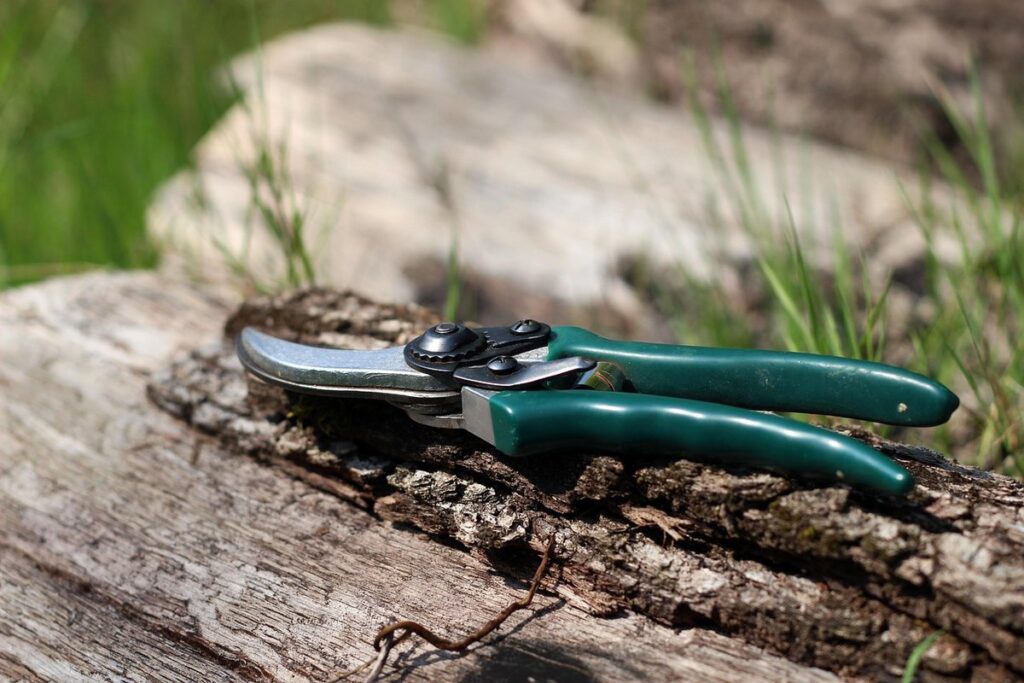
Hand pruners are also crucial for any pruning task. They allow you to cut smaller branches and stems, as well as make precise cuts in tight spaces. Choose ones with ergonomic handles and high-quality steel blades that will hold their edge over time.
A good saw is necessary for cutting thicker canes or sections of the vine. A pruning saw with a curved blade is ideal for this task. Don’t forget to wear protective gloves to prevent injury from thorns and sharp edges.
Protective eyewear, such as safety glasses or goggles, should also be worn when pruning to protect your eyes from debris and sap. With these basic tools in hand, you’ll be well-prepared to tackle any pruning task that comes up.
Removing Dead or Damaged Wood
When pruning blackberry vines, it’s essential to remove dead, diseased, or damaged wood to promote healthy growth and prevent the spread of disease. Start by inspecting the plant carefully for any signs of damage, such as cracks, splits, or discoloration.
To identify dead or dying branches, look for brittle or fragile stems that break easily when bent. Dead wood is often grayish-brown in color and feels dry to the touch. Diseased branches may be covered in fungal growths, such as canker sores or powdery mildew. Damaged branches may have torn bark or rough texture.
To safely remove dead or damaged wood, use clean pruning tools to cut the branch at a 45-degree angle just above a bud eye. Make cuts close to the base of the plant to minimize damage and promote new growth. Cut away any infected tissue, taking care not to spread the disease further. Dispose of removed material immediately to prevent the spread of disease.
Pruning Techniques
To prune blackberry vines effectively, you’ll want to focus on techniques that promote healthy growth and encourage high yields. Let’s dive into the specifics of pruning techniques for blackberry vines.
Reducing Canopy Size and Promoting Air Circulation
Reducing canopy size is an essential step in pruning blackberry vines. By controlling the spread of the vine, you’ll improve air circulation, reduce disease risk, and promote healthy growth. To begin, examine the structure of your plant. Identify the largest canes (usually 2-3 years old) that are producing fruit and maintain a central leader or a dominant cane.
Remove any weak or damaged wood by cutting it back to about 6 inches from the ground. This will help prevent disease spread and encourage new growth. Next, reduce the size of the canopy by cutting select canes back to about half their length. Focus on reducing the number of lateral shoots (suckers) that are producing fruit, as these often divert energy away from more productive areas.
When pruning, make sure your cuts are at a 45-degree angle and just above an outward-facing bud. This will encourage new growth in the desired direction, promoting even air circulation within the canopy. By reducing the size of the canopy and controlling air movement, you’ll reduce disease risk and create an environment that fosters healthy growth and fruit production.
Thinng Out and Encouraging New Growth
When it’s time to thin out select canes on your blackberry vines, you’re not just removing old growth – you’re also encouraging new stem production and maintaining a balanced plant structure. This step is crucial for promoting healthy growth and preventing disease.
To start, look for the oldest canes in the center of the plant, which are typically thinner and less vigorous than newer canes on the periphery. These older canes will be more prone to disease and pest issues, so removing them will help prevent these problems from spreading. Selectively remove 2-3 of the oldest canes at the base, cutting them off about an inch above a lateral bud.
As you thin out the old canes, make sure to leave at least two vigorous canes per section of plant to provide support for new growth and fruiting. This will help maintain the plant’s natural balance and encourage it to produce new stems in place of the removed ones.
Tips for Specific Pruning Situations
For those tricky pruning situations, we’ve got you covered with practical advice on tackling specific challenges that might arise when pruning your blackberry vines. Whether it’s a damaged cane or an overgrown section, we’ll walk you through what to do next.
Pruning Young Plants
When pruning young blackberry plants, it’s essential to establish a strong foundation for future growth and development. This is a critical period where you’ll shape the plant’s structure, promote healthy growth, and encourage a robust root system.
For young plants (typically 1-2 years old), focus on removing any weak or damaged canes that are less than 10 inches tall. Cut these back to about an inch above ground level using clean, sharp pruning tools. This will help direct the plant’s energy towards developing a strong root system and promoting healthy new growth.
Next, select 3-5 of the strongest canes and remove any lateral shoots or suckers from their bases. Leave at least two nodes (the joint where a leaf meets the stem) on each selected cane to allow for future branching. This will encourage the plant to develop a strong framework and promote air circulation, reducing disease risk.
Remember to make clean cuts just above a bud eye (a small swelling on the stem from which new growth emerges), and avoid tearing or crushing the bark. Prune your young blackberry plants in late winter or early spring, before new growth begins.
Pruning Mature Vines
Pruning mature blackberry vines is crucial to maintain their productivity and control their size. Since these plants can grow quite large, regular pruning helps keep them manageable and promotes healthy growth. When pruning mature blackberry vines, consider the plant’s age, size, and location.
For productive canes that are more than two years old, cut them back to about 3-4 feet from the ground in late winter or early spring. This allows new growth to emerge from the base of the plant and promotes vigorous production for the coming season. Remove any weak or damaged stems, as well as any that show signs of disease or pests.
When addressing structural issues, examine the vine’s framework. Remove any crossing branches that rub against each other, which can cause damage and create entry points for diseases. Thin out dense areas to improve air circulation and allow sunlight to reach interior growth. This ensures the plant remains healthy and productive throughout its lifespan.
Aftercare and Maintenance
Now that you’ve pruned your blackberry vines, it’s essential to provide them with proper aftercare and maintenance to ensure they continue thriving throughout the growing season. This includes tasks like watering, fertilizing, and monitoring for pests and diseases.
Watering and Fertilization Post-Pruning
After pruning your blackberry vines, it’s essential to provide them with proper care to ensure they recover quickly and grow vigorously. Watering is a crucial aspect of this process. Blackberries need consistent moisture, especially during their first growing season after pruning. Check the soil daily, and water deeply when the top 2-3 inches of soil feel dry to the touch. Aim for about 1 inch of water per week, either from rain or irrigation.
Fertilization is also vital at this stage. A balanced fertilizer (10-10-10 NPK) applied immediately after pruning will provide the necessary nutrients for new growth. You can also use a high-phosphorus fertilizer (10-20-10 NPK) to promote root development and flower production. However, be cautious not to over-fertilize, as this can cause more harm than good.
For optimal results, consider incorporating compost or well-rotted manure into the soil. This will help improve its structure, increase nutrient availability, and support beneficial microorganisms that are essential for healthy plant growth.
Monitoring for Pests and Diseases
Monitoring for Pests and Diseases is an essential part of maintaining healthy blackberry vines. After pruning your blackberry vines, it’s crucial to keep a close eye out for common pests and diseases that can affect their health. Inspect your plants regularly, checking for signs of infestation or infection such as unusual growth patterns, yellowing leaves, or visible insects.
Some common pests that can damage blackberry vines include aphids, spider mites, and thrips. These tiny creatures can weaken the plant’s defenses, making it more susceptible to disease. To monitor for these pests, use a magnifying glass or hand lens to inspect the undersides of leaves and stems. If you notice any signs of infestation, treat your plants with insecticidal soap or neem oil.
Diseases such as powdery mildew and crown gall can also affect blackberry vines. Powdery mildew appears as a white, powdery coating on leaves, while crown gall is characterized by the formation of small, hard growths on stems. To prevent these diseases, ensure good air circulation around your plants and avoid overwatering. If you do notice any signs of disease, treat your plants with fungicides or remove infected areas to prevent the spread.
Remember, prevention is key when it comes to monitoring for pests and diseases in blackberry vines. Regular inspections and prompt treatment can help keep your plants healthy and thriving long after pruning season is over.
Frequently Asked Questions
What’s the ideal time to prune blackberry vines, and how often should I do it?
Pruning can be done at different times depending on your location and climate. Generally, it’s best to prune blackberry vines during their dormant season (winter or early spring), typically between December and February. This timing helps prevent shock to the plant and promotes healthy growth. Prune annually, ideally in late winter or early spring, to maintain optimal health and fruit production.
Can I use regular gardening shears for pruning blackberry vines, or do I need specialized tools?
While regular gardening shears can be used for light pruning, it’s recommended to invest in loppers (long-handled pruners) or a pruning saw for more extensive cuts. Loppers are ideal for cutting thicker canes up to 1 inch in diameter, while a pruning saw is better suited for larger branches.
How do I prevent pests and diseases after pruning my blackberry vines?
To minimize the risk of pest infestations and diseases, ensure good air circulation around your plants by thinning out canes and removing any dead or damaged wood. Regularly inspect your plants for signs of stress or disease, and take prompt action to address any issues you find.
What’s the recommended height for pruning blackberry vines, and how does this impact fruit production?
The ideal height for pruning blackberry vines depends on their variety and purpose (e.g., container-grown or trained against a trellis). Generally, prune canes to about 24-36 inches above ground level. This helps promote air circulation, encourages new growth, and directs the plant’s energy towards fruit production.
Can I use pruning techniques for young blackberry plants, and how will it affect their development?
Yes, pruning is beneficial even at an early stage in a blackberry vine’s life cycle. Prune young plants to encourage a strong, balanced structure and promote healthy growth. This involves removing weak or spindly canes and shaping the plant to its optimal form. Pruning during this period helps your blackberry vines develop into robust, productive plants.