
Are you ready to grow your own delicious zucchini at home? Planting zucchini seeds can seem intimidating, but with the right guidance, anyone can become a successful gardener. Choosing the perfect variety of zucchini is just the beginning – did you know that there are hundreds of different types to choose from? In this article, we’ll walk you through the essential steps for planting zucchini seeds, from preparing your soil and sowing the seeds, to managing pests and diseases that can ruin your crop. Whether you’re a seasoned gardener or just starting out, our comprehensive guide will give you all the tips and tricks you need to grow healthy, abundant zucchinis in no time.
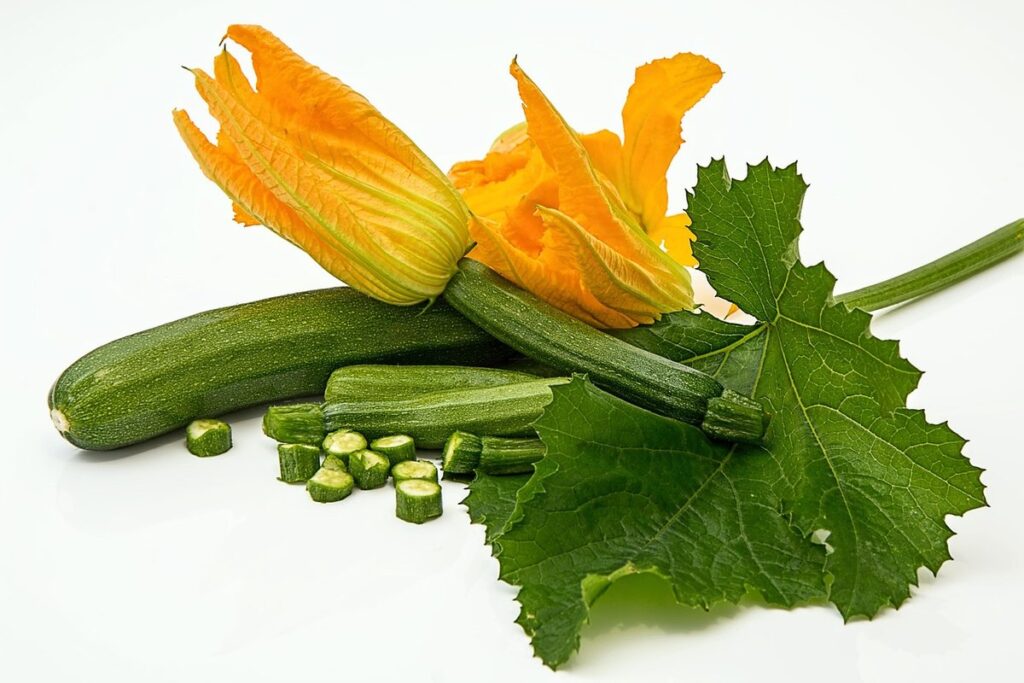
Choosing the Right Variety
When planting zucchini seeds, it’s essential to choose a variety that suits your climate and cooking preferences. With numerous options available, selecting the right one can be overwhelming.
Understanding Zucchini Types
When it comes to choosing the right zucchini variety for your garden, understanding the different types can be overwhelming. Let’s break down some of the most common types of zucchini and their characteristics.
There are several main types: bush, vining, and hybrid. Bush zucchinis are compact and produce smaller fruits, making them perfect for small gardens or containers. They require less space (about 3-4 square feet) and mature in about 35-45 days. Vining zucchinis, on the other hand, spread out and need more space (around 5-6 square feet). They take longer to mature, around 50-60 days.
Hybrid zucchinis are a cross between bush and vining types and offer a balance of both worlds. They require about 4-5 square feet of space and mature in 40-50 days. Some popular hybrid varieties include ‘Crookneck’ and ‘Round’ zucchini. When selecting a variety, consider your garden’s space constraints and desired harvest period. Keep in mind that disease resistance is also an important factor to consider, especially if you’re prone to powdery mildew or other common zucchini diseases.
Selecting Disease-Resistant Varieties
As you plan your zucchini crop, selecting disease-resistant varieties is an essential consideration, especially if you’re a home gardener with limited access to pest management resources. Many gardeners struggle with common issues like powdery mildew and fusarium wilt, which can decimate entire harvests.
Fortunately, many zucchini seed companies now offer resistant varieties that can help minimize these problems. Look for keywords like “PRSV” (powdery mildew resistance) or “FWMR” (fusarium wilt management). Some popular examples of resistant varieties include ‘Costata’, ‘Crookneck’, and ‘Golden’. These strains have been bred to exhibit natural immunity or reduced susceptibility to these diseases.
When selecting a disease-resistant variety, keep in mind that it’s still crucial to maintain good gardening practices, such as proper soil care and regular watering. However, by choosing a resistant variety, you’ll significantly reduce the risk of losing your crop due to disease.
Preparing the Soil
Before you can plant those zucchini seeds, you need to prepare your soil for success. This involves loosening and aerating it to give your seedlings a healthy start.
Testing Your Soil pH
Soil pH plays a crucial role in zucchini growth, and it’s essential to test your soil pH before planting. Zucchini prefers a slightly acidic to neutral soil pH, ranging from 6.0 to 7.0. If your soil is too alkaline or acidic, it can affect nutrient availability and overall plant health.
To test your soil pH at home, you can use a DIY kit available at most gardening stores. These kits typically include a testing strip that changes color depending on the pH level. However, for more accurate results, consider sending a sample to a lab for analysis. A lab test will provide detailed information about your soil’s pH and nutrient levels.
Before testing, make sure to collect a representative soil sample from your garden bed. Avoid collecting samples from areas with high concentrations of organic matter or debris. Once you have your test results, use them to adjust the pH level if necessary. This may involve adding lime to raise the pH or sulfur to lower it.
Adding Organic Matter
When adding organic matter to your soil, you’re not just improving its fertility – you’re also enhancing its structure and overall health. Think of it like cooking a nutritious meal for your plants. Just as the right ingredients make all the difference in flavor and nutrition, the right organic matter can transform your soil into a thriving ecosystem.
Compost, manure, or well-rotted leaf mold are excellent choices to add to your zucchini’s growing space. These natural additives replenish nutrients, support beneficial microbial life, and improve water retention – all essential for zucchini’s growth. When selecting an organic matter, consider the type of soil you have. Clay soils benefit from compost, while sandy soils require more manure.
To incorporate these additions effectively:
* Start by mixing 2-3 inches of organic matter into the top 6-8 inches of your soil.
* Use a garden fork to gently break up any clods and aerate the mixture.
* If using compost or well-rotted leaf mold, you can also create a mound around each seedling as it grows – this will help retain moisture and suppress weeds.
Sowing Zucchini Seeds
To ensure a strong start for your zucchini plants, begin by sowing seeds directly into the ground when the soil has warmed up to at least 60°F. Follow these simple steps for optimal results.
When to Plant
When to plant zucchini seeds is crucial for ensuring optimal growth and yield. The ideal planting time varies depending on your region’s climate, frost dates, and temperature ranges.
In temperate climates with warm springs, you can start sowing zucchini seeds as soon as the soil can be worked in late March or early April, about 2-4 weeks before the last frost date. In areas with a longer growing season, direct sowing can take place in early to mid-May.
For regions with cool summers, it’s best to plant zucchini seeds indoors 1-2 weeks before the last frost date and then transplant them outside when the soil has warmed up to at least 60°F (15°C). This allows for a head start on germination and minimizes the risk of damage from late frosts.
Check your local frost dates and consider the average temperature in your area during the spring. For example, if your region typically experiences an average high temperature of around 50°F (10°C) in April, it’s likely still too early to plant zucchini seeds directly outside.
Seed Depth and Spacing
When it comes to sowing zucchini seeds, getting the depth and spacing right is crucial for maximum yield. You’ll want to plant the seeds about 1-2 inches deep into the soil. This may seem shallow, but trust us, it’s the optimal depth for healthy root development.
To determine the correct depth, simply press your finger into the soil until you reach a comfortable resting spot. The seed should be placed at this depth and covered with a thin layer of soil. Don’t worry if the seeds are slightly exposed – they’ll still germinate just fine.
As for spacing, zucchini plants need plenty of room to spread out. We recommend planting them 12-18 inches apart in rows that are about 3-4 feet apart. This will prevent overcrowding and give each plant ample space to grow its vines and produce a bountiful harvest.
Caring for Zucchini Seedlings
Once you’ve got your zucchini seedlings off to a great start, it’s time to focus on their care and development, ensuring they thrive in their first few weeks. Proper care is essential at this stage.
Watering Needs
Consistent moisture levels are crucial for young zucchini seedlings, particularly during the first few weeks after sowing. This is because they have limited root development and can’t access water deep within the soil. To ensure optimal growth, aim to keep the soil consistently moist but not waterlogged. You can check the soil’s moisture by inserting your finger into it up to the knuckle; if it feels dry, it’s time to water.
To avoid overwatering, which can lead to fungal diseases and other issues, be mindful of the frequency and amount of watering. Water your seedlings when the top inch of soil feels dry, rather than waiting until the entire pot is parched. This will help prevent water from accumulating in the crown area, where it’s most susceptible to rot.
Remember, too much water can do more harm than good. If you notice any signs of overwatering – yellowing leaves, soft or mushy stems, or an abundance of aphids and other pests – reduce watering immediately and improve air circulation around your plants. This will help prevent the spread of disease and promote healthy growth in your zucchini seedlings.
Providing Support
As zucchini seedlings grow, they’ll require support to reach their full potential and maximize yields. This is especially true for bush varieties that can spread out quite a bit. Begin providing support when the seedlings have 2-3 sets of leaves, usually around 1-2 weeks after germination.
You can use trellises, cages, or other types of supports to keep your zucchini plants upright and encourage horizontal growth. For example, you can train vining varieties like ‘Black Beauty’ or ‘Costata’ to climb up a trellis using twine or clips. This will not only save space but also promote healthy growth by allowing the fruit to ripen more efficiently.
When choosing a support system, consider the mature size of your zucchini plant and the available space in your garden bed. Cages work well for smaller varieties like ‘Round Robin’ or ‘Eight Ball’, while trellises are better suited for larger, vining types. Make sure to secure the supports firmly to prevent them from toppling over in windy conditions.
Keep an eye on your zucchini plants and adjust their support system as needed. With proper care and support, you’ll be harvesting a bountiful crop of delicious zucchinis in no time!
Managing Pests and Diseases
Managing pests and diseases is a crucial part of ensuring your zucchini crop thrives, so let’s go over some essential tips for keeping your plants healthy. We’ll cover common problems and practical solutions.
Common Zucchini Pests
When it comes to growing zucchini, managing pests is an essential aspect of maintaining a healthy and thriving crop. Unfortunately, zucchini plants are susceptible to various pests that can cause significant damage if left unchecked. Some common zucchini pests include aphids, squash bugs, and powdery mildew.
Aphids are small, soft-bodied insects that feed on plant sap, causing curled or distorted leaves. To control aphid infestations, try using neem oil as a natural pesticide. Mix neem oil with water according to the label instructions and spray it directly on the affected areas. Repeat the application every 7-10 days for optimal results.
Squash bugs, on the other hand, are flat, oval-shaped insects that feed on plant sap, causing wilting and discoloration. To control squash bug populations, use diatomaceous earth to dehydrate and kill the insects. Sprinkle diatomaceous earth around the base of your zucchini plants, making sure to avoid inhaling it yourself.
Hand-picking is also an effective method for controlling powdery mildew, a fungal disease that causes a white, powdery coating on leaves. Gently remove any affected areas and dispose of them in sealed bags to prevent spore dispersal.
Dealing with Fungal Diseases
Fungal diseases can be devastating for zucchini plants, reducing their yield and even killing them. To prevent this from happening, it’s essential to recognize the signs of fungal diseases early on. Powdery mildew, downy mildew, and fusarium wilt are three common fungal diseases that affect zucchini plants.
Powdery mildew appears as a white or grayish powder on the leaves and stems, while downy mildew produces a fuzzy growth on the underside of the leaves. Fusarium wilt, on the other hand, causes yellowing and wilting of the plant due to root rot. If you notice any of these symptoms, it’s crucial to remove the infected plants immediately to prevent the disease from spreading.
To improve air circulation around your zucchini plants, ensure they have enough space between each other and keep the surrounding area free from weeds. This will help reduce moisture accumulation, which is ideal for fungal growth. If you do encounter an outbreak, consider applying a fungicide as a last resort, but be sure to follow the instructions carefully to avoid harming beneficial microorganisms in the soil.
In severe cases, it may be necessary to treat your zucchini plants with a preventative fungicide, especially if they’re exposed to high humidity or heavy rainfall. Some gardeners swear by neem oil or baking soda solutions as natural alternatives to chemical fungicides. Whatever method you choose, always test it on a small area of the plant first to ensure it doesn’t cause any damage.
Harvesting and Storing Zucchini
Now that you’ve successfully grown your zucchini crop, it’s time to reap the rewards: learning how to harvest and store these delicious summer squash at their peak freshness.
Knowing When to Harvest
When it comes time to harvest your zucchini, you’ll want to know when they’re at their best. One of the easiest ways to determine maturity is by checking the color and texture of the fruit. A ripe zucchini will be a vibrant bright green color, with no signs of yellowing or soft spots. The skin should also be smooth and glossy.
In terms of size, it depends on how you plan to use your zucchini. For sautéing or grilling, look for ones that are around 6-8 inches long and about 1 inch in diameter. These will be tender and flavorful, with a higher water content than larger zucchinis.
For recipes like bread or muffins, where you want a more dense texture, choose slightly larger zucchinis, around 10-12 inches long. And for spiralizing or making noodles, go for the smallest ones, about 4-6 inches long. By harvesting at optimal sizes, you’ll ensure your zucchini is perfect for whatever recipe you’re using it in.
Storage Tips
When you’re harvesting your homegrown zucchinis, it’s essential to have a plan for storing them to keep them fresh and make the most of your crop. One of the biggest challenges gardeners face is dealing with an abundance of produce.
To keep your zucchinis fresh in the refrigerator, store them in a sealed container or plastic bag to maintain humidity. You can also wrap each one individually in plastic wrap or aluminum foil to prevent moisture from accumulating. Keep them at a consistent refrigerator temperature below 40°F (4°C) and use within a few days.
For longer-term storage, consider freezing your zucchinis. Simply slice or dice the zucchinis, remove excess moisture with paper towels, and place them in an airtight container or freezer bag. Frozen zucchinis can be used in baked goods, soups, or sautéed as a side dish.
To use up excess produce, consider sharing with friends or family members who might appreciate the fresh vegetables. You can also experiment with creative recipes like pickling, grating for muffins, or making zucchini bread.
Troubleshooting Common Issues
Don’t worry if things don’t go as planned, we’ve got you covered. This section will walk you through some common issues that might arise when planting zucchini seeds and how to fix them.
Poor Germination Rates
Poor germination rates can be frustrating for even the most experienced gardeners. If you’re not seeing the results you want from your zucchini seeds, it’s essential to troubleshoot and adjust your sowing techniques accordingly.
One common cause of poor germination is using old or low-quality seeds. Seeds that are past their expiration date may have reduced viability, making it more challenging for them to sprout. Check the packaging or documentation provided with your seeds to see if they’ve exceeded their shelf life. If you’re unsure, err on the side of caution and consider purchasing fresh seeds.
Inadequate moisture is another potential cause of poor germination. Zucchini seeds require consistent moisture to germinate successfully. Make sure the soil is consistently moist but not waterlogged. You can also cover the sowing area with a clear plastic bag or a cloche to maintain humidity and promote germination.
Inadequate temperature control can also impact germination rates. Zucchini seeds typically prefer daytime temperatures between 70°F (21°C) and 85°F (29°C), while nighttime temperatures should be around 60°F (15°C). If you’re sowing seeds indoors, ensure your growing space meets these temperature requirements.
To further improve germination rates, try the following: sow seeds 1-2 inches deep in well-draining soil with a pH between 6.0 and 7.0. Avoid compacting the soil too much, as this can prevent seedlings from emerging. Keep the sowing area free from debris and pests, which can damage or destroy germinating seeds.
By being aware of these potential causes and adjusting your sowing techniques accordingly, you should be able to improve your zucchini seed germination rates and enjoy a bountiful harvest.
Frequently Asked Questions
Can I grow zucchini indoors if I don’t have a garden?
Yes, you can definitely grow zucchini indoors, especially if you live in an area with limited outdoor space or harsh weather conditions. To do this, choose compact bush varieties and provide them with plenty of light (at least 6 hours of direct sunlight) and maintain optimal temperatures between 65-70°F.
How often should I water my zucchini seedlings after sowing?
Water your zucchini seedlings thoroughly when the top inch of soil feels dry to the touch. This is usually every 2-3 days during hot weather, but reduce watering to once a week in cooler conditions. Be mindful not to overwater, which can lead to fungal diseases and poor growth.
What’s the best way to support vining zucchini plants as they grow?
To support your vining zucchini plants, use trellises or cages that are at least 5-6 feet tall to allow for vertical growth. Place them near the seedlings when they’re about a foot high and gently twine the vines around the support structure. Make sure to keep the area around the base of the plant weed-free to prevent pests.
Can I save seeds from my harvested zucchinis for next year’s crop?
Yes, you can save seeds from your mature zucchini fruits if they’re open-pollinated varieties (most heirloom and some hybrid varieties). Allow the fruits to fully ripen on the plant before harvesting. Remove the seeds, dry them thoroughly, and store them in an airtight container for up to two years.
How do I know when my zucchinis are infected with powdery mildew?
Inspect your zucchini plants regularly for signs of powdery mildew: a white or grayish powder coating on the leaves, stems, or fruits. If you notice any discoloration or an unusual dust-like substance, take immediate action by removing affected areas and treating with fungicides according to the product’s instructions.