
Are you excited to grow juicy, ripe tomatoes in your own backyard? Planting tomatoes in a raised bed is a great way to add some freshness and flavor to your meals, but it can be intimidating if you’re new to gardening. That’s why we’ve put together this comprehensive guide on how to plant, grow, and harvest tomatoes in a raised bed.
In this article, we’ll walk you through the essential steps of preparing the soil, selecting the perfect variety for your climate, pruning for optimal growth, and more. Whether you’re a seasoned gardener or just starting out, our tips and tricks will help you get the most out of your tomato plants. We’ll cover everything from the basics to expert techniques, so you can enjoy a bountiful harvest all season long.
Preparing Your Soil and Raised Bed
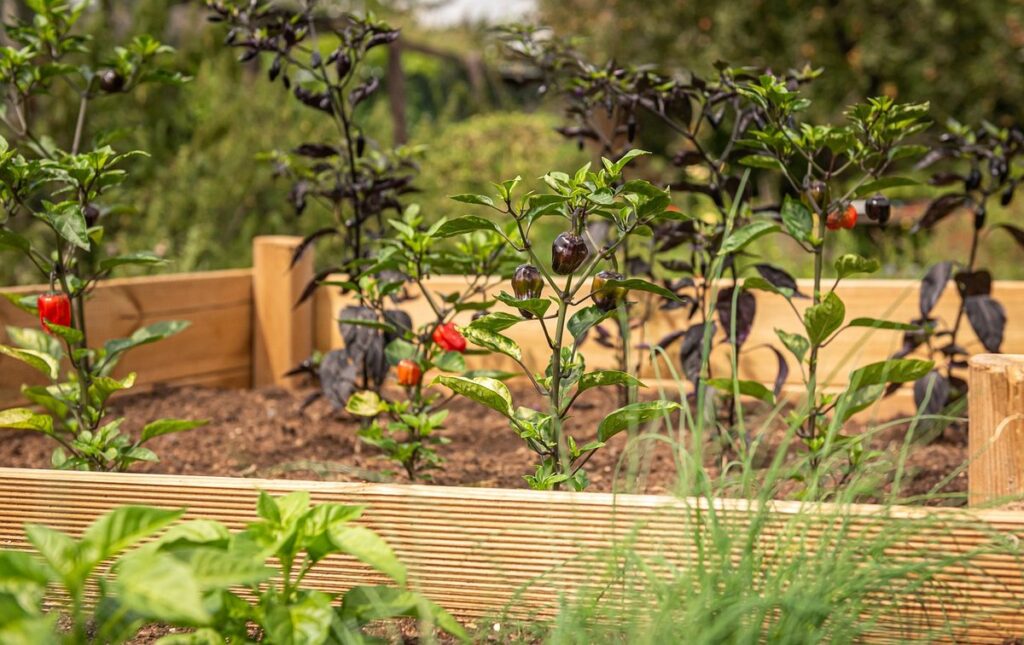
Before planting tomatoes, it’s essential to prepare your soil and raised bed by loosening the top layer of soil and adding organic matter to improve drainage and fertility. This will give your tomato plants a healthy start.
Choosing the Right Location for Your Raised Bed
When it comes to choosing the right location for your raised bed, there are several factors to consider. Sunlight is one of the most critical elements, as tomatoes need at least 6 hours of direct sunlight per day to thrive. If you have a spot that receives full sun, great! But if not, don’t worry – you can still grow delicious tomatoes in a partially shaded area. Just be aware that your yield may be lower.
Another crucial factor is drainage. Tomatoes hate wet feet, so make sure the location has good water flow and isn’t prone to waterlogging. You want the soil to drain quickly, allowing roots to breathe and preventing fungal diseases from taking hold.
Consider accessibility as well. If you plan on using a raised bed with a trellis or support system for your tomatoes, choose a spot that’s close to a water source and easy to reach. This will save you time and effort in the long run. Think about the layout of your garden and how often you’ll need to tend to your tomato plants – select a location that makes maintenance a breeze!
Building or Preparing Your Raised Bed
Building a raised bed from scratch can be a fun and rewarding experience. To start, gather the necessary materials: 2″ x 6″ or 2″ x 8″ lumber for the frame, wood screws, weather-resistant wood glue, and a drill. Consider using reclaimed or sustainably-sourced wood to create an eco-friendly raised bed.
When building your raised bed, focus on creating a sturdy structure that can support the weight of soil, plants, and potential frost heaving. To do this, use corner brackets or post anchors to secure the frame together. Make sure the corners are square and the frame is level.
For a more DIY-friendly approach, consider using pre-made raised bed frames made from durable materials like recycled plastic or metal. These options often come with a compact design that takes up less space in your garden. When preparing your raised bed for tomato planting, add a 2-3″ layer of compost or well-rotted manure to improve soil fertility and drainage. This will give your tomatoes the best chance to thrive.
Testing and Amending Your Soil
Before planting tomatoes in your raised bed, it’s essential to test and amend your soil. This step may seem tedious, but trust us, it makes a significant difference in the health and productivity of your tomato plants.
First, let’s talk about pH levels. Most vegetables, including tomatoes, prefer a slightly acidic to neutral soil pH (around 6.0-7.0). If your soil test reveals high acidity or alkalinity, you may need to add lime to raise the pH or sulfur to lower it. You can purchase a DIY soil testing kit online or collect a sample from your garden and send it to a laboratory for analysis.
Once you know your soil’s nutrient content, it’s time to amend it with organic matter and fertilizers if necessary. Mix in 2-3 inches of compost or well-rotted manure to improve soil structure and fertility. You can also apply balanced fertilizer (10-10-10 NPK) according to the manufacturer’s instructions. Be cautious not to over-fertilize, as this can harm your plants.
A good rule of thumb is to add 1 inch of compost per month for the first few months after planting. This will help establish a healthy microbial population and ensure your tomatoes receive all the necessary nutrients.
Selecting the Perfect Tomato Variety
When it comes to growing tomatoes, choosing the right variety is crucial for a bountiful harvest and your personal taste preferences will guide this decision. Let’s explore some popular options together!
Understanding the Different Types of Tomatoes
When selecting the perfect tomato variety for your raised bed garden, it’s essential to understand the different types of tomatoes available. This will help you choose the best fit for your space, climate, and personal preferences.
Cherry tomatoes are one of the most popular varieties, prized for their small size, sweet flavor, and high yields. They grow relatively compactly, making them perfect for smaller spaces or container gardens. Beefsteak tomatoes, on the other hand, are known for their large size and meaty texture. These behemoths require more support and space to sprawl out, but they’re worth it for the juicy flavor.
Roma tomatoes fall somewhere in between, with elongated shapes and dense flesh that’s perfect for canning or sauces. They tend to be more disease-resistant than other varieties and have a slightly sweeter taste. No matter which type you choose, make sure to select disease-resistant seeds from a reputable supplier to minimize the risk of fungal infections.
When planting multiple varieties in your raised bed, consider their growth habits and spatial requirements to ensure they receive adequate sunlight and air circulation.
Factors to Consider When Choosing a Tomato Variety
When choosing a tomato variety for your raised bed, several factors come into play. First and foremost, consider your climate. Some varieties are bred specifically for cooler or warmer temperatures, so it’s essential to choose one that thrives in your area. For example, if you live in a region with hot summers, look for heat-tolerant varieties like ‘Patio’ or ‘Tiny Tim’. If you’re in an area with shorter growing seasons, opt for early-producing varieties like ‘Early Girl’ or ‘Red Robin’.
Another crucial factor is disease resistance. Some tomato varieties are bred to be resistant to common diseases like verticillium and fusarium wilt. These varieties often have built-in immunity to these diseases, which can save you the hassle of constant monitoring and treatment.
Lastly, think about your personal preferences when it comes to flavor profile. Do you prefer sweet, tangy tomatoes or more acidic ones? Some popular varieties for raised beds include ‘Brandywine’, known for its rich, complex flavor, and ‘Cherry Roma’, prized for its high acidity and sweetness balance.
Tips for Saving Seeds from Your Harvest
Saving seeds from your harvested tomatoes is not only cost-effective but also ensures you have a consistent crop year after year. To save seeds successfully, it’s essential to start with healthy, disease-free tomatoes that produce desirable traits. Begin by selecting the plumpest, most flavorful fruits and allow them to ripen fully on the plant.
To dry the seeds, cut open the tomato, scoop out the seeds and gel-like pulp, and place them in a single layer on a paper towel or clean cloth. Allow the seeds to air-dry for 7-10 days in a warm, dry spot, such as an attic or a sunny windowsill. You can also use a desiccant like silica gel or a dehydrator set at its lowest temperature setting.
Once the seeds are completely dry and brittle, store them in airtight containers, such as glass jars or envelopes, to maintain their viability. Label each container with the tomato variety name and date harvested. Store the containers in a cool, dark place like a pantry or cupboard.
Planting Tomatoes in Your Raised Bed
Now that you’ve built your raised bed and prepared the soil, it’s time to carefully select and plant the perfect tomato varieties for a bountiful harvest. Let’s dive into the specifics of planting tomatoes in your raised bed.
Preparing the Seedlings for Transplantation
Before transplanting your seedlings into the raised bed, it’s essential to harden them off. This process allows the young plants to gradually acclimate to outdoor conditions, reducing shock and increasing their chances of survival.
Start by bringing the seedlings under partial shade for 7-10 days before moving them outside. Gradually increase their exposure to sunlight over this period. You can do this by moving them from a shaded area to a sunny spot in your garden for a few hours each day, then returning them to the shade. Repeat this process until they’re ready for full sun.
Gentle handling is crucial during this time. Avoid sudden movements or jarring that could cause damage to the seedlings’ delicate roots. Instead, gently lift and move them as needed, making sure not to touch their leaves or stems excessively. Remember, your goal is to help the plants transition smoothly from indoors to outdoors.
This gentle approach will pay off in the long run. Well-hardened-off seedlings will establish themselves more quickly in the raised bed, resulting in a healthier and more productive tomato crop.
Planting Tomatoes at the Right Depth and Spacing
When planting tomatoes in your raised bed, it’s essential to get the depth and spacing just right. This will allow for optimal root development and air circulation, which are crucial for a healthy and productive crop.
Tomato plants typically require a deeper soil profile than other vegetables, as their roots can grow quite extensive. A good rule of thumb is to plant tomatoes at a depth of around 18-24 inches, with the first true leaves just above the soil surface. This will give the roots plenty of room to develop and absorb nutrients.
In terms of spacing, aim for about 2-3 feet between each plant, depending on the variety you’re growing. Leaving enough space allows for good air circulation, which helps prevent diseases like blight and septoria. It also makes it easier to support the plants as they grow, whether with cages or a trellis.
Remember that compact varieties can be planted closer together, around 12-18 inches apart. However, even these will benefit from some space between them for air circulation and easy access.
Mulching and Watering Tips for Newly Planted Tomatoes
Mulching and watering newly planted tomatoes is crucial for their growth and development. When mulching around tomato plants, use a thin layer of organic material such as straw, bark chips, or grass clippings to retain moisture and suppress weeds. Keep the mulch 2-3 inches away from the stem to prevent waterlogged soil.
To maintain consistent soil moisture levels, water your tomatoes deeply once or twice a week, depending on weather conditions. Avoid frequent shallow watering, which can lead to weak roots and reduced fruit production. Instead, aim for about 1 inch of water per week, either from rain or irrigation.
Monitor the top 2-3 inches of soil daily by inserting your finger into the soil. If it feels dry, it’s time to water. Keep an eye out for signs of overwatering like yellow leaves and droopy stems. Adjust your watering schedule accordingly to ensure optimal growth and fruit production.
Supporting Tomato Growth and Health
Now that you’ve planted your tomato seedlings, let’s focus on giving them the best possible start: essential tips for supporting their growth and overall health.
Pruning and Training Your Tomato Plants
Pruning and training your tomato plants is an essential step in maximizing their potential. By pruning your tomatoes, you’ll not only encourage healthy growth but also increase yields. Pruned plants tend to have a more even fruit distribution, allowing each plant to produce more tomatoes overall.
Proper pruning techniques involve removing lower leaves to prevent disease from spreading and promoting air circulation. Remove any weak or spindly growth, as these can become a haven for pests and diseases. Cut back the tip of the main stem by about one-third, which will encourage branching and promote fruiting.
Training your tomato plants involves providing support for their stems. Use tomato cages, trellises, or stakes to keep them upright and secure. This also helps prevent disease from spreading through contact with the soil. Remove any weak growth that tries to grow along the support structure, focusing on encouraging a sturdy main stem with plenty of leafy green growth.
By pruning and training your tomato plants correctly, you’ll enjoy increased yields and reduced susceptibility to disease.
Pest and Disease Management in Raised Beds
Pests and diseases can quickly spread through raised beds, harming your tomato plants and reducing yields. Among the common issues that plague tomatoes in raised beds are hornworms, aphids, and fungal infections.
Hornworms are large, green caterpillars that feed on leaves and stems, causing significant damage. To control them, hand-pick them off at night when they’re most active, or use organic pesticides like Bt (Bacillus thuringiensis) or spinosad. Aphids, on the other hand, can be managed with neem oil, horticultural oil, or soap-based insecticides.
Fungal infections, such as powdery mildew and early blight, are often caused by poor air circulation and high humidity. Improve drainage by adding organic matter like compost, and ensure good spacing between plants to promote airflow. Regularly inspect your plants for signs of infection, and treat promptly with fungicides like copper-based products or sulfur.
To prevent these issues altogether, maintain a clean growing environment, disinfect tools regularly, and avoid overwatering. By being proactive and monitoring your plants closely, you can enjoy healthy, thriving tomatoes in your raised bed.
Fertilizing Your Tomatoes Throughout the Growing Season
Fertilizing your tomatoes throughout their growing season is crucial for optimal growth and production. As they develop from seedlings to mature plants, tomato plants require a balanced diet of essential nutrients to thrive.
During the initial stages of growth (around 2-3 weeks after planting), use a balanced fertilizer with an N-P-K ratio of 10-10-10 or 20-20-20. This will provide the necessary nitrogen, phosphorus, and potassium for seedlings to develop strong root systems and establish themselves in the raised bed. You can apply this fertilizer according to package instructions, usually about once a month.
As your tomato plants begin to produce fruit (around 4-6 weeks after planting), switch to a high-phosphorus fertilizer (e.g., 10-20-10). This will promote fruit development and encourage healthy growth. Consider making compost tea by steeping compost in water for 24 hours – this liquid solution is rich in beneficial microbes that will help repel pests and diseases.
Avoid over-fertilizing, as this can lead to weakened plant health and reduced yields. Instead, focus on providing a balanced diet of nutrients at different stages of growth, using the guidance above as a starting point.
Harvesting Your Tomato Crop
Now that your tomato plants are thriving, it’s time to focus on harvesting their bounty, and we’ll walk you through the process of picking them at just the right moment.
Monitoring for Ripeness and Color Change
Monitoring for Ripeness and Color Change is crucial to ensure you harvest your tomatoes at their peak flavor and texture. As a raised bed tomato grower, you’ll want to keep an eye on these visual cues: the color of the fruit, its shape, and any slight softening or yellowing of the skin. For example, beefsteak tomatoes will turn from green to deep red, while cherry tomatoes transition from green to yellow or orange.
But don’t just rely on looks – taste is a great indicator too! Gently squeeze the tomato; if it yields slightly but still has some firmness, it’s ready. If you’re growing heirloom varieties like Brandywine or Cherokee Purple, the flavor and texture will vary depending on when they’re picked, so be prepared to taste as you go.
Timing is everything – for determinate varieties like Roma, harvest in 60-70 days, while indeterminate varieties like Better Boy will take around 80-90 days. Don’t worry if some tomatoes are slightly green or unripe; pick them anyway and they’ll ripen off the vine. Remember that a single stem can produce multiple clusters of fruit, so plan to visit your raised bed regularly for optimal results!
Techniques for Hand-picking Tomatoes Without Damaging Them
When it’s time to harvest your tomato crop from your raised bed, handling the fruit gently is crucial to avoid bruising and damage. To minimize the risk of injury, start by carefully examining each plant for signs that the tomatoes are ripe. A slight give when pressed or a yellowing of the stem near the fruit can indicate readiness.
As you begin hand-picking, take care not to touch the delicate skin of the tomato excessively. Instead, support the fruit gently with one hand while plucking it from the stem with your other. This technique will help reduce friction and minimize damage to the skin.
For larger, more mature tomatoes, consider twisting them gently rather than pulling directly. This motion helps avoid straining the stem and causing unnecessary stress on the plant. Remember that not all fruits are ready at the same time; be prepared to harvest multiple times over several days or even weeks as your crop ripens.
Preserving Your Harvest Through Canning, Freezing, or Dehydrating
As you’ve worked hard to nurture your tomato crop in your raised bed, it’s essential to preserve those fresh tomatoes for year-round enjoyment. Fortunately, there are several methods to choose from: canning, freezing, and dehydrating.
Canning is a great way to enjoy tomatoes throughout the winter months. It involves heating the tomatoes to a high temperature to kill off bacteria, then sealing them in sterilized jars. This method allows you to make sauces, soups, and other tomato-based dishes with ease. However, it does require some specialized equipment, such as a water bath canner or pressure canner.
Freezing is another excellent option for preserving tomatoes. You can simply chop or puree the tomatoes and place them in an airtight container or freezer bag. Frozen tomatoes are perfect for soups, stews, and sauces. They’re also easy to use in baked goods like bread and muffins.
Dehydrating removes the water content from the tomatoes, making them lightweight and compact. You can use a dehydrator or even your oven on the lowest temperature setting. Dehydrated tomatoes are great for adding flavor to dishes without added moisture. Plus, they’re easy to store in airtight containers or zip-top bags.
To get started with any of these methods, be sure to research and follow safe food preservation practices to avoid contamination and spoilage. With a little practice and patience, you’ll be enjoying your preserved tomatoes all year round!
Frequently Asked Questions
What if I have limited space for my raised bed, can I still grow tomatoes?
You can definitely grow tomatoes in a small raised bed! Consider growing compact or dwarf varieties that are specifically bred for smaller spaces. These plants will be just as productive as larger varieties but require less room to spread out.
How often should I water my newly planted tomato seedlings?
Newly planted tomato seedlings need consistent moisture, especially during the first few weeks after transplanting. Water them gently but thoroughly once or twice a week, depending on weather conditions. Make sure the soil is moist but not waterlogged to prevent root rot.
Can I use regular garden mulch in my raised bed for tomatoes?
While regular garden mulch can be beneficial, it’s best to avoid using it directly beneath your tomato plants. Tomato plants have delicate roots that can be damaged by thick or dense mulches. Instead, use a thin layer of organic mulch like straw or grass clippings around the base of your plants.
How do I prevent blossom-end rot on my tomatoes?
Blossom-end rot is a common issue caused by calcium deficiency in tomato plants. To prevent it, make sure to add calcium-rich fertilizers to your soil and maintain consistent moisture levels during fruiting. You can also provide extra calcium by using crushed eggshells or dolomitic limestone around the base of your plants.
Can I save seeds from my harvested tomatoes for next season’s crop?
Yes! Saving seeds from your harvested tomatoes is a great way to preserve heirloom varieties and ensure a steady supply of fresh, homegrown produce. To save seeds, wait until they’re fully ripe, then extract the seeds from the fruit and dry them thoroughly before storing in an airtight container.