
If you’re new to growing your own sunchoke roots, congratulations on taking the first step towards harvesting this delicious and nutritious crop! Sunchokes are an excellent choice for gardeners who want to add some variety to their diet. But let’s face it – planting sunchokes can be a bit intimidating, especially if you’ve never done it before. That’s why we’ve put together a comprehensive guide on how to plant sunchoke roots successfully. In this article, we’ll walk you through the process of choosing the right variety for your climate and needs, evaluating the quality of the root, and caring for newly planted sunchokes. By following our step-by-step instructions, you’ll be well on your way to growing a bountiful harvest of these tasty tubers.
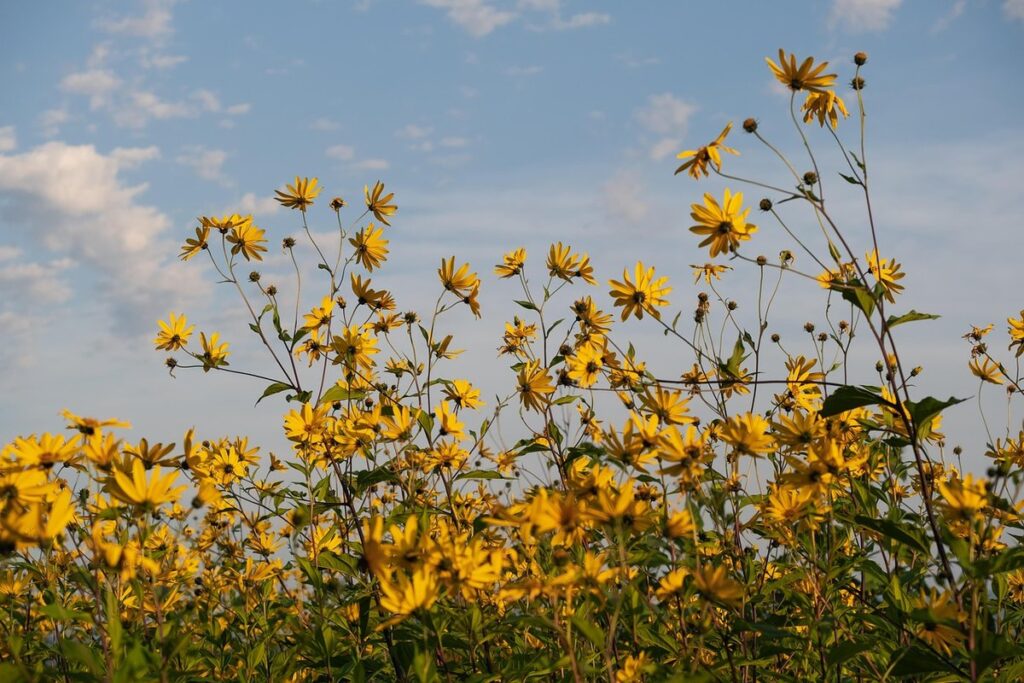
Choosing the Right Sunchoke Variety
When selecting sunchoke varieties, it’s essential to consider factors such as climate adaptability and preferred flavor profile. This section will guide you through the selection process.
Understanding Sunchoke Types
When selecting sunchoke varieties for your garden, it’s essential to consider factors such as climate and desired harvest time. There are several types of sunchokes available, each with its unique characteristics and growth habits.
Some popular sunchoke varieties include ‘Jersey Bane’, ‘Mammoth’, and ‘Viking’. ‘Jersey Bane’ is a compact variety that matures quickly, making it ideal for cooler climates or early harvests. It produces smaller tubers but has a higher yield per plant. On the other hand, ‘Mammoth’ is a larger variety with bigger tubers, but it takes longer to mature and requires more space.
When choosing a sunchoke variety, consider your climate zone and the length of your growing season. If you live in an area with shorter summers, opt for a variety that matures quickly, such as ‘Jersey Bane’. In warmer climates or areas with long growing seasons, larger varieties like ‘Mammoth’ may be more suitable.
Some key factors to consider when selecting sunchoke varieties include:
* Maturity days: Look for varieties that mature within 100-120 days in your specific climate.
* Tubers size and yield: Consider the space you have available and how much you want to harvest.
* Climate hardiness: Choose a variety resistant to common pests and diseases in your area.
Evaluating Root Quality
When selecting fresh sunchokes for planting, it’s crucial to evaluate their quality. A healthy root system is essential for a thriving crop, and evaluating the roots before planting will ensure you’re giving your sunchokes the best start possible.
To begin, inspect the roots for size – ideally, they should be around 1-2 inches in diameter and have at least two or three buds (eyes) on each section. These eyes are where new shoots will emerge, so it’s essential to choose roots with multiple buds for optimal growth. Look for firm, plump roots with no signs of rot or damage.
Eye formation is also a vital factor when evaluating root quality. Healthy sunchokes typically develop their eyes at the base of each section, and these should be spaced evenly apart. If you notice uneven spacing or missing eyes, it may indicate poor growth conditions or disease.
Finally, check the moisture content by gently squeezing the roots between your fingers. A well-hydrated root will yield slightly to pressure but still feel firm. Avoid roots that are too soft or squishy, as these may be waterlogged and more prone to rot in the soil. By evaluating your sunchokes for size, eye formation, and moisture content, you can confidently plant healthy roots and set yourself up for a successful harvest.
Preparing the Planting Site
Before you start digging, it’s essential to prepare your planting site properly. This involves clearing the area of debris and any existing plants that could compete with your sunchokes for nutrients.
Selecting the Right Soil Conditions
When it comes to planting sunchoke roots, selecting the right soil conditions is crucial for their optimal growth. Sunchokes prefer well-draining soils with a pH between 6.0 and 7.0, making them adaptable to various types of soil. However, if your soil falls outside this range, don’t worry – you can adjust it accordingly.
To determine your soil’s pH level, purchase a DIY soil testing kit or send a sample to a lab for analysis. The results will indicate whether your soil needs to be more acidic (lower pH) or alkaline (higher pH). Once you have the pH reading, you can amend your soil with ingredients like lime to raise the pH or sulfur to lower it.
In terms of nutrient requirements, sunchokes are heavy feeders and benefit from rich soil that’s high in nitrogen, phosphorus, and potassium. Compost or manure-rich soils will provide the necessary nutrients for healthy growth. Make sure to till your soil before planting to a depth of about 12 inches to loosen any compacted areas and improve drainage.
Regularly checking your soil’s moisture levels is also essential to prevent waterlogged conditions that can lead to root rot. Aim for about an inch of water per week, either through rainfall or irrigation, and avoid overwatering by allowing the top inch of soil to dry out between waterings.
Sunchoke Depth and Spacing Considerations
When planting sunchokes, it’s essential to consider the optimal depth and spacing to ensure their health and productivity. The ideal depth for sunchoke roots is between 2-4 inches (5-10 cm) below the soil surface. Planting them too shallow can lead to damage from frost heaving or extreme temperatures.
For air circulation, plant sunchokes at least 12-18 inches (30-45 cm) apart in rows that are spaced 24-36 inches (60-90 cm) apart. This allows for sufficient airflow between plants and promotes healthy growth. If you’re planting multiple rows, stagger the rows to create a triangular pattern. This will provide maximum sunlight exposure and prevent shading.
Consider your sunchoke variety’s specific requirements when deciding on spacing. Some varieties can grow quite large, while others remain compact. Make sure to check the seed packet or consult with a local nursery for guidance on the best planting density for your specific variety. By following these guidelines, you’ll be able to provide your sunchokes with the optimal growing conditions they need to thrive.
Planting Sunchoke Roots
When it comes time to plant your sunchokes, you’ll want to make sure you’re doing it right. In this next step, we’ll cover how to successfully plant your sunchokes roots.
Handling and Planting Techniques
When handling sunchoke roots, it’s essential to take extra care to minimize root damage and promote even growth. Start by gently washing the roots under cold running water to remove any dirt or debris. This will help prevent soil-borne diseases from spreading to your newly planted sunchokes.
Next, trim any damaged or weak roots with a sterile knife or pruning tool. Cut at an angle, just above a node (where a root meets another root), as this will encourage new growth. Be careful not to over-prune, as this can stress the plant and lead to poor establishment.
When planting, place the sunchoke roots in the hole with the buds (small white swellings on the root) facing upwards. Space them 12-18 inches apart, depending on your soil type and desired yield. Water thoroughly after planting and keep the soil consistently moist during the first few weeks. This will help establish a strong root system and promote healthy growth.
Watering and Mulching Best Practices
When planting sunchokes, proper watering and mulching practices are crucial to ensure their establishment and long-term success. Waterlogged soil can be detrimental to the roots, leading to rot and other problems, while inconsistent moisture levels can cause stress and stunt growth.
To prevent waterlogged soil, avoid overwatering your newly planted sunchokes. Instead, focus on providing a consistent supply of moisture, especially during the first few weeks after planting. Water them when the top 2-3 inches of soil feel dry to the touch, and make sure not to wash away any loose soil that may be holding the roots in place.
Mulching around your sunchokes is also essential for retaining moisture, suppressing weeds, and regulating soil temperature. Organic mulch options like straw or wood chips work well, as they break down slowly over time without altering the soil chemistry. Apply a 2-3 inch layer of mulch around the plants, keeping it a few inches away from the crown to prevent moisture buildup.
Remember that sunchokes are drought-tolerant, so you can skip watering them during periods of moderate rain. However, if your area experiences an extended dry spell, make sure to provide supplemental irrigation to keep the soil consistently moist. With proper care and attention, your sunchokes will thrive, providing a bountiful harvest for years to come.
Caring for Newly Planted Sunchokes
Now that you’ve successfully planted your sunchokes, it’s essential to provide them with proper care to ensure they thrive and establish a strong root system. Watering, mulching, and monitoring for pests will be crucial in these early stages.
Initial Growth Stages and Challenges
During the initial growth stages of sunchokes, several challenges may arise that can hinder their development. One common issue is pest infestation, particularly from slugs and snails, which can cause significant damage to young plants. To prevent this, it’s essential to maintain a clean growing environment by removing weeds and debris regularly.
Another challenge is nutrient deficiencies, often caused by poor soil quality or inadequate fertilization. Sunchokes require a rich supply of nutrients, especially potassium, phosphorus, and magnesium. Consider getting your soil tested to determine its pH level and nutrient content. Based on the results, you can amend the soil with organic matter such as compost or manure.
Regular watering and monitoring are also crucial during this period. Overwatering can lead to root rot, while underwatering may cause stunted growth. Keep an eye out for signs of disease like yellowing leaves or black spots. By addressing these potential challenges proactively, you can create a conducive environment for your sunchokes to thrive in their initial growth stages.
Fertilization and Pruning Requirements
As your sunchoke plants mature, they’ll require regular fertilization and pruning to optimize yields. Start with a balanced fertilizer that’s high in potassium and phosphorus, as these will promote healthy root growth and tuber development. Apply the first application 2-3 weeks after planting, followed by additional applications every 4-6 weeks throughout the growing season.
For pruning, focus on removing any dead or damaged leaves to prevent disease and encourage new growth. You can also trim back tips of stems to around 12 inches from the ground, which will help redirect energy towards tuber production. Timing is crucial; do this about a month before the first frost, allowing the plants to harden off for winter.
To maximize yields, consider “topping” your sunchoke plants by cutting them back halfway in late summer. This technique helps to redirect energy towards tuber growth and often results in larger, more robust tubers. Don’t be afraid to experiment with different pruning techniques – it’s all part of the process of finding what works best for your specific growing conditions and needs.
Sunchoke Harvesting Techniques
Now that you’ve successfully planted your sunchokes, it’s time to learn how to harvest them for a bountiful crop and delicious edible roots. We’ll walk through efficient harvesting techniques.
Identifying Mature Roots
When it’s time to harvest sunchoke roots, one of the most crucial steps is identifying which ones are mature and ready for digging. Mature sunchokes typically have a distinct appearance that signals their readiness.
A key indicator of maturity is root size. Harvest sunchoke roots when they reach a minimum diameter of 1-2 inches (2.5-5 cm). This size will ensure the best flavor, texture, and yield. Compare this to young, immature sunchokes which may appear smaller or more fragile.
Color is also an essential signifier of maturity in sunchokes. The roots should have a rich brown or tan color with visible signs of age on their skin. Avoid selecting any roots that are pale, shriveled, or covered in new growth. Mature sunchoke roots will often produce multiple shoots from the base, which can be cut off and left to regrow.
When selecting mature sunchokes, choose those with well-developed crowns and few signs of damage or disease. This will help ensure a healthy and bountiful harvest.
Harvesting and Post-Harvest Care
When it’s time to harvest your sunchokes, take care to do so without causing damage to the roots. Harvesting sunchoke roots is a delicate process that requires attention to detail and the right techniques. To minimize damage and preserve the crop for future use, start by gently loosening the soil around the base of each plant using a fork.
Next, carefully lift the sunchoke root out of the ground, making sure not to pull on the leaves or stem. Cut the foliage back to about an inch from the crown of the root with a sharp knife or pruning shears. This will help reduce moisture loss and prevent new growth from forming before replanting.
For optimal storage, place harvested sunchokes in a cool, dark location with good ventilation. The ideal temperature for storing sunchokes is between 32°F and 40°F (0°C to 4°C). You can also store them in a sealed container or plastic bag in the refrigerator.
Frequently Asked Questions
Can I plant sunchokes in containers if I don’t have a lot of space?
Yes, you can grow sunchoke roots in containers, making them an excellent choice for small gardens or balconies. However, ensure your container is at least 6-8 inches deep to accommodate the roots’ growth. Also, keep in mind that sunchokes are sensitive to drying out, so be sure to water them regularly.
How long does it take for sunchoke tubers to mature after planting?
The time it takes for sunchokes to mature can vary depending on factors like climate and variety. Generally, you can expect to harvest tubers within 90-120 days after planting. Keep an eye out for signs of maturity, such as the leaves beginning to turn yellow or die back.
Can I plant multiple sunchoke varieties in the same bed?
While it’s technically possible to grow different sunchoke varieties together, it’s not always recommended. Sunchokes have varying growth habits and maturation times, which can lead to overcrowding and reduced yields. Consider separating different varieties by at least 3 feet to avoid competition for resources.
What should I do if my sunchokes don’t produce tubers?
If your sunchoke plants aren’t producing tubers, it could be due to a few reasons: inadequate soil depth, insufficient watering, or poor soil quality. Check that your soil is at least 6-8 inches deep and has the right pH (around 6.0-7.0) for sunchokes. Also, ensure you’re providing enough moisture during the growing season.
Can I harvest sunchoke tubers in the fall or should I wait until spring?
While it’s technically possible to harvest sunchoke tubers in the fall, it’s generally recommended to wait until early spring when the soil has warmed up and new growth begins. Harvesting too early can lead to poor yields and reduced quality of the tubers. Wait for signs like yellow or wilted leaves to indicate maturity.