
Strawberry lovers rejoice! If you’re looking for a foolproof way to grow your favorite fruit at home, you’re in luck. Planting strawberry runners is a fantastic way to multiply your crop and enjoy fresh strawberries all season long. Not only is it cost-effective, but it’s also an excellent way to get started with growing your own food.
But where do you start? Choosing the right location, preparing the soil, and providing optimal care are crucial steps in getting your strawberry runners off to a great start. In this step-by-step guide, we’ll cover everything you need to know about planting strawberry runners, from ideal locations and soil conditions to caring techniques that will ensure a bountiful harvest. Whether you’re a seasoned gardener or just starting out, our guide is designed to help you grow delicious strawberries with ease.
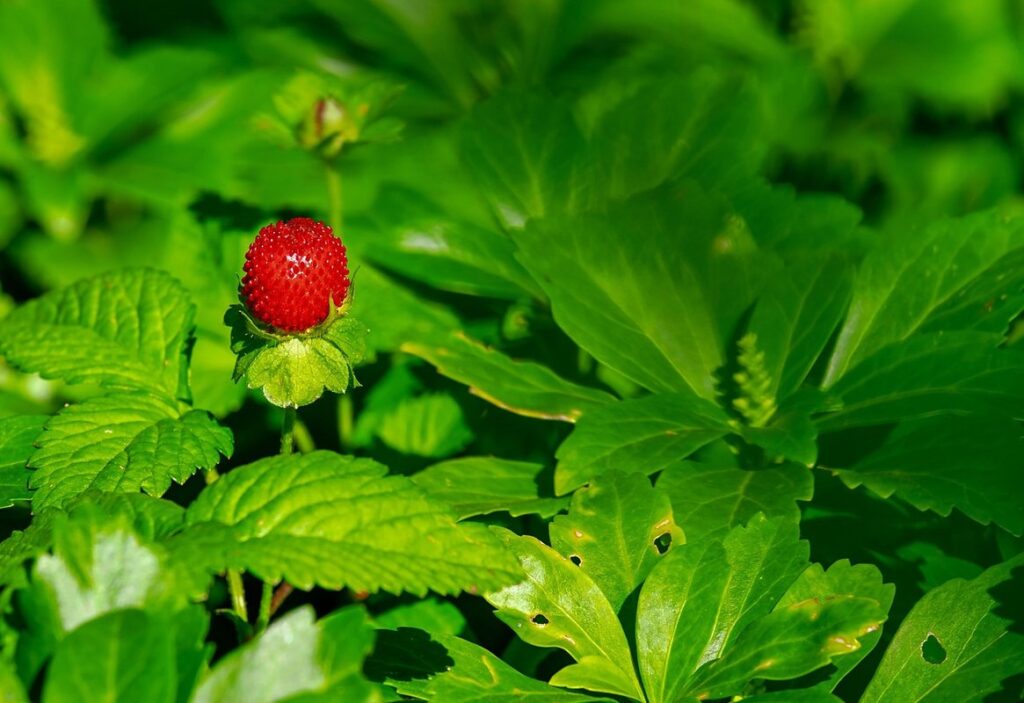
Choosing the Right Location and Soil Conditions
When planting strawberry runners, selecting a suitable location and soil conditions is crucial for their growth and productivity. Let’s explore how to choose the perfect spot for your new strawberries.
Understanding the Requirements of Strawberry Plants
When planting strawberry runners, it’s essential to understand the specific requirements of these plants to ensure they thrive. Strawberry plants prefer a temperate climate with moderate temperatures between 35°F and 85°F (2°C and 30°C). They also require full sun, with at least six hours of direct sunlight per day.
In terms of soil conditions, strawberry plants need well-draining soil that is rich in organic matter. The ideal pH range for strawberries is between 5.5 and 6.5. If your soil is heavy clay or prone to waterlogging, consider raising the beds or adding a layer of compost to improve drainage.
Avoid planting strawberry runners in areas with standing water or where water tends to collect. This can lead to root rot and other diseases that can decimate your crop. To ensure good air circulation and prevent fungal diseases, space your strawberry plants at least 18 inches apart. By understanding these basic requirements, you’ll be well on your way to growing healthy and productive strawberry plants from your runners.
Preparing the Site: Clearing and Testing the Soil
Before planting your strawberry runners, it’s essential to prepare the site where they will be planted. This involves clearing any debris or weeds that may be present. Start by removing any rocks, sticks, and other obstructions from the area. Then, use a tool like a fork or a hoe to loosen and remove any existing weeds. Make sure to get as much of the root system out as possible to prevent regrowth.
Next, test the pH level of your soil using a soil testing kit. Strawberries prefer slightly acidic to neutral soil with a pH between 5.5 and 6.5. If your soil is too alkaline or acidic, you may need to add lime or sulfur to adjust the pH. For example, if your soil has a pH of 7.2, adding some sulfur can help bring it down to the ideal range.
It’s also a good idea to check for nutrient deficiencies, especially nitrogen, phosphorus, and potassium. You can use a fertilizer specifically formulated for strawberries or add compost to enrich the soil. A well-prepared site will give your strawberry runners the best chance of thriving and producing delicious fruit.
Obtaining Healthy Strawberry Runners
To obtain healthy strawberry runners, you’ll need to carefully select and prepare them for planting, which involves choosing strong and vigorous stems with good foliage.
Sourcing Strawberry Plants from a Reputable Supplier
When sourcing strawberry plants from a reputable supplier, it’s crucial to prioritize obtaining healthy runners. Healthy strawberry plants are more likely to thrive and produce abundant fruit. A trusted supplier will provide high-quality plants that have been properly cared for and handled.
To identify high-quality strawberry runners, look for suppliers that offer certified disease-free plants or those that have been grown in a controlled environment. These conditions minimize the risk of pests and diseases being introduced to your garden. Additionally, reputable suppliers often provide detailed growing instructions and support for their customers.
When selecting strawberry runners from a supplier, choose plants with vigorous growth, bright green leaves, and no signs of damage or disease. Healthy roots are essential for establishing strong plants, so look for runners with well-developed root systems. By sourcing high-quality strawberry plants from a trusted supplier, you set your garden up for success and ensure a bountiful harvest of delicious strawberries.
Understanding Different Types of Strawberry Plants
When it comes to planting strawberry runners, understanding the different types of strawberry plants is crucial for optimal growth and productivity. There are primarily three types of strawberry plants: June-bearing, everbearing, and day-neutral varieties.
June-bearing strawberries produce one large crop per year, typically from May to July. These plants require a period of chill hours (around 30-40 hours below 45°F) to induce flowering. They are often self-fertile, but some may benefit from cross-pollination. Examples of June-bearing strawberry varieties include ‘Earliglow’ and ‘Allstar’. For these types, plan your planting so that they bloom in late spring when the weather is warmer.
Everbearing strawberries produce two or more crops per year – one in spring and another in fall. They require less chill hours than June-bearing varieties but still need some cold period to initiate flowering. Everbearing strawberry varieties like ‘Camarosa’ and ‘Albion’ are ideal for continuous production throughout the growing season.
Day-neutral strawberries, as the name suggests, produce flowers continuously throughout the growing season without regard to day length or temperature fluctuations. These plants are perfect for areas with mild winters and warm summers. They require minimal chill hours and can tolerate a wide range of temperatures. Some popular day-neutral strawberry varieties include ‘Seascape’ and ‘Fern’.
Planting Strawberry Runners in the Ground
Now that you’ve prepared your strawberry runners, let’s get them safely planted into well-draining soil where they can thrive and produce new growth. This is a crucial step to ensure their success in your garden.
Preparing the Bed: Spacing and Depth Considerations
When preparing the bed for planting strawberry runners, it’s essential to consider both spacing and depth. The ideal spacing between plants depends on the variety you’re using. For example, if you’re growing a compact or dwarf variety, you can plant them as close as 6-12 inches apart. However, larger varieties may need more space, typically around 18-24 inches between each plant.
In terms of depth, make sure to plant the runners about an inch deep in the soil. This will help establish a strong root system and promote healthy growth. You can also add a layer of compost or well-rotted manure to improve soil fertility and drainage.
When digging the bed, try to loosen the soil to a depth of around 12-18 inches. This will allow the roots to spread out and absorb nutrients more efficiently. Avoid compacting the soil too much, as this can prevent water from reaching the roots. By getting the spacing and depth right, you’ll set your strawberry plants up for success and enjoy a bountiful harvest.
Planting the Runners: A Step-by-Step Process
When planting the runners, start by gently removing them from their potting mix, taking care not to damage the delicate roots. Begin by loosening the soil around the base of each runner with a gentle prying motion using a fork or a small garden tool. Once you’ve exposed about an inch of stem below the soil line, use your fingers or a blunt instrument like a chopstick to carefully tease out any remaining roots from the potting mix.
Next, trim back any long stolons (the above-ground stems that produce new plants) to about 6-8 inches in length. This will help prevent waterlogging and promote better establishment of the new plants in their new soil environment. Plant each runner at a depth of around an inch below the soil surface, spreading out the roots evenly.
Make sure to space them about 12-18 inches apart, depending on the variety, as over-crowding can lead to reduced fruiting and increased disease susceptibility. As you plant, water gently but thoroughly to settle the soil and provide a good soaking.
Caring for Strawberry Plants
Once you’ve planted your strawberry runners, it’s time to give them some TLC. In this next part of our guide, we’ll cover how to properly care for your new strawberry plants.
Watering and Mulching Strategies for Optimal Growth
Proper watering and mulching are crucial for promoting healthy growth and preventing common issues like fungal diseases in strawberry plants. As you plant your strawberry runners, make sure to water them thoroughly after planting and keep the soil consistently moist during the first few weeks.
For optimal growth, aim to provide about 1-2 inches of water per week, either through rainfall or irrigation. Avoid overwatering, which can lead to root rot and other problems. Check the soil moisture by inserting your finger into the soil up to the knuckle; if it feels dry, it’s time for watering.
Mulching is also essential for retaining moisture and suppressing weeds that compete with your strawberry plants for nutrients. Use a 2-3 inch layer of organic mulch like straw or wood chips around the plants, keeping it a few inches away from the crowns to prevent moisture buildup.
Regularly inspect your plants for signs of fungal diseases, such as powdery mildew or crown rot, and take corrective action promptly if you notice any issues.
Fertilizing Strawberry Plants: A Balanced Approach
Fertilizing strawberry plants is a crucial aspect of their growth and fruit production. As you plant your strawberry runners, keep in mind that a balanced approach to fertilization will help them thrive.
When choosing a fertilizer for your strawberry plants, opt for one that is high in nitrogen (N), phosphorus (P), and potassium (K). A general-purpose 10-10-10 N-P-K ratio fertilizer works well. However, consider using a strawberry-specific fertilizer if available, as it will have a more tailored nutrient profile.
As for application rates, follow the manufacturer’s instructions or use these guidelines: during the first growing season, apply a balanced fertilizer once a month at half the recommended rate. For established plants, apply the full recommended amount every 6-8 weeks during the growing season.
Remember that excessive fertilization can harm your strawberry plants, so it’s essential to monitor their response and adjust your application schedule accordingly.
Common Issues and Troubleshooting
We know things don’t always go as planned, so let’s tackle some common issues you might encounter when planting strawberry runners.
Identifying and Addressing Pests and Diseases
As you’re planting your strawberry runners, it’s essential to be aware of common pests and diseases that can affect these plants. Slugs and snails are notorious for their love of strawberries, so keep an eye out for these slimy critters. They often leave behind a trail of slime and can cause significant damage if left unchecked. To control them, use copper tape around the planters or hand-pick them at night when they’re most active.
Another common issue is powdery mildew, a fungal disease that causes a white, powdery coating on leaves. This can be prevented by providing good air circulation and watering carefully to avoid overhydration. If you do notice powdery mildew, treat the affected areas with a fungicide specifically designed for strawberries.
Regularly inspect your plants for signs of pests or diseases, such as tiny eggs, holes in leaves, or yellowing foliage. Catching these issues early can save your strawberry runners from significant damage and ensure a bountiful harvest.
Resolving Growth Problems: Tips for Overcoming Obstacles
When planting strawberry runners, it’s not uncommon to encounter growth problems that hinder fruit production. Poor fruiting and inadequate plant growth can be frustrating issues to tackle, but don’t worry – we’ve got you covered.
One common problem is poor soil quality. Strawberries need well-draining, fertile soil to thrive. If your soil lacks essential nutrients or has poor drainage, it may affect plant growth. To resolve this, test your soil pH and adjust it if necessary. Add organic matter like compost or manure to improve soil fertility.
Another issue is inadequate sunlight. Strawberry plants require at least six hours of direct sunlight per day to produce plenty of fruit. If you’re planting in a shaded area, consider relocating the runners to a sunnier spot.
Inadequate watering can also stifle plant growth. Make sure to water your strawberry plants regularly, but avoid overwatering, which can lead to root rot and other problems.
To overcome these obstacles, start by addressing any underlying issues with your soil or environment. By taking proactive steps to improve growing conditions, you’ll be well on your way to a bountiful harvest of juicy strawberries.
Harvesting and Maintaining Your Strawberry Crop
Now that you’ve successfully planted your strawberry runners, it’s time to focus on harvesting and maintaining them for a bountiful yield. This means regularly checking in on their progress and pruning the plants as needed.
Timing the Harvest: Understanding Strawberry Fruit Ripeness
Timing the harvest is crucial for strawberry growers to ensure they pick their fruits at the optimal ripeness. A ripe strawberry is not only sweeter but also has a better texture and appearance. To determine if your strawberries are ready, gently lift one from the plant and check its color, shape, and firmness.
A ripe strawberry typically has a bright red or purple hue, depending on the variety. The color will be more vibrant near the stem end and gradually fade towards the leaves. Avoid squeezing the fruit, as this can damage it. Instead, gently press your finger against the strawberry; if it yields to pressure but still feels firm, it’s ready.
For hand-picking, inspect the plants daily, especially in warmer weather when strawberries mature quickly. Use a gentle touch to avoid bruising the fruits or damaging the leaves. For larger commercial operations, mechanical harvesting can be used. This method involves using specialized equipment that vibrates or brushes the fruits from the plant without causing damage.
When it comes to timing, consider the typical ripening period for your specific strawberry variety and adjust accordingly. Some varieties are ready within 60 days of planting, while others may take up to 90 days. Keep in mind that strawberries continue to ripen after being picked, so avoid over-handling them during harvesting.
Long-Term Care: Tips for Seasonal Maintenance
As your strawberry plants continue to grow and produce runners, it’s essential to implement long-term care strategies to maintain their health and productivity throughout the growing season. One of the most critical aspects of seasonal maintenance is pruning. Regular pruning helps control the plant’s spread, promotes air circulation, and encourages new growth. To prune effectively, remove any dead or damaged leaves and flowers, as well as weak or spindly stems. This will direct the plant’s energy towards producing healthy runners.
Watering is another critical factor in maintaining healthy strawberry plants. Aim to provide about 1-2 inches of water per week, either through rainfall or irrigation. Be mindful not to overwater, which can lead to root rot and other issues. Mulching around the base of your plants can also help retain moisture and regulate soil temperature.
Monitoring for pests is another essential aspect of long-term care. Regularly inspect your plants for signs of common strawberry pests like aphids, slugs, and snails. Implement organic pest control methods whenever possible, such as introducing beneficial insects or using neem oil-based sprays. By incorporating these maintenance strategies into your routine, you’ll be well on your way to a bountiful harvest of delicious strawberries.
Frequently Asked Questions
Can I plant strawberry runners indoors or do they require direct sunlight?
Yes, you can plant strawberry runners indoors, but ensure they receive at least four hours of indirect sunlight per day. This will help them thrive during the growing season. However, keep in mind that indoor conditions may limit their growth and productivity compared to outdoor environments.
How long does it take for strawberry plants to produce fruit after planting?
Strawberry plants typically take 60-90 days to produce flowers and fruit after planting strawberry runners. This timeframe can vary depending on factors like weather, soil quality, and the specific variety of strawberries you’re growing. With proper care, your strawberry plants should be ready to harvest in late spring to early summer.
What’s the best way to propagate strawberry runners for a large-scale harvest?
To propagate strawberry runners on a larger scale, consider dividing them into sections with at least three ‘crowns’ (the part where the leaves meet the stem) each. This will give you more plants to transplant and increase your chances of getting a bountiful harvest.
Can I grow strawberries in containers or do they require large plots of land?
Yes, you can grow strawberries in containers! They thrive in well-draining pots with a minimum depth of 6-8 inches and a diameter of at least 12-18 inches. Just make sure to use a high-quality potting mix and provide regular watering and fertilization.
What are some common pests or diseases that can affect strawberry plants, and how do I prevent them?
Common pests like aphids, slugs, and snails can be managed using neem oil, horticultural soap, or physical barriers. Fungal diseases like powdery mildew and botrytis can be prevented by maintaining good air circulation, avoiding overwatering, and using fungicides as a last resort. Regularly inspect your plants for signs of infestation or disease to catch issues early on.