
Are you ready to grow your own delicious pomegranates from scratch? Planting pomegranate seeds can be a fun and rewarding experience, but it requires some know-how. If you’re new to growing your own fruits or just want to learn how to plant pomegranate seeds successfully, this guide is for you. Choosing the right variety of pomegranate tree is crucial, as some are better suited for container growing or specific climates than others.
In this article, we’ll walk you through everything you need to know to successfully plant and grow pomegranate seeds. From preparing the seeds themselves to providing optimal growing conditions, we’ve got you covered. Whether you’re a seasoned gardener or just starting out, our comprehensive guide will help you learn how to plant pomegranate seeds and enjoy a bountiful harvest in no time.
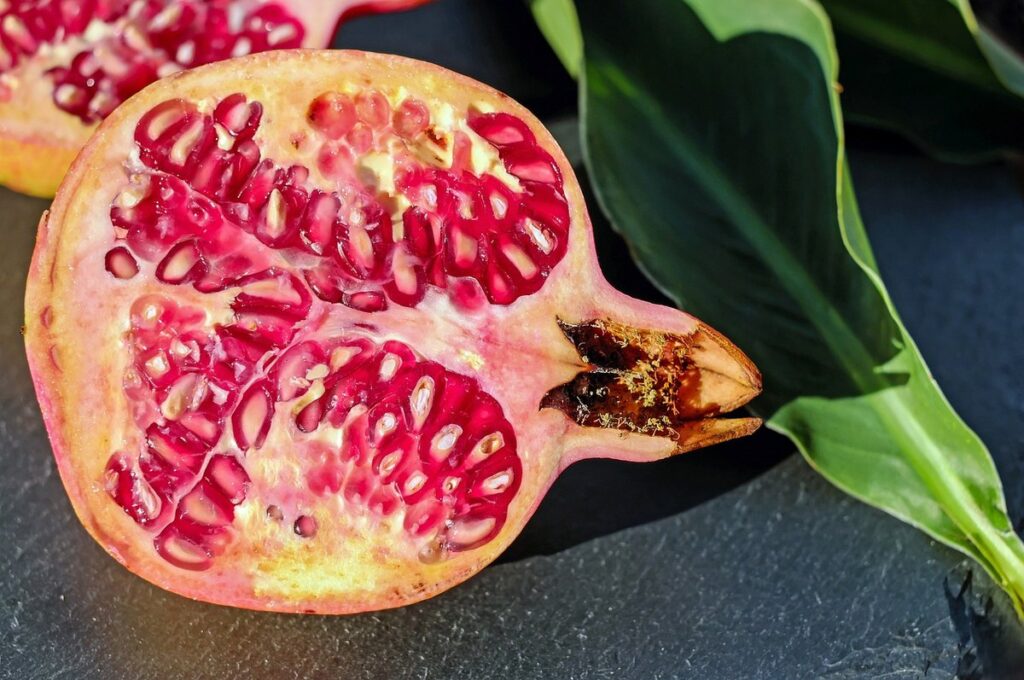
Choosing the Right Pomegranate Variety
When planting pomegranate seeds, selecting a suitable variety is crucial for successful growth. With numerous options available, let’s explore the key factors to consider when choosing the right pomegranate variety for your garden.
Understanding Pomegranate Seed Types
When it comes to planting pomegranate seeds, understanding the different types available is crucial for success. There are two primary categories of pomegranate seeds: fresh and dried.
Fresh pomegranate seeds are typically taken from a ripe pomegranate fruit, either by hand or using a specialized tool. These seeds can be used immediately or stored in an airtight container in the refrigerator to extend their viability for up to 6 months. Fresh seeds usually have a higher germination rate and tend to produce seedlings that exhibit more vigorous growth.
Dried pomegranate seeds, on the other hand, are either air-dried or dehydrated using specialized equipment. This process concentrates the seed’s energy reserves, allowing them to be stored for longer periods without refrigeration. Dried seeds can be more convenient for transportation and storage but may have a lower germination rate than fresh seeds.
Some gardeners prefer to use dried seeds for their convenience and shelf life, while others swear by the superior performance of fresh seeds. Ultimately, both types can be effective in planting pomegranate trees, as long as proper care is provided during the germination process.
Factors to Consider When Selecting a Variety
When selecting a pomegranate variety for seed planting, there are several factors to consider. The first and most critical factor is climate. Pomegranates require a warm and dry climate to thrive, making them ideal for regions with mild winters and hot summers. If you live in an area with cold winters or high humidity, choose varieties that are resistant to frost or have been bred for colder climates.
Another essential consideration is soil type. Pomegranate trees prefer well-draining, slightly acidic soils. If your soil is heavy clay or sandy, choose varieties that are tolerant of these conditions. You should also think about the desired characteristics of the fruit you want to produce. Do you prefer smaller, sweeter pomegranates or larger, more tart ones? Certain varieties are bred for specific traits, so consider what’s most important to you.
Researching and understanding the specific needs of different pomegranate varieties will help ensure that you’re planting seeds from a variety well-suited to your climate and growing conditions.
Preparing the Seeds for Planting
To plant pomegranate seeds successfully, you’ll need to prepare them properly by cleaning and drying them. Let’s get started with this crucial step!
Cleaning and Disinfecting the Seeds
Properly cleaning and disinfecting pomegranate seeds is crucial to prevent disease and pests from affecting your seedlings. Before planting, gently rinse the seeds under cool running water to remove any dirt or debris that may be clinging to them. However, this alone may not be enough to kill any potential bacteria, fungi, or viruses.
To further disinfect the seeds, you can soak them in a solution of 1 part bleach to 10 parts water for about 15-20 minutes. This will help kill any lingering pathogens on the seed surface. After soaking, rinse the seeds thoroughly with clean water to remove any residual bleach. Alternatively, you can use a commercial seed disinfectant according to the manufacturer’s instructions.
It’s essential to note that over-disinfection can harm the seeds, so be cautious not to soak them for too long or use excessive bleach concentrations. A good rule of thumb is to follow the “soak and rinse” method, which typically takes around 15-30 minutes. By properly cleaning and disinfecting your pomegranate seeds, you’ll significantly reduce the risk of disease and pest issues in your seedlings.
Scarification and Stratification Techniques
Before planting pomegranate seeds, it’s essential to prepare them for germination. Scarification and stratification techniques can help overcome dormancy and encourage seeds to sprout.
Scarification involves creating small scratches on the seed coat to allow water and oxygen to penetrate, breaking down any physical barriers that may be preventing germination. You can achieve this by gently nicking the seed with a nail or sandpaper, or by soaking the seeds in hot water (around 100°F) for 24 hours. This helps soften the seed coat, allowing moisture to reach the embryo inside.
For stratification, you can either use cold storage or warm water soak. Cold storage involves placing the seeds in an envelope or plastic bag and storing them in a refrigerator at around 40°F for 30-60 days. Alternatively, you can try a warm water soak by submerging the seeds in water at room temperature (around 70°F) for 24 hours. This mimics the natural process of seed germination in the wild, where seeds often experience fluctuating temperatures and moisture levels.
Keep in mind that not all pomegranate varieties require stratification or scarification. Research your specific variety to determine the best approach.
Sowing the Seeds
Now that you’ve extracted seeds from your fresh pomegranate, it’s time to prepare them for planting – a crucial step in growing a healthy tree. Learn how to do this successfully in the following steps.
Seed Depth and Spacing Guidelines
When planting pomegranate seeds, it’s essential to get the depth and spacing right to promote healthy growth. Generally, seeds should be sown ¼ inch (6-8 mm) deep in well-draining seed starting mix. This allows for even moisture retention while preventing rot. On the other hand, excessive depth can lead to seed failure.
For optimal development, maintain a spacing of around 1-2 inches (2.5-5 cm) between seeds. This allows each seedling room to grow without competing for resources like water and nutrients. You can sow multiple seeds in a pot, then thin them out once they have developed two sets of leaves. Make sure not to overcrowd the container, as this can lead to fungal diseases.
Keep in mind that pomegranate seeds have a relatively high germination rate, often exceeding 80%. However, proper spacing and depth will significantly impact their chances of success. If you’re planting multiple seeds, use a grid pattern to maintain even spacing and avoid any weak or deformed seedlings that may arise from overcrowding.
Planting Media and Soil Requirements
When it comes to planting pomegranate seeds, the right soil mix is crucial for their growth and development. You can use a high-quality potting soil that’s specifically designed for fruiting plants like pomegranates. However, if you’re looking for a more customized option, you can also create your own soil mix using a combination of ingredients such as peat moss, perlite, and vermiculite.
The ideal pH range for pomegranate seeds is between 6.0 and 7.0. This slightly acidic to neutral pH will provide the necessary nutrients for seed germination and root development. Avoid using regular garden soil or soil with high sand content as it can be too dense and might not drain excess water efficiently.
In terms of nutrient content, look for a potting mix that’s rich in organic matter and has a balanced fertilizer ratio (e.g., 10-10-10 NPK). This will provide the necessary nutrients for seed growth without over-fertilizing. If you’re using your own custom soil mix, make sure to add a balanced fertilizer at planting time and again after 2-3 weeks when the seedlings have developed their first set of leaves.
Providing Optimal Growing Conditions
To ensure your pomegranate seedlings thrive, let’s talk about providing optimal growing conditions – temperature, humidity, and sunlight play a crucial role in their development.
Climate and Temperature Considerations
When planting pomegranate seeds, it’s essential to provide optimal growing conditions for them to thrive. Climate and temperature play a crucial role in the development of healthy seedlings. Pomegranates are native to regions with dry summers and mild winters, making them ideal for USDA Hardiness Zones 5-9.
In general, pomegranate seedlings prefer full sun to partial shade and well-draining soil with a pH between 6.0 and 7.0. They can tolerate temperatures as low as 25°F (-4°C) but are more sensitive to frost than other fruit trees. It’s recommended to provide protection for young seedlings during extreme weather conditions.
When choosing a location, consider the average temperature range in your area during different seasons. In areas with hot summers, it’s best to plant pomegranate seedlings in the fall or early spring to avoid heat stress. Conversely, in cooler climates, planting in late winter or early spring allows seedlings to establish themselves before the first frost.
If you’re planning to grow pomegranates outdoors, ensure that your area receives at least 6 hours of direct sunlight daily. This will promote healthy growth and fruit production.
Watering and Fertilization Techniques
Watering and fertilization are crucial aspects of pomegranate seedling care. You’ll want to establish a consistent watering schedule that ensures the soil remains moist but not waterlogged. As a general rule, water your seedlings when the top 1-2 inches of soil feel dry to the touch. Overwatering can be detrimental, so it’s better to err on the side of caution.
For fertilization, you’ll want to use a balanced fertilizer with a nitrogen-phosphorus-potassium (N-P-K) ratio of 10-10-10. You can apply this at the recommended rate once a month. Alternatively, you can also use a fertilizer specifically formulated for fruiting plants. Be sure to follow the instructions on the label and avoid overfertilizing, which can damage the seedling.
Some examples of fertilizers suitable for pomegranate seedlings include fish emulsion, bone meal, and compost tea. These natural options are gentler on the plant and promote healthy growth. Remember to also mulch around the seedling to retain moisture and suppress weeds. This will help reduce the need for frequent watering and minimize competition for nutrients.
Monitoring Seedling Growth and Addressing Common Issues
As you wait for your pomegranate seedlings to grow, it’s essential to monitor their progress closely to catch any potential issues that may arise. Regular checks will help you address common problems early on.
Identifying Signs of Stress or Disease
As you monitor the growth of your pomegranate seedlings, it’s essential to be aware of common signs that may indicate stress, disease, or pest issues. Keep an eye out for yellowing leaves, which can be a sign of overwatering or underwatering. Wilting seedlings with droopy leaves may also be experiencing transplant shock or a fungal infection.
Other warning signs include white powdery patches on leaves (powdery mildew) and black spots on stems or leaves (sooty mold). Check for tiny insects like aphids, whiteflies, or spider mites that can feed on sap, causing damage to the plant. Fungal diseases such as root rot may cause seedlings to turn yellow and wilt.
Regularly inspect your seedlings under a magnifying glass to detect early signs of pests or diseases. Use neem oil or insecticidal soap to control aphid infestations. For fungal issues, treat with copper-based fungicides or remove infected leaves to prevent the spread of disease. Keep your seedling area clean and well-ventilated to reduce the risk of pests and diseases.
By being proactive in monitoring for signs of stress or disease, you can take swift action to address any issues before they compromise the health of your pomegranate seedlings.
Troubleshooting Strategies for Overcoming Challenges
When planting pomegranate seeds, it’s not uncommon to encounter some challenges. One of the most common issues is slow growth, which can be due to inadequate light, waterlogged soil, or insufficient nutrients. To overcome this, ensure that your seedlings receive at least four hours of direct sunlight per day and maintain well-draining soil.
Another issue you may face is yellow leaves, often a sign of overwatering or nutrient deficiency. Check the moisture level in the soil by inserting your finger into it up to the first knuckle. If it’s dry, water sparingly. Also, consider using a balanced fertilizer to provide essential nutrients for healthy growth.
Fungal infections can also be a problem, especially if your seedlings are exposed to excessive humidity or poor air circulation. To prevent this, maintain good ventilation around your plants and avoid watering at night. Regularly inspect your seedlings for signs of infection, such as white powdery patches on leaves. If you notice any issues, treat the affected area with a fungicide specifically designed for pomegranate seedlings.
By identifying potential problems early on and taking corrective action, you can give your pomegranate seedlings the best chance to thrive. Remember that every seedling is unique, so monitor their progress closely and adjust your care routine as needed.
Frequently Asked Questions
How long does it take for pomegranate seeds to germinate?
Yes, pomegranate seeds can take anywhere from 1-3 months to germinate, depending on the temperature and moisture conditions. Keep the soil consistently moist but not waterlogged during this period.
Can I plant pomegranate seeds directly into the ground without stratification?
No, it’s essential to provide your pomegranate seeds with a cold stratification period before planting them in the garden. This process helps break dormancy and improves germination rates.
What is the ideal soil pH for growing pomegranates from seed?
Pomegranates prefer slightly acidic to neutral soil pH (6.0-7.0). Ensure your planting medium has a balanced pH to promote healthy growth and fruiting.
How often should I water my pomegranate seedlings after sowing?
Water your pomegranate seedlings regularly, providing about 1 inch of water per week. Keep the soil consistently moist during the first few months, but avoid overwatering, which can lead to root rot and other issues.
Can I grow multiple varieties of pomegranates in close proximity?
Yes, you can grow multiple varieties of pomegranates together. However, ensure they have enough space (around 10-15 feet) to prevent cross-pollination and maintain air circulation to reduce disease transmission.