
Are you tired of looking at your bare yard and wondering how to turn it into a lush, green oasis? Planting grass seed can seem like a daunting task, but with the right guidance, anyone can do it. Whether you’re a seasoned gardener or a total beginner, learning how to plant grass seed is an essential skill for any homeowner. In this article, we’ll walk you through everything you need to know to get started. From choosing the right type of grass for your climate and soil type, to preparing the soil and maintaining your new lawn, we’ve got you covered. With our comprehensive guide, you’ll be well on your way to growing a beautiful, healthy lawn that will make all your neighbors jealous!
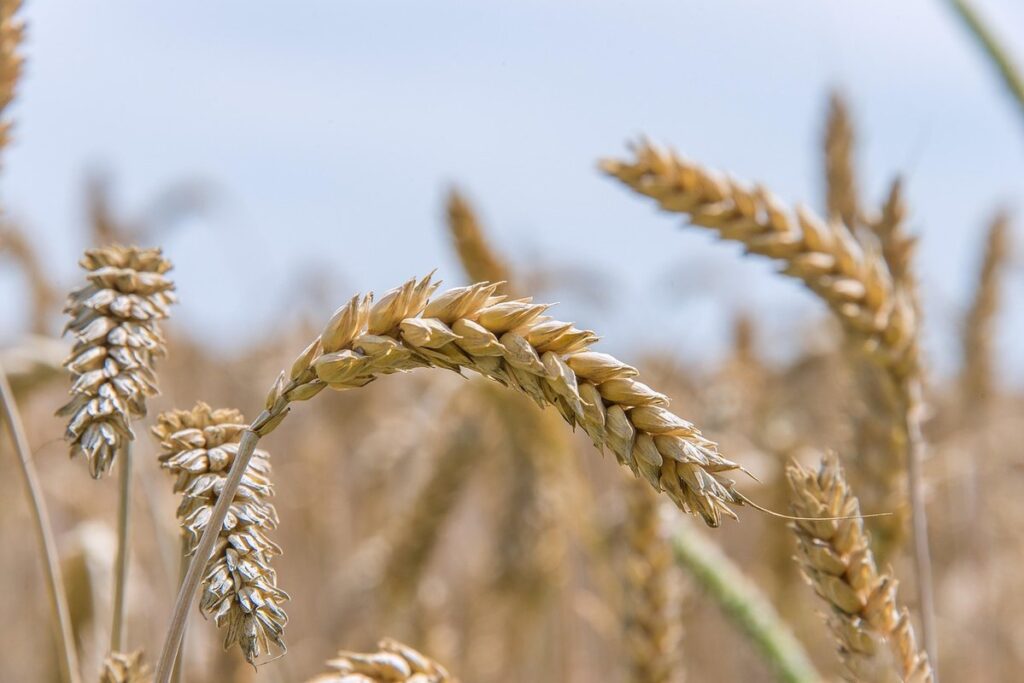
Choosing the Right Grass Type
When selecting grass seed, it’s essential to consider factors such as climate, soil type, and intended use for your lawn. This will help you choose the perfect type of grass for your yard.
Understanding Your Climate and Soil Conditions
Before you start selecting the perfect grass type for your lawn, it’s essential to understand your local climate and soil conditions. This will help you choose a species that thrives in your area, reducing the need for frequent maintenance and increasing the chances of success.
To determine your local climate zone, visit the USDA Plant Hardiness Zone Map or consult with a local nursery expert. Your zone number will indicate how well your grass can tolerate cold temperatures. For example, if you live in Zone 5, choose a cool-season grass like Kentucky bluegrass or perennial ryegrass, which are hardy and resistant to frost.
Next, test your soil type by digging a small hole and examining the texture and structure. Is it sandy, clay-based, or a mix of both? This will help you determine how well water drains from your lawn. You can also use a DIY soil testing kit or send a sample to a laboratory for analysis. Once you know your soil pH level, choose grass species that prefer acidic (pH 6.0-7.0), neutral (pH 7.0), or alkaline conditions.
For instance, if your soil is clay-based and has a pH of 6.5, consider selecting a cool-season grass like tall fescue, which tolerates heavy soils and moderate acidity. By matching your climate zone with the right grass species for your soil type and pH level, you’ll set yourself up for success in creating a lush and healthy lawn.
Researching Different Types of Grass Seed
When it comes to planting grass seed, choosing the right type is crucial for a lush and healthy lawn. There are several types of grass seeds available, each with its own unique characteristics, pros, and cons. Let’s explore some of the most popular options.
Cool-season grasses thrive in temperate climates with moderate temperatures and adequate moisture. They’re perfect for lawns that experience cooler winters and warmer summers. Some popular cool-season grasses include Kentucky bluegrass, perennial ryegrass, and tall fescue. These grasses are known for their dark green color and fine texture.
Warm-season grasses, on the other hand, prefer hot and dry climates with plenty of sunlight. They’re ideal for lawns in tropical or subtropical regions. Bermuda grass and Zoysia grass are two popular warm-season options that can tolerate high temperatures and drought.
When selecting a grass type, consider your local climate, soil conditions, and intended use of the lawn. For example, if you have pets, you may want to choose a low-maintenance option like buffalo grass or blue grama.
Selecting a High-Quality Grass Seed Mix
When selecting a high-quality grass seed mix, it’s essential to read the label carefully and look for key information. First, check the germination rate, which is usually indicated as a percentage. A minimum of 80% germination rate is recommended, but ideally you should opt for a mix with a higher rate, such as 90%. This ensures that your seeds have a good chance of sprouting and growing.
Also, consider the mix’s composition – is it a blend of different grass types or a single variety? A blend will provide more durability and disease resistance, while a single variety might be better suited for smaller areas. Additionally, ensure the mix is suitable for your climate and soil type by checking the label for specific recommendations. For example, if you live in an area with high temperatures and low rainfall, choose a drought-tolerant mix.
Preparing the Soil
Before planting grass seed, it’s crucial to prepare your soil properly by removing any debris and loosening compacted areas to ensure a healthy root system. This step sets the foundation for successful growth.
Testing Your Soil pH Levels
Soil pH levels play a crucial role in determining the health and growth of your grass. Most grass types prefer a slightly acidic to neutral soil pH, ranging from 6.0 to 7.0. If your soil pH is too high or too low, it can lead to nutrient deficiencies, reduced water absorption, and increased susceptibility to diseases.
To test your soil pH levels, you have two options: DIY kits or professional services. DIY kits are affordable and convenient, but they might not provide accurate results. These kits usually involve mixing a small sample of soil with a testing solution and waiting for the color change to determine the pH level. Some popular DIY kit brands include Rapitest and EasyGarden.
Alternatively, you can hire a professional to test your soil pH levels, which is especially recommended if you’re unsure about the results or have complex soil conditions. Professional services typically involve sending a soil sample to a laboratory for analysis. This method provides accurate and detailed information about your soil’s pH level, nutrient content, and other factors that affect grass growth.
Before testing your soil pH levels, it’s essential to collect a representative sample from your lawn, avoiding any areas with extreme conditions such as compacted or waterlogged soil.
Loosening and Leveling the Soil
Loosening compacted soil and leveling uneven areas are crucial steps before planting grass seed. Compacted soil can prevent roots from growing deeply, while uneven areas can lead to water accumulation, promoting weeds and disease. To loosen compacted soil, consider using a rototiller for larger areas or a garden fork for smaller spaces. Be cautious not to over-till, as this can damage the existing soil structure.
For leveling uneven areas, use a rake or shovel to gently remove excess soil from high spots and fill in low areas. Alternatively, you can create a slight slope to allow water to run off evenly. When using these tools, work in sections to maintain evenness and avoid creating more unevenness. For example, if your yard has an area with compacted soil, start by loosening the top 2-3 inches of soil before leveling it out.
Remember to also aerate the soil to improve drainage and reduce soil compaction over time. Regularly inspect your yard after completing these steps to identify any remaining issues that need attention.
Removing Debris and Weeds
Before you can plant grass seed, it’s essential to clear your lawn area of debris and weeds that might interfere with the germination process. Start by removing rocks, branches, and other obstructions from the soil surface. You can use a rake or a shovel for this task.
Weeds are another common issue when planting new grass seed. They compete with the new seeds for water, nutrients, and light, making it challenging for them to grow. To get rid of weeds, you’ll need to dig them up by their roots. Be sure to remove the entire root system to prevent regrowth. You can also use a pre-emergent herbicide to prevent weed seeds from germinating.
If there’s existing grass on your lawn that you want to replace, it’s best to mow it as short as possible and then rake out as much of the topgrowth as you can. This will make it easier for the new seed to establish itself.
Planting Grass Seed
When it comes to planting grass seed, proper preparation is key to a successful outcome. This step lays the foundation for your new lawn’s growth and development.
Measuring Out the Right Amount of Seed
Measuring out the right amount of grass seed is crucial to ensure even growth and prevent waste. Start by reading the package instructions for the specific type of grass seed you’re using, as different varieties have unique coverage rates. The manufacturer will provide a recommended seeding rate per square foot or pound of seed.
To calculate the correct amount, determine the total area of your lawn in square feet, taking into account any irregular shapes and borders. You can use a measuring tape to get an accurate measurement. If you’re planting on uneven terrain, consider using a rake or shovel to level out the ground before seeding.
As a general rule, apply 1-2 pounds of seed per 1,000 square feet for new lawns. For existing lawns, use about half that amount. Keep in mind that these are rough estimates, and you may need to adjust based on soil quality, sunlight, and other factors. To account for borders, simply calculate the area of each section separately and add the seeds accordingly.
Spreading the Seed Evenly
Spreading grass seed evenly is crucial to ensure that your lawn grows uniformly and thickly. To achieve this, you can use a spreader, rake, or even do it by hand. Here are some methods to help you spread the seed evenly:
When using a spreader, make sure to set the correct rate for your specific seed type and follow the manufacturer’s instructions. Typically, a broadcast spreader is used for large areas, while a drop spreader is better suited for smaller spaces or around trees and gardens. Be sure to overlap your passes slightly to ensure even coverage.
Alternatively, you can use a rake to scatter the seed manually. This method allows for more control over where the seed goes, making it ideal for small areas or irregularly shaped lawns. Simply hold the rake at an angle and gently drag it across the ground in a consistent pattern.
Another option is to spread the seed by hand using a cup or scoop. While this method can be time-consuming, it’s perfect for tiny areas or delicate surfaces where heavy machinery might damage them.
Raking in the Seed
Raking in the seed is an essential step after spreading grass seed, as it helps ensure proper contact between the seeds and the soil. This promotes even germination and growth. You can use a broom to rake the seeds, but this method may not be as effective as using a specialized tool.
A rake or a brush specifically designed for seeding is ideal for this task. These tools are typically lightweight and have soft bristles that won’t damage the seeds. Hold the rake at a 45-degree angle and gently sweep it back and forth in one direction, working from one end of the seeded area to the other. Make sure to maintain a consistent pressure to prevent compacting the soil.
It’s also crucial not to over-rake, as this can damage the newly sown seeds or dislodge them from the soil. Instead, aim for a light, even coverage that allows for proper seed-to-soil contact. This simple step may seem minor, but it plays a significant role in determining the success of your seeding project.
Maintaining the Lawn
Now that you’ve got a lush, healthy lawn growing from your newly planted grass seed, it’s time to focus on maintenance techniques to keep it thriving. We’ll walk you through regular tasks to keep your lawn looking its best.
Watering Your New Grass
Watering newly seeded lawns is crucial for successful germination and establishment. The frequency and depth of watering will depend on the climate and soil type. A good rule of thumb is to water lightly but frequently, typically every 2-3 days during hot weather and every 4-5 days in cooler conditions.
When watering, aim to keep the top inch of soil moist but not waterlogged. You can check this by sticking your finger into the soil up to the first knuckle; if it feels dry, it’s time for another watering. Avoid overwatering, as this can lead to shallow root growth and make the lawn more susceptible to disease.
Water in the morning or early evening when possible to minimize evaporation. If you’re using a sprinkler system, adjust the nozzle settings to provide an even layer of water across the lawn. For smaller areas or irregularly shaped lawns, consider hand-watering with a hose to ensure all areas receive adequate moisture. By following this watering schedule and technique, your newly seeded grass will have the best chance to thrive.
Fertilizing After Seeding
Now that you’ve successfully seeded your lawn, it’s time to think about fertilizing. Fertilizers are essential for promoting healthy grass growth and ensuring a lush green appearance. However, the timing of application is crucial.
You can start applying fertilizer 2-4 weeks after seeding, when the new seedlings have reached about 2-3 inches in height. Use a starter fertilizer that’s specifically designed for newly seeded lawns. These fertilizers are usually higher in phosphorus (P) and nitrogen (N), which help promote root growth and encourage establishment.
Don’t overdo it with high-nitrogen fertilizers, as this can stress out the seedlings and lead to more weed growth. Instead, opt for a balanced fertilizer that has an N-P-K ratio of 10-20-10 or similar.
Apply the recommended amount according to the product instructions, usually about 1/2 pound per 1,000 square feet. Make sure to water thoroughly after application to prevent burning.
Controlling Weeds and Pests
When it comes to planting grass seed, controlling weeds and pests is an essential aspect of maintaining a healthy lawn. One of the most effective natural methods for controlling weeds is mulching. By applying a 2-3 inch layer of organic mulch, such as wood chips or bark, around your newly seeded area, you can suppress weed growth by blocking out light and preventing seed germination.
Another method is hand-weeding, which involves physically removing weeds from the soil. This should be done carefully to avoid damaging the newly planted grass seeds. It’s also a good idea to remove any debris or dead plant material that can attract pests.
Drought is one of the most common pests affecting lawns, especially in areas with low rainfall. To prevent this, make sure to water your lawn regularly, but avoid overwatering which can lead to shallow root growth and increased susceptibility to disease. Integrated pest management (IPM) is another effective approach that involves using a combination of techniques such as crop rotation, biological control, and cultural controls to manage pests.
When planting grass seed, it’s essential to monitor your lawn regularly for signs of weeds or pests and take action promptly to prevent their spread. By adopting these natural methods and being vigilant, you can create a healthy and thriving lawn that requires minimal maintenance in the long run.
Tips for Success
Now that you’ve completed planting your grass seed, let’s dive into some essential tips to ensure it grows strong and healthy. With these expert recommendations, you’ll be on your way to a lush lawn in no time!
Common Mistakes to Avoid When Planting Grass Seed
When planting grass seed, it’s easy to get caught up in the excitement of creating a lush, green lawn and overlook some crucial steps. One of the most common mistakes people make is selecting the wrong type of grass seed for their climate or soil conditions.
For example, if you live in an area with full sun, choosing a shade-tolerant grass species can lead to disappointment when it fails to thrive. Similarly, using a warm-season grass in a cooler climate will only result in weak and spindly growth. Make sure to choose a grass type that’s suitable for your region and soil conditions.
Another common mistake is inadequate soil preparation. This includes not testing the pH level of your soil or adding necessary nutrients before seeding. Without proper soil prep, seedlings may struggle to establish themselves, leading to patchy or weak growth. Take the time to test your soil and amend it as needed to ensure a healthy foundation for your new lawn.
Troubleshooting Issues After Seeding
If you’ve followed our step-by-step guide and still encounter issues with your newly seeded lawn, don’t panic. Poor germination rates, bare spots, and other problems can be frustrating, but they’re often easily fixable. One common issue is uneven seed distribution, which can lead to areas of sparse or no growth.
To address this, inspect your lawn closely after a week or two have passed since seeding. Look for any obvious bare spots or areas where the grass seems sparse. If you notice these issues, try re-seeding those areas with a little extra care: rake the soil gently to loosen it, apply more seed at the recommended rate, and water thoroughly.
If germination rates are low overall, check your watering schedule – overwatering can be just as problematic as underwatering. Make sure you’re following our guidelines for adequate moisture, especially during the first few weeks after seeding. Finally, consider factors like soil quality, sunlight exposure, and pest/disease pressure, which can all impact grass growth and seed germination.
Final Tips for a Healthy Lawn
Now that you’ve successfully planted your grass seed, it’s time to ensure its growth and maintain a lush, healthy lawn. Remember, regular maintenance is key to preventing problems like weeds, pests, and diseases.
To keep your newly seeded lawn thriving, establish a mowing routine of 2-3 inches every week during the growing season. Tall blades can harbor disease and encourage weed growth, so keep it in check! Also, make sure to use a sharp mower blade to avoid tearing the grass, which can lead to an uneven appearance.
Don’t forget to water your lawn regularly, providing about 1-2 inches of water per week through rainfall or irrigation. You can also add a soil conditioner to improve drainage and nutrient absorption. Keep an eye out for signs of stress like discoloration or thinning areas, and address them promptly by adjusting your watering schedule.
Keep a close watch on pests like white grubs, billbugs, and chinch bugs that target grass seedlings. Regularly inspect your lawn and take action if you spot any infestations. By following these final tips, you’ll be well on your way to enjoying a lush, healthy lawn all season long!
Conclusion
As you’ve completed the process of planting grass seed, take a moment to inspect your newly seeded lawn. Look for areas that may require additional attention, such as uneven coverage or bare spots. Address these issues promptly by reseeding or adjusting your watering schedule accordingly. Remember to maintain regular care practices like mowing and fertilizing to ensure your lawn continues to thrive.
By following the steps outlined in this guide, you’ve set yourself up for success with a lush, healthy lawn. With patience and dedication, your newly seeded grass will mature into a beautiful, functional outdoor space. As you enjoy the fruits of your labor, don’t forget to water wisely, as overwatering can be detrimental to young seedlings.
Frequently Asked Questions
Can I plant grass seed during the winter months?
No, it’s generally not recommended to plant grass seed during the winter months unless you’re planting a cold-hardy species that can tolerate frost. Winter weather can slow down germination and make it difficult for the seeds to establish themselves.
How long does it take for newly planted grass to grow?
The time it takes for new grass to grow depends on factors like climate, soil quality, and the type of grass you’re planting. Generally, you can expect to see visible growth within 7-14 days after seeding, but it may take several weeks or even months for the lawn to fully mature.
Can I use a single type of grass seed for my entire yard?
While it’s technically possible to use a single type of grass seed for your entire yard, it’s not always the most effective approach. Different areas of your yard may have unique conditions that require specific types of grass, so consider using a blend or selecting multiple varieties that cater to these different needs.
How do I prevent weeds from growing in my newly seeded lawn?
Preventing weeds requires ongoing maintenance and care. Regularly mow, water, and fertilize your lawn as recommended, but also consider applying a pre-emergent herbicide in early spring to prevent crabgrass and other common weeds.
What’s the best way to deal with bare spots or thin areas on my existing lawn?
To address bare spots or thin areas on your existing lawn, consider over-seeding with the same type of grass seed that was originally planted. This will help fill in the gaps and promote even growth throughout the lawn.