
Are you eager to get a head start on your summer garden? Planting cucumber seeds indoors is an excellent way to ensure a bountiful harvest, even if you’re short on outdoor space. Not only can it give you a jumpstart on the growing season, but it’s also a great option for gardeners with limited time or experience.
In this article, we’ll walk you through the process of planting and caring for cucumber seeds indoors, from selecting the right variety to transplanting them outdoors. You’ll learn how to create optimal growing conditions, including providing sufficient light, water, and nutrients for your seedlings to thrive. By following our expert tips, you can enjoy a delicious homegrown crop all season long – and that’s music to any gardener’s ears!
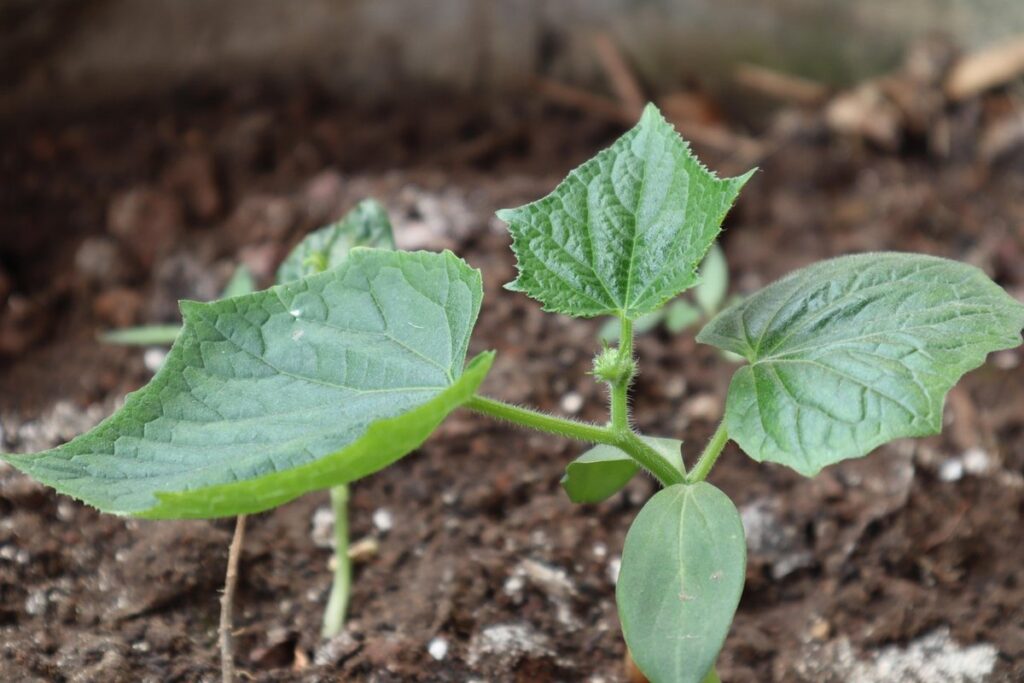
Choosing the Right Variety and Tools
Now that you’ve got your cucumber seeds and growing space ready, let’s talk about selecting a suitable variety for indoor growth and gathering the right tools for success. Choose varieties like ‘Salad Bush’ or ‘Bush Pickle’ for compact growth.
Selecting the Perfect Cucumber Seed
When selecting the perfect cucumber seed for indoor growing, there are several factors to consider. First and foremost, think about disease resistance. Cucumbers are susceptible to powdery mildew and fusarium wilt, so choose a variety that has built-in resistance to these common issues.
Consider the growth habits of the variety as well. Some cucumbers are bushy and compact, while others are vining and need support. If you’re short on space or want a low-maintenance option, look for a compact variety like ‘Bush Pickle’ or ‘Salad Bush’. On the other hand, if you have room to spare, a vining variety like ‘Marketmore’ or ‘Slicing’ can produce plenty of fruit.
Also think about the days to maturity. Cucumbers typically take 50-60 days to mature from sowing, but some varieties are ready in as little as 35 days. If you want an early harvest, look for a variety with a shorter maturation period.
Essential Tools for Indoor Cucumber Growing
When it comes to growing cucumbers indoors, you’ll need some essential tools to get started. Don’t worry; these are likely things you already have or can easily find at a gardening store. First and foremost, you’ll need a good seed starting tray. This will provide your seeds with the perfect amount of space to germinate and grow their first set of leaves. Look for one that has individual cells, as this will make it easier to transplant your seedlings later on.
You’ll also need some high-quality potting soil specifically designed for indoor plants. Cucumbers love a well-draining mix that’s rich in organic matter. A general-purpose potting soil with added fertilizer will work great.
When it comes to lighting, cucumbers require at least 12 hours of direct light per day. You can either use LED grow lights or place them near a sunny window. Make sure the temperature is consistently around 70-80°F (21-27°C) for optimal growth. Finally, a good set of pruning shears will come in handy as your plants start to produce long vines and fruit.
Keep an eye on your seedlings’ progress, and make adjustments to their care routine accordingly. With these tools and some TLC, you’ll be harvesting delicious homegrown cucumbers in no time!
Preparing the Soil and Containers
Before you start sowing those cucumber seeds, let’s get your soil and containers ready for optimal growth. This is where proper preparation makes all the difference in a healthy harvest.
Mixing the Perfect Seed Starting Mix
When it comes to planting cucumber seeds indoors, one of the most critical steps is preparing the soil and containers. A well-balanced seed starting mix is essential for healthy root development and optimal growth. You can either create your own mix or purchase a high-quality commercial one.
To create your own seed starting mix, you’ll need the right combination of ingredients. Peat moss provides excellent moisture retention and acidity, while vermiculite helps with drainage and aeration. Perlite, on the other hand, adds structure and prevents waterlogging. A general recipe is to combine 40% peat moss, 20% vermiculite, and 10% perlite. You can also add a small amount of compost or worm castings for extra nutrients.
When purchasing a seed starting mix, look for one that contains these essential ingredients in the right proportions. Some popular brands offer pre-mixed formulas specifically designed for indoor seed starting. Avoid using regular potting soil, as it may be too dense and lacking in aeration for young seeds. By using a well-balanced seed starting mix, you’ll give your cucumber seeds the best chance to thrive indoors.
Selecting the Right Container Size
When planting cucumber seeds indoors, selecting the right container size is crucial for their healthy development. Cucumbers are a vining crop that requires room to grow, and using containers that are too small can lead to overcrowding and reduced yields.
As a general rule of thumb, choose containers that are at least 5-7 gallons in size for each plant. However, this may vary depending on the specific variety being grown. For example, bush varieties like ‘Bush Pickle’ or ‘Salad Bush’ can thrive in smaller containers (around 3-4 gallons), while vining types like ‘Marketmore’ or ‘Slicing’ require more space and should be planted in larger containers (7-10 gallons).
It’s also essential to consider the mature size of your cucumber plant. Research the specific variety you’re growing and ensure that its mature size will fit within the container. This will prevent the plant from becoming pot-bound, which can stunt its growth. By selecting a suitable container size for your cucumber seeds, you’ll be giving them the best chance to grow strong and healthy indoors.
Sowing Cucumber Seeds Indoors
Sowing cucumber seeds indoors requires some specific care, so let’s dive into the step-by-step process of getting them off to a strong start. This includes selecting the right potting mix and providing ideal temperature conditions.
Sowing Seeds at the Right Depth
When it comes to sowing cucumber seeds indoors, one of the most crucial steps is ensuring you’re planting them at the right depth. While it may seem like a small detail, getting this step wrong can lead to weak or spindly seedlings that struggle to thrive.
A general rule of thumb for sowing cucumber seeds is to plant them 1/4 inch (6-8 mm) deep in well-draining soil with a temperature between 70°F (21°C) and 85°F (29°C). However, it’s essential to consider the moisture levels in your soil. Cucumber seeds need consistent moisture, especially when they’re first germinating. If the top inch of soil is too dry, the seed may not have enough water to sustain itself.
In practice, this means checking the moisture level of your soil by sticking your finger into it up to the first knuckle. If the soil feels dry, give it a gentle soak. Once you’ve determined the optimal moisture level, plant your cucumber seeds at the recommended 1/4 inch depth and firm the soil gently around them. This will help prevent washing away the tiny seeds or causing them to become dislodged during watering. By getting this right, you’ll be giving your seedlings the best possible start in life.
Watering and Providing Adequate Humidity
Maintaining consistent moisture levels is crucial when sowing cucumber seeds indoors. Cucumbers require a humid microclimate to germinate and grow successfully. Aim for a relative humidity of 40-60% during the first few weeks after sowing.
To create a humid environment, you can place the seed trays on top of a tray filled with water and pebbles or use a cloche cover to maintain moisture levels. Keep in mind that overwatering is just as detrimental as underwatering for cucumber seeds.
Check the soil daily by inserting your finger into the soil up to the first knuckle. If the soil feels dry, it’s time to water. Water gently but thoroughly until water starts to seep out of the drainage holes. You can also cover the seed trays with a clear plastic bag or wrap them in damp paper towels to maintain humidity.
Monitor temperature and moisture levels closely during this period to prevent fungal diseases that thrive in humid environments.
Providing Optimal Growing Conditions
To ensure your cucumber seedlings thrive indoors, it’s crucial to provide optimal growing conditions that mimic their natural environment as closely as possible. This involves controlling temperature and humidity levels.
Lighting Requirements for Indoor Cucumber Growth
When it comes to growing cucumber seedlings indoors, providing the right amount of light is crucial for their development. Cucumbers are warm-season crops that thrive under bright, direct light. To replicate this outdoors conditions, you’ll need a reliable lighting system.
For indoor cucumber growth, a combination of natural and artificial light sources can work well. In areas with large windows or south-facing exposures, make the most of natural light by placing your seedlings nearby. However, during winter months when daylight hours are shorter, supplement with grow lights to ensure sufficient illumination.
LED grow lights are an excellent option for indoor cucumber growth, emitting minimal heat and energy-efficient. Opt for full-spectrum LED grow lights that provide a balanced spectrum of blue, red, and green light (400-700nm). Aim for an intensity of 20-40 watts per square foot to promote healthy seedling growth.
Some popular options include:
* Philips GreenSmart LED Grow Light
* Mars Hydro TS 600W LED Grow Light
Remember to adjust the light’s height as your seedlings grow, keeping it about 6 inches above the leaves for optimal photosynthesis.
Maintaining the Right Temperature and Humidity Levels
Maintaining optimal temperature and humidity levels is crucial for indoor cucumber growth. Cucumbers thrive in warm temperatures between 65°F to 70°F (18°C to 21°C) during the day, while nighttime temperatures should not drop below 55°F (13°C). Avoid placing your cucumber plants near drafty windows or air conditioning vents.
Maintaining humidity levels is equally important, as cucumbers prefer a relatively high humidity of around 50-60%. You can achieve this by placing the pot on a tray filled with water and pebbles. As the water evaporates, it will create a humid microclimate for your cucumber plants.
Monitor temperature and humidity levels using a thermometer and hygrometer. You can also use a propagation dome or cloche to maintain high humidity levels while keeping pests away. Water your cucumber plants when the top inch of soil feels dry to ensure the ideal moisture level. Regularly checking on these conditions will help you identify any potential issues and make adjustments accordingly, ensuring healthy growth and optimal yields from your indoor cucumber crop.
Transplanting Cucumber Seedlings Outdoors
Once you’ve nurtured your cucumber seedlings indoors, it’s time to transplant them outdoors where they can thrive and receive the warmth they need. This section covers the essential steps for a successful outdoor transfer.
Preparing the Soil for Transplantation
Before transplanting cucumber seedlings outdoors, it’s essential to prepare the soil to give them the best chance of success. The outdoor soil should be suitable for cucumbers, which have specific requirements.
Firstly, check the pH level of your outdoor soil. Cucumbers prefer a slightly acidic to neutral soil pH, ranging from 6.0 to 7.0. If your soil is too alkaline or acidic, it can affect nutrient availability and plant growth. You can purchase a soil testing kit or send a sample to a lab for analysis.
Once you’ve determined the pH level, consider adding organic matter like compost or well-rotted manure to improve soil structure and fertility. Cucumbers are heavy feeders and require a balanced diet of nutrients, including nitrogen, phosphorus, and potassium.
It’s also crucial to ensure good drainage in the outdoor soil. Cucumbers don’t tolerate waterlogged conditions, so avoid planting them in areas with poor drainage or where water tends to collect. You can improve drainage by adding perlite or vermiculite to the soil or creating a raised bed with excellent aeration.
Hardening Off Cucumber Seedlings
Before transplanting cucumber seedlings outdoors, it’s essential to harden them off. This process gradually exposes the plants to outdoor conditions, reducing shock and promoting healthy growth. Start by moving seedlings to a shaded area outdoors for 1-2 hours a day. Gradually increase the duration over 7-10 days, allowing them to acclimate to direct sunlight, wind, and temperature fluctuations.
Monitor your seedlings closely during this period, as they may require more time to adapt. Keep an eye out for signs of stress, such as wilting or yellowing leaves. If you notice any issues, return the plants to their indoor location and begin the process again from the start.
To ensure successful hardening off, maintain consistent temperatures between 60-70°F (15-21°C) during the day and around 55-65°F (13-18°C) at night. Avoid exposing seedlings to extreme temperatures, such as those above 85°F (29°C) or below 50°F (10°C). By following this hardening off process, you’ll give your cucumber seedlings the best chance of thriving in their new outdoor environment.
Troubleshooting Common Issues
If you’re experiencing problems with your cucumber seedlings, such as slow growth or poor germination, don’t worry – we’ve got some solutions to get your seeds back on track. This section addresses common issues that can arise when planting cucumbers indoors.
Dealing with Pests and Diseases
Dealing with pests and diseases is an essential aspect of growing cucumber plants indoors. When cultivating cucumbers in a controlled environment like your home, you’re more likely to encounter common pests and diseases that can be detrimental to the health and productivity of your plant.
One of the most prevalent pests affecting indoor cucumber plants are aphids, whiteflies, and spider mites. These insects feed on sap, causing curled or distorted leaves and stunted growth. To prevent infestations, maintain a clean growing space by disposing of infected leaves and regularly inspecting your plant for signs of pests.
Fungal diseases like powdery mildew and downy mildew are also common issues affecting cucumber plants indoors. They thrive in humid environments with poor air circulation. To prevent these diseases, ensure good air circulation around the plant, maintain a temperature between 65°F to 75°F (18°C to 24°C), and avoid overwatering.
Some common signs of fungal diseases include yellow or white patches on leaves, powdery coatings, or black spots with white spores. Regularly inspect your plants for these symptoms and treat promptly if you notice any issues.
Addressing Nutrient Deficiencies
Cucumber plants grown indoors often suffer from nutrient deficiencies due to inadequate light, water, and soil conditions. One of the most common issues is magnesium deficiency, which causes yellowing leaves with green veins. To diagnose this, inspect your plant for these symptoms and look for pale or discolored areas on older leaves.
Another common issue is potassium deficiency, which can cause stunted growth, weak stems, and a general lackluster appearance. If you suspect your cucumber plant has this problem, check the soil pH level – most cucumbers prefer slightly acidic to neutral conditions (pH 6-7).
To correct nutrient deficiencies, start by checking your fertilization schedule. Cucumbers require a balanced diet of nitrogen, phosphorus, and potassium (NPK) but may need more magnesium and calcium as well. Fertilize with a water-soluble fertilizer every week or two during the growing season.
It’s also essential to maintain good soil health by repotting your cucumber plant in fresh potting mix when necessary and monitoring its nutrient levels through regular pH testing.
Frequently Asked Questions
Can I reuse the same seed starting mix for multiple batches of cucumber seeds?
You can, but it’s recommended to create a fresh batch of seed starting mix for each sowing to ensure optimal growth conditions. Old potting mixes may contain depleted nutrients and pathogens from previous crops.
How often should I water my indoor cucumber seedlings after transplanting them outdoors?
Be cautious not to overwater your seedlings during the acclimation period. Water them gently but thoroughly once or twice a week, depending on weather conditions, until they’re fully established in their new environment.
What’s the best way to prevent powdery mildew in my indoor cucumber crop?
Maintain good air circulation and reduce humidity by using fans or misting systems. Also, avoid overwatering and ensure proper spacing between plants to promote healthy growth and minimize the risk of fungal diseases.
Can I grow cucumbers indoors year-round without supplemental lighting?
While possible, it’s challenging to provide sufficient light for optimal growth without investing in LED grow lights or other artificial lighting solutions. Research your specific climate and adjust your growing schedule accordingly to ensure a successful harvest.
How long should I wait before transplanting my cucumber seedlings outdoors after sowing indoors?
Typically, seedlings are ready for outdoor transplanting 7-10 days after the last frost date in your area or when they’ve reached 2-3 inches tall. Harden off your seedlings gradually to prevent shock and ensure a successful transition to their new environment.