
Are you eager to grow your own delicious and nutritious chestnuts? With a little know-how, you can successfully plant, care for, and harvest these incredible trees. But where do you start? First, let’s talk about the basics: soil requirements are crucial when planting chestnuts. You’ll want well-draining, rich soil with a pH between 6.0 and 7.0 to ensure healthy growth. Climate considerations are also essential – chestnut trees thrive in temperate climates with cold winters and warm summers. In this comprehensive guide, we’ll walk you through the best techniques for planting chestnuts, including how to choose the right variety for your climate, care for young seedlings, and harvest mature nuts. By the end of our article, you’ll be well-equipped to grow your own bountiful chestnut tree.
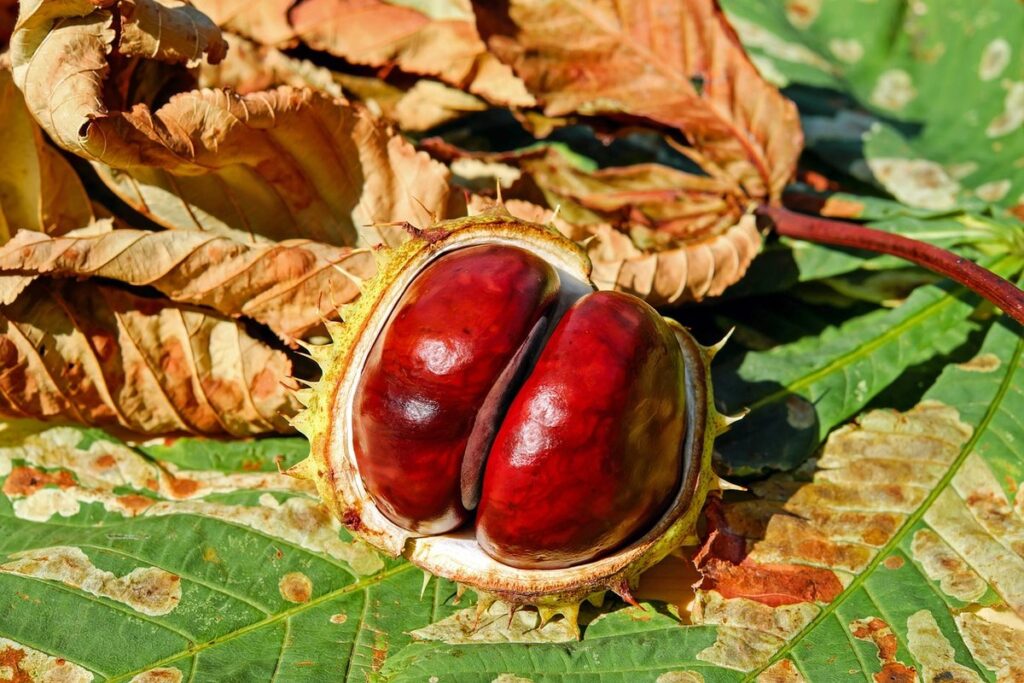
Choosing the Right Location
When it comes to planting chestnuts, the location is crucial for their survival and success. Select a spot that receives partial shade to full sun and has well-draining soil.
Understanding Soil Requirements
When it comes to planting chestnuts, understanding soil requirements is crucial for optimal growth and yields. Chestnut trees prefer well-draining, fertile soils with a slightly acidic pH between 6.0 and 7.0. A soil pH that’s too low can lead to nutrient deficiencies, while a pH that’s too high can cause nutrient lockout.
To determine your soil’s pH level, you’ll need to test it using a DIY kit or send a sample to a laboratory for analysis. Based on the results, you may need to adjust the pH by adding lime to raise it or sulfur to lower it. Keep in mind that chestnut trees are adaptable and can tolerate some variation in soil conditions.
In terms of nutrient needs, chestnuts require adequate nitrogen, phosphorus, and potassium levels. You can test your soil for these nutrients using a comprehensive soil test kit or consult with a local nursery or extension office for guidance on amendments.
Adequate drainage is also essential to prevent root rot and other problems. If your soil tends to waterlog, consider raising the planting site or adding organic matter like compost to improve its structure.
Selecting a Suitable Climate
When selecting a suitable climate for growing chestnuts, it’s essential to consider temperature ranges, rainfall patterns, and frost tolerance. Chestnut trees prefer a temperate climate with warm summers and cool winters. They thrive in areas with moderate temperatures between 35°F (2°C) and 85°F (30°C). Avoid planting chestnuts in areas with extreme temperatures above 90°F (32°C) or below 20°F (-7°C), as this can lead to frost damage.
To determine if your area is suitable for growing chestnuts, check the USDA Hardiness Zone map. Chestnut trees are typically hardy in zones 5-9, meaning they can tolerate moderate winters and warm summers. If you live outside of these zones, consider planting a cold-hardy or heat-tolerant variety.
Rainfall is also crucial for chestnut growth. Aim for an annual rainfall of at least 20 inches (500 mm) or provide supplemental irrigation to ensure consistent moisture levels. Consistent moisture helps promote healthy root development and fruit production. Be sure to assess your local climate conditions before planting, and consult with a gardening expert if you have any doubts about growing chestnuts in your area.
Considering Sunlight and Air Circulation
When selecting a location for planting chestnut trees, it’s essential to consider two critical factors: sunlight and air circulation. Chestnuts are deciduous trees that require full sun to produce well, so they need at least 6 hours of direct sunlight per day.
Adequate sunlight not only promotes healthy growth but also helps prevent disease. Many common chestnut diseases, such as chestnut blight, thrive in shaded or humid environments. When choosing a location, avoid areas with heavy tree cover or structures that may cast shadows on your chestnut trees.
Air circulation is equally important for the health of your chestnut trees. Good airflow helps to dry out moisture from leaves and reduces the risk of fungal diseases. Avoid planting chestnuts near walls, fences, or other structures that can trap moisture and create an ideal environment for disease.
When assessing a location, look for areas with natural air flow or consider creating some by pruning nearby trees or installing a trellis system. By choosing a spot with sufficient sunlight and airflow, you’ll be giving your chestnut trees the best chance to thrive.
Preparing the Site
Before you start planting, it’s essential to prepare your site properly. This means clearing any debris and weeds from the area where your chestnut trees will go.
Clearing the Land
Before you can start planting chestnut trees, it’s essential to clear the land of any debris or obstructions. This includes rocks, weeds, and existing vegetation that could compete with your new trees for water and nutrients.
Start by removing any large rocks or boulders from the area. These can be heavy and difficult to move, so consider enlisting a friend or renting a specialized tool. Next, tackle the weeds and existing vegetation. Use a combination of physical removal (such as digging up roots) and chemical control (herbicides or weed killers). Be careful not to harm any beneficial organisms in the soil, like earthworms.
Make sure to clear an area around each tree that’s at least 10 feet wide. This will give them room to grow and help prevent overcrowding. Don’t forget to also remove any debris or litter from the surrounding area, as this can harbor pests and diseases.
Creating a Bed or Row
Creating a bed or row for planting chestnut trees is an essential step in ensuring their successful growth and establishment. To begin with, till the soil to a depth of about 12-18 inches using a garden fork or spade. This will loosen up compacted soil, making it easier for roots to penetrate.
Next, remove any debris, weeds, and roots that may be present in the area. Use a hoe to clear away any visible debris, and then use a tool like a dandelion digger or a sharp spade to remove deeper-lying roots and stumps.
It’s also crucial to check for rocks, stones, and other obstacles that could hinder growth. If you find any, carefully dig them up and set them aside to create a smooth surface for planting. Once the area is cleared, rake it over to create an even layer of soil, ready for your chestnut trees to be planted. By taking these initial steps, you’ll ensure that your new additions get off to the best possible start.
Applying Mulch or Cover Crop
Applying mulch or cover crops is an essential step in preparing the site for planting chestnuts. This technique helps retain moisture, suppress weeds, and regulate soil temperature, creating a conducive environment for your trees to thrive. Mulch acts as a barrier between the soil and the air, preventing water loss through evaporation. Organic mulches like wood chips or bark can also add nutrients to the soil as they break down.
When choosing a cover crop, consider species that are nitrogen-fixing, such as winter rye or clover. These crops will enrich the soil with essential nutrients, benefiting your chestnut trees. Alternatively, you can use a mix of grasses and legumes for a more diverse cover crop blend. Plant the cover crop 6-8 weeks before planting your chestnuts to allow it to mature and die back before being incorporated into the soil.
Before applying mulch or cover crops, ensure that the soil is well-draining and not waterlogged. This will prevent any potential issues with root rot or other problems associated with poor drainage.
Planting Chestnut Trees
When planting chestnut trees, it’s essential to get them into the ground properly, which involves selecting a suitable location and preparing the soil for optimal growth.
Digging the Hole
When planting chestnut trees, it’s essential to dig a hole that provides sufficient space for their roots to grow. The ideal depth and width of the hole will depend on the size and age of the tree, as well as the local climate and soil conditions.
A general rule of thumb is to dig a hole that is two to three times wider than the root ball of the chestnut tree. This allows for adequate room for the roots to spread out and absorb nutrients from the surrounding soil. The depth of the hole should be slightly shallower than the root ball, with the top of the root flare (where the trunk flares out at the base of the tree) level with the surrounding soil.
For example, if you’re planting a young chestnut sapling with a root ball that’s about 12 inches wide, dig a hole that’s around 24-36 inches wide and 18-24 inches deep. Make sure to loosen the soil in the bottom of the hole as well, creating a slight slope or ramp for easy root placement. This will help prevent water from pooling around the roots and promote healthy growth.
Handling and Transplanting
When handling and transplanting chestnut seedlings or bare-root trees, it’s essential to be gentle with their roots. Gently dig around the root ball, taking care not to damage the delicate roots. For bare-root trees, spread out the roots evenly and create a shallow trench that will allow for proper water absorption.
Water the tree thoroughly before transplanting, as this helps settle the soil around the roots. Use a hose or watering can to gently soak the tree’s root system. Make sure the soil is moist but not soggy, as excess moisture can cause root rot.
After planting, keep the soil consistently moist during the first year of growth. Avoid overwatering, which can lead to shallow root development and other issues. Mulch around the base of the tree to retain moisture and suppress weeds.
In the case of transplanting a seedling into a larger container or field, choose a location with full sun to partial shade and well-draining soil that is rich in organic matter.
Securing the Tree
Securing the tree is an essential step in the planting process to ensure it grows strong and healthy. Chestnut trees are particularly susceptible to wind damage, especially when they’re young and still developing their root system. To prevent this, you’ll need to provide some form of support.
One common method is staking. You can use wooden or metal stakes driven into the ground on either side of the tree, then tie the trunk gently with a soft material like twine or a rubber strap. Be careful not to bind the tree too tightly, as this can cause damage and even kill it by restricting growth.
Another option is using a tree guard. This is a protective barrier made from metal, plastic, or wood that surrounds the base of the tree. Tree guards come in different sizes, but they’re usually around 3-4 feet tall. They help protect against pests and diseases while also preventing accidental damage from lawnmowers or other gardening tools.
It’s also worth considering using a combination of both staking and a tree guard for added protection. This will give your chestnut tree the best chance to grow strong and thrive in its new environment.
Post-Planting Care
Now that you’ve planted your chestnut, it’s time to focus on post-planting care, including regular watering and mulching techniques. Proper care will ensure a healthy and thriving tree.
Watering and Irrigation
When it comes to watering and irrigation for newly planted chestnut trees, getting it right is crucial for their survival. Chestnuts are deciduous trees that thrive in well-drained soil, so they need consistent moisture levels to establish a strong root system.
Watering frequency will depend on the climate you’re planting in and the time of year. As a general rule, young chestnut trees need about 1-2 inches of water per week during their first year after planting. You can check soil moisture by sticking your finger into the soil up to the knuckle; if the soil feels dry, it’s time to water.
For the first few weeks after planting, water deeply but infrequently to encourage deep root growth. Then, once established, you can adjust watering schedules based on weather conditions. For example, during hot summer months, increase watering frequency to prevent drought stress.
Timing is also essential; avoid watering in the middle of the day when possible to minimize evaporation and reduce soil temperature fluctuations.
Fertilizing and Pruning
Fertilizing chestnut trees is essential for their growth and production. A balanced fertilizer that contains nitrogen, phosphorus, and potassium (NPK) should be applied annually during the dormant season, typically between February and March. You can also use a slow-release fertilizer, which provides nutrients to the tree over an extended period.
When it comes to pruning chestnut trees, timing is crucial. Prune your tree in late winter or early spring before new growth begins. Remove any dead, diseased, or damaged branches to prevent the spread of disease and encourage healthy growth. Cut back suckers (shoots that grow from the base of the tree) to about 6 inches above ground level.
Some pruning techniques to keep in mind include:
* Removing crossed or rubbing branches
* Thinning out the canopy to allow for air circulation and sunlight penetration
* Cutting back vigorous shoots to promote a balanced shape
For fertilizers, consider using products that contain micronutrients like zinc, copper, and manganese. These will help promote healthy leaf growth and fruiting. Always follow the manufacturer’s instructions when applying fertilizers, and avoid over-fertilizing, which can damage your tree.
By providing regular fertilization and pruning care, you’ll be able to promote a strong and healthy chestnut tree that produces delicious nuts for years to come.
Monitoring and Controlling Pests and Diseases
As your chestnut trees grow, they’ll be vulnerable to pests and diseases that can weaken their health and reduce yields. It’s essential to monitor for signs of trouble regularly and take control measures when necessary.
Some common pests affecting chestnuts include the chestnut weevil, which bores into the nuts, causing them to rot, and the twig girdler, which damages tree branches. To monitor for these pests, inspect your trees during the growing season, checking for any unusual growths or holes in the bark or leaves.
Diseases like powdery mildew, leaf spot, and canker are also common chestnut afflictions. Signs of disease may include yellowing leaves, powdery white patches on foliage, or dark lesions on the trunk. To control these diseases, practice good sanitation, remove infected plant material, and apply fungicides as needed.
For an integrated pest management (IPM) strategy, consider a combination of techniques such as crop rotation, physical barriers to prevent pest entry, and biological controls like introducing beneficial insects that prey on pests. Regularly inspecting your trees will help you catch any issues early, reducing the risk of significant damage or loss.
Harvesting Chestnuts
Now that you have a thriving chestnut tree, it’s time to reap the rewards and learn how to harvest your chestnuts at the right stage of maturity. We’ll walk you through the process step by step.
Timing the Harvest
Timing the harvest is crucial for getting the best quality chestnuts. You’ll need to monitor your trees’ development and be attentive to weather conditions to ensure you catch them at the right time.
Start by observing your tree’s maturity level, which will impact when it’s ready to produce nuts. Typically, a mature chestnut tree takes around 7-10 years to reach its prime production stage. As your tree approaches this age, pay attention to changes in its foliage and nut development.
Check for signs of ripeness like a slight softening of the hull, often accompanied by a dulling of the initially shiny appearance. Weather conditions also play a significant role – avoid picking nuts during wet or excessively dry spells, as this can cause damage to the fruit.
Consider a simple test to verify if your chestnuts are ripe: tap on one gently with your knuckles; a ripe nut will have a deep, hollow sound, while an unripe one will produce a metallic ring.
Collecting and Storing Chestnuts
When collecting chestnuts from your tree, it’s essential to use the right tools to avoid damaging the nuts and ensuring they remain in good condition. You’ll need a sturdy pair of gloves to protect your hands from the rough, prickly husks. A chestnut rake or a soft-bristled brush can help you gently gather the nuts without bruising them.
Handle the chestnuts with care, as excessive handling can cause damage and reduce their quality. When selecting the best chestnuts for storage, look for those with no signs of mold, rot, or insect infestation. You should also avoid collecting wet or damp chestnuts, as this can lead to spoilage during storage.
For storing chestnuts, you’ll need a cool, dry place with good ventilation. Store them in an open mesh bag or paper bags to allow for airflow and prevent moisture buildup. Keep the stored chestnuts away from direct sunlight and heat sources. The ideal storage temperature is between 35°F and 45°F (2°C and 7°C).
Common Challenges and Troubleshooting
Don’t worry if things don’t go exactly as planned when planting chestnuts, we’ll walk you through some common issues to look out for and how to fix them.
Identifying Common Issues
When planting chestnuts, it’s not uncommon for growers to encounter common issues that can impact yields and overall health of the trees. One of the most frequent challenges is poor pollination, which can result in low fruit production. Symptoms of poor pollination include a lack of nuts or sparse nut clusters on the tree.
There are several causes of poor pollination, including inadequate pollen sources, irregular flowering patterns, and insufficient pollinators such as bees. To address this issue, growers can plant multiple chestnut varieties to provide cross-pollination opportunities. This is particularly effective when planting European chestnuts (Castanea sativa), which require another variety for proper pollination.
Another common challenge is disease outbreaks, specifically powdery mildew and leaf blight, which can cause significant damage if left unchecked. Regular monitoring of the trees and prompt removal of infected leaves or branches can help prevent the spread of these diseases.
Preventing and Managing Problems
Preventing and managing problems is crucial when planting chestnut trees. One of the primary cultural practices to prevent issues is selecting disease-free and pest-free nursery stock. Make sure to purchase chestnuts from a reputable supplier that provides healthy trees. Regular soil testing can also help identify potential nutrient deficiencies or pH imbalances, allowing for prompt adjustments.
Integrated Pest Management (IPM) techniques should be employed to manage pests. This involves using physical barriers, cultural controls, and biological controls in conjunction with chemical controls when necessary. For example, applying a 3-foot wide band of mulch around the tree can suppress weed growth and reduce soil moisture loss. Regular pruning also helps promote air circulation, reducing humidity that fosters disease development.
Emergency measures should be taken immediately if your chestnut tree shows signs of severe damage or stress. Inspect your trees regularly for any unusual symptoms, and consult with a local expert or gardening professional if you’re unsure how to proceed.
Frequently Asked Questions
Can I plant chestnut trees in containers?
If you don’t have a suitable location for planting chestnuts, yes, you can grow them in large containers with well-draining soil. However, keep in mind that chestnut trees prefer deep roots and may require more frequent watering.
How long does it take for chestnut trees to start producing nuts?
The time it takes for chestnut trees to produce nuts varies depending on factors like climate, soil quality, and tree variety. Generally, you can expect chestnuts to begin producing edible nuts within 5-7 years after planting, but some varieties may take up to 10 years.
What are the signs of a chestnut tree’s readiness for harvest?
Chestnut trees typically drop their leaves in late autumn before the first frost. When this happens, it’s usually a sign that the tree is dormant and its nuts are mature and ready for harvesting. However, always check for specific variety instructions to ensure you’re harvesting at the optimal time.
Can I grow chestnuts in areas with extreme weather conditions?
While chestnut trees can tolerate some level of cold, they are generally sensitive to extreme weather conditions like high winds, droughts, or flooding. If you live in an area prone to such conditions, consider planting a more resilient variety, and take extra precautions during planting and care.
How do I store chestnuts long-term for optimal flavor and nutrition?
To store chestnuts long-term, start by drying them thoroughly to prevent mold growth. Then, place the dried nuts in an airtight container or sealed bag with silica gel packets to absorb moisture. Store the container in a cool, dry place away from direct sunlight, where they can keep for up to 6 months.