
Planting buckwheat is easier than you think, and with the right guidance, you can enjoy a bountiful harvest. As a nutritious and versatile crop, buckwheat is gaining popularity among gardeners and farmers alike. Not only does it thrive in poor soil conditions, but it’s also drought-tolerant and easy to grow. However, sowing buckwheat requires careful planning, especially when it comes to climate and soil preparation.
In this comprehensive guide, we’ll walk you through the steps of planting, caring for, and harvesting buckwheat. You’ll learn how to choose the right climate, prepare your soil, sow your seeds, and more. We’ll cover essential tips on crop rotation, companion planting, and pest management, ensuring a healthy and productive buckwheat harvest. Whether you’re a seasoned gardener or a beginner, this guide will give you the confidence to grow your own buckwheat.
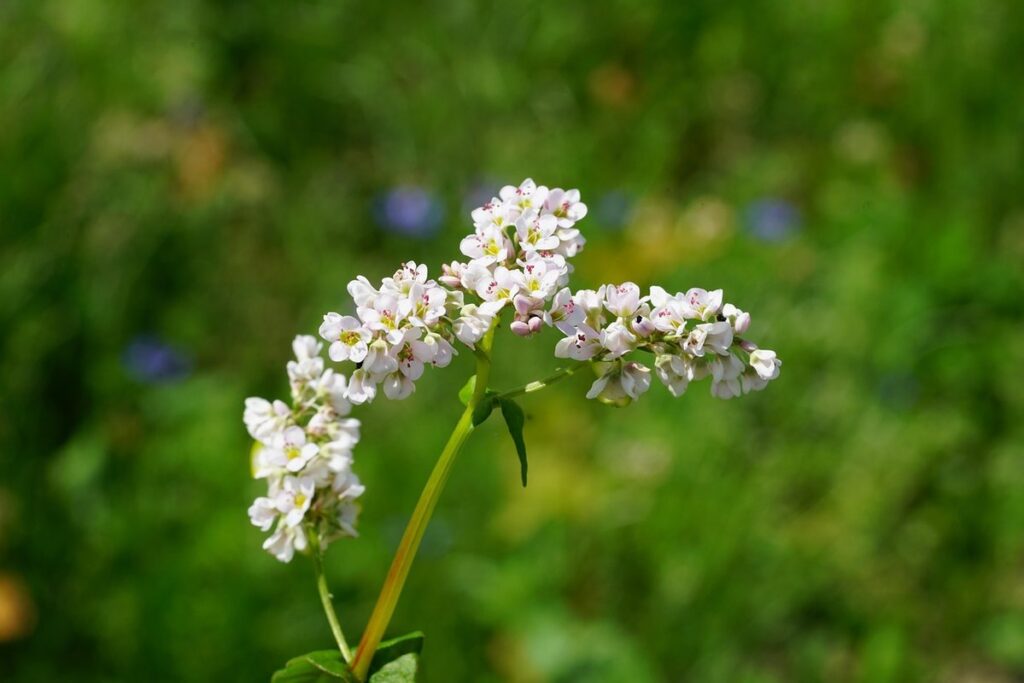
Choosing the Right Variety and Climate
When planting buckwheat, selecting a variety that thrives in your local climate is crucial to ensure a bountiful harvest. Consider factors like temperature, moisture, and sunlight levels when making this choice.
Understanding Buckwheat’s Growing Requirements
Buckwheat is a versatile crop that thrives in temperate climates with moderate temperatures. When choosing a location for your buckwheat crop, it’s essential to consider the ideal climate conditions for optimal growth. Buckwheat prefers well-drained soil and full sun, making it an excellent choice for areas with mild winters and cool summers.
In terms of temperature, buckwheat grows best in temperatures between 65°F (18°C) and 75°F (24°C). Avoid planting buckwheat in areas with prolonged periods of extreme heat or cold. For example, if you’re planning to plant buckwheat in the southern United States, it’s best to wait until late spring when the temperature has stabilized.
When selecting a soil type for your buckwheat crop, opt for well-drained soils with a pH between 6.0 and 7.0. Buckwheat is relatively tolerant of poor soil conditions but will perform better in fertile, loamy soils rich in organic matter. Consider adding compost or manure to your soil to improve its fertility and structure.
By choosing the right climate and soil conditions, you’ll set your buckwheat crop up for success.
Selecting a Suitable Buckwheat Variety
When selecting a suitable buckwheat variety for your garden, it’s essential to consider the specific needs and conditions of your region. There are three main types of buckwheat: summer varieties, winter varieties, and specialty varieties.
Summer buckwheat is typically planted from late spring to early summer and matures within 100 to 110 days. This type of buckwheat is ideal for regions with a short growing season and warm summers. Winter buckwheat, on the other hand, is planted in the fall and matures in the following spring. It’s better suited for areas with mild winters and cool springs.
Specialty varieties, such as ‘Tricolore’ or ‘Amarantho’, offer unique characteristics like colorful flowers, edible leaves, or high nutritional value. If you’re looking to attract pollinators or add a decorative touch to your garden, specialty varieties are an excellent choice. Consider the climate and soil conditions in your area when selecting a variety. Check with local nurseries or online seed suppliers for specific advice on which type of buckwheat will perform best in your region.
Preparing the Soil
Before planting buckwheat, it’s essential to prepare your soil for optimal growth. This involves loosening and aerating the soil to a depth of at least 8 inches.
Testing and Amending Your Soil
Testing and amending your soil is crucial for optimal buckwheat growth. Buckwheat prefers well-draining, loose soils with a pH between 6.0 and 7.5. If your soil is heavy clay or sandy, it may not provide the necessary support for buckwheat’s taproot, which can grow up to 3 feet deep.
Common issues to look out for include nutrient deficiencies, especially nitrogen, phosphorus, and potassium. Soil testing will also reveal if you have high levels of salts, heavy metals, or other contaminants that could harm your plants. For example, a soil test in a region with high sodium levels may show elevated pH levels, which can lead to nutrient lockout.
To amend your soil for optimal buckwheat growth, start by adding organic matter like compost or well-rotted manure. These improve soil structure and fertility while also increasing the water-holding capacity of the soil. Apply 2-3 inches of mulch around the base of each plant to retain moisture and suppress weeds. Finally, apply a balanced fertilizer according to the soil test results to ensure your buckwheat receives the necessary nutrients for healthy growth.
Creating a Fertile Seedbed
When creating a fertile seedbed for buckwheat, it’s essential to focus on tilling, adding organic matter, and controlling weeds. Tilling the soil not only loosens compacted soil but also breaks up any clods that may be present. This process helps improve drainage and aeration, which are crucial for healthy root growth. Use a garden fork or tiller to loosen the top 8-10 inches of soil.
Adding organic matter is another critical step in creating a fertile seedbed. Incorporate compost, well-rotted manure, or green manure into the soil to improve its fertility and structure. A general rule of thumb is to add 2-4 inches of organic matter for every 6-8 inches of soil depth. This will not only provide essential nutrients but also help retain moisture.
To control weeds effectively, consider using a combination of physical removal, mulching, or cultural controls like crop rotation and companion planting. For example, buckwheat can be used as a trap crop to lure away pests that target other crops. By controlling weeds, you’ll reduce competition for water and nutrients, allowing your buckwheat crop to thrive.
Sowing Buckwheat Seeds
To successfully sow buckwheat seeds, you’ll need to choose a suitable time and location, considering factors like climate and soil quality. Let’s dive into these essential details together!
Determining the Right Planting Time
When it comes to planting buckwheat seeds, timing is everything. The right planting time depends on your location and climate, so take note of the frost dates for your area. In general, buckwheat prefers cooler temperatures, making early spring or late summer/early fall ideal planting times.
In areas with mild winters, you can plant buckwheat as soon as the soil can be worked in early spring, usually around 4-6 weeks before the last frost date. This allows the crop to mature before the heat of summer sets in. On the other hand, if you live in an area with harsh winters or short growing seasons, consider planting buckwheat in late summer or early fall, about 8-10 weeks before the first frost date.
Keep in mind that buckwheat is a cool-season crop and can tolerate some frost, but prolonged exposure to freezing temperatures will damage the plants. Be sure to check your local weather forecast and plant accordingly. In regions with long growing seasons, you may be able to get away with planting in mid-spring or early summer, but this depends on your specific climate and soil conditions.
It’s also essential to consider the temperature requirements for buckwheat to germinate. Typically, seeds need a minimum of 55°F (13°C) to germinate, so wait until the soil has warmed up before sowing.
Sowing Techniques for Maximum Germination
When it comes to sowing buckwheat seeds, the technique you choose can significantly impact germination rates. Direct seeding is a common method where seeds are sown directly into the ground at the desired spacing. This approach allows for healthy root development and promotes a strong start for your plants. However, direct seeding may not be suitable for all climates or soil types.
Another method is transplanting, which involves starting seeds in a nursery or greenhouse before transferring them to their final location. Transplanting can provide an initial head start on the growing season but requires more care and attention to ensure the seedlings adapt successfully to their new environment.
In general, direct seeding tends to result in higher germination rates compared to transplanting. This is because seeds sown directly into the ground are less susceptible to shock from being transplanted. However, transplanting can offer advantages when soil conditions or climate are unfavorable for direct seeding.
For optimal results, choose a method that suits your specific needs and location. If you’re new to buckwheat cultivation, start with direct seeding in a well-draining area with suitable temperatures.
Caring for Your Buckwheat Crop
Once you’ve successfully harvested your buckwheat crop, it’s essential to properly care for it after harvesting, ensuring its quality and longevity. Proper post-harvest care will also help prevent disease and pests from affecting future crops.
Watering and Irrigation Strategies
Proper watering and irrigation are crucial for buckwheat’s optimal growth. Consistent moisture helps the crop establish a strong root system, leading to healthier plants that can withstand stress conditions like droughts. However, overwatering is just as detrimental, potentially causing root rot and other problems.
When it comes to irrigation, one common mistake farmers make is watering in the late afternoon or evening. This allows water to sit on the leaves overnight, creating an ideal environment for fungal diseases to develop. Instead, aim to irrigate your buckwheat crop in the morning, allowing the plants to dry out before nightfall.
Buckwheat has a moderate drought tolerance, but prolonged dry spells can still impact yields and quality. To mitigate this risk, monitor soil moisture levels closely and implement deficit irrigation strategies when necessary. This involves applying water only as needed, rather than following a fixed schedule. By being mindful of your crop’s specific watering needs, you’ll be better equipped to manage drought conditions and promote overall health in your buckwheat field.
Managing Pests and Diseases
Buckwheat crops are susceptible to various pests and diseases that can significantly impact their yield and quality. Some common issues you may encounter include aphids, whiteflies, powdery mildew, and root rot.
Aphids and whiteflies are sap-sucking insects that can spread plant viruses and cause curled or distorted leaves. To control these pests, inspect your plants regularly and remove any infested areas. Use neem oil or insecticidal soap to treat the affected plants, and consider introducing beneficial insects like ladybugs or lacewings to feed on the pests.
Powdery mildew is a fungal disease that appears as a white, powdery coating on leaves. It can be controlled by improving air circulation around your plants and removing any infected areas. You can also treat your buckwheat with a fungicide specifically designed for this type of disease.
To prevent root rot, ensure good drainage and avoid overwatering your plants. Regularly inspect the soil moisture and adjust your irrigation schedule as needed.
Harvesting and Processing Buckwheat
Once you’ve harvested your buckwheat, it’s time to dry and process it for use in a variety of dishes, from flour to groats. We’ll walk you through this final step.
Knowing When to Harvest
Knowing when to harvest buckwheat is crucial for maximizing its nutritional value and yield. As a buckwheat grower, you’ll want to keep an eye out for signs of maturity, which typically occur 14-16 weeks after sowing. Look for the flowers on the plants to turn from pink to dark brown or purple, indicating that the grains are mature.
Check the moisture levels in the grains as well; they should be dry and hard when ripe. Harvesting too early can lead to moldy grain, while waiting too long can cause it to become over-mature and lose its flavor. Factors influencing yield include weather conditions, soil quality, and pest/disease management. In ideal conditions, a buckwheat crop can produce around 2-3 tons per hectare.
To determine the optimal harvesting time for your specific crop, check on it regularly during the last week of growth. Check a few plants to see if the grains are fully matured; if they are, it’s likely time to harvest.
Drying, Threshing, and Storing Buckwheat
Properly drying and storing buckwheat grain or seed is crucial to preserve its nutritional value and quality. To start, it’s essential to dry the harvested buckwheat as soon as possible to prevent moisture buildup, which can lead to mold growth and spoilage.
You can use a combination of natural air circulation and mechanical dryers for efficient drying. The ideal moisture level for storing buckwheat is between 10% to 14%. To thresh your dried buckwheat, you’ll need a machine specifically designed for this purpose or a simple manual method like using a flail or stick.
Once you’ve threshed the grain, separate it from its chaff (the outer protective covering) and debris. Storing buckwheat requires a clean, dry place with good air circulation to maintain the desired moisture level. Keep your storage containers off the floor to prevent moisture seepage and pests’ entry points.
For long-term storage, keep an eye on temperature fluctuations between 35°F to 55°F (2°C to 13°C), which can slow down or accelerate the ripening process of buckwheat seeds.
Tips and Variations for Success
Now that you’ve successfully planted your buckwheat, let’s explore some creative ways to maximize its growth and harvest potential. Here are expert tips to ensure a thriving crop.
Intercropping and Companion Planting Strategies
Buckwheat is not only easy to grow but also thrives when paired with other crops. Intercropping and companion planting can boost yields, improve soil health, and reduce pests and diseases. This approach involves growing multiple crops together, such as buckwheat with beans or corn.
For example, intercropping buckwheat with beans like pole beans or snap beans creates a symbiotic relationship that benefits both plants. Beans provide nitrogen fixation, which enriches the soil for the buckwheat, while the tall stalks of buckwheat offer support for the climbing beans. Similarly, planting buckwheat alongside corn allows the buckwheat to act as a natural pest deterrent and improve soil structure.
When intercropping with companion plants, choose crops that complement each other in terms of growth habits, maturity days, and space requirements. Some beneficial companions for buckwheat include marigolds, which repel nematodes, and nasturtiums, which attract aphid-eating insects. By incorporating these strategies into your planting design, you can create a diverse and resilient garden ecosystem that optimizes yields and minimizes maintenance needs.
Advanced Techniques: Cover Cropping and Green Manuring
When planting buckwheat, you’re not just growing a crop – you’re also creating an opportunity to enhance soil health and reduce erosion. This is where advanced techniques like cover cropping and green manuring come into play.
Cover cropping involves planting a different crop between harvests or in off-season periods to protect the soil from erosion and maintain its fertility. For buckwheat, consider intercropping with clover or oats – these easy-to-grow crops will help retain moisture and suppress weeds. Green manuring takes it a step further by incorporating legume cover crops into your soil through plowing. This process not only adds nutrients but also attracts beneficial microbes that promote healthy root development.
To implement these techniques, start by choosing the right cover crop for your climate and soil type. Then, plant at the optimal time to ensure proper growth before buckwheat planting season begins. For example, in temperate climates, plant clover in early spring or fall when temperatures are mild. By incorporating cover cropping and green manuring into your buckwheat growing routine, you’ll not only reduce erosion but also boost soil fertility for future crops.
Frequently Asked Questions
Can I grow buckwheat in areas with high humidity or heavy rainfall?
Yes, while buckwheat prefers well-drained soil, it can tolerate moderate levels of rainfall and humidity. However, be cautious not to overwater, as this can lead to fungal diseases and root rot.
How do I manage weeds in a buckwheat crop without using herbicides?
Intercropping with companion plants like marigold or nasturtium can help suppress weed growth. Regular mulching and hand-weeding also prove effective. Consider these non-chemical methods for maintaining a healthy, weed-free buckwheat stand.
What are the best companion planting strategies to enhance buckwheat yields?
Companion planting with legumes (like beans) or corn can improve soil fertility and structure, ultimately boosting buckwheat yields. Oats or rye make suitable companion crops as well, adding diversity to your rotation plan while minimizing pests and diseases.
How often should I water my buckwheat crop during the growing season?
Buckwheat requires about 20-25 inches of rainfall throughout its growth cycle. If rainfall is scarce, supplemental irrigation may be necessary. Monitor soil moisture closely, especially during periods of drought or high temperature fluctuations, to ensure optimal growth and development.
Can I use a no-till method for planting buckwheat, or is tillage required?
Yes, you can successfully plant buckwheat using a no-till approach, which preserves soil health and reduces erosion. Simply prepare the seedbed by loosening the top 6-8 inches of soil with a garden fork or hoe to create an optimal growing environment for your seeds.