
Planting blueberries can be a rewarding experience for gardeners, but it requires careful planning and attention to detail. If you’re eager to grow your own delicious homegrown blueberries, you’ve come to the right place. With the right location and climate, and proper soil preparation, you’ll be enjoying a bountiful harvest in no time. But where do you start? In this comprehensive guide, we’ll walk you through everything you need to know about successfully planting blueberries. We’ll cover the ideal location and climate for blueberry plants, as well as essential tips on preparing your soil and maintaining healthy growth. Whether you’re a seasoned gardener or just starting out, our expert advice will have you growing plump, juicy blueberries in no time. Let’s get started!
Choosing the Right Location and Climate
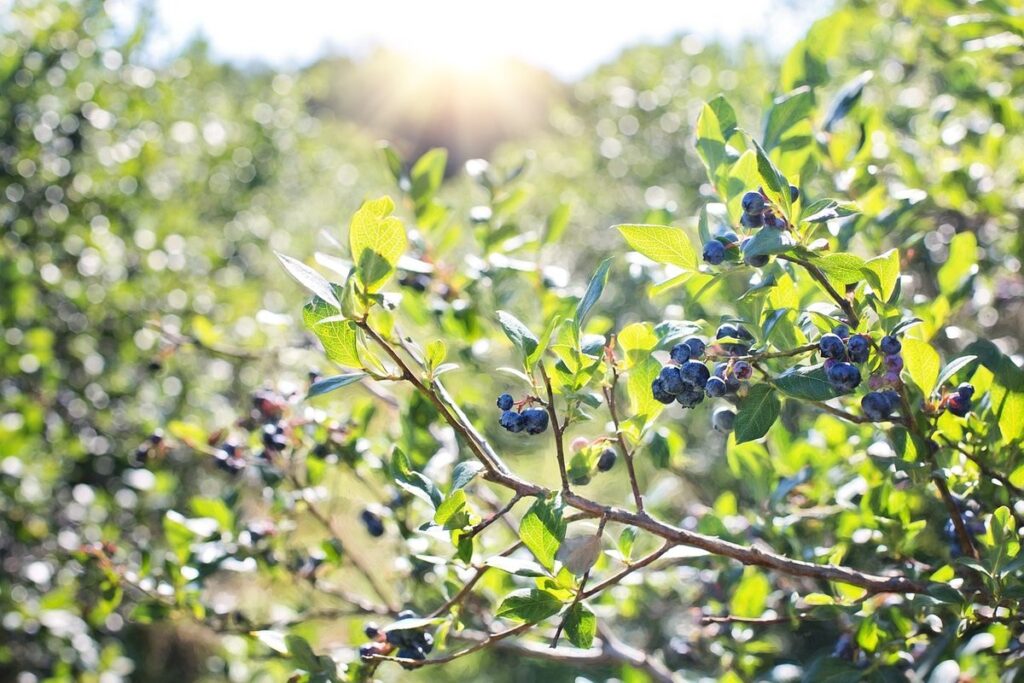
When choosing where to plant your blueberries, it’s crucial to select a location with suitable climate conditions that will allow for optimal growth and fruit production. This means considering temperature zones, sunlight exposure, and humidity levels.
Understanding Blueberry Soil Requirements
When it comes to growing blueberries, one of the most crucial factors is the soil quality. Blueberries are notoriously finicky about their environment, and poor soil can be a major limiting factor for these delicious fruits.
To start, you’ll need to test your soil pH level. Most garden centers offer DIY kits or send soil samples to labs for analysis. The ideal range for blueberries is between 4.5 and 6.0 – anything above this will cause the plants’ nutrients to become less available, while below 4.5 can be toxic. If your test results show a pH outside of this range, you’ll need to take steps to adjust it.
In addition to acidity, blueberries require nutrient-rich soil with high levels of organic matter. Aim for a mix that includes equal parts peat moss and perlite or vermiculite. Avoid using regular potting mixes as they tend to be too alkaline and won’t provide the necessary nutrients. If you’re unsure about your soil’s pH level, it’s better to err on the side of caution – blueberries are more forgiving than they are resilient when it comes to soil quality.
Consider getting a sample of your soil tested or purchase a DIY kit that can help you determine its pH and nutrient levels.
Selecting a Sunny Spot for Your Blueberry Patch
When it comes to selecting a spot for your blueberry patch, sunlight is one of the most critical factors to consider. Blueberries require full sun to produce an abundance of fruit, so choose a location that receives at least six hours of direct sunlight per day.
Ideally, your blueberry patch should receive direct sunlight from morning till afternoon. If you don’t have a spot with full sun, you can still create a sunny area by pruning nearby trees or shrubs to allow more light in. For example, if you have a shaded area due to a large tree, consider removing the lower branches of the tree to let sunlight filter through.
When selecting your spot, also consider the soil’s orientation. A south-facing slope is ideal for blueberries as it receives direct sunlight throughout the day. However, make sure the area drains well and avoid low-lying spots where water may collect during heavy rainfall. By choosing a sunny spot with proper drainage, you’ll set your blueberry patch up for success.
Preparing the Soil for Planting
Before you start planting, it’s essential to prepare the soil properly, and we’ll walk you through the specific steps needed to create a thriving environment for your blueberry bushes. This includes testing pH levels and incorporating organic matter.
Removing Debris and Rocks from the Site
Before you start planting your blueberry bushes, it’s essential to clear the area of any debris and rocks that could damage their roots. Clearing the site will not only make it easier to plant but also ensure healthy growth for years to come.
Begin by removing any large branches or trees that may be present on the site. If you’re unable to remove them yourself, consider hiring a professional arborist to do so safely and efficiently. Next, clear any debris such as leaves, twigs, and weeds from the area using a rake or trowel. Be sure to remove any rocks, stones, or other hard objects that could damage your blueberry’s roots.
When clearing the site, it’s also important to check for any invasive plants that may be competing with your blueberries for water and nutrients. Remove these plants completely, making sure to dig up as much of their root system as possible to prevent regrowth. By removing debris and rocks from the site, you’ll create a clean slate for planting your blueberry bushes and setting them up for success.
Amending Your Soil with Organic Matter
When it comes to planting blueberries, one of the most crucial steps is preparing the soil for optimal growth. This involves amending your soil with organic matter like compost or manure to improve its structure and fertility. Blueberry plants thrive in acidic soils that are rich in nutrients, making the addition of organic matter essential.
Compost is an excellent option as it not only adds nutrient-rich humus but also helps retain moisture in the soil. You can either buy bagged compost or make your own using kitchen scraps and yard waste. Manure from animals like cows or horses is another great source of nitrogen, phosphorus, and potassium that blueberries need to grow.
To incorporate organic matter into your soil, mix it well with the existing topsoil at a ratio of 1 part organic matter to 3 parts soil. This will help balance out the pH levels in your soil while providing essential nutrients for healthy growth. For example, a mixture of compost and peat moss can create an ideal acidic environment for blueberries.
Regularly incorporating organic matter into your soil will lead to healthier and more productive blueberry plants over time.
Obtaining Healthy Blueberry Plants
When it comes to planting blueberries, you’ll want to start with healthy plants that will thrive in your garden. This section covers how to obtain and select the best blueberry plants for your specific climate and needs.
Selecting from Local Nurseries or Online Retailers
When it comes to selecting healthy blueberry plants, you have two primary options: purchasing from local nurseries or online retailers. Both sources can offer high-quality plants, but it’s essential to choose a reputable supplier to ensure you get disease-resistant varieties.
When shopping at local nurseries, inspect the plants for any signs of pests or diseases. Ask the nursery staff about the plant’s origin and whether they have been grown using integrated pest management (IPM) techniques. Look for certifications like Organic or Integrated Pest Management (IPM) to guarantee that the plants are grown with minimal chemical use.
If you prefer to shop online, research the retailer thoroughly to ensure they sell disease-resistant blueberry varieties. Read customer reviews and check the website’s ratings on platforms like Trustpilot or Sitejabber. Also, verify if the online nursery provides a guarantee for their products and if they offer any form of warranty in case the plants don’t thrive.
When purchasing from either source, ensure that you’re buying disease-resistant varieties specifically bred to tackle common blueberry diseases such as powdery mildew or root rot. This will significantly reduce the risk of your blueberries contracting these conditions.
Acquiring Plant Stock: Dormant or Active?
When acquiring blueberry plants for planting, you’ll typically come across two types: dormant and active. Understanding the difference between these two is crucial to ensure successful growth.
Dormant blueberry plants are shipped from nurseries or suppliers during their winter dormancy period, usually from December to February. This type of plant has no foliage, leaves, or flowers when received. The benefits of planting dormant blueberries include lower shipping costs and a reduced risk of pests and diseases that can be present on active plants.
Active blueberry plants, on the other hand, are shipped year-round and have live growth, including leaves, flowers, or even fruit. These plants are ideal for immediate planting but may require more care during transportation to prevent shock or damage. Active plants tend to establish themselves faster in their new environment compared to dormant ones.
It’s best to plant dormant blueberry plants in early spring when they begin to break dormancy. Plant active plants as soon as possible after receiving them, ideally within a week of arrival. Be cautious not to expose the roots of either type of plant to direct sunlight or extreme temperatures during shipping or handling.
Planting Blueberries: Step-by-Step Instructions
Now that you’ve chosen the perfect blueberry variety, let’s dive into planting them correctly to ensure a healthy and thriving crop. Follow these essential steps for a successful start.
Digging the Hole and Adding Soil Amendments
When planting blueberry bushes, it’s essential to prepare the soil properly to give your plant the best chance of thriving. To start, choose a location with well-draining acidic soil that is rich in organic matter. If your native soil lacks these characteristics, you’ll need to create a suitable environment for your blueberry bush.
Begin by digging a hole that is about twice as wide and just as deep as the root ball of your blueberry plant. This will give the roots ample room to grow without becoming constricted. Next, add a 2-3 inch layer of compost or well-rotted manure to the bottom of the hole. This will act as a natural fertilizer and help improve soil structure.
Consider adding acidic fertilizers like ammonium sulfate or elemental sulfur if your native soil is not naturally acidic. However, be cautious not to over-fertilize, as this can harm your blueberry plant in the long run. A general rule of thumb is to apply 1/2 cup of fertilizer per year for young plants and reduce the amount as they mature.
As you fill in the hole with soil, gently spread out the roots to encourage even growth. Finally, water thoroughly to settle the soil around the roots. By following these steps, you’ll be well on your way to creating a healthy environment for your blueberry bush to flourish.
Gently Placing the Root System in the Hole
When placing the root system in the hole, it’s essential to handle the roots with care to prevent damage. Start by gently separating any circling roots that are wrapped around the stem. This will give you a better idea of how many roots you’re working with and allow them to spread out evenly.
To do this, use your fingers or a blunt instrument like a chopstick to carefully tease apart the tangled roots. You may need to work slowly and patiently to avoid causing damage. If the roots are particularly stubborn, consider soaking the plant in a bucket of water for 30 minutes to an hour before planting. This will help loosen them up.
Once you’ve separated the circling roots, spread them out evenly around the hole, making sure not to compact or crush any of the delicate root hairs. Take care to leave enough space between each root system section to allow for proper growth and development.
Watering and Mulching Your Blueberry Patch
Now that you’ve planted your blueberries, it’s time to think about their ongoing care. In this next step, we’ll cover watering and mulching essentials for a thriving patch.
Creating a Soaking Zone for Efficient Irrigation
When planting blueberries, it’s essential to create a soaking zone around each plant to collect water and reduce evaporation. This simple yet effective technique can help optimize irrigation efficiency, saving you time and resources.
Digging a shallow ditch around the base of each blueberry plant creates a microclimate that captures rainwater and irrigation runoff. As water flows through the soil, it seeps into the roots, providing a consistent moisture level. By reducing evaporation from the soil surface, you minimize water loss due to heat stress or dry winds.
To create an effective soaking zone:
• Dig a shallow ditch (about 2-3 inches deep) around each plant, starting about 1 inch away from the stem.
• Rake the soil gently to allow it to settle and form a smooth surface for watering.
• Use this technique in conjunction with mulching, which helps retain moisture and suppress weeds.
By incorporating a soaking zone into your blueberry patch, you’ll be able to water more efficiently, ensuring healthier plants and higher yields.
Applying Mulch to Retain Moisture and Suppress Weeds
Applying mulch around your blueberry plants is a crucial step in creating an optimal growing environment. Mulch helps retain moisture in the soil by preventing it from evaporating quickly, which is especially beneficial for blueberries that prefer consistent moist conditions. Aim to apply 2-3 inches of organic mulch such as wood chips or pine straw around the base of each plant, keeping a 6-inch radius clear.
Mulch also plays a significant role in suppressing weeds that can compete with your blueberry plants for resources like water and nutrients. Weeds like clover and dandelions can be particularly problematic, but they’re easily outcompeted by the thick layer of mulch. Additionally, as weeds germinate through the mulch, they’ll be more susceptible to drought stress, ultimately dying off without causing harm to your blueberry plants.
To get the most out of your mulching efforts, ensure the material is kept consistently moist but not waterlogged. As new growth emerges in spring, replenish the mulch layer to maintain its effectiveness throughout the growing season.
Tips for Maintaining Your Blueberry Patch
Now that you’ve successfully planted your blueberries, it’s time to think about long-term care and maintenance to keep them thriving in the years to come. Regular tasks will help ensure a bountiful harvest season after season.
Pruning for Optimal Growth and Yield
Pruning is an essential part of maintaining a healthy and productive blueberry patch. By pruning your plants regularly, you can promote optimal growth, increase fruit production, and even extend the lifespan of your bushes. When it comes to timing, it’s best to prune your blueberries during their dormant season, which typically occurs between late winter and early spring.
Start by removing any dead, diseased, or damaged branches, as these can be a magnet for pests and diseases. Cut these branches back to the base, making sure to disinfect your pruning tools in between cuts to prevent the spread of disease. Next, focus on shaping your bushes to encourage healthy growth patterns. Remove any crossing branches that may be rubbing against each other, and cut back tips to encourage branching.
By pruning at the right time and following these simple steps, you’ll be rewarded with a more productive and resilient blueberry patch. As a general rule of thumb, aim to prune your blueberries every year in late winter or early spring, and again after harvest to remove any weak growth that may have developed during the growing season.
Fertilizing and Pest Management Strategies
Fertilizing and pest management are crucial aspects of maintaining a thriving blueberry patch. Blueberries require consistent nutrient supply to produce high-quality fruit, especially when they’re not naturally acidic enough to draw nutrients from the soil. A balanced fertilizer should contain essential micronutrients like nitrogen (N), phosphorus (P), potassium (K), iron, manganese, and boron. Organic options like fish emulsion or compost can also be effective.
Regular fertilization helps maintain optimal pH levels between 4.0 and 5.5. To ensure this, soil testing is essential before the growing season begins. If your patch has low acidity, add elemental sulfur to reduce pH. When it comes to pest management, aphids and spider mites are common culprits. Inspect plants regularly for signs of infestation – distorted leaves or white speckles on foliage. Use neem oil or insecticidal soap as first-line treatments.
For severe infestations, consider introducing natural predators like lady beetles or lacewings to your patch. To prevent pest buildup, maintain a diverse ecosystem by planting a mix of annual and perennial species alongside blueberries.
Frequently Asked Questions
What if I don’t have acidic soil? Can I still grow blueberries?
Yes, you can amend your non-acidic soil to create a suitable environment for blueberry growth. Add organic matter like peat moss or sulfur to lower the pH level and improve drainage. However, be cautious not to overdo it, as excessive acidity can harm your plants.
How often should I water my blueberries after planting?
Watering frequency depends on climate conditions, soil type, and plant age. Generally, young blueberry plants require consistent moisture during their first year of growth. Water them when the top 2-3 inches of soil feel dry to the touch, but avoid overwatering which can lead to root rot.
What’s the ideal spacing for blueberry bushes in my garden?
The recommended spacing between blueberry bushes varies depending on the mature size of your plants and the type of variety. Typically, space dwarf varieties 2-3 feet apart, semi-dwarf varieties 3-4 feet apart, and standard varieties 6-8 feet apart to allow for proper air circulation and sunlight penetration.
Can I plant blueberries in containers or do they require a large garden bed?
Yes, you can grow blueberries in containers! Choose a container with good drainage (at least 12 inches deep) and use a well-draining potting mix specifically designed for acidic-loving plants. Make sure the container is at least 6-8 hours of direct sunlight per day.
How long will it take for my blueberry plants to produce fruit?
The time frame from planting to harvesting depends on factors like climate, soil quality, and plant variety. Generally, dwarf varieties can produce fruit within 1-2 years after planting, while standard varieties may take 3-5 years to mature. Proper care, including regular watering, fertilization, and pruning, will help promote healthy growth and optimal yield.