
Are you ready to add some stunning beauty to your garden with black bearded iris? These gorgeous flowers are a favorite among gardeners, but planting their rhizomes can be intimidating if you don’t know where to start. That’s why we’re here to guide you through the process of successfully planting black bearded iris rhizomes in your own yard.
In this article, we’ll cover everything from choosing the perfect location for your irises to preparing the rhizomes and caring for them after planting. We’ll also share some valuable tips on how to ensure healthy growth and vibrant blooms. Whether you’re a seasoned gardener or just starting out, our step-by-step instructions will help you grow beautiful black bearded iris that will add a pop of color to your garden year after year.
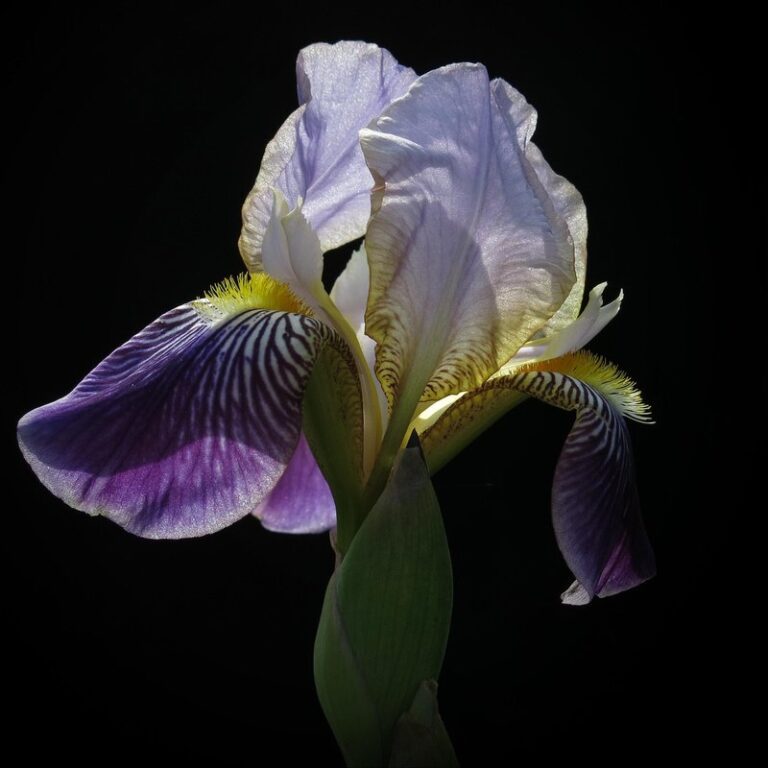
Choosing the Right Location and Climate
When selecting a location for your black bearded iris rhizomes, consider the soil type, sunlight exposure, and climate conditions to ensure optimal growth. This is crucial for their success.
Understanding the Hardiness Zone
Before you begin planting your black bearded iris rhizomes, it’s essential to understand your hardiness zone. This will determine the success of your irises and help you choose a location that provides the right growing conditions. The hardiness zone map is divided into 11 zones in the United States, ranging from Zone 3 (the coldest) to Zone 11 (the warmest).
Knowing your hardiness zone will also influence how well your black bearded irises perform during winter and summer months. In general, black bearded irises prefer a moderate climate with temperatures between 35°F and 90°F (-1°C and 32°C). If you live in an area with extreme temperatures, consider selecting varieties that are bred for cold or warm climates.
When selecting a location for your iris garden, look for a spot with full sun to partial shade. Black bearded irises also require well-draining soil, so avoid areas prone to waterlogging. Be mindful of wind direction and choose a location that provides some protection from harsh winds. By understanding your hardiness zone and choosing the right location, you’ll set your black bearded iris rhizomes up for success.
Soil Requirements for Black Bearded Irises
When it comes to planting black bearded iris rhizomes, selecting the right soil is crucial for their growth and blooming success. Black bearded irises prefer well-draining soil that’s rich in organic matter. Aim for a mix with a pH between 6.0 and 7.0, as they can tolerate slightly acidic to neutral conditions.
To ensure good drainage, avoid planting your rhizomes in low-lying areas where water tends to collect. Instead, choose a spot with full sun and a slight slope to allow excess moisture to escape. If your soil is heavy clay or prone to waterlogging, consider raising the bed by about 6 inches to improve air circulation.
When preparing your soil, add a mix of compost and well-rotted manure to provide essential nutrients. A ratio of 2 parts topsoil to 1 part compost should give you the right balance for optimal growth. Remember to avoid over-fertilizing, as this can lead to weak, leggy stems that are less likely to bloom.
Sunlight and Water Needs
When choosing a location for your black bearded iris rhizomes, it’s essential to consider their specific sunlight and water needs. Black bearded irises prefer full sun to partial shade, meaning they thrive in areas that receive direct sunlight for at least six hours a day. This allows them to absorb the necessary energy for blooming and growth.
However, if your area experiences extreme heat or intense sunlight, providing some afternoon shade can help prevent scorching of the rhizomes. In regions with mild winters, full sun is often ideal, but in colder climates, partial shade will protect the delicate roots from harsh winter conditions.
In terms of water needs, black bearded irises prefer well-draining soil and should be planted in an area that allows excess moisture to escape. Overwatering can lead to root rot and other issues, so make sure the soil drains freely after watering. Aim for about 1-2 inches of rainfall or irrigation per week during their active growth period, adjusting according to your local climate and weather patterns. This will help your black bearded irises establish a strong foundation and thrive in their new environment.
Preparing the Rhizomes for Planting
Before you start planting your black bearded iris rhizomes, make sure to carefully prepare them by gently washing off any excess soil and inspecting for any signs of damage.
Handling and Storing Rhizomes
When handling black bearded iris rhizomes, it’s essential to be gentle to avoid causing damage. Start by gently separating the individual rhizomes from each other using a fork or a similar tool. If the rhizomes are stuck together, you can also use a sharp knife or pruning shears to carefully cut them apart.
To prevent rot and damage, make sure the rhizomes are dry before storing them. You can air-dry them in a well-ventilated area for a few days or until the soil is completely dry. This will help prevent any moisture from accumulating and causing damage.
When storing the rhizomes, keep them cool and dry. A dark place with consistent temperatures between 40°F to 50°F (4°C to 10°C) is ideal. You can store them in paper bags or breathable containers to maintain humidity levels and prevent drying out. Be sure to label each bag or container so you know what’s inside.
It’s also crucial to keep the rhizomes away from direct sunlight, which can cause them to dry out quickly. If you plan on storing them for an extended period, consider dividing them into smaller portions to ensure they remain healthy and viable when it’s time to plant.
Inspecting Rhizomes for Quality
When inspecting black bearded iris rhizomes for quality, there are several key factors to consider. First and foremost, look for firm, plump rhizomes with a good balance of buds and foliage. A healthy rhizome should have at least two to three “eyes” or buds per inch, which will help the plant produce multiple blooms.
Check the rhizome’s color – a vibrant yellow or cream-colored center indicates a high quality, disease-free plant. Avoid rhizomes with soft spots, mushy texture, or dark greenish-black centers, as these can be signs of rot or fungal infections that may affect growth.
Also inspect for any signs of damage or trauma during transport, such as cuts, cracks, or broken roots. These imperfections can compromise the plant’s ability to absorb water and nutrients.
As you’re examining the rhizomes, gently separate them from each other to ensure there are no tangled or damaged roots. Any signs of these issues should be avoided, as they can impede the plant’s growth and flowering performance in subsequent seasons.
Acclimating Rhizomes Before Planting
Acclimating rhizomes before planting is an essential step that often gets overlooked. However, it can make a significant difference in the success of your black bearded iris plants. Rhizomes are sensitive to extreme temperatures and handling, which can cause them to deteriorate or even die.
To acclimate your rhizomes successfully, start by removing any packaging materials, such as paper bags or plastic wrap. Rinse the rhizomes gently with lukewarm water to remove any debris. Then, place them in a shallow container filled with water at room temperature. This allows the rhizomes to soften and rehydrate after their journey.
Allow the rhizomes to acclimate for 24-48 hours before planting. During this time, change the water daily to keep it fresh and oxygenated. Avoid exposing the rhizomes to direct sunlight or extreme temperatures. By following these simple steps, you’ll give your black bearded iris rhizomes the best chance of thriving when planted.
Note: Do not soak the rhizomes in water for an extended period as this can cause them to rot.
Planting Black Bearded Iris Rhizomes
Planting black bearded iris rhizomes can be a bit tricky, but don’t worry, we’ll walk you through it step by step in this section. Let’s start with preparing the perfect planting site for your new rhizomes.
Digging the Perfect Hole
When digging holes for your black bearded iris rhizomes, it’s essential to consider the ideal depth and spacing. A good rule of thumb is to dig a hole that’s about 3-4 times deeper than the height of the rhizome. For example, if your rhizome is around 2 inches tall, aim for a hole that’s 6-8 inches deep.
As for spacing, plant each rhizome about 12-18 inches apart from one another. This allows for proper air circulation and helps prevent fungal diseases from spreading between plants. You can also consider the mature size of your irises when determining spacing – if you’re planting a variety that’s known to spread out quite a bit, give them even more room to grow.
Remember to loosen the soil at the bottom of the hole before placing the rhizome in it. This will help the roots settle in comfortably and reduce the risk of waterlogged soil around the rhizome. By taking these simple steps, you’ll be well on your way to creating an ideal environment for your black bearded irises to thrive.
Planting Rhizomes at the Right Depth
When planting black bearded iris rhizomes at the right depth is crucial for their health and growth. A common mistake many gardeners make is planting them too shallowly, which can lead to poor establishment and reduced flower production.
The ideal planting depth for black bearded iris rhizomes is typically 2-4 inches below the soil surface, depending on the climate and soil type. If you live in areas with hot summers or dry soils, it’s best to plant them at the upper end of this range (3-4 inches deep) to provide extra protection from heat stress.
On the other hand, if your garden is prone to waterlogging or has heavy clay soils, planting them at the lower end of the range (2-3 inches deep) can help prevent root rot. To ensure your rhizomes are secure in their new location, gently firm the soil around each plant, making sure not to compact it too much.
A general rule of thumb is to plant the rhizome so that the top of it is level with or slightly below the surface of the surrounding soil. This will give the roots room to grow downward while keeping the crown (where the leaves meet the rhizome) above ground where it can produce new growth and flowers.
Watering After Planting
Proper watering after planting is crucial for newly planted black bearded irises. When you first plant your rhizomes, they are susceptible to drought stress and waterlogging, which can lead to root rot. To ensure the health of your plants, it’s essential to strike a balance between providing enough moisture and giving the roots time to establish themselves.
As a general rule, newly planted black bearded irises should receive about 1 inch of water per week, either from rain or irrigation. However, this amount can vary depending on the weather conditions in your area. During hot summer months, you may need to provide more frequent watering to prevent drought stress. For example, if it’s been extremely dry for a few weeks, you might need to give your irises an extra 1/2 inch of water every other day.
To check whether your plants need water, insert your finger into the soil up to the knuckle. If the soil feels dry, it’s time to water. It’s also essential to avoid overwatering, which can lead to root rot and kill your plants. A good rule of thumb is to water when the top 2-3 inches of soil feel dry to the touch.
Caring for Newly Planted Black Bearded Irises
Now that your new black bearded irises are planted, it’s essential to provide them with proper care to ensure they thrive in their new home and come back year after year. Watering, fertilizing, and pruning will make all the difference in establishing a healthy root system.
Mulching and Weeding
Mulching around newly planted black bearded irises offers several benefits. It helps retain moisture in the soil, suppress weeds that can compete with the iris for water and nutrients, and regulate soil temperature. To mulch effectively, start by applying a 2-3 inch layer of organic material such as bark chips or straw around the base of each plant. Keep the mulch at least 6 inches away from the rhizomes to prevent rot.
Weeds can also be a significant threat to newly planted irises. Regularly inspect the area for weeds and remove them by hand or with a tool before they have a chance to seed. Avoid using herbicides, as these can damage the iris plants themselves. Instead, focus on removing weeds manually or using a hoe to minimize their impact.
To make mulching and weeding more efficient, consider creating a barrier around your iris bed using landscape fabric or plastic sheeting. This will prevent weeds from growing in the first place and make maintenance easier over time. By incorporating these practices into your care routine, you can help ensure your newly planted black bearded irises thrive for years to come.
Fertilizing Young Plants
When it comes to caring for newly planted black bearded iris rhizomes, fertilizing young plants is an essential step. Young irises require a boost of nutrients to establish themselves and develop strong roots, which will enable them to thrive in the coming seasons.
Fertilize young black bearded irises as soon as they emerge from dormancy, typically around late winter or early spring. At this stage, apply a balanced, water-soluble fertilizer at half the recommended strength. You can also use a starter solution specifically designed for new plant growth, which often contains additional micronutrients like iron and magnesium.
It’s crucial to avoid over-fertilizing young irises, as this can damage their delicate roots. Instead, focus on providing them with a balanced diet of nitrogen, phosphorus, and potassium. Repeat fertilization about 6-8 weeks after the initial application, but be sure to follow the instructions on your chosen fertilizer package for optimal results.
Some gardeners also swear by using compost tea or fish emulsion as an alternative to synthetic fertilizers. These natural options can provide a gentle nutrient boost without burning your irises’ roots. Experiment with different methods to find what works best for you and your black bearded iris collection.
Protecting from Pests and Diseases
Black bearded irises are susceptible to various pests and diseases that can harm their growth and beauty. One of the most common pests is the iris borer, which feeds on the rhizome and can cause significant damage. To prevent this, make sure to inspect your rhizomes before planting and remove any debris or infected material. You can also use neem oil or insecticidal soap to control infestations.
Diseases such as root rot and leaf spot can also affect black bearded irises. These are often caused by overwatering or poor drainage, so it’s essential to ensure that your soil is well-draining and that you’re not watering too frequently. Fungal diseases like powdery mildew and rust can be treated with fungicides, but prevention is always the best approach.
To maintain a healthy black bearded iris, avoid overwatering and provide good air circulation around the plants. Regularly inspect your irises for signs of pests or disease, and take action promptly if you notice any issues. By taking these precautions, you can enjoy beautiful blooms from your newly planted rhizomes with minimal maintenance required.
Common Issues and Troubleshooting
As you plant your black bearded iris rhizomes, it’s not uncommon to encounter some bumps along the way. This section will address common issues and provide troubleshooting tips to get your irises thriving in no time.
Identifying Common Problems
When planting black bearded iris rhizomes, you may encounter some common issues that can hinder their growth and productivity. One of the most prevalent problems is rotting rhizomes. Signs of a rotting rhizome include soft, mushy tissue, or an unpleasant odor emanating from the rhizome itself. This often occurs due to overwatering, which causes the soil to become waterlogged and creates an ideal environment for fungal growth.
Another issue you might face is poor germination rates. This can be caused by planting rhizomes that are not viable or have been stored improperly. Make sure to purchase rhizomes from a reputable supplier and store them in a cool, dry place before planting. You should also inspect the rhizomes for any signs of damage or disease.
In addition, black bearded irises may require division after several years due to their tendency to become congested. If you notice that your plants are not producing new growth or have declined in performance, it may be time to divide and replant. Regularly inspecting your rhizomes for signs of stress or disease will help prevent these common issues from arising.
Solutions to Common Problems
If you’re experiencing issues with planting black bearded iris rhizomes, don’t worry – we’ve got solutions for common problems. One of the most frequent issues is receiving damaged or broken rhizomes due to improper storage or shipping. To prevent this, make sure to store your rhizomes in a dry, cool place during the summer months and avoid exposure to extreme temperatures.
Another common problem is poor root development after planting. This can be caused by insufficient water or incorrect soil mix. To promote healthy root growth, ensure you’re providing your irises with at least 1-2 inches of water per week and use a well-draining potting mix specifically designed for rhizomes.
If your black bearded iris rhizomes are not producing flowers, it may be due to inadequate sunlight or poor soil quality. To combat this, choose a location that receives full sun (at least 6 hours of direct sunlight) and amend the soil with compost or fertilizer to provide essential nutrients.
Tips for Success and Varieties to Consider
Now that you’ve successfully planted your black bearded iris rhizomes, let’s discuss some important tips for success and explore different varieties to consider for your garden.
Choosing the Right Variety
When it comes to planting black bearded iris rhizomes, choosing the right variety can make all the difference. With over 200 varieties to choose from, selecting one that fits your garden’s specific conditions and style can be overwhelming.
Some popular varieties of black bearded irises include ‘Immortal Spirit’, known for its vibrant purple-black petals and sweet fragrance, while ‘Midnight Hour’ boasts deep blue-black flowers with a silvery sheen. Consider the color palette you’re aiming for in your garden: do you want bold and bright, or more subtle and pastel?
When selecting a variety, consider factors such as soil quality, sunlight exposure, and moisture levels. For example, ‘Immortal Spirit’ prefers well-draining soil and full sun, making it ideal for gardens with plenty of direct sunlight.
Ultimately, the right variety will depend on your specific garden conditions and personal preferences. Take some time to research different varieties, read reviews from other growers, and don’t be afraid to ask for advice at a local nursery or gardening club. By choosing a variety that suits your garden’s needs, you’ll set yourself up for success with these beautiful black bearded irises.
Advanced Tips for Experienced Gardeners
As an experienced gardener, you’re likely familiar with the basics of planting black bearded iris rhizomes. Now it’s time to take your skills to the next level and explore some advanced techniques that will help your plants thrive.
One key consideration for experienced gardeners is division. Since black bearded irises typically bloom in late spring, they’ve had a chance to establish themselves over the summer months. This means their rhizomes have multiplied and can be divided to create new plants. Divide your rhizomes every 3-4 years to maintain healthy growth and prevent overcrowding.
Another advanced tip is to plant black bearded iris in layers. This involves planting multiple rhizomes in the same bed, but staggered at different depths. This not only adds visual interest but also creates a lush, layered effect that draws pollinators to your garden.
Finally, experienced gardeners know that proper care extends beyond planting and division. Regular deadheading is essential for maintaining blooms throughout the growing season. Remove spent flower spikes promptly after blooming ends, and trim back foliage by about one-third in late summer to promote new growth.
Frequently Asked Questions
What are some common mistakes to avoid when preparing black bearded iris rhizomes for planting?
When preparing your rhizomes, make sure not to cut or damage them excessively, as this can reduce their chances of success. Also, avoid washing the rhizomes before planting, as they need a layer of old growth on them to establish new roots.
How do I know if my black bearded iris rhizomes are healthy enough for planting?
Inspect your rhizomes carefully before purchasing or planting. Look for signs of damage, disease, or pests. Healthy rhizomes should have a firm, dry coating and no visible mold or rot. If you’re unsure, consider consulting with a local nursery expert.
Can I plant black bearded iris rhizomes in containers?
Yes! You can grow black bearded irises in containers, providing they receive sufficient sunlight and water. Choose a container that’s at least 12-18 inches deep to accommodate the rhizome’s growth habit. Use well-draining potting mix and follow the same care instructions as for planted irises.
How long will it take for my black bearded iris plants to bloom after planting?
The time between planting and blooming can vary depending on factors like climate, soil quality, and individual plant health. Generally, you can expect to see blooms within 2-3 years after planting in optimal conditions. Keep the area well-maintained, and with proper care, your irises will reward you with stunning flowers.
Can I divide and replant black bearded iris rhizomes from existing plants?
Yes! Division is an excellent way to propagate new black bearded irises. Wait until the plant has finished blooming and has died back slightly, then carefully dig up the rhizome and separate it into sections. Replant these sections in a similar location with optimal growing conditions for healthy growth.