
Planting basil can be a fun and rewarding experience, but it requires some attention to detail. If you’re one of the many gardeners who struggle with growing this fragrant herb, don’t worry – I’m about to share my top tips on how to plant basil like a pro! Whether you’re new to gardening or just want to improve your existing skills, learning how to grow and harvest basil successfully is essential. Not only does it add flavor and aroma to countless dishes, but it’s also surprisingly easy to care for once you get the basics right.
In this step-by-step guide, I’ll walk you through the ideal climate and soil conditions for planting basil, as well as share some expert advice on how to troubleshoot common issues that may arise. By following these simple tips, you’ll be enjoying fresh, fragrant homegrown basil in no time – perfect for adding a burst of flavor to pasta sauces, pesto, and more!
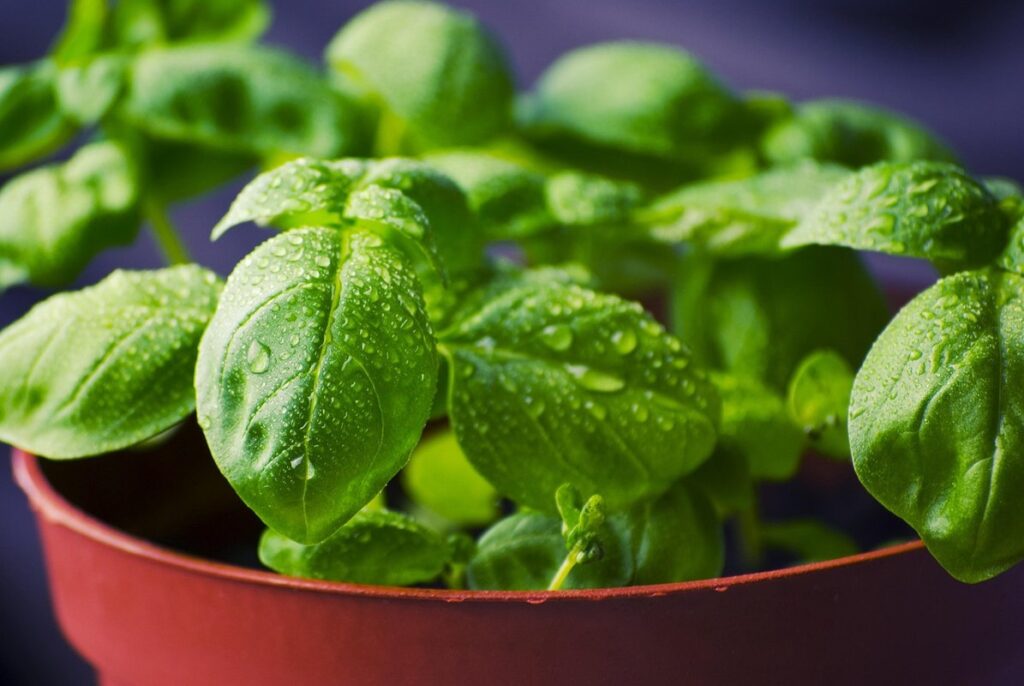
Choosing the Right Location and Climate
When it comes to growing basil, selecting a suitable location is crucial for its success. This means considering both your climate and available space.
Understanding Basil’s Requirements
When it comes to planting basil, understanding its requirements is crucial for a successful harvest. Basil thrives in warm and sunny conditions, typically requiring at least 4-6 hours of direct sunlight per day. However, if you live in an extremely hot climate, providing some afternoon shade can help prevent leaf scorch.
Temperature-wise, basil loves temperatures between 60°F to 80°F (15°C to 27°C), making it a perfect crop for spring and summer seasons. When the temperature drops below 50°F (10°C) or rises above 90°F (32°C), basil’s growth slows down, and it may become more susceptible to pests and diseases.
In terms of soil conditions, basil prefers well-draining, fertile soil with a pH between 6.0 and 7.0. You can test your soil to determine its pH level and adjust it accordingly. Additionally, make sure the area you’ve chosen has good air circulation to prevent fungal diseases from spreading. By considering these factors, you’ll be able to create an ideal environment for your basil plants to flourish.
Preparing the Soil
Before you start planting basil, it’s essential to prepare the soil for optimal growth. Well-draining soil is crucial for basil, as it can be susceptible to root rot if the water doesn’t drain properly. To test the pH level of your soil, purchase a DIY kit or send a sample to a lab for analysis. The ideal pH range for basil is between 6.0 and 7.0.
To improve soil fertility, add organic matter like compost or manure. Compost can be made at home using kitchen scraps and yard waste, while manure from herbivores is rich in nutrients. Add 2-3 inches of compost or 1 inch of manure to the top layer of soil and mix it well. You can also use other organic amendments like worm casting or green sand.
Keep in mind that basil prefers a slightly acidic to neutral soil pH, so avoid using alkaline-rich substances like lime. A balanced potting mix specifically designed for herbs will also help ensure the right pH level. By preparing your soil with the right mix of nutrients and drainage, you’ll set your basil plants up for success and enjoy a bountiful harvest.
Selecting the Perfect Basil Variety
When it comes to growing delicious basil, choosing the right variety is crucial. Let’s explore some popular options and select the perfect one for your garden.
Popular Basil Types for Beginners
When it comes to planting basil, choosing the right variety can be overwhelming with so many options available. As a beginner, you’ll want to start with popular and easy-to-grow varieties that will thrive in your home garden.
Let’s take a look at three of the most common basil types perfect for beginners: Sweet Basil, Genovese, and Thai Basil. These varieties are not only versatile but also easy to grow and maintain.
Sweet Basil is one of the most recognizable and widely used basil types. Its sweet, slightly spicy flavor makes it an ideal choice for pesto sauces, caprese salads, and a variety of Italian dishes. It grows relatively fast, typically taking around 60-90 days to mature.
Genovese Basil, on the other hand, is another popular choice known for its large leaves and delicate flavor. Native to Italy, this basil type is perfect for cooking up classic Genovese recipes like pesto and caponata. With proper care, it can grow relatively quickly, taking around 60-70 days to mature.
Thai Basil’s unique anise-like flavor sets it apart from the others. This spicy-hot basil type pairs perfectly with Asian-inspired dishes, stir-fries, and curries. It grows slightly faster than sweet basil, typically maturing in around 50-70 days.
For beginners, these three varieties offer a great starting point for experimenting with different flavors and cooking techniques.
Specialty Basil Varieties for Advanced Gardeners
If you’re an advanced gardener looking to take your basil game to the next level, you’ll love exploring specialty varieties that add a unique twist to this classic herb. Lemon and lime basil, for instance, burst with citrusy flavors that are perfect for adding a tangy twist to summer dishes. To grow these varieties, make sure to provide them with full sun (at least 6 hours of direct sunlight) and well-draining soil. They require slightly acidic pH levels, so test your soil to ensure it’s within the optimal range.
Purple basil, on the other hand, boasts a deep, rich flavor that pairs beautifully with vegetables like bell peppers and eggplant. It’s also relatively low-maintenance and can thrive in partial shade. To bring out its distinctive color, make sure to pinch off any flowers as they form, encouraging the plant to focus energy on leaf growth.
When growing specialty basil varieties, remember to start seeds indoors 4-6 weeks before the last frost date in your area. This will give them a head start on the growing season and ensure they’re ready to be transplanted into larger containers or directly into the garden when the weather warms up.
Starting Basil Seeds or Seedlings
When starting from seeds, you’ll want to sow them indoors 6-8 weeks before the last frost date, and when using seedlings, transplant them into larger pots for optimal growth.
Sowing Seeds Indoors
Sowing basil seeds indoors is an excellent way to get a head start on the growing season. Four to six weeks before the last frost date, you can begin sowing basil seeds indoors to give them a boost before transplanting them outside.
To sow basil seeds, start by filling a seed tray or small pots with a good quality potting mix. Moisten the soil gently but make sure not to overwater it. Sow the seeds about 1/8 inch deep and 1-2 inches apart. This will give them enough room to grow without overcrowding.
Place the seed tray or pots in a warm location with indirect light, such as an east-facing window or under grow lights. Aim for temperatures between 70-80°F (21-27°C) to promote healthy growth. Water the seeds gently but thoroughly once a week until they germinate. It usually takes around 7-10 days for basil seeds to sprout.
Keep in mind that basil is a warm-season crop and needs at least six hours of direct sunlight per day when transplanted outside.
Transplanting Seedlings Outdoors
When it’s time to transplant seedlings outdoors, timing is crucial. Wait until your seedlings have at least two sets of leaves and are around 2-3 inches tall. This ensures they’re robust enough to handle the shock of being moved into larger containers or directly into the garden.
To prepare the soil for transplanting, make sure it’s loose and well-draining. If you’re direct-sowing in the garden, add a 2-inch layer of compost or well-rotted manure to enrich the soil. If using containers, choose a potting mix specifically designed for herbs and ensure it has good drainage holes.
For a successful transplant, handle the roots gently when lifting the seedlings from their pots. Place them in a new location with at least 6 hours of direct sunlight per day. Water thoroughly after transplanting and continue to provide adequate moisture, especially during hot weather.
Planting Basil in Containers and Indoors
If you don’t have a garden, you can still grow delicious basil by planting it in containers on your patio or indoors on a sunny windowsill. Let’s dive into the specifics of container and indoor basil growing!
Growing Basil in Pots
When growing basil in pots, it’s essential to choose a container that provides sufficient space for the plant’s roots to grow. A minimum pot size of 6-8 inches deep and 8-10 inches wide is recommended. This will give the roots room to expand and help prevent waterlogged soil.
Drainage is also crucial when growing basil in containers. Make sure your pot has drainage holes in the bottom to prevent water from accumulating at the base of the plant. You can also add a layer of small rocks or broken pottery at the bottom of the pot for extra drainage.
Fertilize your container-grown basil regularly, using a balanced fertilizer (10-10-10) during the growing season. This will promote healthy growth and prevent nutrient deficiencies. Water your basil plants when the top inch of soil feels dry to the touch, and avoid overwatering, which can lead to root rot.
Container gardening is ideal for small spaces, as it allows you to grow a large number of plants in a compact area. Plus, potted basil can be easily moved indoors during harsh weather conditions, extending its growing season.
Indoor Basil Gardening for Year-Round Harvests
To achieve year-round harvests with indoor basil gardening, you’ll need to create an optimal environment for your plants. This involves using grow lights to supplement natural light, maintaining a consistent temperature between 65-75°F (18-24°C), and implementing pruning techniques to promote healthy growth.
For the best results, choose high-quality grow lights that provide full-spectrum illumination. Aim for at least 12 hours of light per day to simulate natural daylight. You can also adjust the height of your plants under the lights to ensure they receive the right amount of light.
When it comes to temperature control, keep in mind that basil prefers warmer temperatures during the day and slightly cooler temperatures at night. This helps to prevent shock and promotes healthy growth.
To maintain a thriving indoor basil garden, prune your plants regularly. Remove any flower buds that form, as these will divert energy away from leaf production. Pinch off individual leaves or stems to encourage branching and promote bushy growth. By following these steps, you can enjoy fresh, fragrant basil year-round, even in the dead of winter.
Caring for Established Basil Plants
Now that you’ve successfully grown your basil, let’s focus on how to care for established plants, ensuring they thrive and continue to provide fresh flavor. This includes tips on watering, pruning, and protecting against pests.
Watering and Fertilizing Tips
As your basil plants mature, they’ll need regular watering and fertilizing to maintain their health and productivity. Watering is essential to prevent drought stress and promote healthy growth. Overwatering can be detrimental, however, so it’s crucial to find the right balance.
Aim to water your basil plants when the top 1-2 inches of soil feels dry to the touch. This frequency will vary depending on factors like climate, soil type, and humidity levels. In hot or dry conditions, you may need to water every other day, while in cooler temperatures, once a week might be sufficient.
When it comes to fertilizing your mature basil plants, timing is everything. Feed them with a balanced fertilizer (10-10-10 NPK) during the growing season (spring and summer). Avoid overfertilizing, as this can lead to weak growth and reduced flavor. Instead, opt for a gentle feed once a month, or every 4-6 weeks if you’re using compost.
Remember to dilute fertilizers according to the manufacturer’s instructions to avoid burning your plants’ roots. A general rule of thumb is to use half the recommended dose for the first application and adjust as needed based on plant response.
Pruning and Pinching for Maximum Harvests
Regular pruning and pinching are essential practices for maintaining healthy and productive basil plants. By regularly trimming back your basil’s height and removing flower buds, you’ll encourage bushy growth, prevent flowering, and direct energy towards leaf production.
To promote bushy growth, prune your basil plant by cutting off the top two to three sets of leaves with a pair of scissors or pruning shears. This will force the plant to focus its energy on developing a robust stem and producing more lateral branches. For larger plants, you can also pinch or snip off any leggy stems to encourage branching.
To prevent flowering, remove flower buds as soon as they appear. Pinching is another technique that discourages flowering by removing terminal growth. Simply pinch off the growing tip with your fingers or a thumb and index finger. This will direct energy towards leaf production rather than seed formation. By practicing regular pruning and pinching, you’ll enjoy a more bountiful harvest of fragrant leaves for your favorite dishes.
Troubleshooting Common Basil Problems
Don’t worry if things don’t go as planned – we’ve all been there. This next part will help you troubleshoot common basil problems that can come up during the planting process.
Dealing with Pests and Diseases
When it comes to growing basil, pests and diseases can be a major nuisance. Common culprits include aphids, whiteflies, powdery mildew, and root rot. Aphids and whiteflies are sap-sucking insects that can weaken the plant by draining its nutrients. Powdery mildew is a fungal disease characterized by a white, powdery coating on the leaves, while root rot is typically caused by overwatering or poor drainage.
To combat these issues, start with good garden hygiene: remove weeds and debris around your basil plants to reduce hiding spots for pests. Use neem oil or insecticidal soap to control aphids and whiteflies – mix according to label instructions and spray on the undersides of leaves where they tend to hide. For powdery mildew, try a solution of 1 tablespoon baking soda per gallon water as a preventative measure.
Monitor your plants regularly for signs of disease or pests, and take action at the first sign of trouble. By staying vigilant and using organic control methods, you can keep these issues under control and enjoy a healthy, thriving basil crop.
Overcoming Climate-Related Issues
Basil is a warm-season crop that’s sensitive to extreme weather conditions. To overcome climate-related issues and ensure healthy growth, it’s essential to adapt your care routine accordingly.
Extreme heat can cause basil plants to bolt, leading to reduced flavor and aroma. If you’re experiencing a heatwave, provide shade for your basil by using a trellis or a sheer curtain. Water your plant thoroughly in the morning to allow the soil to dry out slightly before nightfall, reducing the risk of fungal diseases.
Frosts can be devastating for basil, causing irreparable damage. To protect your plants from frost, bring them indoors if possible, or cover them with a breathable material like burlap or a frost blanket. If you’re unable to move your plant, apply a thick layer of mulch around the base to insulate the soil and retain heat.
Excessive rainfall can lead to root rot and other issues. Make sure your pot has proper drainage holes to prevent waterlogged soil. Avoid watering your basil during heavy rain showers or when the top inch of soil is already moist. Monitor your plant’s moisture levels closely, adjusting your watering schedule as needed to ensure optimal growth.
Harvesting and Preserving Basil
Now that your basil is thriving, it’s time to reap the rewards of all that hard work: harvesting and preserving your fresh herbs for future meals. We’ll cover the best ways to save your crop from going bad.
When and How to Harvest
When it’s time to harvest your basil leaves, the key is to catch them at the right moment for optimal flavor and aroma. Generally, this occurs when the leaves are around 6-8 inches long and just starting to show signs of flowering. This is usually about 60-90 days after sowing seeds in warm weather.
To hand-pick your basil leaves, gently grasp the stem below the node (where the leaf meets the stem) and twist it away from the plant. Take care not to pull too hard, as this can damage the stem or even break it off. For larger harvests, use scissors to cut the stems just above a set of nodes.
Keep in mind that basil leaves are highly perishable, so only pick what you need for immediate use. Regular harvesting also encourages the plant to produce new growth, making it a great technique for extending its lifespan and promoting healthy development.
Preserving Fresh and Dried Basil
Preserving fresh and dried basil is crucial to enjoy its flavor throughout the year. Since you’ve invested time and effort into growing this lovely herb, it’s a shame not to make the most of it. Here are some methods to preserve fresh and dried basil:
To freeze basil, simply chop or bruise the leaves and place them in an airtight container or freezer bag. Frozen basil is perfect for soups, sauces, and other recipes where you want the flavor but not the texture. Dehydrating basil using a food dehydrator or oven on its lowest temperature setting helps retain the essential oils and flavor.
Making basil oil or vinegar involves steeping fresh basil leaves in a carrier oil like olive or grapeseed oil for 2-3 weeks, then straining and storing it in an airtight container. Alternatively, you can make infused vinegar by combining fresh basil with white wine or apple cider vinegar in a jar. Both methods allow you to add a burst of flavor to your dishes without the need for fresh basil.
When preserving dried basil, consider tying the leaves in small bunches and hanging them upside down in a warm, dry place until completely dry. Store dried basil in airtight containers, away from light and moisture.
Conclusion
Now that you’ve successfully planted and cared for your basil, it’s time to harvest and enjoy the fruits of your labor. This final chapter will guide you through the next steps.
Recap of Key Takeaways
When you’ve completed the steps outlined in this guide, you’ll have successfully planted and grown healthy basil. To recap, here are the key takeaways to keep in mind for a thriving crop:
First and foremost, choose a location with plenty of sunlight – at least 4-6 hours of direct sunlight per day. This will not only help your basil grow but also allow it to retain its signature flavor and aroma.
In addition to adequate light, make sure your soil is well-draining and rich in nutrients. Mix in some compost or fertilizer before planting for a head start on healthy growth.
When selecting seeds or seedlings, opt for varieties resistant to common pests and diseases that target basil. Some popular options include ‘Genovese’, ‘Thai Basil’, and ‘Purple Basil’.
For optimal growth, plant basil at the right time – in most regions, this is spring or early summer. Sow seeds about 1/4 inch deep and 6-8 inches apart for healthy spacing.
Regular watering and pruning will also play a crucial role in your basil’s success. Water when the top inch of soil feels dry to the touch, and trim back leggy stems to encourage bushy growth.
Some common mistakes to avoid include overwatering, which can lead to root rot, and under-watering, which can cause leaves to turn yellow or drop off prematurely. Keep an eye out for signs of pests like aphids, whiteflies, or spider mites, and treat promptly if necessary.
By following these guidelines and providing your basil with the right conditions, you’ll be well on your way to a bountiful harvest of fragrant, flavorful leaves perfect for cooking up a storm.
Frequently Asked Questions
Can I grow basil indoors year-round, even with low light?
Yes, you can still grow basil indoors with low light, but it may require more attention to its watering and fertilizing needs. Choose a variety like ‘Sweet Basil’ that is more tolerant of indoor conditions and lower light levels.
How often should I water my basil plants in hot weather?
Basil requires consistent moisture, especially during hot weather. Water your basil plants when the top inch of soil feels dry to the touch, which is usually every other day. However, be cautious not to overwater, as this can lead to root rot and other issues.
What are some common pests that can affect my basil plants?
Common pests that target basil include aphids, whiteflies, and spider mites. Regularly inspect your plants for signs of infestation, such as curled or distorted leaves, and treat them with neem oil or insecticidal soap if necessary.
Can I grow multiple varieties of basil in the same container?
Yes, you can grow multiple varieties of basil together, but make sure to choose complementary varieties that have different growing habits and flavor profiles. This will help prevent overcrowding and allow for better air circulation between plants.
How do I preserve fresh basil leaves for later use?
To preserve fresh basil leaves, simply place them in an airtight container or freezer bag and store them in the refrigerator. You can also dry or freeze the leaves to retain their flavor and aroma for future use in cooking.