
Want a lush, bushy basil plant that’s perfect for cooking up your favorite summer dishes? You’re not alone! Many gardeners struggle to achieve the ideal growth and shape for their basil plants. But did you know that pinching is a simple yet effective technique to encourage bushy growth in basil? By understanding the science behind pinching, you can create a healthy, compact plant with plenty of leaves for pesto, caprese salads, and more.
In this article, we’ll dive into the world of basil care and explore how pinching works. We’ll cover when to pinch, the tools you need (hint: it’s not just your fingers!), and common mistakes to avoid. With these expert tips, you’ll be well on your way to growing a bushy, thriving basil plant that will add flavor and flair to all your culinary creations.
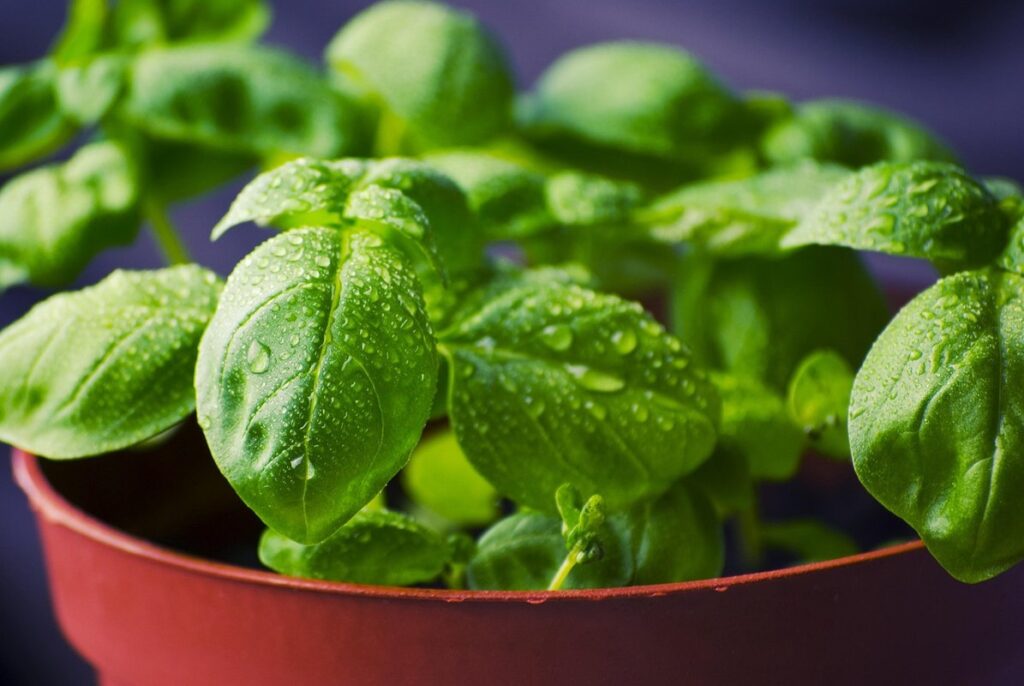
Understanding Basil’s Growth Habits
To get the most out of pinching basil for bushy growth, it’s essential to understand how your plants naturally grow and respond to pruning. Let’s dive into the basics of basil’s growth habits.
What is Pinching in Plant Care?
When it comes to pinching in plant care, it’s essentially a pruning technique that helps control and direct the plant’s growth. By selectively removing certain parts of the plant, you encourage it to focus its energy on producing more foliage and flowers rather than sprawling outwards.
The purpose of pinching is to manipulate the plant’s morphology and promote bushy growth. In basil’s case, this means cutting off the terminal bud (the topmost leaf) or a small section of stem to prevent the plant from flowering prematurely and encourage branching.
By doing so, you’ll create a more compact, balanced plant with a fuller appearance. This not only makes for a more visually appealing display but also increases yields in the long run. Pinching is especially beneficial when growing basil indoors or in areas with limited space, as it allows the plant to thrive without becoming leggy.
Think of pinching like giving your basil plant a haircut – you’re simply trimming away excess growth to promote healthy, uniform development. With regular pinching, you’ll be rewarded with a lush, bushy harvest that’s perfect for cooking up your favorite summer recipes.
The Science Behind Pinching and Its Benefits
When you pinch basil, you’re not just trimming off unwanted growth – you’re actually manipulating the plant’s natural development process. This is because pinching affects stem elongation, branching, and overall plant development.
Stem elongation, or the lengthening of stems, occurs as a result of cell division in the apical meristem, located at the tip of each stem. When you pinch off the top growth, you’re removing this rapidly dividing tissue, which slows down stem elongation. This allows more resources to be directed towards lateral branching, promoting a bushy shape.
By encouraging branching, pinching also promotes more even leaf distribution and increases air circulation within the plant. This, in turn, reduces disease susceptibility and enhances photosynthesis efficiency. The benefits of pinching for bushy growth are numerous – it leads to a fuller, more compact plant with better yields, making it an essential technique for any serious basil grower.
Preparing Your Basil Plant for Pinching
Before you start pinching your basil, make sure it’s ready by checking for mature growth and a sturdy stem that can support new branching. This is crucial for successful pinching.
Choosing the Right Time to Pinch
When it comes to pinching your basil plant, timing is everything. You’ll want to pinch at different stages of growth depending on whether you’re looking for a quick harvest or wanting to encourage bushy growth over the long term.
For a quick harvest, pinch your basil plant when it’s around 6-8 inches tall, just above a leaf node (where a leaf meets the stem). This will help direct the plant’s energy towards producing more leaves and flowers, rather than focusing on height. For a longer-term bushy growth, wait until your basil plant is at least 12 inches tall before pinching. This allows it to develop a stronger root system and more robust stems.
Keep in mind that you can pinch your basil plant multiple times throughout the growing season, but be careful not to over-pin, as this can cause stress to the plant. Typically, you’ll want to space out pinching sessions about 1-2 weeks apart to encourage continuous growth and bushy development.
Tools Needed for Pinching
To pinch basil effectively, you’ll need a few simple yet essential tools. Pruning shears are a must-have for pinching basil. These specialized scissors are designed specifically for cutting through thick plant stems and leaves without crushing them.
When selecting pruning shears for pinching basil, look for ones with sharp blades that can make clean cuts. Clean cuts promote healthy growth and prevent the spread of disease. Dull blades, on the other hand, can cause damage to the stem, leading to an uneven harvest.
Scissors are also a viable option for pinching basil. They’re particularly useful when working with smaller plants or when you need more precision. However, be sure to use sharp scissors to avoid crushing the stems. It’s also essential to sanitize your tools regularly to prevent the spread of disease and pests among your plants.
For more control and accuracy, consider using finger pruning shears. These unique pruners are designed for pinching and trimming small plant parts, making them perfect for delicate basil plants. With the right tools at hand, you’ll be well on your way to achieving bushy growth and a lush harvest.
The Pinching Technique: A Step-by-Step Guide
To get the most out of your basil plants, you’ll want to learn how to pinch them correctly – let’s break down the simple steps involved in this essential technique.
Removing Lower Leaves and Stems
When you’re pinching basil to promote bushy growth, it’s essential to remove lower leaves and stems that are no longer needed. This might seem counterintuitive, but trust us – it makes a huge difference in the long run.
As you inspect your basil plant, look for any leaves or stems that are discolored, wilted, or simply not contributing to the overall health of the plant. These will be the first to go. Gently pinch off these lower leaves with your fingers or a pair of scissors, making sure not to damage the remaining foliage.
Be ruthless – remove about one-third to one-half of the lowest leaves and stems to encourage new growth and prevent the plant from becoming leggy. This process is called “pinching back,” and it helps redirect the plant’s energy towards producing more robust, flavorful leaves. Think of it as a pruning technique that stimulates the plant’s natural growth patterns.
Identifying and Pinching Stem Tips
Identifying stem tips that need pinching is crucial to encourage bushy growth and prevent legginess in basil plants. To do this effectively, look for signs of maturity and readiness for harvesting. Pinch off the top set of leaves when they are about 1/3 to 1/2 the size of the leaves below them. This will help control the plant’s height and encourage branching.
Take a closer look at your basil stems – if you notice that the stem tips have started to droop or have developed a slightly woody texture, it’s time to pinch. Alternatively, check for nodes on the stem; these are the small raised areas where new growth emerges. If you see two sets of leaves with a node in between them, that’s a good indication that it’s time to pinch.
When pinching, make sure to remove only the top set of leaves, leaving about 1 inch (2.5 cm) of stem intact. This will help prevent shock to the plant and encourage new growth from the remaining nodes. Regularly pinching your basil plants will promote bushy growth, increase yields, and prevent flowering. By doing so, you’ll be well on your way to enjoying a lush harvest of fresh, fragrant basil leaves.
After Pinching: Care and Maintenance
Now that you’ve pinched your basil, it’s time to focus on its care and maintenance to ensure a lush harvest and healthy growth. Keep reading for essential tips!
Watering and Fertilization Post-Pinching
After pinching your basil plant to encourage bushy growth, it’s essential to provide optimal care to prevent shock and promote healthy development. Watering is a crucial aspect of post-pinch care, as the plant will require more moisture due to increased leaf production.
Water your basil plant thoroughly after pinching, making sure the soil is consistently moist but not waterlogged. Aim for about 1-2 inches of water per week, either through rainfall or irrigation. You can also check the soil’s moisture level by inserting your finger into the soil up to the first knuckle; if the soil feels dry, it’s time to water.
As for fertilization, a balanced fertilizer (10-10-10 N-P-K) is ideal during this stage. Feed your basil plant with a diluted solution of 1/4 teaspoon per gallon of water every 7-10 days. This will provide essential nutrients for the rapid growth and leaf production that occurs after pinching.
Monitor your plant’s response to fertilization, adjusting the frequency as needed based on its specific requirements. Over-fertilizing can lead to weak growth, so it’s crucial to strike a balance between providing necessary nutrients and avoiding excessive fertilizer application.
Pruning and Training for Optimal Growth
After pinching your basil plant to encourage bushy growth, it’s essential to continue pruning and training to maintain its shape and promote optimal production. Pruning helps control the plant’s height, encourages new growth, and prevents legginess.
To prune your basil plant, simply pinch off the top sets of leaves with your fingers or a pair of scissors. This will encourage the plant to focus its energy on producing more lateral shoots, resulting in a fuller, bushier appearance. You can also trim back any long stems to maintain a uniform shape and promote air circulation.
Training your basil plant involves providing it with support as it grows. You can use stakes or trellises to keep the plant upright and encourage vertical growth. This is particularly useful if you’re growing a compact or dwarf variety of basil, which may not have the same sprawling tendencies as other varieties. By training your plant in this way, you’ll be able to make the most of its space and promote healthy, dense growth.
As your basil plant continues to grow, be sure to inspect it regularly for any signs of stress or disease. Prune off any affected areas promptly to prevent the issue from spreading, and trim back the entire plant by about one-third if necessary. This will help stimulate new growth and keep your plant looking its best throughout the growing season.
Common Mistakes to Avoid When Pinching Basil
When pinching basil for bushy growth, it’s easy to make mistakes that can lead to weak and leggy plants. Let’s take a closer look at the common pitfalls to avoid.
Over-Pinching: A Potentially Damaging Habit
Over-pinch basil, and you risk damaging your plant’s growth potential. It may seem counterintuitive, but pinching too many times can lead to reduced yields and weakened stems. This is because basil needs a certain amount of foliage to produce new growth. When you over-pinch, you remove too much of the plant’s energy reserves, leaving it vulnerable to disease and pests.
To avoid this pitfall, start by gently removing only the top set of leaves from each stem. Allow some of the lower leaves to remain intact, as these will help the plant recover from pruning. Be mindful not to pinch more than once a week, as this can cause unnecessary stress on the plant. Instead, focus on encouraging bushy growth through regular pinching and pruning.
A good rule of thumb is to remove about one-third of the stem’s length when pinching. This will encourage branching and promote healthy growth. By being mindful of your pinching habits, you’ll be well on your way to achieving a lush harvest with your basil plant.
Under-Pinching: Missing the Opportunity for Bushy Growth
Pinching basil too infrequently can lead to under-pinching, which might seem counterintuitive. However, it’s a common mistake that prevents the plant from reaching its full potential for bushy growth. When you don’t pinch off the tips regularly, the basil plant will focus its energy on growing taller rather than producing new branches and leaves.
As a result, the plant may become leggy and produce fewer leaves overall. This not only affects the appearance of your basil but also reduces its yields. Imagine having to harvest significantly less basil from your garden than you would have if you had pinched it regularly. Not only will this save you time in the long run, but it will also give you a more consistent supply of fresh herbs.
To avoid under-pinching, make sure to pinch off the tips of your basil plant every 1-2 weeks. This encourages branching and prevents the plant from becoming too leggy.
Tips for Encouraging Continued Bushy Growth
To ensure your basil plants continue to thrive and produce a lush harvest, try these additional tips for promoting bushy growth. Regular pruning is key!
Monitoring and Adjusting Your Pinching Schedule
As you continue to pinch your basil plant, it’s essential to monitor its response and adjust your schedule as needed. Pinching can be a delicate art, and what works for one plant may not work for another. Observe your plant closely, taking note of how quickly new growth emerges after pinching.
If you find that new growth is slow or sparse, you may need to pinch less frequently or give your plant more time between pinches. On the other hand, if your plant is growing rapidly and becoming too leggy, you can increase the frequency of pinching. Pay attention to changes in leaf color, texture, and overall appearance – these can be indicators that your pinching schedule needs adjustment.
For example, if you’re pinching every 3-4 days and notice that new growth is starting to appear within a day or two, it may be time to slow down the frequency of pinches. Conversely, if your plant seems to be responding well to frequent pinching but still requires more support as it grows taller, it’s likely that you can continue with this schedule.
By monitoring and adjusting your pinching schedule accordingly, you’ll be able to strike a balance between encouraging bushy growth and preventing over-pruning. This will result in a lush, healthy harvest of fragrant basil leaves.
Companion Planting Strategies for Enhanced Basil Growth
Companion planting is a simple yet effective way to enhance basil growth and encourage bushy development. By strategically pairing basil with other plants that complement its growth habits, you can create a harmonious garden environment that promotes healthy growth and increased yields.
Some popular companion plants for basil include:
* Chives: These onions belong to the same plant family as basil and have natural antibacterial properties that prevent fungal diseases.
* Mint: While mint can be invasive, its strong scent repels pests that target basil, such as aphids and spider mites.
* Oregano: A member of the Lamiaceae family like basil, oregano has similar growth habits and can help to repel pests and improve soil health.
When combining these plants with your basil, be sure to maintain good air circulation and adequate spacing to prevent overcrowding. You can also experiment with other companion plants like lemongrass or garlic to find what works best for your specific garden conditions. By incorporating companion planting strategies into your basil cultivation routine, you’ll be well on your way to achieving a lush, bushy harvest.
Frequently Asked Questions
How soon can I expect to see results from pinching my basil plant?
You should start seeing the effects of pinching within a week or two after pruning. As the plant focuses its energy on producing new growth, you’ll notice an increase in leaf production and a more compact shape.
What if I accidentally remove too much of the stem when pinching? Will it still grow back?
No, removing too much of the stem can be detrimental to your basil plant’s health. When pinching, only remove the top set of leaves or small stem tips to encourage bushy growth without compromising the plant’s overall structure.
How do I know if my basil is getting enough light after pinching? Are there any signs I should look out for?
Signs of insufficient light after pinching include pale leaves and a lack of new growth. To ensure your basil gets sufficient light, provide it with at least 4-6 hours of direct sunlight or supplement with grow lights.
Can I pinch basil in the middle of the growing season, or is it better to do it when it’s younger?
You can pinch basil at any time during the growing season, but it’s more effective to do so when the plant is around 6-8 inches tall. Pinching encourages bushy growth and prevents the plant from flowering prematurely.
How often should I water my basil after pinching? Will it require less or more moisture?
Yes, your basil will require slightly more moisture after pinching due to increased growth and transpiration. Water your basil when the top 1-2 inches of soil feel dry to the touch, and ensure the pot has good drainage to prevent overwatering.