
As the seasons change, your beautiful rose bushes may be vulnerable to harsh winter conditions. Protecting them from frost and damage is crucial to ensure they thrive come springtime. With the right knowledge and techniques, you can overwinter your roses successfully. Choosing the right varieties of roses for your climate is essential, as some are more resilient than others in cold weather. In this comprehensive guide, we’ll walk you through the process of protecting your rose bushes from winter damage, including tips on how to prepare them for frost, prune correctly, and provide necessary care during the dormant season. By following our expert advice, you can give your roses the best chance at surviving the winter months and blooming vibrantly come spring.
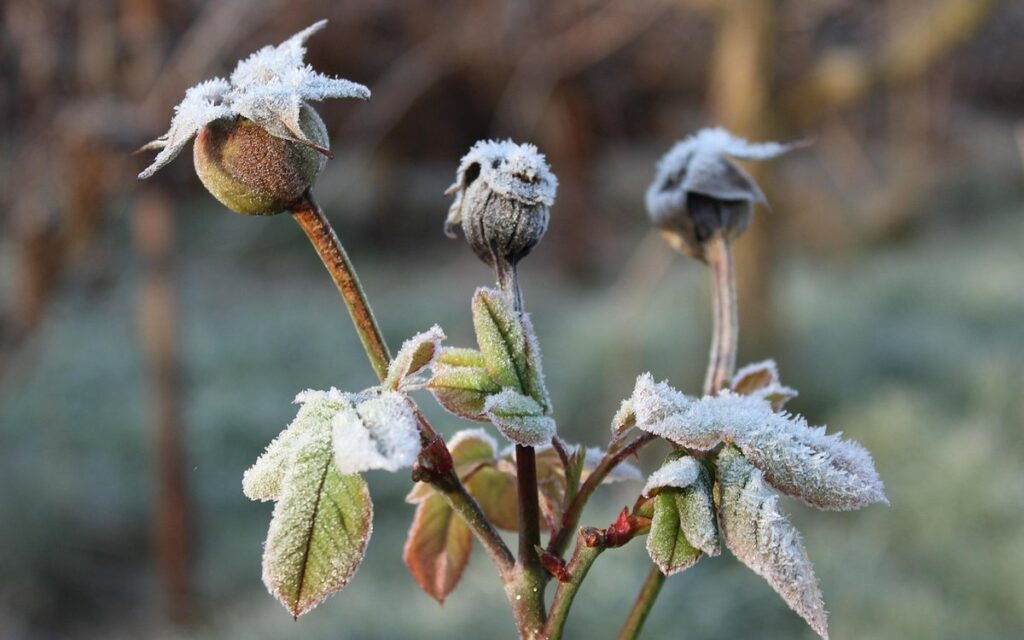
Choosing the Right Roses for Winter Hardiness
When selecting rose bushes, it’s essential to choose varieties that thrive in your region’s specific winter climate and temperature fluctuations. This will ensure a healthy bloom come springtime.
Selecting Hardy Rose Varieties
When selecting hardy rose varieties for your garden, it’s essential to consider the specific climate and soil conditions of your region. This will ensure that your roses are well-suited to withstand the winter months.
First, take into account the average temperature and frost pattern of your area. Some rose varieties can tolerate light frosts, while others require more protection from harsh cold snaps. Check the USDA Hardiness Zone Map to determine which zones you fall within, as this will give you an idea of what types of roses are most likely to thrive.
Next, consider the soil type and pH level in your garden. Different rose varieties have different soil preferences, so it’s crucial to choose ones that will do well in your specific conditions. For example, if you live in a region with alkaline soils, look for roses that are tolerant of high pH levels.
Some hardy rose varieties worth considering include ‘Iceberg’, ‘Snow Pavement’, and ‘Winter Sun’. These types of roses have demonstrated excellent winter hardiness and can thrive in areas with moderate frosts. Always check the specific growing conditions for each variety to ensure you’re choosing the best fit for your garden.
Understanding Plant Hardiness Zones
When selecting rose bushes for winter hardiness, it’s essential to consider the plant hardiness zone you live in. In simple terms, a plant hardiness zone is a geographical area where specific ranges of temperature and climate are typical.
In the United States, the USDA Plant Hardiness Zone Map divides the country into 11 distinct zones, each with its own unique set of temperature tolerances. For example, Zone 4 has an average annual extreme minimum temperature of -30 to -35°F (-34 to -37°C), while Zone 9a has a minimum of 20-25°F (-7 to -4°C).
Understanding your zone is crucial when choosing the right roses for winter hardiness. If you live in an area with harsh winters, you’ll want to select rose varieties that are bred specifically for cold climates. On the other hand, if you’re in a warmer zone, look for heat-tolerant and drought-resistant options. A good rule of thumb is to choose roses with high cold tolerance ratings (e.g., ‘Henry Hudson’ or ‘Prairie Joy’) for zones 4-6, and those with higher heat tolerances (e.g., ‘Lady Banksia’ or ‘Juliette Reinaud’) for zones 7-9.
Preparing Roses for Winter
Before we dive into the process of overwintering your rose bushes, let’s start by preparing them for the cold months ahead with a few simple steps.
Pruning and Shaping in Late Summer/Fall
As we enter late summer and early fall, it’s essential to prune and shape your rose bushes to prepare them for the harsh winter months ahead. This process may seem daunting, but with the right techniques, you’ll be giving your roses the best chance at survival.
Start by deadheading spent blooms to encourage new growth and prevent seed production. Remove any weak or diseased branches, cutting them back to a healthy stem just above an outward-facing bud eye. This will help direct energy towards the plant’s remaining canes. Next, cut back tall rose stems by one-third to one-half to reduce wind damage and promote air circulation.
Be sure to remove any branches that are rubbing against each other or growing inwards, as these can cause damage and create an environment conducive to disease. Inspect your plants carefully for signs of black spot, powdery mildew, or other fungal diseases, and dispose of any severely affected areas.
By following these simple steps, you’ll be giving your rose bushes the TLC they need to thrive come springtime. Remember to disinfect your pruning tools between cuts to prevent the spread of disease. With a little care and attention now, you can enjoy beautiful blooms in just a few months’ time.
Removing Dead and Diseased Wood
As you prepare your rose bushes for winter, it’s essential to remove any dead and diseased wood to prevent disease spread and promote healthy growth. To identify affected areas, inspect your roses carefully, looking for signs of damage such as blackened or brittle twigs, lesions, cankers, or powdery mildew.
Remove any infected branches by cutting them back to about 6-12 inches from the main stem using clean, sharp pruning tools. Make sure to disinfect your pruners between cuts to prevent the spread of disease. For more severe infections, consider removing the entire branch, as this will help prevent the disease from spreading to other areas of the plant.
Removing dead and diseased wood also allows for better air circulation around the remaining healthy growth, reducing the risk of disease development. It’s a crucial step in preparing your roses for winter, ensuring they go into dormancy healthy and strong, making them more resilient to winter conditions.
Protecting Roses from Frost and Extreme Weather
When winter weather sets in, protecting your rose bushes from frost and extreme conditions is crucial to their survival. In this next step, we’ll cover how to safeguard your roses from damage.
Applying Mulch or Other Protective Coverings
When it comes to protecting your rose bushes from frost and extreme weather, applying mulch or other protective coverings is an effective method. One of the most popular options is using organic mulches like wood chips, bark, or straw. These materials help retain moisture in the soil, suppress weeds, and regulate soil temperature.
To apply mulch effectively, spread a 2-3 inch layer around your rose bushes, keeping it a few inches away from the plant’s base. This will prevent rot and other problems associated with excessive moisture. You can also use straw or other materials to create a barrier between the plant and harsh weather conditions.
Some benefits of using mulch include improved soil health and reduced need for fertilizers. However, be aware that some types of mulch, like cedar, may contain oils that can harm your plants. Another option is using frost blankets or row covers, which provide a more intensive level of protection but are often more expensive and less aesthetically pleasing than natural materials.
When choosing a protective covering, consider factors such as durability, maintenance needs, and cost to ensure you find the best solution for your specific rose bushes and climate.
Bringing Potted Roses Indoors or into Greenhouses
If you’re unable to provide protection for your potted rose bushes outdoors, bringing them indoors or into a greenhouse is an excellent alternative. This method allows for more control over temperature, humidity, and light exposure, providing the roses with a safe haven from harsh weather conditions.
To bring a potted rose bush indoors, choose a location that offers bright, indirect light – ideally east- or west-facing windows are perfect. Keep the plant away from drafty areas and avoid placing it in direct sunlight, which can cause scorching of the leaves. Maintain a temperature range between 40°F (4°C) to 55°F (13°C), depending on the variety of rose bush.
If you prefer to use a greenhouse, ensure it’s well-insulated with ventilation systems that allow for air circulation and humidity control. Monitor the temperature closely, keeping it within a suitable range for your specific rose variety. Maintain high humidity levels by misting the plants regularly or using humidifiers nearby.
Winter Care for Established Rose Gardens
Now that you’ve learned how to prune and prepare your rose bushes, let’s dive into specific winter care techniques for established gardens. This includes mulching and protecting from frost damage.
Mulching and Watering During Dormancy
During dormancy, established rose gardens still require proper care to ensure their health and vitality when spring arrives. Mulching is a crucial step in maintaining soil temperature and retaining moisture. Apply a 2-3 inch layer of organic mulch like straw, bark chips, or leaves around the base of the plants, keeping it a few inches away from the stems. This will help regulate soil temperature and prevent weed growth.
Watering during dormancy is also essential to keep the roots hydrated. Check the soil moisture by inserting your finger into the soil up to 2-3 inches deep. If the soil feels dry, water the plants gently but thoroughly. Avoid overwatering, as this can lead to root rot and other problems. As a general rule of thumb, water every 4-6 weeks during winter, depending on weather conditions.
It’s also important to monitor your rose garden for signs of drought stress or overwatering, such as yellowing leaves or soft stems. Adjust your watering schedule accordingly to ensure the plants receive just the right amount of moisture during their dormant period. By providing the right balance of mulch and water, you’ll help your established rose garden thrive come springtime.
Inspecting and Pruning in Early Spring
As we’ve assessed winter damage to our rose bushes, it’s time to inspect and prune them in early spring. This process will help promote healthy growth and encourage blooming throughout the season. Begin by carefully evaluating each bush for signs of damage or disease. Look for dead wood, broken branches, or areas where winter wind or snow may have caused damage.
Remove any dead or diseased wood completely, as it can spread disease and weaken the plant. Use clean pruning tools to cut at a 45-degree angle just above a bud eye (the small swellings on stems from which new growth emerges). This will help direct new energy towards healthy areas of the bush.
Shaping the plant is also an essential part of spring maintenance. Remove any crossing branches that may be rubbing against each other, and thin out the center to allow air and light to reach inner stems. Prune back overgrown canes by about one-third to encourage a balanced, full shape.
Special Considerations for Specific Rose Types
When it comes to overwintering certain types of roses, some special considerations come into play. Different rose varieties have unique needs and challenges to overcome during winter dormancy.
Climbing Roses and Ramblers
When it comes to overwintering climbing roses and ramblers, their care requirements are slightly different from other rose types. These varieties are known for their vigorous growth habit and ability to thrive in challenging conditions. However, they do require extra attention during the winter months.
To begin with, training is crucial for these varieties. In the fall, trim back long canes by one-third to half to prevent damage from heavy snowfall. This will also encourage new growth in the spring. Prune any weak or damaged wood to promote healthy regrowth. For ramblers, it’s essential to remove any weak eyes (eyes are the points where shoots emerge from the stem) and direct the main canes upwards, using a stake if necessary.
Protect your climbing roses and ramblers from wind and frost by providing a layer of mulch or straw around the base of the plant. This will help retain moisture and regulate soil temperature. Consider applying a winterizing spray to protect against fungal diseases and pests. Make sure to water thoroughly before the ground freezes, as this will provide the roots with enough moisture to sustain them through the winter months.
Hybrid Tea and Floribunda Roses
Hybrid tea and floribunda roses are some of the most popular types of rose bushes, known for their large, showy blooms. However, they require a bit more TLC when it comes to overwintering compared to other types of roses.
When it comes to pruning these types of roses, make sure to cut back the canes to about 12-18 inches from the ground. This will help prevent damage to the roots and ensure that the bush regrows strong and healthy in the spring. It’s also essential to remove any dead or damaged branches to prevent disease and pests.
To protect your hybrid tea and floribunda roses from harsh winter weather, apply a thick layer of mulch around the base of the plant. You can use organic materials like straw, bark chips, or pine needles. This will help insulate the roots and keep them warm throughout the winter months. Additionally, consider covering the plant with a frost blanket or tarp to protect it from extreme cold snaps.
By following these special care requirements, you’ll be able to enjoy your hybrid tea and floribunda roses come springtime, bursting with new growth and vibrant blooms.
Common Winter Rose Care Mistakes to Avoid
To successfully overwinter your rose bushes, it’s essential to avoid common care mistakes that can damage or even kill your plants. Here are some pitfalls to steer clear of this winter season.
Inadequate Protection or Preparation
One of the most common mistakes rose gardeners make during winter is inadequate protection or preparation for their rose bushes. This can be due to a lack of understanding about what roses need to survive the cold temperatures, or simply not taking enough time to prepare them for the harsh winter conditions.
When it comes to protecting your rose bushes from extreme cold, one mistake many gardeners make is relying solely on mulch or straw to keep the roots warm. While these materials can provide some insulation, they often aren’t enough to protect against prolonged periods of frost or freezing temperatures. To avoid this, consider using a combination of mulch and burlap to insulate your rose bushes, or even using a tarp to cover them completely.
Another common mistake is not pruning back the canes of your rose bush before winter, which can leave it vulnerable to damage from wind and snow. Make sure to prune your rose bush in the fall, about 6-8 weeks before the first frost, to help reduce its height and protect it from potential damage.
Insufficient Maintenance After Winter
As winter slowly fades away, it’s easy to let rose bush care slide into autopilot. However, neglecting regular maintenance after winter can have long-term consequences for the health and productivity of your rose bushes.
Pruning is one critical aspect of post-winter care that should not be overlooked. Cut back dead or damaged stems, removing any weak growth that might be harboring pests or diseases. This also helps promote new growth and encourages a fuller, more vibrant plant come spring.
Fertilization is another crucial step in maintaining the nutritional balance your rose bushes need to thrive. As winter dormancy ends, apply a balanced fertilizer according to package instructions to stimulate root development and promote healthy foliage. Don’t forget to also monitor for signs of pests or diseases, such as aphids, black spot, or powdery mildew.
Regular inspections will help catch any potential issues before they escalate into more serious problems. Keep an eye out for changes in leaf color, texture, or growth patterns – these can be early warning signs of underlying issues that require prompt attention.
Conclusion: Overwintering Roses with Success
By following the steps outlined in this guide, you’ll be well on your way to successfully overwintering your rose bushes. Remember, consistency and patience are key when it comes to caring for your plants during the dormant season. Make sure to regularly inspect your roses for any signs of disease or pests, and take prompt action if necessary. Mulching around the base of the plant will help retain moisture and regulate soil temperature, creating a cozy environment for your rose bushes to thrive in.
As you prepare for another growing season, consider taking the time to prune and fertilize your overwintered roses. This will give them a strong start come springtime, ensuring they’ll continue to bloom beautifully throughout the year. With proper care and attention, your rose bushes will reward you with vibrant blooms and fragrant scents for years to come.
Frequently Asked Questions
What if I already have rose bushes that are not hardy to my region’s climate?
If you’ve already planted roses that aren’t suitable for your area, consider replacing them with varieties that are specifically bred for your region’s specific winter climate and temperature fluctuations. This will save time and effort in the long run.
Can I apply mulch or other protective coverings too early in the fall?
No, it’s essential to wait until after the first frost of the season before applying mulch or other protective coverings. Applying them too early can cause more harm than good by retaining moisture and creating an environment conducive to disease and pests.
How do I know if my rose bushes are getting enough water during dormancy?
Check the soil moisture by inserting a finger into the soil up to the knuckle. If the soil feels dry, it’s time for watering. Be cautious not to overwater, as this can cause root rot and other problems. Keep in mind that established rose gardens require less water than newly planted ones.
Can I bring potted roses indoors or into greenhouses if they’re exposed to extreme weather conditions?
Yes, if you have potted roses that are exposed to extreme weather conditions, consider bringing them indoors or into a greenhouse to protect them from harsh winds, frost, and other environmental stressors. This will ensure their survival during the winter months.
How often should I inspect my rose bushes for signs of disease or pests during the dormant season?
Inspect your rose bushes regularly, ideally every 2-3 weeks, during the dormant season. Look for signs of disease, such as black spot, powdery mildew, or rust, and remove any infected branches. Also, check for pests like spider mites, aphids, or scale insects.