
Manual pollination is often overlooked when growing onions, but it can significantly impact your harvest. If you’re struggling with low yields or inconsistent bulb formation, understanding how to manually pollinate onions might be just what you need. Onions are wind-pollinated plants, which means they rely on the breeze to facilitate cross-pollination between different varieties. However, relying solely on wind pollination can lead to reduced seed quality and decreased crop diversity. In this guide, we’ll walk you through the preparation and techniques required for manual pollination, including common issues to watch out for and troubleshooting tips. By manually pollinating your onions, you’ll be able to ensure a bountiful harvest, increase seed quality, and explore new varieties with confidence.
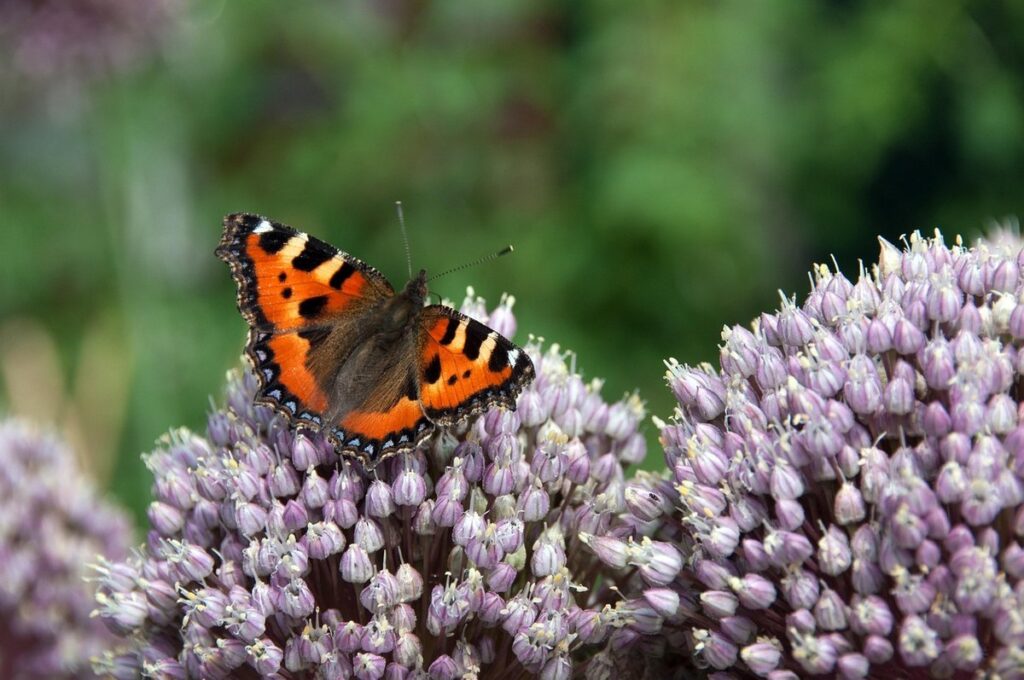
Understanding Onion Pollination and Its Importance
Understanding onion pollination is crucial for successful harvesting, so let’s dive into the specifics of how onions reproduce. This process involves a unique mechanism that requires some extra attention from home gardeners like you.
Why Pollination Matters for Onions
Pollination is the unsung hero of onion production. It’s the process that ensures your onions produce viable seeds, and without it, your harvest may suffer. When pollination occurs, the flower head (or umbel) of the onion plant develops into a compact cluster of small, yellow flowers. These tiny blooms contain the reproductive organs necessary for seed set.
The truth is, many commercial onion varieties are bred to be self-incompatible, meaning they require cross-pollination from another variety to produce viable seeds. This can make manual pollination essential, especially if you’re trying to save seeds for future crops. By manually pollinating your onions, you can increase the chances of successful seed set and encourage healthy fruit development.
To take advantage of this process, simply tap the flower heads together gently with a small brush or cotton swab when they’re in bloom. This will transfer pollen from one plant to another, allowing for cross-pollination to occur.
Common Challenges with Onion Pollination
Pollinating onions can be a challenging task, especially for inexperienced gardeners. One of the main issues is that onions have tiny flowers that are easily overlooked, making it difficult to determine when they need pollination. Additionally, their small size makes it hard to reach and manipulate the reproductive organs without causing damage.
To make matters worse, onion plants tend to grow in clusters, which can lead to overcrowding and reduced air circulation. This can result in increased moisture levels, creating an ideal environment for fungal diseases that target pollinated flowers. Furthermore, onions are often grown from sets or seeds that have been bred for specific traits, such as bulb shape or size, but may not be suitable for manual pollination.
If you’re having trouble identifying when your onion flowers need pollination, look for signs of natural pollen transfer, like the presence of bees or other insects visiting the blooms. You can also gently inspect the flowers using a magnifying glass to check for any visible pollen or damage. By being aware of these common challenges and taking steps to address them, you’ll be better equipped to manually pollinate your onions successfully.
Preparing the Onion Plants for Hand Pollination
Before we start pollinating, it’s essential to prepare your onion plants by gently removing the lower leaves and any damaged areas to expose the reproductive parts. This will make the process much easier and more effective.
Choosing the Right Variety for Manual Pollination
When selecting onion varieties for manual pollination, it’s essential to choose types that are conducive to this process. Not all onions are suitable, as some have characteristics that hinder successful hand-pollination.
For example, hybrid onions often exhibit sterility, making them less likely to produce viable seeds when manually pollinated. On the other hand, heirloom and open-pollinated varieties tend to perform better in manual pollination due to their genetic diversity and natural ability to cross-pollinate with other onions nearby.
Some popular onion varieties that work well for manual pollination include ‘Yellow Globe’, ‘Redwing’, and ‘Vidalia’. These types are known for their high seed set and ability to produce offspring with desirable traits when manually pollinated. When selecting a variety, consider its growth habits, bulb size, and maturity date to ensure it meets your specific needs.
When in doubt, consult the seed packet or check with local growers to determine which varieties have been successfully hand-pollinated in your area. This will help you choose the best onions for your manual pollination efforts.
Creating an Optimal Environment for Pollination
When it comes to manually pollinating onions, creating an optimal environment is crucial for successful hand pollination. A well-ventilated area with warm temperatures and minimal humidity will make the process much easier.
To achieve this, choose a location that allows air to circulate freely around the plants. Avoid areas prone to drafts or extreme temperature fluctuations, as these can be detrimental to the delicate onion flowers. Ensure the room is not too hot or cold; a consistent temperature between 65°F and 75°F (18°C and 24°C) will help maintain optimal pollination conditions.
Maintaining low humidity is also essential. High humidity can lead to fungal growths, which may damage the flowers and make hand pollination more challenging. To minimize humidity, keep the area well-ventilated or use a dehumidifier if necessary.
By providing your onion plants with an ideal environment, you’ll create conditions that foster successful hand pollination. This will increase the chances of achieving high-quality onions with better flavor and texture.
The Process of Hand Pollinating Onions
Now that you’ve learned the basics of onion pollination, it’s time to dive into the process itself: carefully transferring pollen from one onion flower to another. We’ll guide you through each step.
Tools and Equipment Needed for Manual Pollination
To effectively transfer pollen between flowers and facilitate manual pollination of onions, you’ll need some specialized tools. A small, soft-bristled brush is an excellent choice for this task. You can also use a cotton swab or a small makeup brush as alternatives. These tools allow you to gently collect and deposit pollen without causing damage to the delicate onion flowers.
When selecting a brush or swab, ensure it’s clean and free of any debris that might contaminate your onions. It’s also essential to handle these tools with care to avoid cross-pollination between different types of onions. This is particularly crucial if you’re growing multiple varieties in close proximity. To prevent contamination, consider dedicating separate brushes or swabs for each type of onion you’re pollinating.
Remember to use a light touch when handling the flowers and transferring pollen. Excessive pressure can damage the delicate tissues and impede the pollination process. With a little practice, you’ll become proficient in using these tools to manually pollinate your onions, ensuring a healthy harvest with robust flavor and texture.
Techniques for Effective Pollen Transfer
When transferring pollen between onion flowers, it’s essential to use techniques that ensure effective pollination. One of the most common methods is dry pollen transfer, where you collect pollen from one flower and apply it to the stigma of another. To do this, gently touch the anthers (the pollen-producing parts) of the donor plant to the stigma of the recipient plant. Make sure to handle the flowers carefully to avoid damaging them.
Another method is wet pollen transfer, which involves using a small brush or cotton swab to pick up pollen from the anther and apply it directly to the stigma. This technique can be more effective, especially in cases where the pollen is scarce. To use this method, dip your brush or swab into water and then gently sweep it across the anther of the donor plant. Next, touch the moistened brush to the stigma of the recipient plant.
It’s also crucial to handle multiple plants at once to increase pollination success.
Common Mistakes to Avoid When Hand Pollinating Onions
When hand pollinating onions, it’s easy to get carried away and make mistakes that can harm your plants. Be sure to steer clear of these common errors.
Misunderstanding Onion Flower Structure
When manually pollinating onions, it’s easy to get caught up in the intricacies of their unique flower structure. However, understanding this anatomy is crucial for successful pollination. The onion flower consists of two types of flowers: the tiny, bell-shaped female flowers and the larger, star-like male flowers.
Notice that the female flowers are clustered together at the base of the stem, while the male flowers are solitary or in smaller groups further up on the stem. When examining the flowers, take note of this distinct arrangement, as it will affect how you approach pollination. To make things more confusing, some onion varieties produce only one type of flower or may have both types but not in their typical configuration.
When working with these flowers, remember that the male flowers are responsible for producing pollen, which must be transferred to the female flowers for successful pollination. Avoid mistakenly removing the male flowers or not transferring enough pollen from them, as this can severely impact your chances of a healthy onion set.
Not Monitoring Progress Regularly Enough
Regular checks are crucial to determine when hand pollination is necessary. It’s not enough to simply set up a pollination station and expect everything to go smoothly. You need to regularly inspect the plants to identify potential issues before they affect pollination.
Check the flowers at least once every 3-4 days during peak pollination season. Look for signs of wilting, discoloration, or damage that could impact pollen production. Make sure the stigmas are visible and receptive to pollen. If you notice any issues, take prompt action to address them before they spread.
Also, keep an eye on temperature fluctuations, which can significantly impact pollination. Extreme temperatures can slow down or stop pollen production altogether. Monitor your weather forecast and adjust your hand pollination schedule accordingly. By regularly checking your plants and being proactive about addressing potential issues, you’ll be better equipped to ensure successful pollination and a healthy crop of onions.
Tips for Scaling Up Hand Pollination Techniques
As you successfully pollinate your first onions, it’s time to think bigger: how can you apply these techniques on a larger scale without sacrificing quality? In this section, we’ll share expert tips for scaling up hand pollination.
Increasing Efficiency Through Practice
As you gain experience with hand pollinating onions, you’ll notice that your technique improves significantly. With time and practice, you’ll develop a rhythm and find ways to optimize the process. To increase efficiency, focus on the following key areas: tool preparation, onion selection, and pollination strategy.
When preparing for large-scale pollination, make sure to have all necessary tools within reach. This includes a small brush or cotton swab, a magnifying glass or lamp, and a marker to label the pollinated onions. Develop a system for organizing your tools to prevent waste of time searching for them mid-process.
Selecting the right onions is also crucial. Choose varieties that are more prone to successful hand pollination, such as ‘Vidalia’ or ‘Texas Grano’. These varieties tend to have larger flowers and higher germination rates, making it easier to achieve successful pollination.
In terms of pollination strategy, focus on targeting multiple anthers at once with each brush stroke. This will increase the chances of successful fertilization and save time in the long run. Practice makes perfect, so don’t be discouraged if your initial attempts result in fewer successful pollinations.
Maintaining Record-Keeping to Track Progress
As you continue to scale up your hand pollination techniques for onions, it’s crucial to maintain accurate records of your progress. This not only helps you identify areas for improvement but also enables you to refine your methods over time. Start by creating a logbook or spreadsheet where you record details such as the date, weather conditions, pollination technique used, and any observations about the plants’ response.
When tracking progress, focus on key metrics like fruit set rate, seedling emergence, and overall plant health. For example, if you notice that your fruit set rate increases by 20% after implementing a new pollination strategy, it’s essential to note this in your records so you can replicate the success in future seasons.
By regularly reviewing your data and making adjustments as needed, you’ll be able to refine your techniques and achieve more efficient hand pollination.
Troubleshooting Common Issues with Hand Pollinated Onions
If you’re experiencing problems with your hand-pollinated onions, don’t worry – we’ve got you covered! This section addresses common issues and provides solutions to get your onion crop back on track.
Dealing with Low Seed Set or Fruiting Success Rates
One of the most frustrating outcomes when hand pollinating onions is low seed set or fruiting success rates. This can be due to various factors such as inadequate pollination techniques, poor environmental conditions, or issues with the onion variety itself.
If you’re experiencing difficulties getting consistent results, it’s essential to identify the root cause. Start by checking your pollination method – are you using the correct timing and technique? Are you transferring enough pollen between flowers? Consider experimenting with different methods, such as gently brushing the anthers against the stigma or using a small brush to apply pollen.
Environmental conditions also play a significant role in successful seed set. Onions require a specific temperature range for proper pollination – usually between 18-22°C (64-72°F). If your greenhouse or growing area is consistently cooler or warmer than this, it may impact the success rate. Ensure good air circulation and adequate moisture levels to prevent fungal diseases that can further reduce seed set.
Another factor to consider is the onion variety itself. Some varieties are bred specifically for seed production, while others may not be as suitable for manual pollination. If you’re consistently struggling with low seed set, try switching to a variety known for its ease of pollination or seed production.
To troubleshoot further, monitor your onion plants closely and note any trends in your results. Keep track of factors such as temperature, humidity, light exposure, and the timing of your pollinations. By identifying and adjusting these variables, you should see improvements in seed set rates over time.
Conclusion: Maximizing Your Onion Harvest Through Manual Pollination
Now that you’ve learned how to manually pollinate your onions, let’s discuss how to maximize their yield and ensure a bountiful harvest this season.
Recap of Key Takeaways from the Guide
To successfully hand pollinate onions, it’s crucial to remember several key steps and considerations. First, choose the right onion variety for manual pollination, as some are more receptive to this method than others. Next, ensure optimal growing conditions with plenty of sunlight, well-drained soil, and adequate water.
When it comes to actual pollination, the guide emphasizes the importance of timing, typically done in late morning or early afternoon when flowers are fully open. Gently brush the anthers of one plant against the stigma of another, repeating this process multiple times for maximum efficiency. Be mindful of the delicate nature of onion flowers and handle them with care to avoid damage.
Additionally, maintaining a healthy and diverse population is essential for effective pollination. Consider introducing beneficial insects like bees or butterflies to your garden to supplement manual efforts. Regularly inspect plants for signs of stress or disease, addressing these issues promptly to prevent reduced yields.
By following the techniques outlined in this comprehensive guide, you can enjoy a more successful onion harvest through manual pollination.
Final Tips for Long-Term Success
As you’ve made it through the process of manual pollination, remember that consistency and patience are key to achieving long-term success. Regularly inspect your onion plants for signs of bolting, and remove any affected flowers to direct energy back into bulb growth.
To maintain healthy soil conditions, ensure adequate moisture levels and balanced nutrient intake. You can achieve this by incorporating compost or well-rotted manure into the soil. This will not only support plant health but also promote beneficial microbial activity.
Monitor your onion varieties’ specific requirements for optimal pollination. Some may need multiple pollinations throughout their growth cycle. Keep a close eye on temperature fluctuations, as these can impact flower formation and overall yield.
By following these final tips, you’ll be well-equipped to maximize your onion harvest through manual pollination. With consistent attention to detail and a gentle hand, you can coax even the most reluctant onions into producing a bountiful crop.
Frequently Asked Questions
Can I manually pollinate onions if they’re already producing flowers?
You can still attempt manual pollination, but be aware that the process may be more challenging if you’re starting late in the growth cycle. Ensure the flower heads are not yet fully formed or shedding pollen to increase your chances of success.
How often should I perform hand pollination for optimal results?
Pollinate the onions once or twice a day during peak flowering periods, usually between 6-8 weeks after transplanting. Monitor the plants closely and adjust the frequency based on weather conditions and plant response.
What if I don’t have a bee-friendly environment around my garden? Can manual pollination still be effective?
Manual pollination can be just as effective without bees or other natural pollinators. The key is to transfer pollen between different varieties, ensuring cross-pollination occurs. Use a small, clean brush to collect and apply the pollen.
How do I ensure I’m choosing the right onion variety for manual pollination?
Select varieties that are specifically bred for seed production, such as ‘Stuttgarter’ or ‘Ebenezer’. These have been developed with characteristics like high seed set, good vigor, and a compact growth habit. Avoid hybrids unless you’re familiar with their specific needs.
Can I use a small paintbrush to transfer pollen between onion varieties?
Yes, a soft-bristled paintbrush can be an effective tool for transferring pollen from one plant to another. Just make sure it’s clean and free of any debris that might contaminate the plants.