
Are you tired of looking at your Kalanchoe plant with its beautiful leaves but no blooms? With a little care and attention, you can encourage your Kalanchoe to produce vibrant flowers that add color and vibrancy to any room. Providing optimal light is crucial for blooming, but it’s not the only factor. Pruning and fertilizing also play a significant role in promoting maximum blooming potential.
In this comprehensive guide, we’ll walk you through the steps to make your Kalanchoe plant bloom beautifully. We’ll cover how to choose the right location with sufficient light, prune your Kalanchoe correctly to stimulate new growth, and fertilize it with the right nutrients at the right time. By following these tips, you can enjoy a stunning display of flowers from your beloved Kalanchoe plant.
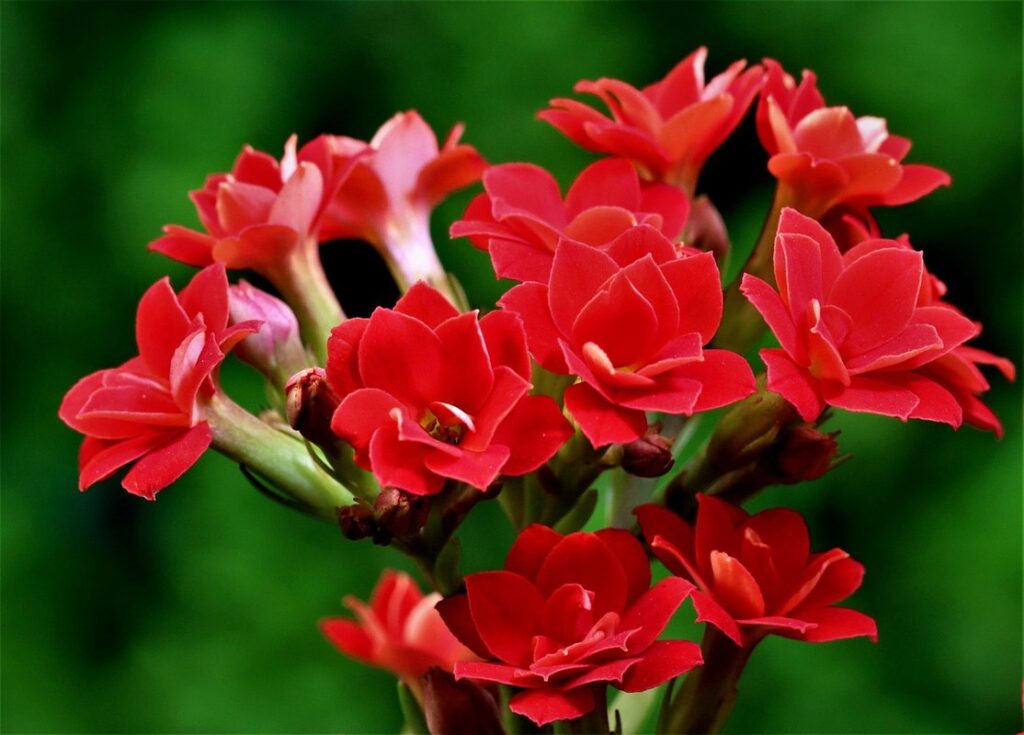
Understanding Kalanchoe’s Blooming Cycle
Understanding kalanchoe’s blooming cycle is key to making these beautiful plants thrive, and it’s easier than you think once you grasp their natural rhythms. Let’s dive into how to encourage your kalanchoe to bloom consistently.
The Importance of Light and Temperature
Light plays a crucial role in triggering kalanchoe’s blooming cycle. Exposure to indirect sunlight with a duration of 4-6 hours is essential for flowering. Direct sunlight can lead to burnt leaves and poor growth, making it detrimental to the plant’s overall health.
Temperature also significantly impacts kalanchoe’s blooming process. Most kalanchoe species thrive in temperatures between 65°F (18°C) and 75°F (24°C). Avoid placing your plant near drafty windows or air conditioning vents, as sudden temperature fluctuations can shock the roots and prevent flowering.
To create an optimal environment for kalanchoe to bloom, ensure that it receives bright indirect light and maintain a consistent temperature. You can also supplement natural light with grow lights if necessary. Some growers even report successful blooming in temperatures between 55°F (13°C) and 65°F (18°C), but this may require additional care.
Keep in mind that kalanchoe is a tropical plant, and it will naturally drop its buds if exposed to temperatures below 45°F (7°C). Protect your plant from extreme temperature fluctuations by placing it away from heating or cooling vents.
Choosing a Healthy Plant
When it comes to making Kalanchoe bloom, one of the most crucial steps is selecting a healthy plant with good growing conditions. This might seem obvious, but many people overlook this step and end up with disappointed results.
A healthy Kalanchoe will have vibrant green leaves that are free from yellowing or browning spots. The leaves should be firm to the touch, and the stems should be sturdy without any signs of sagging. Avoid plants with wilted or droopy leaves, as this can indicate root problems or inadequate watering.
To ensure your Kalanchoe thrives, choose a plant that has received adequate light and water. Check the soil moisture by sticking your finger into the soil up to the first knuckle; if it feels dry, it’s time for watering. Make sure the pot has good drainage holes to prevent root rot.
By selecting a healthy plant with optimal growing conditions, you’ll be well on your way to encouraging your Kalanchoe to bloom. Remember, a happy and healthy plant is more likely to produce vibrant flowers than one that’s struggling to survive.
Pre-Blooming Care: Soil and Fertilization
To encourage your Kalanchoe to bloom, you’ll want to focus on providing it with the right soil mix and fertilization schedule, which we’ll dive into below. A well-prepared environment will set your plant up for success.
The Role of Good Potting Mix
When it comes to making kalanchoe bloom, using the right potting mix is often overlooked but plays a crucial role in its overall health and flowering performance. A well-draining potting mix is essential for kalanchhoe as it helps prevent waterlogged soil, which can lead to root rot and other issues that stifle blooming.
When selecting a potting mix for your kalanchoe, consider the following factors: pH level, water-holding capacity, and nutrient content. Kalanchoe prefers slightly acidic to neutral soil with a pH between 6.0-7.0. Look for a potting mix specifically designed for cacti and succulents, as these mixes tend to have better drainage properties.
Some good options include Miracle-Gro Cactus Potting Mix or Pro-Mix Cactus & Succulent Mix. These mixes usually contain perlite or vermiculite that help in water retention and aeration, which is beneficial for kalanchhoe’s roots. Avoid regular potting mixes as they can retain too much water, causing root rot and reducing the chances of your kalanchoe blooming.
In addition to choosing the right potting mix, ensure good drainage by not overwatering your plant. Check the soil moisture by sticking your finger into the soil up to the first knuckle, and only water when it feels dry.
Fertilizing for Optimal Growth
When it comes to fertilizing your kalanchoe for optimal growth and blooming potential, choosing the right fertilizer is crucial. Kalanchoes are low-maintenance plants that thrive on well-draining soil with a slightly acidic pH.
There are two main types of fertilizers suitable for kalanchoes: balanced and bloom-boosting. Balanced fertilizers provide essential nutrients like nitrogen (N), phosphorus (P), and potassium (K) in equal proportions, promoting overall growth and health. Bloom-boosting fertilizers, on the other hand, contain higher amounts of phosphorus, which encourages flowering.
To apply fertilizers effectively, follow these tips:
* Feed your kalanchoe with a balanced fertilizer during the growing season (spring-fall).
* Dilute bloom-boosting fertilizers to half the recommended strength to avoid burning the roots.
* Apply fertilizers once a month, or as directed by the product label.
* Water thoroughly after fertilizing to prevent root burn.
Remember that over-fertilization can lead to weak and spindly growth. Monitor your plant’s response to fertilizers and adjust your application schedule accordingly.
Pruning and Training Techniques
To encourage Kalanchoe blooms, it’s essential to master pruning and training techniques that promote healthy growth and stimulate flowering. We’ll cover some of the key methods in this section.
Pruning for Shape and Size
When it comes to pruning kalanchoes for shape and size, it’s essential to strike a balance between controlling their growth and promoting healthy blooms. To achieve this delicate balance, start by removing any leggy stems that are beyond the plant’s desired height. This will help maintain a bushy appearance and encourage new growth from the base of the plant.
As you prune, focus on cutting back about one-third to one-half of the plant’s foliage at a 45-degree angle just above a leaf node. Make clean cuts using sharp, sterile pruning tools to prevent any damage or infection. Leave about two inches of stem intact for each cut made, allowing the plant to continue producing new growth.
By regularly pruning your kalanchoe in this manner, you’ll maintain its desired shape and size while promoting healthy, vigorous growth that will ultimately lead to an explosion of colorful blooms. Regular pruning also helps control the plant’s natural tendency to become leggy over time. This technique is especially effective for indoor containers where space may be limited.
Supporting Tall Varieties
If you’re growing tall varieties of kalanchoe, providing support is crucial to keep them upright and encourage blooming. Kalanchoes can grow quite tall – up to 3 feet (90 cm) or more – and their stems can become leggy if not supported.
To address this, you can use stakes or planters with built-in supports. For example, you can place a stake next to the stem and gently tie it using twine or wire. This will keep the stem upright and prevent it from toppling over in the wind. Alternatively, you can use a trellis or a obelisk placed behind the plant for support.
Another creative way to provide support is by using bamboo sticks or skewers to create a makeshift cage around the stem. Simply drive the sticks into the soil on either side of the stem and tie them together with twine to form a cage-like structure. This will not only keep the stem upright but also add a decorative touch to your plant.
Remember, providing support is essential for promoting healthy growth and encouraging blooms in tall kalanchoe varieties. By doing so, you’ll be able to enjoy an abundance of colorful flowers on your plant.
Tips for Encouraging Blooms
To ensure your Kalanchoe plants produce vibrant blooms, follow these simple tips that will coax them into flower production and keep them blooming all year round.
The Role of Watering in Bloom Production
When it comes to making kalanchoe bloom, proper watering practices play a crucial role. Kalanchoes are sensitive plants that require careful attention to moisture levels to produce vibrant flowers. Over-watering can be just as detrimental as under-watering, so it’s essential to monitor your plant’s signs of stress.
Signs of over-watering include yellowing leaves, droopy stems, and a soft, mushy texture. If you notice any of these symptoms, reduce the frequency of watering immediately. On the other hand, signs of under-watering are characterized by dry, crispy leaves, and a weak, brittle stem. In this case, increase the frequency of watering.
To strike the right balance, water your kalanchoe when the top 1-2 inches of soil feels dry to the touch. Allow excess water to drain from the pot to prevent root rot. Check the plant daily, especially during hot or dry spells, and adjust your watering schedule accordingly. By paying attention to these subtle signs and adjusting your watering habits, you’ll be well on your way to encouraging healthy blooms in your kalanchoe.
Avoiding Common Pitfalls
One of the most frustrating experiences for kalanchoe enthusiasts is watching their plants fail to bloom despite their best efforts. To avoid this disappointment, it’s essential to be aware of common mistakes that can prevent kalanchoe from blooming.
Excessive fertilization is a significant pitfall many plant owners fall into. While kalanchoe does benefit from regular feeding, overfertilizing can stress the plant and reduce its ability to produce blooms. This is often accompanied by an overabundance of green growth at the expense of flowers. To avoid this, it’s crucial to use fertilizers with balanced N-P-K ratios (nitrogen-phosphorus-potassium) specifically formulated for flowering plants.
Poor light conditions are another common mistake that can prevent kalanchoe from blooming. Kalanchoe requires bright, indirect light to produce an abundance of flowers. Placing the plant in a spot with direct sunlight or insufficient lighting will not only fail to promote blooms but may also lead to scorched leaves and weakened stems.
It’s equally important to avoid underwatering, as this can cause the plant to become stressed and reduce its ability to bloom.
Overcoming Challenges: Pests, Diseases, and Climate
One of the biggest hurdles when growing kalanchoe is dealing with pests, diseases, and extreme climate conditions that can stunt its blooming cycle. We’ll cover how to overcome these obstacles for optimal results.
Managing Pests and Diseases
When it comes to coaxing kalanchoe into bloom, there’s another crucial aspect to consider: managing pests and diseases. These unwanted visitors can not only hinder blooming potential but also compromise the overall health of your plant. To tackle this challenge head-on, keep a keen eye out for telltale signs of infestation or infection.
Some common pests that might target kalanchoe include mealybugs, spider mites, and scale insects. These tiny critters can be recognized by their sticky residue, fine webbing, or armored shells. To get rid of them, dip your kalanchoe in a mild soap solution (1 tablespoon of dish soap per gallon of water) for 10-15 minutes, followed by a gentle rinse with clean water. For more severe infestations, consider using neem oil or insecticidal soap.
Diseases like root rot, leaf spot, and powdery mildew can also wreak havoc on your kalanchoe. Watch out for yellowing leaves, black spots, or white powder coating the leaves and stems. To prevent these issues, maintain good air circulation around your plant, avoid overwatering, and treat fungal infections with a fungicide specifically designed for indoor plants.
Keep in mind that prevention is key: use clean pots, repotting materials, and watering tools to minimize the risk of transferring pests or diseases from one plant to another.
Adapting to Unfavorable Climates
If you’re growing kalanchoe in an area with extreme temperatures, you’ll need to adapt its care routine accordingly. In regions with very hot summers, it’s essential to provide protection from scorching sun and heatwaves. This can be achieved by placing the plant in a shaded area or using a sheer curtain to filter the intense sunlight.
In contrast, areas with extremely cold winters may require more insulation and protection for the kalanchoe. Bring potted plants indoors during winter months or relocate them to a frost-free area like a greenhouse. You can also mulch around the base of outdoor plants to retain moisture and regulate soil temperature.
Another consideration is humidity levels. Kalanchoe prefers dry air, but areas with low humidity can cause its leaves to drop. To combat this, you can group plants together or use a humidifier nearby. In areas with high humidity, ensure good air circulation around the plant to prevent root rot and other issues.
Keep in mind that some kalanchoe varieties are more tolerant of challenging climates than others. Research specific varieties suited for your region and grow them accordingly.
Encouraging Year-Round Blooms
To keep Kalanchoe blooming all year round, you’ll want to focus on providing optimal growing conditions and making a few simple adjustments to their care routine. This includes regular pruning and fertilization.
How to Induce Re-Blooming
Encouraging kalanchoes to re-bloom can be achieved through various techniques that promote prolonged flowering periods. One crucial factor is providing optimal growing conditions, such as placing the plant in a location with bright, indirect light. This ensures the plant receives the necessary photosynthetic energy to produce new flowers.
Another important consideration is watering habits. Over-watering can lead to root rot and reduce blooming frequency, while under-watering may cause stress that can also impact flowering. Aim for consistent moisture levels by allowing the soil to dry slightly between waterings.
Fertilizing regularly with a balanced, water-soluble fertilizer can also contribute to re-blooming. Feed your kalanchoe every 2-4 weeks during the active growing season (spring and summer). Additionally, pruning spent flowers promptly will encourage the plant to direct energy towards producing new blooms. This process is essential for maintaining a continuous display of vibrant flowers throughout the year.
Maintaining a Healthy Plant for Long-Term Success
To enjoy sustained blooming potential from your kalanchoe plant, it’s essential to maintain its overall health. This means providing optimal growing conditions and regular care. Start by watering your kalanchhoe properly – overwatering can lead to root rot, while underwatering causes leaves to become brittle.
Fertilize sparingly using a balanced fertilizer during the growing season, from spring to fall. Dilute the fertilizer to half the recommended strength to avoid burning the roots. Also, prune spent blooms and foliage promptly to encourage new growth and prevent seed production.
Keep your kalanchoe in an area with bright, indirect light but not direct sunlight, which can cause leaves to become scorched. Maintain temperatures between 65°F to 75°F (18°C to 24°C) for optimal blooming. Repot every two years or when the plant becomes pot-bound to provide fresh nutrients and prevent nutrient deficiencies.
By following these simple care tips, you’ll be able to enjoy a thriving kalanchoe that blooms consistently throughout the year. Remember, prevention is key in maintaining healthy plants.
Frequently Asked Questions
What if my Kalanchoe plant is not responding to the optimal light conditions I’ve provided?
If your kalanchoe still isn’t producing flowers despite being placed in a spot with sufficient indirect sunlight, check for any potential root issues or pests that could be affecting its growth. Also, ensure you’re fertilizing it regularly and at the right time, as this can make a significant difference.
Can I use any type of fertilizer for my Kalanchoe, or are there specific requirements?
Yes, not all fertilizers are suitable for kalanchoes. For optimal blooming potential, look for balanced fertilizers with an N-P-K ratio of 20-20-20. You can also use organic fertilizers like compost tea to provide essential nutrients without burning your plant’s roots.
How often should I prune my Kalanchoe after it starts blooming?
Pruning is crucial for maintaining your kalanchoe’s shape and encouraging new blooms. After the initial flowering period, you can trim off spent flowers to promote more growth. This can be done every 4-6 weeks, or whenever you notice a decline in blooms.
Can I propagate my Kalanchoe by leaf cuttings, or is seed propagation only possible?
Both methods are viable for propagating kalanchoes! You can take leaf cuttings from mature plants and root them in well-draining soil. Seed propagation, on the other hand, allows you to create genetically identical plants with characteristics you’ve selectively bred.
How do I care for my Kalanchoe during its dormant period?
During the winter months or when kalanchoes are naturally dormant, reduce watering to once every 4-6 weeks. Make sure your plant is in a bright, dry location and avoid fertilizing until new growth starts. This will help conserve energy and promote healthy growth when it resumes active growth.