
Are you tired of throwing away kitchen scraps and yard waste, only to end up in a landfill? Did you know that with just 30 minutes of your time, you can turn those unwanted materials into nutrient-rich compost for your garden? Making instant compost is not only an eco-friendly solution but also a game-changer for gardening and landscaping enthusiasts. By learning how to make instant compost, you’ll be able to reduce waste, create a sustainable practice, and enjoy the benefits of homegrown fruits and veggies. In this article, we’ll show you exactly how to do it using readily available materials, breaking down the process into simple steps that anyone can follow. Get ready to transform your kitchen scraps and yard waste into valuable compost in no time!
Understanding Instant Compost
Now that you know why instant compost is a game-changer, let’s dive into what it actually is and how it differs from regular compost.
What is Instant Compost?
Instant compost is a game-changer for gardeners and homeowners looking to reduce their waste and create nutrient-rich soil quickly. This type of compost can be made in as little as 30 minutes using readily available materials, making it an ideal solution for those with limited time or space.
One of the primary benefits of instant compost is its speed. Unlike traditional composting methods that take weeks or even months to produce results, instant compost can be ready to use in a fraction of the time. This makes it perfect for emergency situations where you need to enrich your soil quickly. For example, if you’ve just planted new seedlings and want to provide them with a nutrient-rich environment from day one, instant compost is an excellent choice.
Instant compost can also be used as a soil amendment, adding beneficial microbes and nutrients to existing soil. This can improve soil structure, increase fertility, and even help reduce pests and diseases. With its versatility and speed, it’s no wonder why instant compost has become increasingly popular among gardeners and eco-conscious individuals.
Why Choose Instant Compost?
Choosing instant compost over traditional composting methods offers numerous advantages that make it an attractive option for gardeners and environmental enthusiasts alike. One of the primary benefits is its speed – instant compost can be made in a matter of minutes, whereas traditional composting methods often take weeks or even months to produce usable compost.
In contrast to slow-composting methods, instant composting is incredibly efficient. This is because it utilizes microorganisms that break down organic materials rapidly, producing a nutrient-rich soil amendment quickly. For instance, you can turn kitchen scraps and yard waste into instant compost in just 30 minutes to an hour.
Instant compost also has several environmental benefits. By breaking down organic matter rapidly, it reduces the amount of space required for traditional compost piles. Additionally, instant compost produces less greenhouse gas emissions compared to slow-composting methods. This makes it an ideal choice for urban gardeners and those living in small spaces. By using instant compost, you can create nutrient-rich soil quickly and efficiently while reducing your environmental footprint.
Common Materials Used for Instant Compost
When it comes to making instant compost, the type of materials you use is crucial for creating a nutrient-rich soil amendment. The most common materials used for instant compost are food waste and yard trimmings. These organic matter sources provide the perfect combination of carbon, nitrogen, and microorganisms needed to break down quickly.
Food waste, such as fruit and vegetable peels, tea bags, and coffee grounds, makes up a significant portion of household waste. By incorporating these materials into your instant compost pile, you’ll create a nutrient-dense soil amendment that’s perfect for fertilizing plants. Yard trimmings, including grass clippings and leaves, add bulk to the compost pile while providing essential carbon-rich ingredients.
In addition to food waste and yard trimmings, other organic matter sources can be used to enhance your instant compost mix. These include shredded newspaper, cardboard, and manure from herbivores like horses or rabbits. When combining these materials, aim for a balanced ratio of 2/3 “brown” materials (carbon-rich) to 1/3 “green” materials (nitrogen-rich). This balance will ensure efficient decomposition and prevent unpleasant odors.
Setting Up Your Instant Composting Station
To get started with instant composting, you’ll need to set up a station that’s easy to manage and collects kitchen scraps efficiently. Let’s cover how to create this space in your home.
Choosing a Location
When setting up your instant composting station, one of the most crucial decisions you’ll make is choosing the right location. This will not only affect the effectiveness of your composting process but also ensure a safe and pest-free environment for yourself and your family.
Consider placing your instant composting station in a spot that receives partial sunlight to moderate shade. Direct sunlight can cause the materials to heat up too quickly, leading to unpleasant odors and attracting pests. On the other hand, too much shade may slow down the decomposition process.
Accessibility is another key factor to consider when selecting a location for your instant composting station. Ideally, you want it to be close to your kitchen or garden to make adding food scraps and yard waste easy and convenient. Avoid areas with high foot traffic or where children and pets tend to play.
In terms of pest control, look for a location that is at least 10-15 feet away from any living spaces and has good airflow. This will help prevent pests like rodents, raccoons, and flies from being attracted to your composting station.
Selecting the Right Containers
When it comes to setting up your instant composting station, selecting the right containers is crucial for efficient and effective decomposition. You have three primary options: bins, tumblers, and outdoor stations.
Bins are a popular choice for indoor composting, as they’re compact and can be placed in small spaces like kitchens or laundry rooms. Look for bins made from durable materials like plastic or metal, which can withstand the weight of damp ingredients. Consider the size of your bin: smaller units (around 1-2 cubic feet) are ideal for tiny batches, while larger ones (5-7 cubic feet) can handle bigger loads.
Tumblers, on the other hand, use a rotating mechanism to mix and aerate the compost. This feature helps prevent odors and promotes faster decomposition. Outdoor tumblers come in various sizes, from compact units perfect for small gardens to large ones suitable for bigger properties.
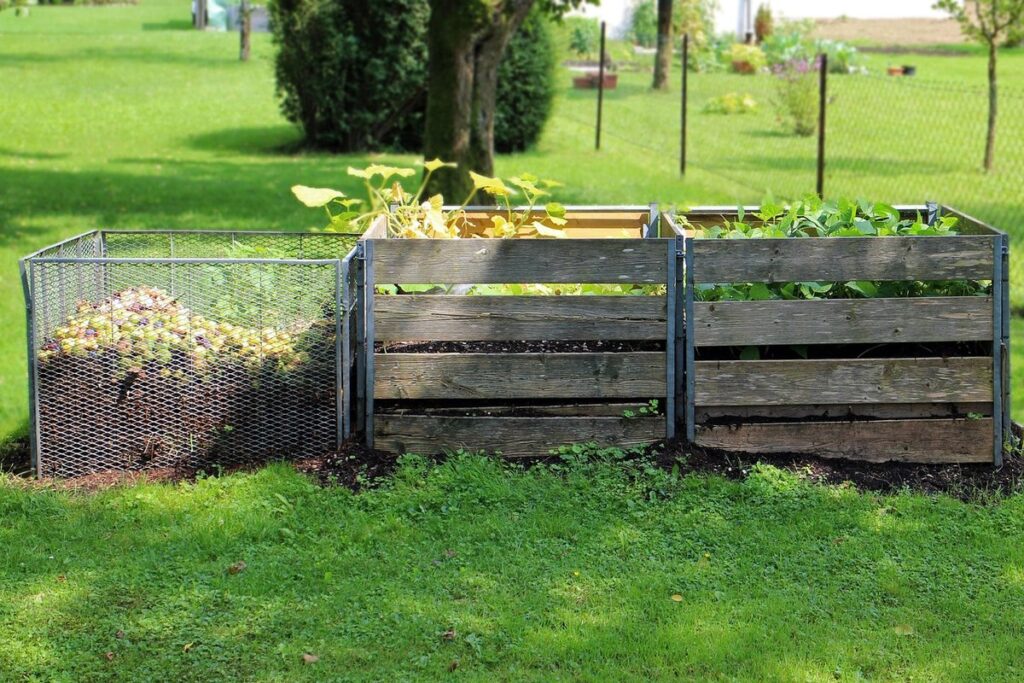
Outdoor stations are ideal for larger households or commercial settings. They typically consist of multiple compartments that make it easy to manage different types of materials, such as food waste and yard trimmings. When choosing an outdoor station, consider the amount of space you have available and the type of materials you plan to compost.
Preparing Your Materials
Before adding your materials to the compost pile, it’s essential to prepare them properly. This step ensures that all organic matter breaks down efficiently and quickly. Start by removing any large items such as branches, rocks, and debris from the collection area. These items can cause damage to your equipment or disrupt the decomposition process.
Next, chop or shred any bulky materials like leaves, grass clippings, or vegetable scraps into smaller pieces. This increases their surface area, allowing for faster microbial activity and breakdown. Aim for a uniform size of about 1-2 inches in length to ensure even composting.
For tougher items like coconut coir or shredded newspaper, use a shredder or chop them with a garden tool to break down fibers. Avoid tearing or pulling apart these materials, as it can lead to uneven texture and potential contamination.
The Composting Process
Now that you have your compost starter, let’s dive into the process of turning it into rich, nutrient-dense soil in just a few days. This next step is where magic happens!
Layering the Materials
When layering materials for instant compost, it’s essential to strike the right balance between “green” and “brown” ingredients. Green materials are high in nitrogen, coming from food scraps, grass clippings, and manure, while brown materials are rich in carbon, sourced from dried leaves, straw, or shredded newspaper.
Start by adding a 4-6 inch layer of brown material at the bottom of your compost pile. This provides a stable base for microbial activity to begin. Next, add a mix of green and brown materials, aiming for a rough ratio of 2/3 brown to 1/3 green. For example, you could alternate between a layer of kitchen scraps (green) and a layer of dried leaves or straw (brown).
Remember, the goal is to maintain an even moisture level throughout the pile. As you add layers, aim for a consistency similar to a damp sponge. Avoid overloading with too much green material, which can lead to anaerobic conditions and unpleasant odors. By balancing your green and brown materials, you’ll create an optimal environment for instant composting, promoting healthy microbial activity and a nutrient-rich end product.
Adding Water and Aeration
Maintaining the right moisture levels and aeration is crucial for efficient decomposition. You want to aim for a compost pile that’s like a damp sponge – not soggy, but certainly not dry. A good rule of thumb is to add water as needed, ideally when you first start building your pile. The ideal moisture level is between 40-60%. If you notice the pile is too dry, sprinkle some water on it. Conversely, if it’s too wet and forming puddles, wait a day or two for evaporation to occur.
Aeration is equally important. Every few days, use a pitchfork or shovel to turn the compost, allowing oxygen to penetrate deeper into the pile. This helps speed up decomposition by introducing oxygen, which microbes feed on. Aim for about 10-20% of the pile’s volume to be comprised of “green” materials – high in nitrogen and moisture – such as fresh grass clippings or food scraps. Balance this with “brown” materials like dry leaves or straw, which provide carbon and help absorb excess moisture.
This balance will create a thriving ecosystem that minimizes odors and pests, allowing your compost to break down rapidly into nutrient-rich soil.
Monitoring Progress
As you continue with the instant composting process, it’s essential to monitor its progress regularly. This will help you determine when the compost is fully decomposed and ready for use. Check on your pile every few days, paying attention to several key signs.
Firstly, look for a significant decrease in volume. A good indicator of decomposition is a noticeable reduction in size. If your initial batch was around 3-4 cubic feet, it should have shrunk by at least half within the first week. This is due to the breakdown of organic matter and the loss of excess water.
Another crucial aspect to observe is the texture. Decomposed compost will feel smooth and crumbly, often resembling potting soil. If it still feels coarse or chunky, it’s not yet ready. Additionally, inspect for a uniform color. Instant compost typically turns dark brown or black as microorganisms break down the materials.
To further assess progress, gently mix the contents of your pile. This helps aerate the material and exposes any areas that might be lagging behind in decomposition. If you notice a significant difference in texture or color after mixing, it’s likely that some parts are not yet fully broken down.
Tips for Optimizing Your Instant Compost
Now that you’ve got your instant compost up and running, let’s dive into some essential tips to ensure it’s working optimally, reducing odors and attracting beneficial microorganisms.
Reducing Odors and Pests
To maintain a healthy and efficient instant composting process, it’s essential to minimize odors and pests. This can be achieved by incorporating simple yet effective strategies into your daily routine.
One of the primary causes of unpleasant odors is overmoisture in the compost pile. Excess water can lead to anaerobic conditions, resulting in the production of hydrogen sulfide gas, a potent odor-causing compound. To prevent this issue, ensure that you’re maintaining a balance between “green” materials (high in nitrogen and moisture) and “brown” materials (low in nitrogen and high in carbon). Aim for a mix of 2/3 brown materials to 1/3 green materials.
Regular turning of the compost pile is also crucial in reducing odors. By mixing the contents, you’re allowing oxygen to penetrate deeper into the pile, which helps break down organic matter more efficiently. Additionally, consider incorporating odor-absorbing ingredients like activated charcoal or zeolite into your mix.
To discourage pests from inhabiting your instant composting station, keep it clean and dry. Regularly remove any food scraps that may be attracting unwanted visitors. You can also use physical barriers like fine mesh or hardware cloth to cover the pile and prevent pests from accessing it. By implementing these simple measures, you’ll create a healthier environment for your instant compost to thrive in.
Handling Challenges
Instant composting can be a rewarding process, but it’s not without its challenges. One of the most common issues is contamination – when unwanted items like meat, dairy, or pet waste are added to the compost pile. This can attract pests and create unpleasant odors. To avoid contamination, make sure to stick to approved ingredients only.
Another challenge you may face is insufficient decomposition. If your compost isn’t breaking down quickly enough, it could be due to a lack of carbon-rich materials like dried leaves or shredded newspaper. Try adding more brown materials to balance out the green (food scraps and grass clippings) content. Aim for a mix that’s 2/3 brown and 1/3 green.
To overcome these challenges, inspect your compost pile regularly and turn it every few days to maintain oxygen flow. You can also try creating separate piles or “hot spots” for different materials – this can help you troubleshoot issues more efficiently.
Using Your Instant Compost
Now that you’ve successfully created your instant compost, it’s time to think about all the amazing ways you can use it. The possibilities are endless, and we’re excited to share some of our favorites with you.
One of the most obvious uses for instant compost is in gardening. You can add it directly to your soil to give your plants a nutrient boost, or mix it into potting mixes for seedlings and cuttings. It’s especially great for seed starting, as it helps promote healthy root development and encourages strong growth. Try adding a tablespoon or two of instant compost to the bottom of each seed tray for an extra kick.
Another use for instant compost is in landscaping. You can sprinkle it around trees and shrubs to improve soil structure and fertility, or use it to rejuvenate tired lawns. It’s also a great natural fertilizer for outdoor containers and hanging baskets. To get the most out of your instant compost, try mixing it with some existing topsoil or garden loam to create a rich, well-draining potting mix.
In addition to gardening and landscaping, you can also use instant compost as animal feed. Many animals, including chickens, rabbits, and guinea pigs, love munching on compost-rich treats. Simply sprinkle a small amount of instant compost into their food or bedding for a nutritious boost. Just be sure to introduce it gradually, as some animals may need time to adjust to the new food source.
When using instant compost in any capacity, remember that a little goes a long way. Start with small amounts and observe how your plants or animals respond before adding more. With its rich, nutrient-dense formula, instant compost is an excellent addition to any garden, landscape, or animal feed regimen.
Safety Precautions for Instant Composting
Before we dive into making instant compost, it’s crucial to understand some essential safety precautions that will prevent accidents and ensure a smooth process. Let’s cover these vital guidelines first.
Handling Pathogens
When working with instant composting, it’s essential to handle materials that may contain pathogens with care. This includes meat and dairy waste, which can harbor bacteria like E. coli, Salmonella, and Listeria. Improper handling of these materials can lead to contamination and potentially harm the people around you or even make you sick.
To handle these materials safely, always wear gloves when touching them, and wash your hands thoroughly with soap and water afterward. When disposing of meat or dairy waste in the instant composter, make sure to bury it deeply within the pile, ideally 6-8 inches down, to prevent any pathogens from escaping. You can also add a layer of brown materials like straw or shredded newspaper on top of the waste to help suppress pathogen growth.
Remember to regularly turn your compost pile to ensure that all materials are getting enough oxygen and heat, which will help kill off any pathogens present. By following these simple steps and taking the necessary precautions, you can create a safe and healthy instant composting process for your garden or kitchen scraps.
Managing Temperature
Managing temperature is crucial when creating instant compost to prevent the growth of pathogens and pests. A safe temperature range for instant composting typically falls between 130°F (54°C) and 140°F (60°C). To monitor temperature, use a thermometer probe or stick it into the pile.
When temperatures rise above 160°F (71°C), you may experience “cooking” – a process where microorganisms rapidly break down organic matter. This can lead to unpleasant odors and potentially harmful conditions. To avoid cooking, ensure good airflow by regularly turning your compost pile. This will help heat escape and prevent over-heating.
Additionally, consider the type of materials you’re using. Green materials like food scraps tend to generate more heat than brown materials like dried leaves or straw. Balance your mix accordingly to maintain a healthy temperature.
Remember, it’s essential to monitor temperature regularly, ideally once a day, to catch any spikes before they become problematic.
Proper Storage and Disposal
Now that you’ve successfully made instant compost using our step-by-step guide, it’s essential to store and dispose of it properly to maintain its quality and environmental benefits. Finished instant compost is a valuable resource for your garden, but if not stored correctly, it can become a nuisance.
To keep your instant compost in top condition, make sure to transfer it into an airtight container or bin with good airflow. This will prevent moisture from accumulating and create anaerobic conditions that can lead to odors and pests. Store the container in a shaded area, away from direct sunlight and extreme temperatures.
When disposing of leftover materials during the composting process, don’t add them back into your finished instant compost. Instead, divert these items to your regular waste management system or use them as mulch. Regularly inspect your stored instant compost for signs of spoilage, such as mold, mildew, or pests. If you notice any issues, segregate the affected portion and continue monitoring it.
By following these simple storage and disposal tips, you’ll be able to maintain the quality of your instant compost and ensure that it continues to provide numerous benefits for your garden.
Frequently Asked Questions
What if I don’t have a suitable location for my instant composting station?
Yes, it’s possible to create an instant composting station even with limited space or no yard at all. Consider using a small balcony or patio, or repurposing a container to fit into your indoor space.
How can I prevent pests and odors in my instant compost?
To minimize pests and odors, maintain proper aeration and moisture levels by regularly turning the materials and ensuring the station isn’t too wet or dry. Add a layer of finished compost or charcoal at the bottom for extra odor control.
What happens if I notice mold or mildew on my instant compost?
No need to panic! Mold and mildew can appear due to excess moisture, but they’re easily treatable. Remove any affected areas, improve ventilation, and reduce watering frequency. This should resolve the issue without affecting your compost’s quality.
Can I use my instant compost immediately after it’s ready?
Yes, you can use your instant compost straight away, but keep in mind that it might be more effective to let it age for a few days or weeks before application. This allows the microbes to break down the materials further and create an even richer nutrient profile.
How do I maintain my instant composting station over time?
To ensure long-term success with your instant composting station, regularly check the moisture levels, aerate the materials, and replenish with new waste as needed. Also, be prepared to adjust your technique based on seasonal changes or variations in climate conditions.