
Are you ready to add a touch of greenery to your space without breaking a sweat? Creating a succulent terrarium is an excellent way to bring some life and visual interest into any room. Not only are these mini gardens low-maintenance, but they’re also incredibly stylish and can thrive in even the smallest of spaces. With the right selection and assembly techniques, you can enjoy a long-lasting, visually stunning display that requires minimal upkeep.
In this step-by-step guide, we’ll walk you through everything you need to know to craft your own beautiful succulent terrarium. From selecting the perfect plants and materials to assembly and maintenance tips, we’ve got you covered. By following our expert advice, you’ll be able to create a gorgeous miniature garden that will add a pop of color and texture to any room in your home.
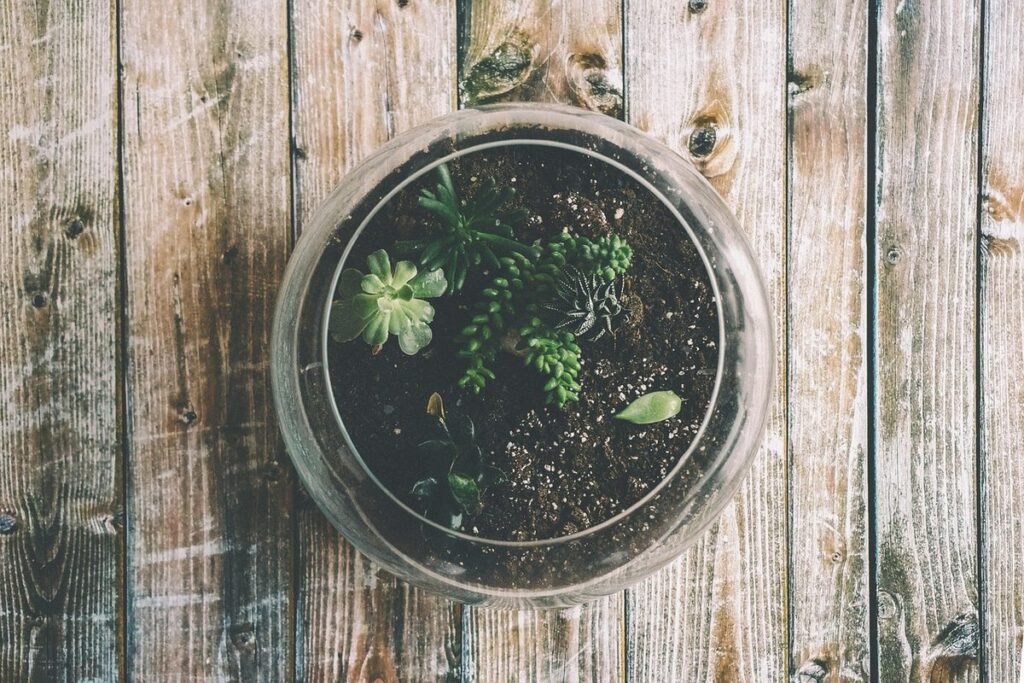
Understanding the Basics of Succulent Terrariums
To get started, let’s cover the basics: what is a succulent terrarium and why are they perfect for indoor spaces with low maintenance in mind.
Choosing the Right Container
When it comes to creating a stunning succulent terrarium, selecting the right container is crucial. This may seem like a simple task, but trust me, it can make all the difference between a thriving miniature garden and a struggling one. The size of your container is perhaps the most critical factor.
Opt for a glass or clear plastic container that allows you to see inside without having to open it, which will help maintain humidity levels within the terrarium. Avoid containers with narrow necks, as they can be challenging to plant in and may not provide enough space for growth. A minimum height of 6-8 inches is recommended to accommodate the roots of your succulents.
Drainage is also essential; you’ll want to use a container that has drainage holes or slots to prevent waterlogged soil. This will ensure your plants don’t rot and die from excess moisture. Choose a material that complements your terrarium’s aesthetic, such as glass, wood, or ceramic, but prioritize functionality above all else.
When selecting your container, think about the mature size of your succulents and plan accordingly. A larger container will give them room to grow, while a smaller one will encourage compact growth. Remember, it’s better to err on the side of caution and choose a slightly larger container than you think you’ll need.
Selecting Healthy Succulents
When selecting healthy succulents for your terrarium, it’s essential to consider their specific needs and characteristics. First, think about the amount of light your terrarium will receive. Some succulent species thrive in bright, direct sunlight, while others prefer low-light conditions. Choose plants that match your terrarium’s lighting situation.
Consider water needs as well. Some succulents are drought-tolerant and require infrequent watering, while others prefer more moisture-rich environments. Over-watering is a common mistake in terrariums, so select species that can handle the humid environment without becoming waterlogged.
Also, think about growth habits. Compact or trailing plants can add visual interest to your terrarium, but may need more frequent pruning or maintenance. Popular succulent species for terrariums include Echeveria, Crassula, and Sedum. Research specific care requirements for each plant to ensure you’re providing the best conditions for them to thrive.
Remember, even healthy succulents can be sensitive to temperature fluctuations and drafts. Select plants that are suitable for indoor conditions and choose a location away from extreme temperatures or air currents.
Understanding Terrarium Care Basics
To keep your succulent terrarium thriving, it’s essential to understand the fundamental care principles. Watering is one of the most critical aspects of terrarium care. Overwatering can lead to root rot and other issues, while underwatering may cause stress to your plants. A good rule of thumb is to water sparingly, allowing excess moisture to evaporate before rehydrating.
When it comes to lighting, succulents generally prefer bright, indirect light but can tolerate some direct sunlight. However, excessive sun exposure can scorch leaves and discolor the plants. Position your terrarium near an east- or west-facing window for optimal lighting conditions.
Temperature is another critical factor in maintaining a healthy terrarium. Succulents typically thrive in temperatures between 65°F to 75°F (18°C to 24°C). Avoid placing your terrarium near heating or cooling vents, fireplaces, or drafty windows, as these can cause temperature fluctuations that may stress the plants.
To avoid overwatering, check the moisture level by gently inserting a toothpick into the soil. If it feels damp, wait another day before watering. By following these basic care principles and observing your plants’ responses, you’ll be well on your way to creating a lush and vibrant succulent terrarium.
Preparing Your Container and Succulents
Before we begin planting, it’s essential to prepare your container and succulents for a thriving terrarium. Let’s start by selecting and cleaning our glass containers and preparing the soil and succulents for assembly.
Cleaning and Sterilizing the Container
When it comes to creating a thriving succulent terrarium, one of the most crucial steps is cleaning and sterilizing the container. This process may seem tedious, but trust us, it’s essential to prevent contamination and bacterial growth that can harm your succulents.
To start, wash the container thoroughly with mild soap and warm water to remove any dirt or debris that may be lodged in the crevices. Use a soft-bristled brush to scrub away any stubborn stains or mineral deposits. Rinse the container several times to ensure all soap residue is removed.
Next, sterilize the container using one of two methods: either by soaking it in a mixture of equal parts water and white vinegar for 10-15 minutes or by placing it in the oven at 200°F (90°C) for 10-15 minutes. The acid in the vinegar will help kill off any bacteria or fungi, while the heat from the oven will dry out any remaining moisture.
This crucial step may take a bit of time, but it’s well worth it to ensure your succulents have a healthy environment in which to thrive. By cleaning and sterilizing your container properly, you’ll set yourself up for success and create a beautiful, long-lasting terrarium that brings joy to your home for years to come.
Preparing the Succulents for Terrarium Life
When handling succulents for terrariums, it’s essential to be gentle and mindful of their delicate roots. Start by carefully removing each succulent from its pot, taking care not to damage the roots or disturb the surrounding soil. For plants with old or circling roots, consider trimming them back using a clean pair of scissors or pruning shears.
This process helps prevent water from collecting in the roots and promotes healthy growth within the terrarium’s closed environment. If you’re repotting mature succulents, you may need to gently tease out some of the older roots to encourage new root development.
By properly preparing your succulents for terrarium life, you’ll create a foundation for a thriving miniature ecosystem. This step ensures that your plants can absorb nutrients and water effectively once they’re enclosed within the glass container.
To minimize shock, handle each plant only as necessary, and avoid exposing them to direct sunlight or extreme temperatures during this process. Now that your succulents are ready, it’s time to choose the perfect combination of soil, rocks, and other decorative elements for a visually appealing and functional terrarium setup.
Assembling the Terrarium Ecosystem
Now that you’ve prepared your container and selected your succulents, it’s time to create a well-balanced ecosystem within your terrarium. This step is crucial for the long-term health of your plants, so take your time and pay attention to detail.
Start by adding a layer of small rocks or pebbles at the bottom of the container. This helps with drainage and prevents the soil from washing away when you water. Next, add a thin layer of activated charcoal on top of the rocks. Activated charcoal acts as a natural air purifier, preventing the growth of mold and mildew.
After that, it’s time to add your terrarium’s soil. Choose a high-quality potting mix specifically designed for terrariums or cacti. Fill the container about 2/3 full with soil, leaving enough space for your succulents’ roots to grow. Finish by adding any decorative elements like mosses, lichens, or small stones that will complement your plants.
Remember to keep things balanced and not overcrowd your terrarium. This is a delicate ecosystem that requires careful attention to thrive.
Building Your Succulent Terrarium
Now that you have a solid base for your terrarium, it’s time to focus on building and assembling all the components together carefully. In this next step, we’ll guide you through arranging your succulents and decorative elements.
Layering the Terrarium Components
When layering the components of your succulent terrarium, it’s essential to start from the bottom and work your way up. Begin by adding a 1-2 inch layer of small rocks or pebbles at the base of the container. This helps with drainage and prevents waterlogged soil.
Next, add a layer of activated charcoal, about half an inch thick. This will help absorb excess moisture and prevent mold growth.
Now it’s time to add the terrarium soil. Choose a high-quality succulent potting mix that drains well. Fill the container about 2/3 full with soil. When selecting your succulents, choose plants that complement each other in terms of texture, color, and size.
As you arrange your succulents, remember to leave enough space for them to grow. You can also add decorative elements like small shells or pinecones to create visual interest. Finally, finish off the terrarium by adding a layer of moss or small plants on top. This will help retain moisture and create a lush, vibrant appearance.
Remember, the key is to balance the various components and leave some space for growth.
Watering and Maintenance Techniques
Watering and maintenance are crucial aspects of keeping your succulent terrarium thriving. When it comes to watering, the key is to strike a balance between overwatering and underwatering. Overwatering can lead to root rot, while underwatering causes stress that may result in leaf drop or even death.
A good rule of thumb is to water your terrarium when the soil feels dry to the touch, usually every 7-10 days during the spring and summer months. However, this frequency will vary depending on factors such as temperature, humidity, and light exposure. To avoid overwatering, check for signs like condensation on the glass or a slight sagging of the plants’ leaves.
As for maintenance tasks, repotting is essential every 1-2 years to refresh the soil and provide the roots with more room to grow. Prune your succulents in late winter or early spring by removing dead or damaged leaves to encourage new growth. Regularly clean the terrarium’s glass with a soft cloth to prevent dust buildup, which can hinder light penetration. By following these simple maintenance tips, you’ll be able to keep your succulent terrarium looking its best for years to come.
Addressing Common Terrarium Issues
As you create and maintain your succulent terrarium, you may encounter some common issues that can affect its health and appearance. One of the most common problems is mold growth. This occurs when there’s too much moisture trapped inside the terrarium, creating a humid environment perfect for mold to thrive. To prevent this, make sure to leave about 1-2 inches of space between the soil and the top of the glass container. You can also increase air circulation by placing the terrarium near a window or using a fan.
Another issue you may face is pest infestation, such as mealybugs, spider mites, or scale insects. These pests love the humid environment and can quickly multiply if left unchecked. To prevent infestations, inspect your plants regularly and isolate any new additions to the terrarium for 2-3 weeks before introducing them to the main container.
Finally, algae accumulation is another common problem that can discolor the glass walls of your terrarium. This occurs when there’s too much light or inadequate water circulation. To prevent algae buildup, ensure you’re not overwatering and consider using a low-wattage grow light to provide gentle illumination.
Tips for a Long-Lasting Succulent Terrarium
Now that you’ve built your beautiful succulent terrarium, let’s dive into some essential tips to help it thrive and last for years to come. Proper care is key!
Monitoring Temperature and Humidity Levels
Maintaining optimal temperature and humidity levels within your terrarium is crucial for promoting healthy plant growth. Most succulents thrive in temperatures between 65-75°F (18-24°C), while others can tolerate warmer temperatures. To ensure the right conditions, place your terrarium near a sunny window or use grow lights to supplement natural light.
Humidity levels also play a significant role in terrarium health. Over time, the plants release moisture into the air, creating a humid microclimate within the container. However, if not monitored, humidity can become too high, leading to root rot and other problems. A hygrometer will help you track humidity levels; aim for 40-60% relative humidity.
To prevent condensation from forming on the glass walls, use a well-draining potting mix and avoid overwatering. Regularly inspect your terrarium to ensure that plants are not too close together or developing fungal diseases due to excessive moisture. By maintaining optimal temperature and humidity levels, you’ll create an environment conducive to your succulents’ growth, ensuring your terrarium remains beautiful for a long time.
Providing Adequate Light and Air Circulation
When it comes to creating a thriving succulent terrarium, providing adequate light and air circulation is crucial for the health and longevity of your plants. Succulents need bright, indirect light to undergo photosynthesis, but direct sunlight can be too intense and cause burning.
Positioning your terrarium near an east- or west-facing window is ideal, as this allows for gentle, filtered light throughout the day. If you don’t have a south-facing window, consider using grow lights to supplement natural light. Rotate your terrarium every 1-2 weeks to ensure that all sides of the plants receive equal light.
Air circulation is equally important, as succulents are prone to fungal diseases in stagnant environments. To promote air circulation, place the terrarium on a tray or plate filled with small rocks or pebbles and water. This will allow excess moisture to evaporate and prevent the buildup of condensation inside the terrarium. By paying attention to light and air circulation, you can create a healthy environment for your succulents to thrive in their miniature indoor ecosystem.
Rotating Your Terrarium for Aesthetic Appeal
Rotating your succulent terrarium can work wonders for its aesthetic appeal. Over time, you may find that the plants grow unevenly, creating an unbalanced look. To prevent this, try rotating your terrarium every 1-2 weeks. This simple trick will encourage new growth patterns in your plants and help them thrive.
When rotating your terrarium, choose a spot with indirect sunlight or partial shade. Move it to a different location in your home to create visual interest. You can also rotate the terrarium itself by gently tilting it on its side. This will redistribute the soil and plants, promoting even growth.
Remember, succulents are forgiving plants, so don’t be afraid to experiment with different arrangements. If you notice a plant is leaning towards one direction, try rotating it slightly. With regular rotation, your terrarium will remain visually appealing and your plants will continue to thrive. By incorporating this simple technique into your care routine, you’ll keep your succulent terrarium looking its best all year round.
Frequently Asked Questions
Can I use a glass container with a lid, or does it have to be clear?
A clear glass or plastic container is ideal for a succulent terrarium because it allows you to observe the plants without having to open it. However, if you prefer a glass container with a lid, make sure the lid has small holes or gaps for air circulation to prevent the buildup of condensation.
How often should I water my succulent terrarium?
Watering frequency depends on the type of succulents and the humidity levels in your home. Generally, it’s best to start with infrequent watering (once a week) and adjust as needed based on your plants’ response.
Can I use tap water for my succulent terrarium, or should I use filtered water?
It’s recommended to use distilled or filtered water for your succulent terrarium to prevent mineral buildup in the soil. Tap water can be too alkaline or contain high levels of minerals that might harm your plants over time.
How do I know if my succulents are receiving enough light?
Succulents generally require bright, indirect light to photosynthesize and thrive. If you notice your plants becoming limp or discolored, it may be a sign they’re not getting enough light. Move the terrarium to a brighter location or consider using grow lights for more intense illumination.
Can I propagate new succulent plants from my terrarium?
Yes, most succulents can be propagated by removing healthy leaves or stems and rooting them in soil. This is a great way to share your favorite succulent varieties with friends or create new plants for other projects.