
Aphid infestations can quickly go from manageable to catastrophic, threatening the health of your plants and even spreading disease. That’s why learning how to kill aphids effectively is crucial for any gardener or plant enthusiast. But with so many methods and treatments available, it’s easy to feel overwhelmed. This comprehensive guide will walk you through everything you need to know about preventing and eliminating aphid infestations. From chemical controls that use pyrethrin sprays to biological methods like introducing beneficial insects, we’ll cover the full spectrum of solutions. We’ll also delve into cultural controls like pruning and watering practices that can help prevent aphids from taking hold in the first place. By the end of this guide, you’ll be equipped with the knowledge and strategies needed to protect your plants from these pesky pests.
Understanding Aphid Infestations
To effectively kill aphids, it’s essential to understand what causes infestations and how they spread throughout your garden. This sets the stage for prevention strategies.
What Are Aphids?
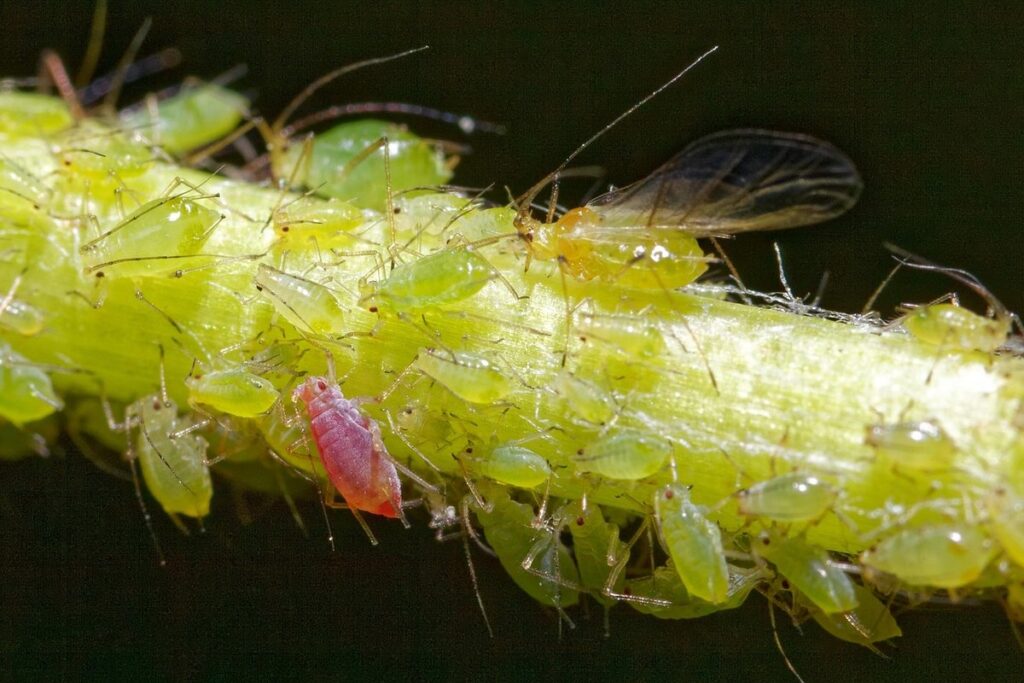
Aphids are one of the most common and persistent pests gardeners face. These tiny, soft-bodied insects feed on plant sap, causing curled or distorted leaves, stunted growth, and reduced yields. Aphid infestations can be particularly problematic because they reproduce rapidly, with some species capable of producing multiple generations in as little as two weeks.
The life cycle of aphids typically begins with the birth of live young, often wingless and female, which are capable of reproducing immediately. As the population grows, winged aphids may emerge to disperse to new plants, contributing to the spread of infestations. Aphid colonies can also be formed by the introduction of eggs laid on host plants during the winter months.
Aphids pose a significant threat to gardeners because they can transmit plant viruses and attract other pests that prey on them. Furthermore, their feeding habits cause direct damage to plants, which can lead to reduced quality and quantity of produce. To effectively manage aphid infestations, it’s essential to understand these life cycle characteristics and take proactive measures to prevent their establishment in the first place.
Effective management strategies often involve a combination of techniques such as introducing beneficial insects that prey on aphids, using chemical controls judiciously, and implementing cultural practices like crop rotation and sanitation. Understanding the intricacies of aphid biology is key to developing targeted control methods that minimize harm to the environment while maximizing the effectiveness of treatments.
Identifying Aphid Symptoms
Identifying aphid symptoms is crucial to taking control of an infestation. As an aphid population grows, it can cause noticeable changes to a plant’s appearance and overall health.
One of the most common signs of aphids is yellowing leaves. This occurs when aphids feed on the sap from the plant, disrupting its ability to produce chlorophyll and carry out photosynthesis. Curled or distorted leaves are another indication that aphids have taken up residence. Aphid saliva contains a toxin that can cause this physical deformation.
Another telltale sign of an aphid infestation is sticky honeydew residue. This sweet-tasting substance coats the plant’s leaves, branches, and even surrounding surfaces, creating unsanitary conditions for beneficial insects and plants alike. To confirm the presence of aphids, inspect the undersides of leaves, where they often congregate in large numbers.
Keep an eye out for ants as well – these insects are attracted to honeydew and can actually help facilitate an aphid infestation by protecting them from predators and other threats.
Why Aphids Are a Concern
Aphids may seem like just another pesky garden pest, but they pose a significant threat to your plants’ health and productivity. One of the most concerning aspects of aphid infestations is their ability to spread plant viruses. These tiny insects feed on plant sap, which can transmit viral diseases such as potato virus X, tobacco rattle virus, and lettuce mosaic virus. This means that if you don’t address an aphid infestation promptly, you risk not only losing your current crop but also compromising the health of future harvests.
Aphids can also significantly reduce crop yields by sucking plant sap, which weakens the plant’s ability to grow and produce fruit or vegetables. In extreme cases, severe aphid infestations can lead to complete crop failure. Moreover, aphids can impact garden ecosystems by altering the delicate balance between beneficial insects like ladybugs and lacewings, which prey on aphids.
The presence of aphids can also attract other pests, such as ants, which come to feed on the sticky honeydew secreted by aphids. This creates a domino effect that can quickly spiral out of control if left unchecked.
Preventing Aphid Infestations
To keep aphids from wreaking havoc on your garden, it’s essential to understand how they spread and take proactive steps to prevent infestations. Let’s explore some effective strategies for keeping these pests at bay.
Plant Selection and Preparation
When selecting plants for your garden, it’s essential to consider their resistance to aphids. Some plant varieties are naturally more prone to aphid infestations than others. For example, roses and lavender are notorious aphid magnets, while herbs like basil and mint tend to be less appealing to these pests.
To avoid bringing aphids into your garden, inspect the plants you’re purchasing carefully. Check for visible signs of infestation, such as curled or distorted leaves, sticky honeydew droplets, or actual aphids on the stems or leaves.
Preparing the soil before planting can also help prevent aphid invasions. Make sure to remove any debris, weeds, and roots that could harbor aphids. Add organic matter like compost or well-rotted manure to improve soil fertility and structure, making it less conducive to aphid development.
When introducing new plants, quarantine them for a few weeks before adding them to your garden to ensure they’re pest-free. By choosing resistant varieties, avoiding infested plants, and preparing the soil, you’ll be better equipped to prevent aphid invasions and protect your garden from these pesky pests.
Maintaining Healthy Gardens
Maintaining healthy gardens is crucial to preventing aphid infestations. Aphids thrive in environments with optimal growing conditions, which makes it essential to keep a close eye on your garden’s conditions. One of the most critical factors is watering – overwatering can lead to a perfect storm for aphids, while underwatering will weaken plants and make them more susceptible to infestation. Ensure you water your plants when the top 1-2 inches of soil feels dry to the touch.
Pruning is another essential practice that helps maintain healthy gardens. Regular pruning not only encourages air circulation but also promotes even growth, reducing stress on plants. This can be achieved by removing any dead or diseased branches and cutting back overgrown areas. When pruning, make sure to disinfect your tools between cuts to prevent the spread of diseases.
Fertilizing is also vital in maintaining a healthy garden ecosystem. Use balanced fertilizers that promote healthy root growth and encourage plant resilience. Avoid using high-nitrogen fertilizers, as these can promote leafy growth that aphids feed on. Instead, opt for slow-release fertilizers that provide nutrients over an extended period, keeping your plants robust and less appealing to aphids.
Chemical Controls for Aphids
When it comes to chemical controls, we’ll explore the most effective insecticidal soap and neem oil solutions that provide long-term aphid control without harming your plants.
Insecticides: Types and Application
When it comes to controlling aphid infestations, insecticides play a crucial role. There are various types of insecticides available, each with its own advantages and limitations. Systemic pesticides, for example, work by being absorbed by the plant’s vascular system, providing long-lasting protection against aphids. These pesticides can be particularly effective in preventing aphid infestations from occurring in the first place.
On the other hand, contact pesticides are designed to kill aphids on contact. They typically have a faster knockdown effect compared to systemic pesticides but may need to be reapplied more frequently. Some common examples of contact pesticides include pyrethroids and neonicotinoids.
In terms of application, it’s essential to choose the right product for your specific situation. Consider factors such as the type of plant you’re treating, the severity of the infestation, and any potential environmental or health risks associated with the pesticide. Always follow label instructions carefully and take necessary precautions when handling insecticides.
Homemade Pest Control Methods
If you’re looking for alternatives to chemical controls to kill aphids, there are several homemade pest control methods that can be effective. One popular option is neem oil, a natural extract from the seeds of the neem tree that disrupts aphid growth and development.
To use neem oil, mix it with water according to the label instructions (usually 2-4% solution) and spray it on your plants. This method can be especially effective against established aphid colonies. You can also make a garlic spray by blending minced garlic with water and straining out the solids. Mix this solution with a bit of dish soap (about 1 tablespoon per quart of water), which helps emulsify the mixture and makes it stick to plant surfaces.
Soap solutions, often made from mild liquid soaps like those designed for hand-washing dishes, can also be used as an aphid-killing agent. When using soap solutions, make sure to mix the correct ratio (usually about 1 tablespoon per quart of water) and avoid getting any on your plants’ leaves or stems, which can cause damage. By using these homemade pest control methods, you can reduce your reliance on harsh chemicals and still effectively manage aphid infestations in your garden.
Biological Controls for Aphids
When it comes to biological controls, we’re not talking about introducing non-native species that could cause harm – instead, we’ll look at how beneficial insects can help regulate aphid populations.
Natural Predators and Parasites
Beneficial insects like ladybugs, lacewings, and parasitic wasps play a crucial role in controlling aphid populations. These natural predators and parasites are an essential component of integrated pest management (IPM) strategies.
Ladybugs, also known as lady beetles or ladybird beetles, are one of the most effective aphid predators. A single ladybug can consume up to 60 aphids per day, making them a valuable addition to your garden ecosystem. To attract ladybugs, plant flowers that are rich in nectar and pollen, such as marigolds, zinnias, and sunflowers.
Lacewings, on the other hand, are known for their long, slender bodies and delicate wings. They lay eggs near aphid colonies, which then hatch into larvae that feed on the aphids. To encourage lacewing populations, provide a source of food and shelter by planting dill or fennel, as well as maintaining a diverse array of flowers.
Parasitic wasps are another effective way to control aphid populations. These tiny wasps lay their eggs inside the bodies of aphids, which then hatch into larvae that feed on the aphid’s internal organs. To attract parasitic wasps, plant flowers with high nectar content, such as angelica or hollyhock.
By introducing these beneficial insects to your garden, you can reduce the need for chemical pesticides and create a more balanced ecosystem. Remember to provide a diverse range of plants that offer food and shelter for these beneficial insects.
Encouraging Beneficial Organisms
To effectively manage aphid populations, it’s essential to create an environment that encourages beneficial organisms. This can be achieved by attracting natural predators and parasites that feed on aphids. Lady beetles, lacewings, and hoverflies are examples of beneficial insects that prey on aphids.
To attract these beneficial insects, plant a diverse range of flowers, herbs, and vegetables in your garden. Incorporate native plants, which provide nectar and pollen for adult beneficial insects to feed on. Some specific examples include marigolds, nasturtiums, and dill. These plants are not only attractive to beneficial insects but also repel aphids.
Another strategy is to create a sheltered area with dense foliage, providing a safe haven for beneficial insects to hide from extreme weather conditions and predators. Consider incorporating native grasses or shrubs that provide additional habitat for these beneficial organisms. By creating this balance in your garden ecosystem, you’ll be able to reduce the need for chemical controls and let nature take care of aphid populations.
Cultural Controls for Aphids
When it comes to managing aphid populations, cultural controls can be a crucial step in preventing infestations and reducing pesticide use. These methods help you create an environment where aphids are less likely to thrive.
Companion Planting
When it comes to getting rid of aphids, incorporating companion planting into your garden can be a game-changer. Companion planting involves pairing plants that repel aphids with those that are susceptible to them. For example, basil is known to repel aphids and can be planted alongside roses, which are commonly affected by these pesky insects.
Rosemary and mint are also excellent choices for companion planting when it comes to aphid control. Rosemary’s strong scent deters aphids from feeding on nearby plants, while mint’s fragrance can help mask the smell of other plants that may attract aphids. To get started with companion planting, simply plant these herbs near your rose bushes or other aphid-prone areas.
Here are a few more tips to keep in mind: make sure to plant these companions at the same time as your main plants for optimal results. Also, consider using them in containers if you don’t have space to dedicate an entire bed to companion planting. With a little creativity and planning, you can create a garden that’s inhospitable to aphids while also benefiting from their natural pest-repelling abilities.
Garden Sanitation
Removing weeds, debris, and infested plants from your garden is one of the most effective cultural controls for preventing aphid spread. When left unmanaged, these elements can become breeding grounds for aphids, allowing them to multiply rapidly and spread disease. Start by identifying areas of your garden where weeds are present – typically along pathways, around plant bases, or in overgrown corners.
Remove weeds completely, making sure to dig up their roots to prevent regrowth. Dispose of infested plants immediately, taking care not to transport aphids to other areas of the garden. Also, clear any debris, such as dead leaves or branches, which can harbor aphid eggs and nymphs. Consider composting these materials separately from your regular garden waste to ensure they don’t reintroduce pests into your soil.
Regularly inspect your plants for signs of infestation and remove any heavily infested areas. This will help prevent the spread of disease and reduce the likelihood of further aphid colonization. By implementing these simple yet effective practices, you’ll create an environment less conducive to aphid growth and increase your chances of success in managing this pest.
Additional Tips and Considerations
Now that you’ve learned how to effectively kill aphids, let’s discuss some additional tips and considerations to help prevent future infestations and maintain a healthy garden. This section will cover important strategies for long-term aphid management.
Integrated Pest Management (IPM)
When it comes to managing aphid populations, many gardeners and farmers resort to chemical pesticides. However, this approach can often do more harm than good. Instead, consider adopting Integrated Pest Management (IPM) principles. IPM is a holistic approach that takes into account the complex relationships between pests, their environment, and the ecosystem as a whole.
At its core, IPM involves monitoring for aphid populations, identifying the underlying causes of infestations, and implementing targeted management strategies. This might include introducing beneficial insects such as ladybugs or lacewings, which prey on aphids, to your garden. You can also use physical barriers like fine mesh or fine netting to prevent aphids from reaching vulnerable plants.
Another key aspect of IPM is cultural controls. This involves modifying your gardening practices to reduce the likelihood of aphid infestations. For example, you might prune infested areas, water plants at soil level to avoid splashing water onto leaves, and avoid over-fertilizing, which can attract aphids. By adopting these strategies, you’ll not only reduce your reliance on chemical pesticides but also create a healthier ecosystem for your garden.
Monitoring and Adaptation
Monitoring and adaptation are crucial components of effectively killing aphid populations. To stay on top of infestations, regularly inspect your plants for signs of aphids, such as curled or distorted leaves, sticky honeydew droplets, or actual aphids on stems and leaves.
Be mindful that aphid populations can surge rapidly, making frequent monitoring a necessity. Check your plants at least once a week during peak aphid season (typically late spring to early summer) and more often if you notice any issues.
If you do find an aphid infestation, assess its severity before deciding on control methods. Minor infestations may be addressed with neem oil or insecticidal soap treatments, while larger populations might require stronger chemicals like pyrethroids or organophosphates.
Keep in mind that pesticide use should always be a last resort and done so responsibly to avoid harming beneficial insects and the environment. Consider integrating biological controls, such as introducing natural predators or parasites of aphids, into your management strategy for long-term success.
Frequently Asked Questions
Can I use essential oils as a natural pest control method for aphids?
While some gardeners swear by the effectiveness of certain essential oils, such as neem oil or peppermint oil, against aphids, it’s crucial to note that their efficacy can vary depending on the specific plant and infestation. Always dilute essential oils according to instructions and perform thorough testing before applying them on a larger scale.
How do I prevent aphid infestations in my greenhouse?
Given the confined environment of greenhouses, aphid populations can quickly get out of control. To minimize this risk, ensure proper ventilation, maintain optimal temperature and humidity levels, and avoid over-watering. Regularly inspect your plants for signs of infestation and introduce beneficial insects or use biological controls to prevent the spread.
Can I treat aphids with insecticidal soap in areas where other beneficial insects are present?
Yes, insecticidal soap is generally considered safe for beneficial insects like bees and butterflies, but it’s still essential to exercise caution. Use a mild formula and avoid spraying during peak sun hours or when beneficial insects are most active.
How often should I repeat treatments for aphid infestations?
The frequency of treatments depends on the severity of the infestation and the chosen control method. For biological controls like introducing beneficial insects, it’s essential to monitor the population closely and reintroduce new organisms as needed. Chemical controls can be repeated at 7-10 day intervals, but always follow product instructions for specific application schedules.
What should I do if aphid eggs or nymphs survive treatment?
If you notice that some aphids have survived a treatment, don’t panic! It’s not uncommon for some pests to develop resistance. Adjust your control strategy by switching between chemical and biological methods or increasing the frequency of treatments while also enhancing cultural controls like pruning and watering practices.