
Are you tired of waking up to find your carefully tended vegetable garden ravaged by hungry deer? Losing your crops to these unwanted visitors can be frustrating and costly. Protecting your garden from deer damage is not only essential for preserving your harvest, but it’s also crucial for maintaining the overall health of your plants. If you’re looking for effective ways to keep deer away from your vegetable garden, you’ve come to the right place. In this article, we’ll explore the most effective tips and strategies to repel deer using physical barriers, repellents, and cultural methods. We’ll dive into the specifics of how to create a deer-proof garden, including the best materials to use, common mistakes to avoid, and long-term solutions for keeping these pesky critters at bay once and for all.
Understanding the Problem
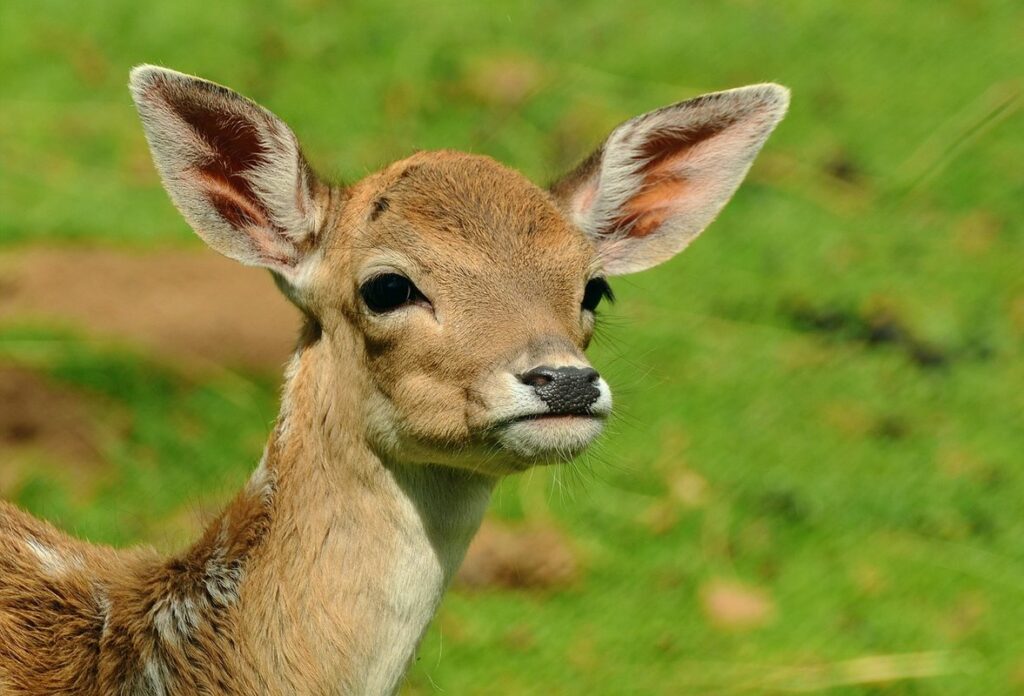
Deer can be a major threat to your vegetable garden, causing significant damage and loss of crops. Let’s explore the common issues that deer pose to gardeners like you.
Identifying the Threat: Why Deer Are a Problem for Vegetable Gardens
Deer can be a major problem for vegetable gardens, and it’s essential to understand why they’re drawn to these areas. One reason is that deer are attracted to the same plants that you’ve carefully cultivated – juicy fruits and vegetables like tomatoes, peppers, and lettuce. These plants provide a convenient source of food for deer, especially during the winter months when other food sources may be scarce.
Another reason deer visit vegetable gardens is that they offer shelter and protection from harsh weather conditions. Deer often seek out areas with dense foliage or undergrowth to escape predators and harsh winds. Your carefully manicured garden might look appealing to a deer looking for a cozy spot to bed down.
To make matters worse, deer can cause significant financial losses by destroying your crops. According to the National Gardening Association, deer damage costs homeowners an estimated $1 billion annually in lost produce and replacement costs. By understanding why deer are attracted to your garden, you’ll be better equipped to develop effective strategies for deterring them.
The Impact of Deer on Garden Crops
Deer can be devastating to vegetable gardens, and it’s essential to know which crops are most vulnerable. Plants like lettuce, spinach, carrots, and broccoli are favorite snacks for deer, and a single visit from a hungry herd can decimate an entire crop. In fact, studies have shown that a single deer can eat up to 20-30 pounds of vegetation per day.
If you’re growing these crops, it’s crucial to take extra precautions to protect them from deer damage. Consider planting deer-resistant varieties or using fencing to keep these unwanted visitors out. For example, if you’re growing lettuce and spinach, try using row covers to prevent deer from accessing the plants. Row covers are lightweight fabrics that allow light and water to reach the plants while keeping deer at bay.
In addition to choosing deer-resistant crops and using physical barriers, it’s also essential to monitor your garden regularly for signs of deer activity. Look out for droppings, tracks, or damaged plants, and take action quickly to prevent further damage. By being proactive and taking steps to protect your garden, you can enjoy a bountiful harvest without worrying about those pesky deer ruining the party.
Assessing Your Garden’s Vulnerability
To effectively keep deer away from your vegetable garden, it’s essential to understand how vulnerable your garden is to deer damage, and that starts with a thorough assessment. This involves evaluating several key factors.
Conducting a Risk Assessment: Identifying Deer Habitat and Patterns
To effectively protect your vegetable garden from deer, it’s essential to understand their behavior and habitat patterns. Deer tend to live in areas with abundant food sources, shelter, and water. Start by observing the landscape around your garden. Look for signs of deer activity such as tracks, droppings, or rubbed trees.
Identify potential deer habitats near your garden, including forests, woodlands, and fields. These areas often provide a source of food, such as fruits, leaves, and grasses. Deer may also migrate through these regions in search of new resources. Consider the terrain and topography of your area, as deer tend to prefer flat or gently sloping landscapes.
Take note of any water sources nearby, including streams, ponds, or lakes. These areas often attract deer, providing a source of hydration and possibly food. By understanding deer habitat patterns, you can take steps to mitigate their presence in your garden, reducing the likelihood of damage to your crops.
Evaluating Garden Design and Placement
When it comes to evaluating garden design and placement, it’s essential to consider its impact on attracting deer. Deer behavior is largely driven by their natural instincts, which means they’re drawn to areas with readily available food sources, shelter, and water. Your vegetable garden may become an irresistible destination for these wildlife visitors if not properly planned.
When selecting the location of your garden, keep in mind that deer tend to favor areas with dense vegetation, such as woodlands or overgrown fields. They also prefer spots near water sources, like streams or ponds. To deter deer from visiting your garden, consider placing it in an open area, away from trees and other landscape features that may attract them.
Another critical factor is the proximity of adjacent structures to your garden. If nearby buildings, sheds, or fences provide shelter for deer, they’re more likely to visit your garden. Consider the orientation of your garden, too – deer often prefer to feed in areas with morning sun, as it allows them to escape from potential predators.
When evaluating your garden’s design and placement, also consider the presence of deer repellents like garlic or hot pepper plants nearby. These can help deter deer without affecting their natural food sources.
Physical Barriers to Keep Deer Away
To keep deer away from your vegetable garden, physical barriers are a simple and effective solution that can provide instant results when installed correctly. Let’s explore some of these barrier options together.
Fencing Options: Types and Effectiveness
When it comes to protecting your vegetable garden from deer, choosing the right fencing option is crucial. Deer are notorious for their ability to jump and climb over obstacles, so you’ll want a fence that’s specifically designed to keep them out.
One popular option is mesh fencing, which is made up of small holes that allow sunlight and air to reach plants while keeping deer at bay. However, its effectiveness depends on the mesh size – a 1-inch by 4-inch mesh size is generally recommended for deer control. Another option is netting, which can be installed in various heights to deter deer from jumping over it.
Hardware cloth is another popular choice, made up of thin metal wires that are woven together to form a sturdy barrier. It’s particularly effective at keeping out smaller deer species and can be buried underground to prevent digging. If you’re looking for a more budget-friendly option, consider using electric fencing – while not foolproof, it can be an effective deterrent when paired with other fencing types.
Consider the size of your garden and the type of deer you’re trying to keep out when selecting a fencing material.
Installation Tips for Effective Fencing
A well-installed fence is crucial to effectively keep deer away from your vegetable garden. To ensure that your fencing installation meets its purpose, follow these steps: first, choose a location for the fence posts where they will be stable and not subject to settling or shifting due to soil conditions. Next, dig holes for each post, 12-18 inches deep and slightly wider than the post diameter. Fill the holes with a mixture of concrete and gravel to provide extra stability.
When installing fencing panels, always follow the manufacturer’s instructions. If you’re using wooden posts and panels, make sure they are securely attached to the ground with galvanized or stainless steel wire to prevent deer from easily jumping over them. To maximize effectiveness, consider adding a 2-foot tall extension at the top of your fence as deer can jump high if given sufficient clearance.
Lastly, check your local building codes before starting installation, and ensure that your fencing complies with these regulations.
Repellents and Deterrents
When it comes to keeping deer out of your veggie garden, repellents and deterrents are often a gardener’s best friend. Let’s explore some effective options for scaring them away.
Homemade and Commercial Repellents: What Works?
When it comes to keeping deer away from your vegetable garden, repellents are an essential tool. But with so many options available, both homemade and commercial, it can be overwhelming to choose the right one. Let’s take a closer look at some of the most popular homemade and commercial repellent options.
Homemade repellents often use natural ingredients like hot peppers, garlic, and soap. These substances can be mixed together in various ways and applied directly to plants or around the garden perimeter. For example, you can mix equal parts hot sauce and water in a spray bottle and spritz it on plants to deter deer. Another option is to boil some garlic cloves in water and then let the liquid cool before spraying it on plants.
Commercial repellents, on the other hand, often contain synthetic active ingredients like capsaicin or putrescine. These substances can be more effective than homemade options but may also require repeated applications for maximum efficacy. Some popular commercial repellent products include those containing capsaicin, which is derived from hot peppers and can provide protection for up to 30 days.
One of the most important things to consider when choosing a repellent is its active ingredient. For example, if you have pets or plan to harvest your crops soon, you may want to avoid repellents that contain toxic substances like putrescine. It’s also essential to follow application instructions carefully and reapply as needed to ensure maximum efficacy.
Choosing the Right Repellent for Your Garden
When it comes to protecting your vegetable garden from deer, choosing the right repellent is crucial. Not all repellents are created equal, and some may not be suitable for every garden. To select a repellent that matches your specific situation, consider the following factors.
Firstly, think about the type of plants you’re growing in your garden. Different plants have different fragrances and tastes that deer find appealing or unappealing. For example, if you’re growing vegetables like lettuce, spinach, and peas, which are particularly attractive to deer, a repellent with a strong scent may be more effective.
Another factor to consider is the size of your garden. A larger garden may require a more powerful repellent, while a smaller garden may need a gentler approach. You should also think about the location of your garden and the surrounding environment. If you live near a forest or woodland area, deer may be accustomed to grazing in these areas and may not find your garden’s plants as appealing.
Lastly, consider the long-term effectiveness of the repellent. Some repellents may only last for a short period, while others can provide longer-lasting protection. Be sure to read reviews and product labels carefully to determine which repellent is best suited for your needs.
Cultural Methods to Deter Deer
Let’s explore some creative and non-invasive ways to discourage deer from visiting your garden, using cultural methods that blend into the natural environment. This approach can be a gentle yet effective way to deter these lovable visitors.
Planting Deer-Resistant Crops: A Proactive Approach
When it comes to protecting your vegetable garden from deer, planting deer-resistant crops can be a proactive and effective approach. Deer tend to prefer certain plants over others due to their taste, texture, and nutritional value. By incorporating these plants into your garden, you can make it less appealing to deer and reduce the likelihood of damage.
Some examples of deer-resistant crops include hot peppers, garlic, and onions. These plants are not only unpalatable to deer but also have strong scents that repel them. Planting these species around the perimeter of your garden or interspersed throughout can help keep deer away.
Other options include planting daffodils, hyacinths, and other bulbous flowers. Deer tend to avoid these plants due to their bitter taste and strong scent. Consider incorporating a mix of both edible and ornamental deer-resistant plants into your garden design. This approach not only helps deter deer but also adds visual interest and diversity to your garden.
Companion Planting Strategies
Companion planting is an effective and eco-friendly method to deter deer from your vegetable garden. By strategically selecting plants that repel deer, you can create a natural barrier around your crops without using chemical repellents. Some deer-repellent companion plants include garlic, hot peppers, and daffodils, which release strong scents or chemicals that deter deer.
Planting marigolds alongside vegetables like tomatoes and peppers is another effective strategy. Not only do they repel nematodes, but their bright yellow flowers also attract beneficial insects that prey on pests. Plant basil near roses to deter deer from feeding on these plants as well.
To make the most of companion planting, group deer-repellent plants together in clusters around your vegetable garden. This will create a strong scent barrier that’s more effective than having individual plants scattered throughout the area. Consider adding some deer-deterrent herbs like mint or lemongrass to your plantings for extra protection.
Additional Measures for High-Risk Gardens
If you’re growing a high-value crop or living in a region with intense deer pressure, additional measures are necessary to safeguard your garden. Consider installing fencing or using repellents specifically designed for these situations.
Using Motion-Activated Sprinklers and Other Scare Devices
When it comes to high-risk gardens, motion-activated sprinklers and other scare devices can be an effective deterrent for deer that have become accustomed to the garden. These devices work on the principle of startling the deer with sudden movement or noise, causing them to associate the area with danger.
Motion-activated sprinklers are particularly useful as they can be placed strategically around the perimeter of the garden to cover a wide area. When a deer enters the range of the device, it triggers a sudden burst of water that will startle and deter the animal from returning. For example, you could place one near a gate or along a fence line where deer are most likely to enter.
Other scare devices such as ultrasonic repellent emitters, strobe lights, and motion-activated alarms can also be effective in keeping deer away. These devices work by emitting a range of unpleasant stimuli that deer find distressing. For example, an ultrasonic device might emit a high-pitched sound undetectable to humans but uncomfortable for deer.
When using scare devices, it’s essential to remember that they need to be regularly maintained and replaced as needed. This may include changing batteries or replacing worn-out parts. It’s also crucial to combine these devices with other deterrent methods, such as fencing and repellents, for maximum effectiveness.
Integrated Pest Management (IPM) Strategies
When it comes to protecting your vegetable garden from deer, Integrated Pest Management (IPM) strategies can be a valuable addition to your arsenal. IPM is a holistic approach that considers the complex relationships between plants, pests, and their environment. This approach recognizes that no single method can completely eliminate pest problems, but rather seeks to manage them through a combination of techniques.
At its core, IPM involves identifying the causes of deer damage in your garden and selecting control methods that minimize harm to people, pets, and the environment. For example, if you notice that deer are attracted to your garden’s succulent plants, you might consider replacing these with deer-resistant alternatives like daffodils or hyacinths.
To implement IPM strategies effectively, start by conducting a thorough survey of your garden’s pest pressures and identifying areas where deer are most active. Then, combine techniques like repellents, barriers, and habitat modification to create a layered defense system. By adopting an IPM approach, you can enjoy a more sustainable and balanced solution to managing deer in your garden.
Conclusion: A Comprehensive Approach to Keeping Deer Away
Now that we’ve covered various methods for keeping deer away, let’s summarize a comprehensive approach to protecting your vegetable garden from these determined visitors. This final chapter ties everything together.
Reviewing Key Takeaways from This Guide
As you’ve made it through this comprehensive guide on protecting your vegetable garden from deer, let’s take a moment to review the key takeaways. By implementing a multi-faceted approach, you’ll be well on your way to safeguarding your crops and enjoying a bountiful harvest.
Firstly, we discussed the importance of understanding deer behavior and identifying the most effective deterrents for your specific garden situation. This involves considering factors such as the size and layout of your garden, nearby food sources, and existing fencing or barriers. By taking these variables into account, you’ll be able to tailor a customized strategy that suits your needs.
Next, we explored various physical barriers and repellents that can help keep deer away from your garden. From electric fencing to row covers, plant-based deterrents like hot peppers and garlic, to motion-activated sprinklers, we covered a range of options for you to choose from. Remember, it’s often best to combine multiple methods for optimal results.
We also delved into the role of landscaping in deterring deer. This includes using native plants that are less appealing to deer, as well as strategically placing shrubs and trees to block their path. Additionally, we touched on the importance of maintaining a clean garden by removing food sources such as fallen fruit or berries.
Lastly, we emphasized the value of patience and persistence when implementing your deer-deterrent plan. It may take some trial and error to find what works best for your garden, so don’t be discouraged if you need to adjust your strategy mid-season. By taking these steps and staying committed, you’ll be well on your way to protecting your vegetable garden from those pesky deer.
Frequently Asked Questions
Can I use a combination of fencing and repellents to keep deer away from my garden?
Yes, using multiple methods can be an effective strategy for repelling deer. For example, you could install a fence that is at least 8 feet tall around your garden and combine it with the use of homemade or commercial repellents. This multi-faceted approach can help deter deer from feeding on your crops. Just be sure to choose repellents that are compatible with your chosen fencing material.
How do I know which plants are most susceptible to deer damage in my garden?
Some vegetables, such as lettuce, spinach, and carrots, are particularly appealing to deer. Consider the types of plants you have growing in your garden and take steps to protect them from deer damage. You can also try planting deer-resistant crops, such as hot peppers or daffodils, which tend to repel deer.
What should I do if a deer breaks through my fence?
If a deer manages to breach your fence, it’s essential to repair the damaged section as soon as possible. Consider installing additional support posts or repairing any weak points in the fencing material. Additionally, consider taking steps to reinforce your garden’s perimeter with physical barriers or other deterrents.
Can I use homemade repellents year-round, or do they need to be reapplied regularly?
Homemade repellents can provide short-term relief from deer damage but may not be effective for extended periods. For long-term protection, consider combining homemade repellents with commercial products or installing physical barriers like fencing. Regularly reapplying homemade repellents can help maintain their effectiveness.
How do I choose the right type of fence for my garden’s specific needs?
When selecting a fence to keep deer away from your garden, consider factors such as the size of your garden, the surrounding terrain, and local wildlife regulations. A 6-foot-tall fence may not be sufficient in areas with high deer populations or large gardens. Always research different fencing options and consult with experts if needed to determine the best choice for your specific situation.