
Are you tired of stepping on cat poop in your garden? You’re not alone! Many cat owners struggle with this issue, but it’s more than just a nuisance – it can also be a sign of underlying health or behavioral problems. Keeping cats from using your garden as a litter box is crucial for maintaining both your yard and your pet’s well-being. But don’t worry, there are effective ways to prevent this behavior without sacrificing your cat’s happiness or health. In this article, we’ll explore the best methods for keeping your feline friends out of your garden, including physical barriers, repellents, and training techniques that will help you maintain a healthy and happy cat while keeping your garden intact.
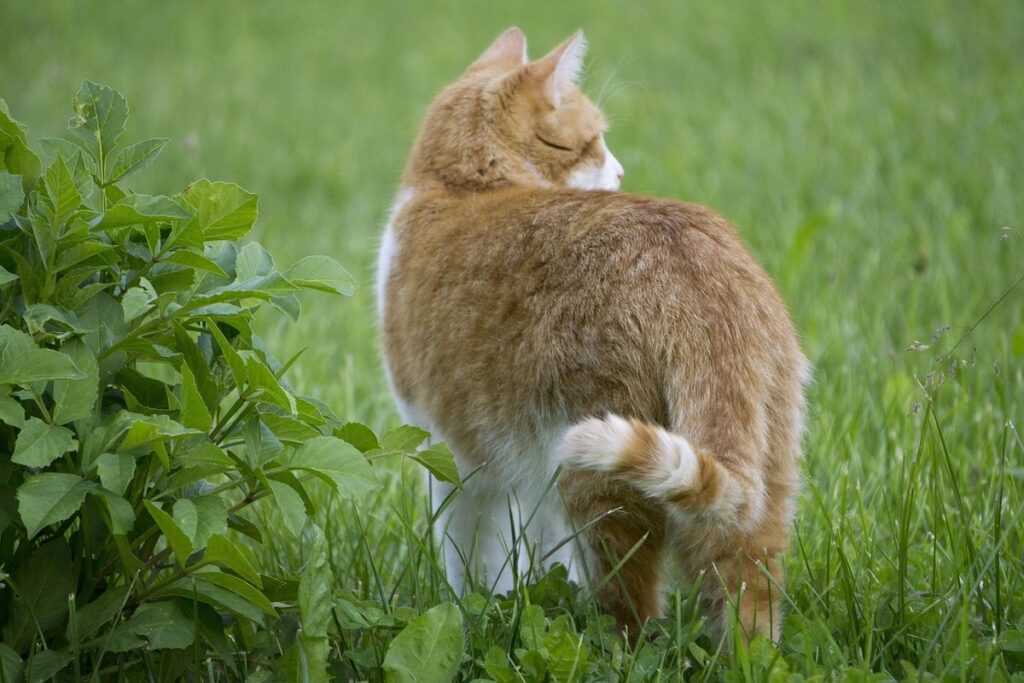
Understanding Feline Behavior and Motivations
To effectively deter cats from pooping in your garden, it’s essential to understand what motivates them to do so in the first place. This often revolves around instinctual behavior.
Why Cats are Attracted to Gardens
Cats are naturally drawn to gardens due to several reasons. One of the primary motivations is scent marking. Cats have scent glands located on their faces, near their whiskers, and on their paws. They use these glands to leave behind a pheromone signature that signals other cats to stay away or to mark the territory as their own. If your garden smells like cat urine, it’s likely attracting more cats to the area.
Another reason why cats are attracted to gardens is their hunting instincts. Cats are natural predators and enjoy stalking prey in outdoor environments. Even if there aren’t any actual prey in your garden, a cat may still be drawn to the sense of thrill and excitement that comes with exploring a potentially hazardous environment.
Cats also seek shelter and protection from the elements. Gardens can provide a safe haven for them to hide, hunt, or mark their territory. This is why you often see cats hiding behind bushes, under decks, or in other secluded areas within gardens.
Identifying High-Risk Areas in Your Garden
When it comes to identifying high-risk areas in your garden that may attract cats, there are several key factors to consider. One of the most obvious is the presence of catnip, which can be a major draw for felines. If you have flower beds or patches of ground cover that contain catnip, it’s likely these areas will become a hotspot for cat activity.
Another consideration is rodent activity in your garden. Cats are natural predators and will often seek out areas with high prey populations to hunt and eat. This can include mice, rabbits, and other small rodents. Areas with dense vegetation or hiding spots may also be appealing to cats as they provide shelter and cover for their hunting activities.
To assess the risk of these areas becoming cat toilets, take note of any existing cat activity in your garden, such as footprints, scratch marks, or scattered litter. Observe the behavior of local cats, including where they spend most of their time and what type of vegetation they tend to favor. By understanding these patterns, you can better target your deterrent efforts and reduce the likelihood of unwanted cat waste in your garden.
Establishing a Barrier Between Cats and Gardens
To keep those unwanted feline visitors from ruining your garden, let’s start by setting up an effective barrier between them. This can be as simple as installing a physical fence around your plants.
Physical Barriers: Fencing and Netting Options
When it comes to deterring cats from entering your garden, physical barriers are an effective solution. Fencing and netting options can be used to block access to your plants while maintaining a visually appealing landscape.
Consider installing chicken wire or hardware cloth fencing around your garden beds. This material is durable, easy to install, and affordable. However, it may not be the most aesthetically pleasing option, so choose locations wisely.
For a more attractive solution, consider using plastic or metal mesh panels. These come in various styles and can blend seamlessly into your garden design. However, they may require more maintenance than other options and can be prone to sagging over time.
Netting is another effective option for deterring cats from entering specific areas of your garden. You can attach netting to existing fencing or install it as a standalone barrier. Look for materials with small openings (less than 1 inch) to prevent even the smallest feline visitors from slipping through.
When selecting any physical barrier, consider factors such as durability, maintenance requirements, and aesthetics. Ensure that the material you choose will withstand various weather conditions and can be easily cleaned or replaced when needed.
Using Repellents and Deterrents
Using commercial repellents can be an effective way to deter cats from pooping in your garden. These products usually contain ingredients like citrus, peppermint, and vinegar that are unpleasant for cats. Spray them directly on plants, around the perimeter of your garden, or along pathways where cats frequent.
When choosing a commercial repellent, read labels carefully as some may contain toxic chemicals that can harm pets, children, or contaminate soil. Always follow instructions for application and reapplication to avoid harming beneficial insects like bees and butterflies.
You can also create your own homemade deterrent using natural ingredients. Mix equal parts water and white vinegar in a spray bottle and add a few drops of citrus essential oil. Spray this solution around plants or along pathways, but be aware that cats may develop a tolerance over time.
Consider combining commercial repellents with homemade remedies for enhanced effectiveness. For example, you can sprinkle cayenne pepper or chili powder around plants to deter cats.
Training Your Cat to Use Alternative Litter Areas
If you’re struggling to keep your cat from pooping in the garden, training them to use alternative litter areas is a crucial step. We’ll show you how to make this transition as smooth as possible for both you and your feline friend.
Creating a Designated Litter Box Area
Designating a specific area for your cat’s litter box is crucial to prevent them from pooping in other areas, including your garden. Cats are creatures of habit and prefer to use the same location consistently. By providing a designated litter box area, you can encourage your cat to avoid using your garden as their personal toilet.
When choosing a location for your cat’s litter box, consider a quiet and private spot where your cat feels safe and secure. Avoid placing it near their food or water bowls, as this can cause them to associate the area with eating rather than elimination. A location away from high-traffic areas is also essential to minimize distractions and stress.
The size of the litter box should be at least 1.5 times the length of your cat, allowing them enough space to turn around comfortably. As for the type of litter, choose a non-toxic and odor-free option that your cat finds comfortable to walk on. Encourage your cat to use this designated area by placing their favorite toys or treats nearby, making it an inviting spot for them to do their business.
Gradually Phasing Out Garden Use
As you begin the process of training your cat to use alternative litter areas, it’s essential to phase out garden use gradually. This will help prevent accidents and reduce stress for both you and your feline friend.
Start by designating a specific area indoors or outdoors as the new litter zone. Place the litter box in this designated area and encourage your cat to use it by placing them inside after meals or playtime. As they become more comfortable with the new location, begin to limit access to the garden by installing a fence or gating off the area.
To make the transition smoother, maintain the same type of litter in both the old and new locations. This will help your cat adjust to the change without experiencing discomfort or anxiety due to different textures.
Managing Your Cat’s Access to the Garden
Now that we’ve covered deterrent methods, let’s focus on managing your cat’s access to the garden to prevent unwanted messes from occurring in the first place.
Supervising Your Cat in the Garden
When it comes to supervising your cat in the garden, it’s essential to strike a balance between giving them freedom and protecting your outdoor space. As cats are notorious for their independence, they may often test boundaries by pooping in areas you’ve specifically cleaned or designated as off-limits.
To monitor your cat’s behavior while they’re in the garden, make it a habit to keep an eye on them from a distance. Watch out for signs that might indicate they need more attention, such as sniffing around suspiciously or trying to scratch at plants. By being attentive and present, you can intervene promptly if you notice any misbehaving.
Create a safe and enjoyable outdoor experience by setting up designated areas for your cat to relax and play. This could be a shaded spot with some toys or scratching posts, allowing them to engage in natural behavior without posing a threat to your garden. By doing so, you’ll be able to give your cat the freedom they crave while protecting your prized flowers and veggies from unwanted “deposits.”
Implementing Restricted Access
Implementing restricted access is a crucial step in deterring cats from pooping in your garden. Start by identifying high-risk zones, such as areas with dense foliage or near food sources like bird feeders. Use physical barriers to block off these zones – gates or screens are effective options. Consider installing a motion-activated sprinkler near the entrance of these restricted areas to deter curious cats.
When implementing restricted access, communicate with your neighbors and other stakeholders to ensure everyone is on the same page. If you live in a multi-cat household, work together with your family members to establish clear rules for accessing certain areas. Consider installing signs or markings to clearly indicate which zones are off-limits.
If you’re sharing a garden fence with a neighbor, discuss ways to restrict access through shared fences. You might consider installing a cat-deterrent system like ultrasonic repellent devices or even catio-style enclosures to keep cats out. Effective communication will help prevent conflicts and ensure everyone is working towards the same goal: a poop-free garden!
Maintaining Your Garden’s Health and Appearance
Once you’ve successfully deterred cats from pooping in your garden, maintaining its health and appearance is crucial to prevent damage and ensure it looks its best year-round.
Dealing with Accidents and Clean-Up
If you’re unfortunate enough to encounter an accident in your garden, don’t panic. Accidents happen, and a quick response can make all the difference in minimizing damage and preventing future occurrences. First and foremost, scoop up as much of the waste as possible using gloves or a shovel. Wear protective clothing to avoid coming into contact with any bacteria that may be present.
Next, focus on thoroughly cleaning the area using pet-safe cleaner or soap. Rinse the area well to remove any remaining waste and odors. If you’re concerned about lingering scents attracting other cats, consider sprinkling a small amount of vinegar or baking soda over the affected area. Allow the solution to sit for 10-15 minutes before rinsing.
To minimize long-term damage, take care not to compact the soil as you clean up. Instead, gently loosen it with your fingers or a fork to prevent further settling and root growth disruption. Finally, replace any plants that may have been affected by making sure to disinfect their containers first.
Keeping Your Cat Healthy and Happy
When it comes to deterring cats from pooping in your garden, it’s essential to consider the bigger picture: keeping your cat healthy and happy. Cats that are well-cared for are less likely to engage in undesirable behavior like defecating in your garden.
Regular veterinary check-ups are crucial to ensure your cat is receiving proper medical care. Consult with your veterinarian to create a schedule of vaccinations, dental cleanings, and health checks tailored to your cat’s age, breed, and health status. Proper nutrition also plays a significant role in maintaining your cat’s overall well-being. Feed a balanced diet that meets your cat’s nutritional needs, and avoid overfeeding or underfeeding.
In addition to regular veterinary care and proper nutrition, provide your cat with plenty of exercise opportunities through playtime and mental stimulation. Engage your cat in activities like chasing toys or climbing structures to burn off excess energy. By prioritizing your cat’s health and happiness, you’ll be more likely to prevent unwanted behavior like pooping in the garden.
Conclusion: A Balanced Approach to Feline-Friendly Gardening
Now that you’ve learned effective ways to deter cats from pooping in your garden, it’s time to consider a balanced approach that harmoniously coexists with our feline friends. We’ll explore what this means for your gardening space and beyond.
Integrating EEAT Principles into Your Strategy
As you’ve learned various strategies for deterring cats from pooping in your garden, it’s essential to ensure that your approach is both effective and trustworthy. This is where integrating EEAT principles comes into play. By embracing Expertise, Experience, Authoritativeness, and Trustworthiness, you can establish credibility with readers and demonstrate your commitment to providing practical solutions.
When sharing your gardening expertise with others, emphasize the importance of experience in finding long-term solutions for cat-deterrents. For instance, share case studies or testimonials from fellow gardeners who have successfully implemented deterrent methods in their own gardens. As you build a reputation as an authoritative voice on feline-friendly gardening, readers will be more inclined to trust your recommendations.
To incorporate trustworthiness into your approach, provide actionable tips and step-by-step guides for implementing cat-deterrent strategies. Be transparent about the effectiveness of each method, highlighting any limitations or potential drawbacks. By doing so, you’ll establish a sense of reliability with readers and foster a trusting relationship that encourages them to take action in their own gardens.
Final Tips for Success
As you near the end of implementing your cat-deterrent strategies, it’s essential to remember that success is not a one-time achievement but rather an ongoing process. To keep those pesky critters from targeting your garden, be patient and persistent.
Continuously evaluate and adjust your approach as needed to ensure effectiveness. For instance, if you’ve placed deterrent granules around the perimeter of your garden and noticed that cats are still sneaking in, it may be time to switch up your tactics. Consider combining methods or introducing new ones, such as using repellent sprays on individual plants.
Also, keep a close eye on your garden’s layout. Are there areas where cats seem more inclined to leave their “presents”? Rearrange or replant these sections to create a less appealing environment for our feline friends. By being proactive and adaptable, you’ll be better equipped to maintain a cat-free zone in your garden.
Frequently Asked Questions
How can I tell if my cat is using the garden as a litter box out of instinct or due to a health issue?
If your cat is consistently pooping in the same spot in your garden, it’s likely related to either scent marking or hunting instincts. However, if you notice other signs such as vomiting, diarrhea, or blood in stool, it may indicate an underlying health problem. Consult with your veterinarian to rule out any health issues and address them before implementing deterrents.
Can I use a combination of physical barriers and repellents to keep my cat out of the garden?
Yes, using a multi-faceted approach is often the most effective way to deter cats from pooping in your garden. By combining physical barriers such as fencing or netting with repellents like citrus peels or sticky tape, you can create a comprehensive defense system that minimizes the chances of your cat accessing the area.
How do I handle accidents and clean-up when my cat does still manage to poop in the garden?
When dealing with accidents, it’s essential to scoop up the feces immediately to prevent attracting more cats. Wear gloves and thoroughly disinfect the area with a mixture of water and white vinegar to remove any lingering scents that might attract your cat or other felines.
Can I use commercial repellents that contain chemical deterrents?
While some commercial repellents may provide temporary relief, they can often have unintended consequences such as harming your garden’s ecosystem. Instead, opt for natural repellents like citrus peels, vinegar, or sticky tape to create a safe and non-toxic barrier between your cat and the garden.
How long does it take to notice results from using deterrents?
The effectiveness of deterrents can vary depending on factors such as the type of deterrent used, the frequency of use, and the individual cat’s behavior. However, with consistent effort and patience, you may start noticing a decrease in your cat’s visits to the garden within 1-2 weeks. Be sure to monitor your cat’s behavior closely and adjust your strategy as needed to achieve optimal results.