
Are you ready to grow and enjoy your own delicious homegrown garlic? Harvesting garlic at the right time is crucial for maximizing flavor and freshness. But when do you know it’s the perfect moment to dig in and bring those succulent bulbs to life? Choosing the ideal timing, preparing your bed just so, and storing your harvested treasures properly are all essential steps that can make or break the success of your garlic crop.
In this comprehensive guide, we’ll walk you through everything you need to know about harvesting garlic like a pro. From determining when it’s time to harvest to tips on how to store your bulbs for optimal flavor and freshness, we’ve got you covered. Whether you’re a seasoned gardener or just starting out, our expert advice will have you harvesting the perfect bulb every time.
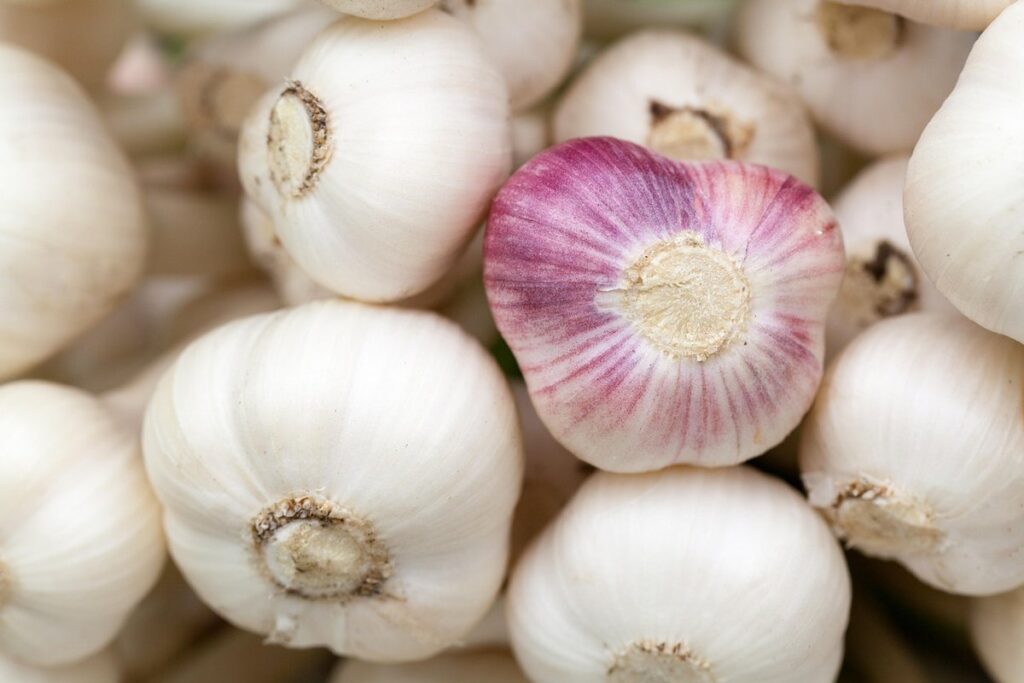
Choosing the Right Time for Garlic Harvesting
Timing is everything when it comes to harvesting garlic, and getting it right can make all the difference in flavor and quality. Let’s explore how to determine the perfect time to harvest your garlic crop.
Determining Maturity through Visual Inspection
When checking for maturity through visual inspection, it’s essential to look for signs that indicate the garlic bulbs are ready to be harvested. One of the most telling indicators is a dry top – if the green shoots have wilted and turned brown, this means the bulb has stopped growing and is mature.
Another key sign is a hard neck, where the individual cloves separate easily from each other. Check for a firm, solid texture by gently squeezing the bulb; if it feels soft or squishy, it’s not yet ready to be harvested.
Look for the tops of the garlic plants to have turned brown and wilted, this indicates that the plant has finished growing and the bulbs are mature. If you’re still unsure, carefully dig up a few of the bulbs to inspect them – if they’re large enough and have formed well-defined cloves, it’s time to harvest.
By checking for these visual signs, you can determine with a reasonable degree of certainty when your garlic is ready to be harvested. Remember that it’s always better to err on the side of caution and wait a bit longer than risk harvesting too early and ending up with underdeveloped bulbs.
Checking Soil Moisture Levels
When checking soil moisture levels, it’s essential to do so before harvesting garlic. You can use a simple method like inserting a finger into the soil up to the knuckle and feeling for moisture. Another way is to dig a small hole and check the depth of the water table. If the soil feels dry or crumbly, it may be time to harvest your garlic.
However, if you’re planning to harvest during a period of dry weather, consider waiting until after a light rainfall has rehydrated the soil. This will make the bulbs easier to separate and reduce the risk of damage. Aim for a moisture level that’s around 60-70% for optimal flavor and quality.
In regions with low rainfall or high evaporation rates, it’s crucial to monitor soil moisture closely before harvesting. Avoid harvesting during periods of extreme dryness, as this can lead to poor yields and lower bulb quality. Instead, wait until the weather conditions improve, and the soil has reached a suitable moisture level for easy separation and harvesting.
Preparing the Garlic Bed for Harvest
Before you can harvest your garlic, it’s essential to prepare the bed by loosening the soil and removing any weeds that may be competing with your bulbs. This simple step will make a big difference in the quality of your final crop.
Clearing the Area of Debris
Before you can start harvesting your garlic, it’s essential to clear the area around the plants. This may seem like a minor task, but trust us, it makes all the difference in making the process smoother and more efficient. Start by removing any debris or weeds that have accumulated around the plants. Weeds can compete with the garlic for water and nutrients, while debris can make it harder to access the bulbs.
Take a moment to inspect each plant carefully and remove any dead or dying leaves. This will not only help prevent the spread of disease but also ensure that your garlic is exposed to sunlight, which is crucial for its growth. Use a garden fork or trowel to gently loosen the soil around each plant, making it easier to access the bulbs.
Once you’ve cleared the area, take a step back and admire your hard work! A clean and debris-free space will make it much simpler to harvest your garlic without causing damage to the plants.
Using Garden Tools for Easy Harvesting
When it’s time to harvest garlic, having the right tools can make all the difference. A specialized fork, also known as a garlic fork, is designed specifically for this task. Its long tines and curved shape allow you to gently loosen the bulbs from the soil without damaging them.
Using a fork is especially important when harvesting individual cloves or small quantities of garlic, as it helps prevent breaking off delicate tops and exposing the cloves to potential damage. A sharp knife can also be used for more precise cutting, but be cautious not to apply too much pressure, which could bruise the bulbs.
Some gardeners prefer using a fork with a long handle, which provides greater leverage and makes it easier to dig up the garlic without straining your back. Others swear by smaller, handheld forks that allow for more precise control when harvesting small quantities of garlic.
How to Dig Up Garlic Bulbs Without Damaging Them
When digging up garlic bulbs, it’s easy to accidentally damage them. This crucial step is actually quite simple once you know the right techniques to avoid harming your precious cloves.
Carefully Loosening the Soil around the Plants
When loosening the soil around each garlic plant, it’s essential to take a gentle and cautious approach. You’ll want to carefully remove any debris, such as weeds or twigs, that may be growing near the base of the plants. Start by gently inserting your fingers into the soil about an inch away from the stem of the garlic plant.
Next, use your hands or a garden fork to loosen the soil around the plant, working your way outward in a circular motion. Be careful not to gouge or tear at the surrounding soil, as this can damage the delicate roots of the garlic bulb. As you work, try to remove as much of the topsoil as possible, taking care not to disturb the underlying cloves.
To avoid damaging the plant’s roots, it’s also crucial to maintain a consistent depth while loosening the soil. Aim for about 2-3 inches deep, depending on the size and type of garlic you’re growing. By carefully loosening the soil around each plant, you’ll be able to gently lift out the entire bulb without causing any damage or breaking apart the cloves.
Gently Pulling Up the Garlic Bulbs
When you’ve carefully loosened the soil around the garlic bulbs with a fork, it’s time to gently pull them up. Hold the foliage of each bulb between your thumb and index finger, taking care not to grab too tightly and cause damage.
Begin by carefully inserting your fingers into the space between the plants, feeling for the base of the bulb. Once you’ve located it, slowly and gently lift upwards, using a gentle prying motion with your fingers. If the bulb resists or seems reluctant to come out, don’t force it – instead, work your way around the bulb, carefully loosening any remaining soil and trying again.
To avoid bruising or breaking the bulbs, try to pull them up rather than lifting from the crown (the top part of the bulb). This will help you maintain control over the fragile roots and prevent damage. If a bulb does break off at the base, don’t worry – simply trim the damaged section with scissors before storing it for later use.
As you lift each bulb, take care not to expose them to direct sunlight or heat sources, which can cause the delicate bulbs to dry out quickly.
Handling and Storing Harvested Garlic
Now that you’ve harvested your garlic, it’s essential to store it properly to maintain its flavor and longevity. This next step will show you how to handle and care for your fresh harvest.
Cleaning and Curing the Garlic
Cleaning and curing the garlic after harvesting is a crucial step to prevent decay and preserve its quality for longer periods. This process helps to dry out the skin, preventing moisture from entering the bulb and causing rot.
To clean the harvested garlic, gently brush off any loose dirt or debris using a soft-bristled brush or a clean cloth. Avoid washing the garlic under running water, as this can cause damage to the delicate skin. Instead, use a damp cloth to wipe down each clove, paying extra attention to areas where the cloves are attached to the stem.
For curing, spread out the cleaned garlic in a single layer on a wire rack or tray, allowing for good air circulation around each bulb. You can also hang them upside down in small bunches, making sure they’re not touching each other. Keep the area cool and dry, with temperatures between 60°F to 70°F (15°C to 21°C). After 2-3 weeks, the garlic should be completely dry and ready for storage.
By following this simple process, you can enjoy your homegrown garlic for months to come!
Storage Methods and Tips
When it comes to storing harvested garlic, choosing the right method is crucial for maintaining its flavor and aroma. One popular option is storing it in mesh bags or nets, which allow for airflow while keeping moisture at bay. This helps prevent fungal growth and keeps the bulbs dry.
Another approach is using baskets or containers with good ventilation. You can place the bulbs in a single layer, allowing for air circulation between each one. Make sure to keep the storage area away from direct sunlight, as it can cause the garlic to sprout or become discolored.
To maintain optimal humidity levels, you’ll want to store your harvested garlic in an area with a relative humidity of 50-60%. This can be achieved by placing the storage container in a cool, dry location, such as a pantry or cupboard. Avoid storing garlic near heat sources or areas prone to moisture, like basements or laundry rooms.
Regular monitoring is key to ensuring the quality and longevity of your stored garlic. Check on it every week or two, removing any bulbs that show signs of spoilage or damage.
Post-Harvest Care and Next Steps
Now that you’ve harvested your garlic, it’s time to think about what comes next: caring for your bulbs and planning for future harvests. We’ll walk you through both of these essential steps.
Allowing Garlic to Cure Further
Allowing garlic to cure further is an essential step in ensuring that your harvest remains healthy and flavorful. When you harvest garlic, it’s typically 80-90% dry, but allowing it to cure for a few more weeks can make a significant difference. During this time, the remaining moisture content will decrease, making the garlic easier to store and use.
Think of curing like giving the garlic a chance to relax and recover after its intense growth period. This process is also known as drying or post-harvest drying. You can cure your harvested garlic in a few different ways: air-drying, tying them in small bunches and hanging upside down, or laying them flat on paper bags or newspaper in a dry area.
Curing will typically take 2-4 weeks, depending on the climate and humidity levels where you live. The goal is to reduce the moisture content from around 10% to below 6%. When your garlic is properly cured, it will be easier to store for longer periods without spoiling or developing mold.
Preparing Garlic for Long-Term Storage
Preparing garlic for long-term storage is a crucial step that ensures the bulbs remain fresh and usable throughout the year. After harvesting, it’s essential to take some steps to dry and prepare the garlic for storage. One method is air drying, where you hang the garlic bulbs upside down in a warm, well-ventilated area with low humidity. This helps to dry out the outer skin, which can cause spoilage if left damp.
Another approach is tying the garlic bulbs in bunches, allowing them to dry naturally. Simply thread a string or twine through the neck of each bulb and hang them upside down. This method is ideal for larger quantities and can be done using a drying rack or hook.
For those who prefer to freeze their garlic, you can store individual cloves separately. Simply peel the cloves, place them on a baking sheet lined with parchment paper, and put it in the freezer until frozen solid. Transfer the frozen cloves to an airtight container or freezer bag for long-term storage. Regardless of the method chosen, make sure to keep the garlic away from direct sunlight and moisture to maintain its quality.
Frequently Asked Questions
How do I know if I’ve harvested my garlic at the right time?
If you’re unsure whether your garlic is ready to harvest, try checking for a dry top – if the green shoots have wilted and turned brown, this means the bulb has stopped growing and is mature. If you still can’t determine the perfect time, consider harvesting when 6-8 weeks of growth have passed.
Can I store harvested garlic in its bulb form or must it be separated?
For optimal storage, separate the individual cloves from the bulb after harvest. This will prevent moisture from accumulating within the bulbs and causing rot or sprouting. To do this, gently loosen the soil around each plant and then pull up the entire bulb.
How should I handle garlic that has started to sprout during storage?
If you notice your stored garlic starting to sprout, it’s essential to address the issue promptly. Simply trim off any green shoots, making sure not to damage the surrounding cloves. Then, return the garlic to its storage container and ensure good air circulation to prevent further moisture accumulation.
Can I store garlic in a paper bag or do I need specialized containers?
While paper bags can provide some protection against moisture, they may not be enough to keep your garlic fresh for an extended period. For longer-term storage, consider using breathable containers like mesh bags or ventilated plastic bins to maintain optimal humidity levels and prevent spoilage.
What’s the best way to prevent garlic from forming mold during curing?
To minimize the risk of mold developing during the curing process, ensure good air circulation by keeping your harvested garlic in a dry, well-ventilated area. Also, avoid storing garlic in direct sunlight or near heat sources, as this can cause moisture to accumulate and encourage fungal growth.