
Are you ready to add a pop of color to your garden with one of the easiest-to-grow flowers around? Growing zinnias is a great choice for beginners and experienced gardeners alike, as they require minimal maintenance and care. But before you can enjoy their beautiful blooms all season long, you need to know how to grow them successfully from seed to flower. In this article, we’ll walk you through the process of selecting the perfect variety of zinnias for your garden, preparing the soil, sowing seeds at the right time, and providing the necessary care techniques to ensure a bountiful harvest of vibrant flowers that will brighten up any space. Whether you’re looking to attract pollinators or simply want some gorgeous blooms in your yard, we’ve got you covered!
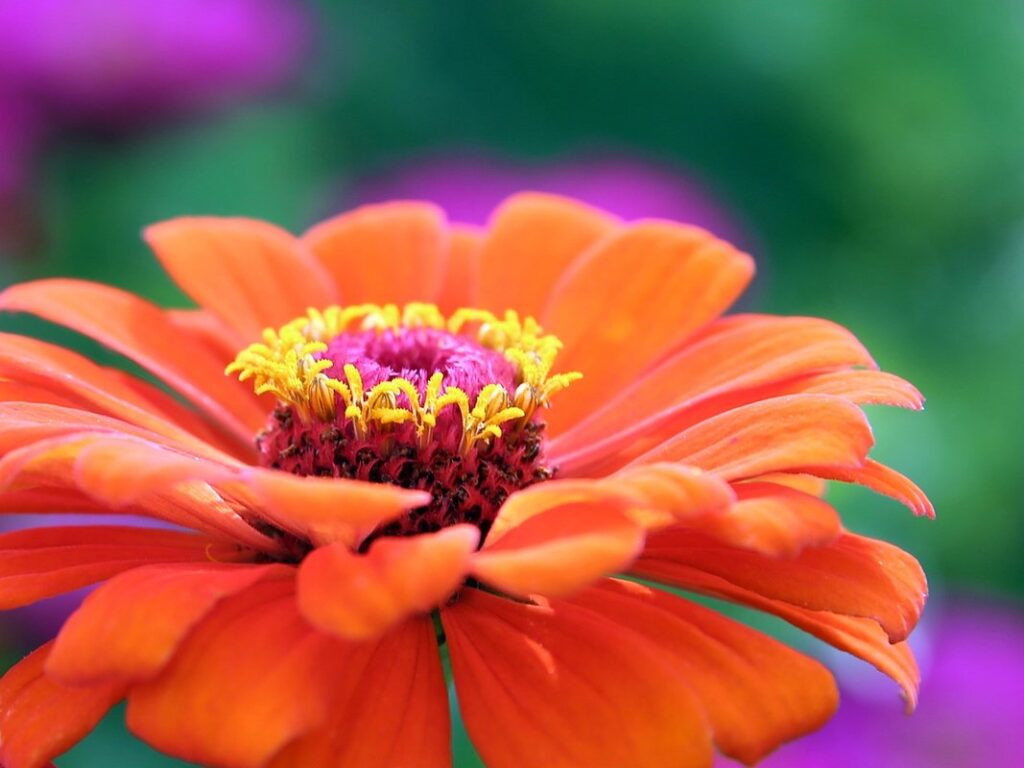
Choosing the Right Variety
When it comes to growing zinnias, choosing the right variety is crucial for success, as different types thrive in various conditions and produce unique blooms. Consider factors like growth habits, bloom times, and colors when selecting your zinnia variety.
Selecting Zinnia Types for Your Climate
When selecting zinnia types for your climate, it’s essential to choose varieties that thrive in your specific region. There are three primary categories of zinnias: cutting, bedding, and mix.
Cutting zinnias are bred specifically for their long-lasting stems and large blooms, making them perfect for cutting gardens and arrangements. These varieties typically grow taller (around 3-4 feet) and come in a range of colors. If you live in an area with mild winters, consider growing ‘Candy Cane’ or ‘State Fair’, which are popular cutting zinnia varieties.
Bedding zinnias, on the other hand, are ideal for adding a pop of color to your garden beds and borders. These compact varieties (usually under 2 feet tall) come in an assortment of colors and bloom sizes. If you’re growing zinnias in a warmer climate, look into ‘Giant Cactus Flower’ or ‘Lilliputian’.
Mix varieties offer a blend of cutting and bedding characteristics, providing a mix of stem length and color options. These versatile plants are suitable for areas with moderate winters.
When selecting a variety, check the seed packet or plant tag for specific growing requirements, including hardiness zones and sun exposure needs. This will ensure you choose zinnias that can thrive in your local climate.
Factors to Consider When Selecting a Variety
When selecting a zinnia variety, it’s essential to consider several factors that will impact its performance and beauty in your garden. First and foremost, think about the growth habits of the variety you’re interested in. Some zinnias are compact and bushy, while others can grow quite tall, requiring staking or support. If you have a small garden bed or want to add a pop of color to a container, look for varieties like ‘State Fair’ or ‘Purple Flame’, which stay relatively short.
Consider the bloom size as well. Do you prefer statement flowers that draw attention, or smaller blooms that create a lush carpet effect? Zinnia varieties come in an array of sizes, from 2-6 inches in diameter. Larger blooms like ‘Candy Cane’ or ‘Giant Canary Yellow’ are perfect for making a bold impact.
Don’t overlook disease resistance, either. Some zinnias are more prone to powdery mildew or leaf spot than others. Look for varieties bred specifically for their resistance to common zinnia diseases, such as ‘Sahara’ or ‘State Fair’. By taking these factors into account, you can choose a variety that thrives in your specific growing conditions and brings joy to your garden all season long.
When selecting a zinnia variety, be sure to also consider its color palette. Some varieties offer a single bold hue, while others showcase an array of colors on each bloom. For example, ‘Raspberry Ruffles’ has delicate pink petals with white stripes and yellow centers. This can add an extra layer of interest to your garden beds and borders.
Another crucial factor is the variety’s hardiness and heat tolerance. Some zinnias are bred for their ability to withstand high temperatures and drought conditions, making them perfect for warm climates or areas with limited watering schedules. On the other hand, some varieties prefer cooler temperatures and consistent moisture levels. Knowing the specific needs of your chosen variety will help you provide it with the best growing conditions.
Finally, think about how long you want your zinnias to bloom. Some varieties produce flowers for several months, while others have a shorter blooming season. If you’re looking for a continuous display of color throughout the summer, look for varieties like ‘Zahara’ or ‘Sensation’.
Preparing the Soil
Before you start planting your zinnia seeds, it’s essential to prepare the soil for optimal growth. This includes loosening and aerating the dirt to ensure healthy root development.
Understanding Zinnia Soil Requirements
When it comes to growing zinnias, one of the most crucial aspects is understanding their specific soil requirements. Zinnias are native to tropical and subtropical regions, which means they thrive in warm, well-draining soils with a slightly acidic pH.
The ideal pH range for zinnia growth falls between 6.0 and 7.0, making them relatively adaptable to most garden soils. However, if your soil tends towards the alkaline side (pH above 8.0), you may need to add some organic matter like compost or well-rotted manure to lower the pH.
In terms of nutrient requirements, zinnias are heavy feeders and benefit from a balanced fertilizer application at planting time. A general-purpose fertilizer with a 10-10-10 N-P-K ratio will suffice. Additionally, regular side-dressing with a high-phosphorus fertilizer (such as bone meal or alfalfa meal) can promote root development and flowering.
Drainage is also crucial for zinnia growth, as these plants are susceptible to root rot in waterlogged soils. Ensure your soil drains excess moisture quickly by incorporating organic matter or perlite into the mix. By meeting these basic requirements, you’ll be well on your way to growing healthy, vibrant zinnias.
Amending the Soil for Optimal Growth
When growing zinnias, it’s essential to amend the soil to meet their needs. These vibrant flowers thrive in well-draining, fertile soil that’s rich in organic matter. To achieve this, start by adding a 2-3 inch layer of compost or well-rotted manure to the bed. This will not only improve the soil structure but also provide essential nutrients for healthy growth.
You can also mix in a balanced fertilizer at the recommended rate to give your zinnias an extra boost. A general-purpose fertilizer with a ratio of 10-10-10 (nitrogen-phosphorus-potassium) is suitable for most varieties. However, if you’re growing zinnias in poor soil, consider adding a high-phosphorus fertilizer to promote blooming.
Other amendments like bone meal or alfalfa meal can also be beneficial. These slow-release fertilizers provide phosphorus and nitrogen, respectively, which are crucial for root development and flower production. Remember to follow the manufacturer’s instructions when applying these products to avoid over-fertilizing your zinnias. By incorporating these organic matter and fertilizers into your soil, you’ll be well on your way to growing vibrant, healthy zinnias that thrive in their new environment.
Sowing Zinnia Seeds
When sowing zinnia seeds, it’s essential to follow a few key steps to ensure healthy germination and successful growth. Let’s dive into the specifics of sowing these beautiful flowers.
Timing and Sowing Techniques
When it comes to sowing zinnia seeds, timing is everything. The ideal time to sow zinnia seeds depends on your region and the climate you’re in. In general, it’s best to sow zinnia seeds 2-4 weeks after the last frost date in spring or early summer when the soil has warmed up to at least 60°F (15°C). This allows the seedlings to establish themselves before the heat of summer sets in.
To ensure successful germination and growth, sow your zinnia seeds about ¼ inch deep and 6-8 inches apart. Sowing too deeply can lead to poor germination or weakened seedlings, while sowing too close together can cause overcrowding and reduce air circulation. You can also start zinnia seeds indoors in seed trays or small pots and then transplant them outside when they have 2-3 sets of leaves.
When sowing directly into the garden bed, make sure to firm the soil gently but firmly over the seeds to ensure good contact with the growing medium. Water the area thoroughly after sowing and keep the soil consistently moist during the first few weeks after sowing. By following these timing and sowing techniques, you’ll be well on your way to growing vibrant and healthy zinnias in your garden.
Starting Zinnias Indoors vs. Direct Sow
Starting zinnia seeds indoors versus direct sowing is a crucial decision that depends on several factors, including your climate, available space, and level of control. When you start zinnias indoors, you have more control over the growing conditions, such as temperature, light, and soil quality. This method allows for earlier germination and transplanting into larger pots or directly into the garden when the weather warms up.
However, direct sowing is a simpler and more cost-effective approach, requiring minimal equipment and space. It also allows zinnias to develop their root system in place, making them less prone to transplant shock. If you live in an area with mild winters or long growing seasons, direct sowing can be a viable option.
Consider the following factors: if you have limited indoor space or prefer not to handle delicate seedlings, direct sowing might be the way to go. On the other hand, if you want more control over the germination process and can provide ideal conditions for your zinnias, starting seeds indoors could yield better results.
Caring for Zinnias
To keep your zinnia blooms vibrant and healthy, learn how to properly care for them by providing the right amount of water, sunlight, and nutrients. This is crucial for their overall growth.
Watering and Fertilization Needs
When it comes to watering and fertilizing zinnias, it’s essential to get it right to ensure these vibrant flowers thrive. Zinnias require consistent moisture, especially during the first few weeks after transplanting. Water them when the top inch of soil feels dry to the touch, usually every 2-3 days in hot weather and less often in cooler conditions.
However, be cautious not to overwater, as this can lead to root rot and other problems. A general rule is to water your zinnias in the morning, allowing the plants to absorb the moisture throughout the day. This helps prevent fungal diseases that thrive in moist environments.
Fertilization is also crucial for optimal growth and blooming. Feed your zinnias with a balanced fertilizer (10-10-10 NPK) once a month. You can also side-dress with a high-phosphorus fertilizer (10-20-10 NPK) to promote more blooms. For example, if you want to encourage longer stems and bigger flowers, apply a 5-10-10 NPK fertilizer during the first week of July.
Keep in mind that zinnias are heavy feeders and require regular fertilization to maintain their vibrant colors and robust growth.
Managing Common Pests and Diseases
Zinnias are susceptible to various pests and diseases that can damage their foliage and flowers. One of the most common pests affecting zinnias is aphids. These tiny insects feed on plant sap, causing curled or distorted leaves. To manage aphid infestations, spray your plants with a strong jet of water to dislodge them. Alternatively, use neem oil or insecticidal soap to kill the aphids.
Another common pest is whiteflies, which can be controlled using sticky traps or yellow sticky cards placed near the plants. These insects feed on plant sap and can transmit diseases. Regularly inspect your plants for signs of infestation and take action promptly.
Powdery mildew is a fungal disease that affects zinnias, particularly in humid environments. To prevent powdery mildew, ensure good air circulation around the plants and avoid overhead watering, which can spread the spores. Remove any infected leaves or stems to prevent the fungus from spreading further.
Regularly inspect your zinnia plants for signs of pests or diseases, and take action promptly to prevent infestations from getting out of control.
Encouraging Blooming and Growth
Now that you’ve got your zinnia seeds sown, it’s time to focus on creating an environment that encourages them to burst into bloom. This means giving them the right conditions for growth.
Providing Support for Tall Zinnia Varieties
As you’re growing tall zinnia varieties, it’s essential to provide support to prevent stem breakage and promote healthy growth. Tall zinnias can grow up to 3-4 feet tall, making them prone to wind damage and flopping over.
To ensure their stability, consider providing stakes or a trellis for the plants to lean against. You can also use tomato cages or plant clips to hold the stems upright. Make sure to gently tie the stems to the support using soft materials like twine or fabric strips.
For added protection, you can create a mini greenhouse effect by placing a row cover or a sheet of burlap over the plants during strong winds. This will shield them from harsh weather conditions and prevent damage to the flowers.
By providing adequate support, you’ll not only protect your zinnia plants but also encourage healthy growth and promote blooming. This simple step can make all the difference in maintaining a thriving and vibrant garden.
Techniques for Promoting Blooming and Growth
To promote blooming and growth in your zinnia plants, it’s essential to employ various techniques that encourage healthy development. One of the most effective methods is deadheading, which involves removing spent flowers from the plant to redirect energy towards producing new blooms. This technique not only extends the flowering period but also encourages bushy growth.
Pruning is another crucial aspect of promoting blooming and growth in zinnias. Regular pruning helps control the plant’s height, shape, and promotes a fuller appearance. Prune your zinnia plants when they reach about 6-8 inches tall to encourage branching and more blooms. Make clean cuts just above a node, using sharp and sterile pruning tools.
Adequate sunlight is also vital for promoting blooming and growth in zinnias. Provide your plants with full sun, at least 4-5 hours of direct sunlight per day, to ensure optimal flowering. Avoid planting zinnias in shaded areas as this can lead to weak and leggy stems, resulting in fewer blooms.
By implementing these techniques, you’ll be well on your way to growing healthy and vibrant zinnia plants that will thrive throughout the season.
Harvesting and Storing Zinnias
Now that you’ve nurtured your zinnia blooms, it’s time to harvest them at their peak freshness for a vibrant bouquet or cut arrangement. Learn how to dry and store zinnias for long-lasting enjoyment.
Cutting and Drying Flowers
Cutting and drying flowers is an essential step to preserve zinnias for later use. To cut zinnia flowers, choose stems with no signs of wilting or browning, as this can affect the flower’s vase life. Cut the stems at a 45-degree angle using sharp pruning shears to promote better water uptake.
For drying, you can either air-dry, use silica gel, or press your zinnias. Air-drying involves tying the stems in small bunches and hanging them upside down in a warm, dry, dark place with good airflow. Silica gel works by absorbing moisture from the flowers, while pressing involves placing the flowers between sheets of blotting paper and applying pressure.
Regardless of the method you choose, make sure your zinnias are completely dry before storing or using them. Dried zinnias can last for months, adding a pop of color to arrangements and bouquets long after they’ve been picked from the garden.
To ensure the longevity of your cut flowers, it’s essential to trim the stems every few days and change the water in their vase to prevent bacterial growth. By following these simple steps, you’ll be able to enjoy your beautiful zinnia blooms for months to come.
Storing Seeds for Next Season’s Crop
Properly storing zinnia seeds is crucial to ensure their viability and fertility for next season’s crop. When harvesting seeds from your mature zinnia plants, make sure they are completely dry and free of moisture. You can air-dry them by spreading the seed heads in a warm, dry place with good ventilation.
To store zinnia seeds, use airtight containers or envelopes to keep them fresh. You can also label the containers with the type of zinnia, date harvested, and any other relevant information. Store these containers in a cool, dark place such as a cupboard or drawer. The ideal temperature for storing seeds is between 40°F to 50°F (4°C to 10°C).
It’s essential to keep the seed storage area dry, as moisture can cause the seeds to degrade quickly. You can also store zinnia seeds in sealed glass jars with silica gel packets to absorb any remaining moisture.
When you’re ready to plant next season, check your stored seeds for viability by conducting a simple germination test. This will give you an idea of how many viable seeds you have and help you make informed decisions about planting.
Common Challenges and Solutions
As you grow zinnias, you may encounter some common issues that can affect their blooming success. We’ll tackle these challenges head-on in the next few sections to get your garden thriving.
Troubleshooting Common Growing Issues
If you’re experiencing problems with growing zinnias, don’t worry – it’s not uncommon. Poor germination is one of the most common issues faced by gardeners. This can be caused by inadequate watering, high temperatures, or poor seed quality. To improve germination rates, make sure to sow seeds in a well-draining mix, keep the soil consistently moist (but not waterlogged), and provide adequate light.
Weak stems can also be a challenge when growing zinnias. This is often due to insufficient support or too much wind exposure. To combat this, provide stakes or cages for tall varieties, prune back leggy growth to encourage bushy habits, and shield plants from harsh winds.
Sparse blooming is another common issue. This can be caused by inadequate sunlight, nutrient deficiencies, or poor soil quality. Ensure your zinnias receive at least 4-6 hours of direct sunlight daily and fertilize regularly with a balanced, water-soluble fertilizer.
Tips for Extending the Zinnia Bloom Season
One of the most frustrating things about growing zinnias is watching their blooms fade after just a few weeks. But don’t worry, there are several techniques you can use to extend the bloom season and keep those vibrant flowers coming all summer long.
Deadheading is one of the easiest ways to encourage your zinnias to produce more blooms. Simply snip off the spent flower heads, leaving as much stem as possible intact. This will not only prevent seed production but also direct the plant’s energy towards producing new flowers. Make sure to remove any weak or spindly stems at the same time to promote bushy growth.
Providing supplemental light can also help extend the bloom season. If you live in an area with limited sunlight, consider moving your zinnias to a brighter location or using grow lights to supplement the natural light they receive. Pruning is another technique that can be used to control the shape of your plants and encourage more blooms.
By implementing these techniques, you can enjoy your zinnia blooms for weeks longer than you thought possible.
Frequently Asked Questions
How can I ensure my zinnia seeds have the best chance of germinating?
Make sure to sow your zinnia seeds at a depth of about 1/4 inch, and water gently but thoroughly after sowing. Keep the soil consistently moist during the first few weeks after planting, as this will help promote healthy root development and increase the chances of successful germination.
Can I grow zinnias in containers or do they require direct soil?
Zinnias can be grown in containers, provided you use a well-draining potting mix and a large enough container to accommodate their mature height. Just be sure to provide adequate support for tall varieties, as they may not have the same root system development as plants grown directly in the ground.
What’s the best way to prevent zinnias from becoming leggy or spindly?
To promote bushy growth and prevent legginess, pinch off the tips of your zinnia seedlings about 1-2 weeks after transplanting them into larger pots. This will encourage branching and a fuller plant habit.
How can I extend the blooming season of my zinnias?
By regularly deadheading spent blooms, you’ll encourage your zinnias to produce more flowers throughout the growing season. You can also try fertilizing with a balanced fertilizer about 4-6 weeks after transplanting, which will help promote continued growth and flowering.
Are there any specific pest control methods I should be aware of for zinnias?
Keep an eye out for aphids, whiteflies, and powdery mildew, which can all affect zinnia plants. For aphid control, try using neem oil or insecticidal soap according to the product’s instructions. Regularly inspect your plants and take action promptly if you notice any signs of pests or disease.