
Growing your own tomatoes outdoors can be a truly rewarding experience, but it requires some know-how. Whether you’re a seasoned gardener or just starting out, learning how to grow delicious tomatoes is a must for any outdoor enthusiast. Not only do tomatoes add flavor and nutrition to your meals, but they’re also relatively easy to cultivate – with the right guidance, of course.
In this article, we’ll take you through the key steps involved in growing fantastic tomatoes outdoors. From selecting the perfect variety to preparing the soil and transplanting seedlings, we’ve got you covered. We’ll also share essential care tips on how to overcome common issues like pests, diseases, and poor yields. By following our expert guide, you’ll be well on your way to enjoying a bountiful harvest of juicy, ripe tomatoes right in your own backyard!
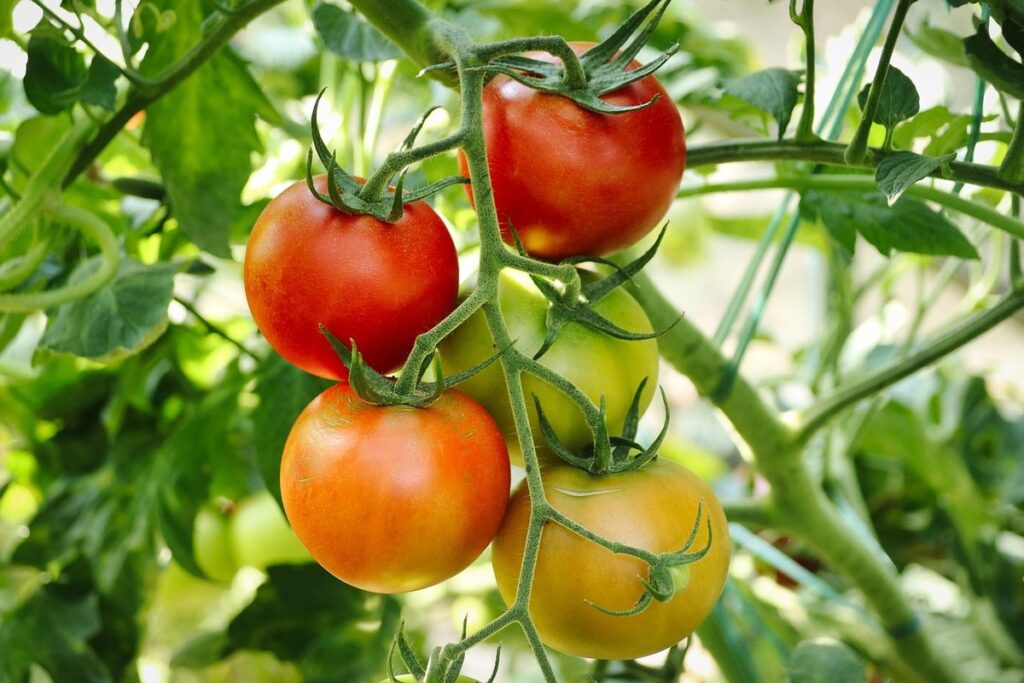
Choosing the Right Variety
When it comes to growing tomatoes outdoors, selecting the right variety is crucial for a bountiful harvest. With so many options available, we’ll help you choose the perfect tomato variety for your garden needs.
Understanding Tomato Types
When it comes to growing tomatoes outdoors, one of the most crucial decisions you’ll make is choosing the right variety. With so many types of tomatoes available, it can be overwhelming for even the most seasoned gardeners. Let’s break down some of the most common tomato varieties and their characteristics.
Determinate tomatoes are bush-type plants that grow to a certain height and then stop. They’re perfect for containers or small gardens as they require minimal support. On the other hand, indeterminate tomatoes are vining plants that will continue to grow throughout the season, requiring trellises or cages for support. Cherry tomatoes are another popular variety, producing bite-sized fruits in abundance.
Other types of tomatoes include patio tomatoes, Roma tomatoes, and heirloom varieties like Brandywine and Cherokee Purple. Each has its unique characteristics, such as flavor profile, texture, and disease resistance. When selecting a variety, consider factors like your climate, available space, and personal preferences for taste and appearance. By understanding the different types of tomatoes, you can choose the perfect variety for your outdoor garden and enjoy a bountiful harvest all season long.
Factors Influencing Selection
When selecting a tomato variety for growing outdoors, several factors come into play. Climate is a crucial consideration, as certain varieties are better suited to hot and humid environments, while others thrive in cooler temperatures. For example, cherry tomatoes tend to perform well in warmer climates, making them an excellent choice for regions with long summers.
Soil type also plays a significant role in determining the best tomato variety for your outdoor garden. If you have acidic or heavy clay soil, look for varieties that are tolerant of these conditions, such as ‘Brandywine’ or ‘Cherokee Purple’. On the other hand, if you have well-draining sandy soil, opt for more robust varieties like ‘Beefsteak’ or ‘Better Boy’.
Another important factor to consider is your intended use for the tomatoes. Are you planning to slice them up for salads and sandwiches, or do you want to can them for a winter harvest? Varieties bred specifically for canning, such as ‘Roma’ or ‘Amish Paste’, tend to have less water content and fewer seeds than slicing varieties.
Consider your specific growing conditions and how they may impact your tomato variety choices. For instance, if you’re plagued by pests like hornworms or nematodes, choose a variety with built-in resistance or tolerance.
Preparing the Soil
Before planting, it’s essential to prepare your soil properly for tomato growth. This involves testing and adjusting its pH level and adding necessary nutrients and compost.
Understanding Tomato Soil Requirements
When growing tomatoes outdoors, it’s essential to understand their specific soil requirements for optimal growth. Tomatoes thrive in well-draining soil with a pH between 6.0 and 7.0, which is slightly acidic to neutral. If your soil pH is too high or too low, adjust it before planting by adding elemental sulfur to lower the pH or lime to raise it.
Tomato plants require adequate nutrient levels, particularly nitrogen, phosphorus, and potassium. These macronutrients promote healthy growth, fruiting, and root development. A balanced fertilizer with a ratio of 10-10-10 (nitrogen-phosphorus-potassium) will provide the necessary nutrients for your tomato plants.
In addition to pH and nutrient levels, moisture retention is another critical factor. Tomato plants need consistent moisture, especially when producing fruit. To ensure optimal growth, incorporate organic matter like compost or well-rotted manure into your soil. This will improve its water-holding capacity and provide essential micronutrients for your tomato plants.
If you’re unsure about your soil’s pH or nutrient levels, consider getting a soil test done to determine the best course of action. By understanding and addressing these specific requirements, you’ll be well on your way to growing healthy, productive tomato plants outdoors.
Soil Testing and Preparation Methods
Soil testing is an essential step before planting tomatoes outdoors. You can’t grow healthy plants without understanding their soil’s pH and nutrient levels. To test the soil pH, you’ll need a pH meter or a DIY kit from a gardening store. These kits usually involve mixing a small sample of soil with a chemical solution and then measuring the color change to determine the pH level.
When it comes to nutrient testing, you can collect a soil sample and send it to a lab for analysis. Alternatively, use an at-home test kit that will give you a rough estimate of the nutrient levels. Most importantly, look for signs like poor growth, yellowing leaves, or stunted plants – these could be indicators of nutrient deficiencies.
To amend your soil, start by adding compost, which improves drainage and fertility. You can also add lime to raise the pH or sulfur to lower it. If you have alkaline soil, consider using a soil conditioner that will help balance the pH levels.
Starting Tomatoes from Seed or Seedlings
Deciding whether to start your tomatoes from seed or purchase seedlings is a crucial step in their journey to a bountiful harvest, and we’ll explore both options here.
Advantages of Starting Seeds Indoors vs. Outdoors
When it comes to starting tomato seeds, you have two main options: starting them indoors and then transplanting them outdoors, or sowing them directly in the ground. Both methods have their advantages, but they also come with unique benefits that are worth considering.
Starting seeds indoors allows you to control the growing conditions, providing a warm and stable environment for seedlings to develop before being transferred to the outdoors. This method can be especially beneficial in areas with short growing seasons or unpredictable weather patterns. By starting seeds indoors 4-6 weeks prior to the last frost date, you can give them a head start on the growing season, which can lead to healthier and more robust plants.
Directly sowing tomato seeds outdoors, on the other hand, eliminates the need for transplants and reduces the risk of transplant shock. This method also allows for more efficient use of space in your garden, as you won’t have to worry about seedling trays taking up valuable real estate.
Tips for Successful Seed Germination
When starting tomatoes from seed, achieving successful germination is crucial for a healthy and productive harvest. To ensure optimal conditions for seed germination, begin by preparing the soil. Tomatoes prefer well-draining, fertile soil with a pH between 6.0 and 7.0. Test your soil to determine its pH level and amend it if necessary.
Maintain a consistent temperature between 70°F and 80°F (21°C to 27°C) for optimal germination. This can be achieved by placing the seed tray on a warm location, such as a sunny windowsill or under grow lights. Ensure humidity levels are around 50-60% by covering the tray with a clear plastic bag.
Some common issues that may affect seed germination include overwatering and poor soil quality. To troubleshoot these problems, check the soil moisture regularly and avoid watering when the top inch of soil feels dry to the touch.
Transplanting Tomato Seedlings Outdoors
When transplanting tomato seedlings outdoors, timing is crucial; wait until the soil has warmed up and the danger of frost has passed to ensure successful growth. Check your local weather forecast for the perfect window.
Preparing the Bed for Transplantation
When transplanting tomato seedlings outdoors, it’s essential to prepare the bed properly to ensure their optimal growth and productivity. One of the most critical considerations is spacing. Tomatoes need enough space to spread out their roots and grow into mature plants. A general rule of thumb is to plant them at least 18-24 inches apart, depending on the variety. This will also help prevent overcrowding, which can lead to disease and reduced yields.
Another crucial aspect is soil depth. Tomato seedlings prefer a well-draining soil mix with a pH between 6.0 and 7.0. To achieve this, add compost or well-rotted manure to the bed before transplanting. This will also help improve soil structure and fertility.
Sunlight exposure is also vital for tomato plants. Ensure that your outdoor bed receives at least six hours of direct sunlight per day. If your area has partial shade, you can still grow tomatoes but expect a lower yield or smaller fruit size. If possible, choose a spot with southern exposure to maximize sunlight capture.
Handling Seedlings During Transplantation
When transplanting tomato seedlings outdoors, it’s essential to handle them gently to minimize shock and promote healthy root development. Start by preparing a well-draining potting mix specifically designed for seedlings, as this will help prevent waterlogged soil that can lead to root rot.
To reduce transplant stress, carefully remove the seedling from its container, taking care not to disturb the roots. If the roots have become tangled or circling, gently tease them apart with your fingers or a blunt instrument like a chopstick. This helps the roots absorb water and nutrients more efficiently after transplantation.
Next, plant the seedling at the same depth as it was in the original container, taking care not to bury the stem or leaves. Water thoroughly after transplanting, and provide support if necessary to prevent wind damage. Finally, mulch around the base of the plant to retain moisture and suppress weeds, which can help your tomato seedlings establish themselves quickly and thrive in their new outdoor environment.
By following these steps, you can help ensure a successful transplant and give your tomatoes the best chance to grow strong and healthy outdoors.
Caring for Outdoor Tomatoes
To keep your outdoor tomatoes thriving, it’s essential to care for them properly, which involves regular watering, pruning, and protecting from pests and diseases. Let’s dive into the details of these crucial tasks.
Watering Strategies for Optimal Growth
Consistent moisture levels play a crucial role in promoting optimal growth in tomato plants. Tomatoes need about 1-2 inches of water per week, either from rain or irrigation. However, the frequency and amount of watering depend on factors like weather conditions, soil type, and plant age.
As a general rule, water your tomatoes when the top 2-3 inches of soil feels dry to the touch. For young seedlings, check the moisture level every other day, while mature plants can go longer between waterings. Avoid getting leaves wet to prevent fungal diseases; instead, focus on soaking the roots.
Signs of overwatering include yellowing leaves, droopy stems, and a soft, mushy texture. If you suspect overwatering, stop watering immediately and improve drainage by adding organic matter or perlite to your soil. Underwatering signs include wilted plants, crinkled leaves, and reduced fruit production. Monitor your plant’s response to changing weather conditions and adjust your watering schedule accordingly.
Water deeply but infrequently to encourage deep root growth, which will help your tomatoes withstand dry spells. Aiming for a balance between adequate moisture and drought stress will ensure your outdoor tomato crop thrives.
Pruning and Training Techniques
Pruning and training techniques are essential for promoting healthy tomato plant development and preventing disease. Removing lower leaves helps to improve air circulation around the fruit, reducing the risk of fungal diseases that thrive in humid environments. Tip pinching involves removing the top set of leaves to encourage branching and promote a bushy growth habit. This technique also directs the plant’s energy towards producing more fruit.
Using trellises or cages is another effective way to train your tomato plants. These supports help keep the plant upright, making it easier to manage pruning and harvesting. Caged plants can produce higher yields due to improved air circulation and increased exposure to sunlight. When using a trellis, gently twine the stem around the support as it grows, securing it with clips or twine if necessary.
For indeterminate varieties, prune back side shoots to two or three leaves above a node, encouraging more fruiting branches to form. Regular pruning also helps control the plant’s size and shape, making it easier to harvest and maintain.
Troubleshooting Common Issues
Don’t worry if things don’t go as planned – we’ve all been there! This section will help you troubleshoot common issues that can arise when growing tomatoes outdoors.
Identifying Common Tomato Pests and Diseases
When growing tomatoes outdoors, it’s essential to be aware of common pests and diseases that can affect these plants. Identifying these issues early on is crucial for maintaining healthy crops and preventing potential losses.
Some of the most prevalent tomato pests include hornworms, aphids, and whiteflies. Hornworms are large, green caterpillars with distinctive horn-like protrusions on their rear ends. They feed on leaves and stems, causing significant damage if left unchecked. Aphids, on the other hand, are small, soft-bodied insects that secrete a sticky substance called honeydew, attracting ants and promoting fungal growth.
Common diseases affecting tomato plants include blight, fusarium wilt, and root rot. Blight causes lesions to appear on leaves and stems, while fusarium wilt causes yellowing of lower leaves and stunted plant growth. Root rot occurs when the roots become waterlogged, causing the plant to decay from the inside out.
To identify these issues, inspect your plants regularly for signs of pest or disease activity. Look for holes in leaves, sticky substances on stems, or discolored foliage. If you notice any abnormalities, take action promptly by introducing beneficial insects, using organic pesticides, or pruning affected areas.
Strategies for Controlling Infestations and Outbreaks
When growing tomatoes outdoors, it’s essential to be proactive about controlling infestations and outbreaks that can decimate your crop. Integrated pest management (IPM) strategies are key to maintaining a healthy tomato plant.
One effective method is to use companion planting, where you grow certain plants alongside your tomatoes that naturally repel pests or attract beneficial insects. Basil, for example, is known to deter aphids and other pests, while nasturtiums can help prevent whiteflies from taking over.
Another organic approach is to encourage beneficial microorganisms in the soil through practices like crop rotation, composting, and mulching. This helps create a balanced ecosystem that promotes soil health and reduces the need for chemical pesticides.
Regular monitoring of your plants also plays a crucial role in catching infestations early. Keep an eye out for signs of pests or diseases, such as yellowing leaves, stunted growth, or actual insects on the plant. Address any issues promptly to prevent outbreaks from spreading.
By combining these organic methods with good gardening practices, you’ll be well-equipped to control infestations and ensure a bountiful tomato harvest.
Frequently Asked Questions
What if I notice my tomato seedlings are too leggy? How can I prevent this from happening?
To avoid leggy seedlings, provide your tomatoes with enough light, but also maintain a consistent temperature between 60-70°F (15-21°C). Avoid exposing them to extreme temperatures or drafts. You can also use grow lights to supplement natural light and promote bushy growth.
Can I plant multiple varieties of tomato together in the same bed?
Yes, you can mix different types of tomatoes in the same bed, but make sure they have similar growing requirements and are disease-resistant. However, keep in mind that some determinate varieties may spread out more than indeterminate ones. Plant them with enough space to prevent overcrowding.
How do I know if my tomato plant is receiving too much water?
If your tomato leaves are yellowing or developing brown spots, it could be a sign of overwatering. Check the soil moisture by inserting your finger into the soil up to the knuckle. If the soil feels soggy, reduce watering frequency and make sure the pot has proper drainage holes.
Can I grow tomatoes in containers if my garden bed is too small or shaded?
Yes, you can definitely grow tomatoes in containers on a balcony, patio, or rooftop with at least 6-8 hours of direct sunlight. Choose compact or dwarf varieties specifically bred for container growing and ensure the pot has good drainage holes to prevent waterlogged soil.
What are some signs that my tomato plant is suffering from pests like hornworms?
Check your plants regularly for eggs, larvae, or actual worms on the leaves, stems, or fruit. Inspect the undersides of leaves and along the midribs for signs of damage. Regularly inspect your plants at night with a flashlight when pest activity is most active.
Can I reuse last season’s tomato seeds to plant new tomatoes?
No, it’s generally not recommended to save and replant seeds from last year’s crop as their viability decreases significantly over time. For optimal results, use fresh seeds or purchase new ones specifically designed for the current growing season.