
Are you ready to unlock the secrets of growing luscious, juicy tomatoes in your very own greenhouse? If so, you’re in luck! With the right combination of variety selection, climate control, and careful attention to soil preparation, pest management, and more, you can enjoy a bountiful harvest of delicious homegrown tomatoes year after year. But where do you start? In this ultimate guide, we’ll take you by the hand through every step of growing tomatoes in a greenhouse, from choosing the perfect variety for your conditions to expert tips on keeping those pesky pests at bay. Whether you’re a seasoned green thumb or just starting out, this article is packed with practical advice and insider knowledge to help you achieve the ultimate tomato success in your greenhouse.
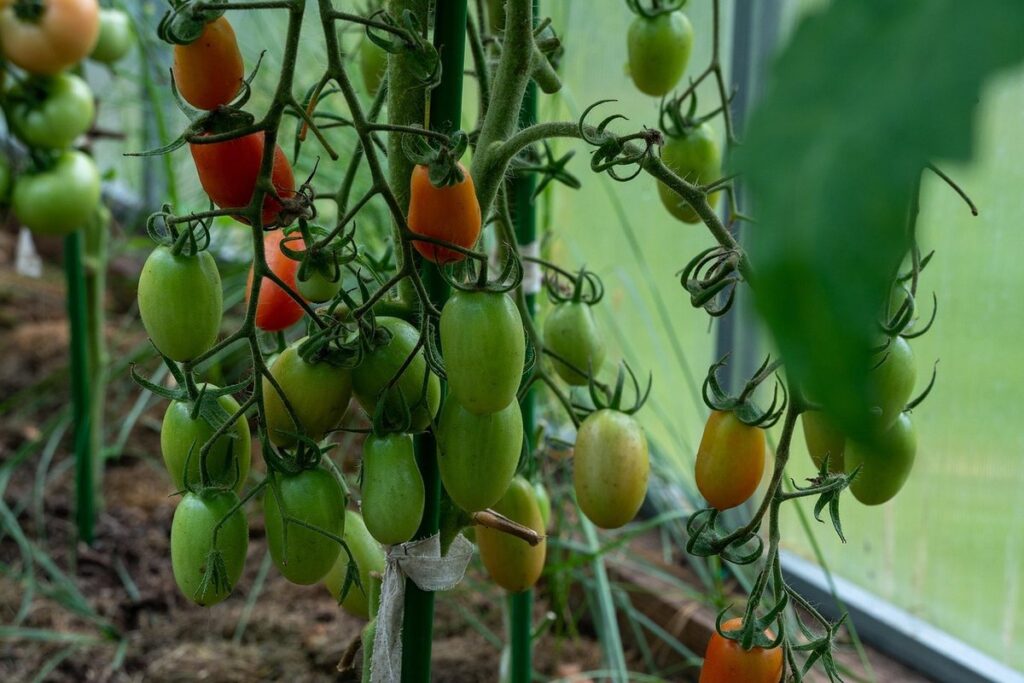
Choosing the Right Variety and Climate
When growing tomatoes in a greenhouse, selecting the right variety is crucial for optimal flavor and productivity. Let’s explore how to choose the perfect tomato variety for your climate.
Selecting Tomato Varieties Suitable for Greenhouses
When selecting tomato varieties for your greenhouse, it’s essential to consider their characteristics that will thrive in this unique environment. Look for compact growth habits that won’t overwhelm the space and can make efficient use of vertical growing systems. Varieties with disease resistance are also crucial, as greenhouses can be prone to fungal diseases due to high humidity levels.
Some popular varieties for greenhouse growing include ‘Patio’, ‘Tiny Tim’, and ‘Red Robin’. These compact varieties produce high yields in smaller spaces and require minimal support. When choosing a variety, don’t forget about climate considerations. For example, if you live in a warmer region, you may want to opt for heat-tolerant varieties like ‘Better Boy’ or ‘Early Girl’.
Consider your personal preferences when selecting a variety as well. Do you prefer cherry tomatoes, beefsteaks, or Roma-style? Think about the flavor profile and texture you’re aiming for, and choose a variety that fits your needs. By taking these factors into account, you’ll be able to find the perfect tomato variety for your greenhouse setup.
Understanding Greenhouse Climate Requirements
When it comes to growing tomatoes in a greenhouse, understanding the ideal climate requirements is crucial for success. Tomatoes thrive in temperatures between 65°F and 70°F (18°C and 21°C) during the day, while nights can be slightly cooler, around 55°F to 60°F (13°C to 15°C). Maintaining optimal humidity levels is also essential; relative humidity should range from 40% to 60%. Insufficient humidity can lead to blossom end rot, a common issue in greenhouses.
To create an ideal climate, it’s essential to have a robust heating and cooling system. This will allow you to regulate temperatures within the desired range, even on extremely hot or cold days. Consider investing in a heating system that uses radiant heat, such as propane heaters, which are efficient and effective. When it comes to ventilation, ensure proper airflow by installing automatic vents that open when internal temperatures exceed 75°F (24°C).
To prevent overheating, incorporate shading techniques into your greenhouse design. Use shade cloth or louvers to filter direct sunlight, particularly during the peak summer months. A well-designed shading system will not only protect your plants from intense heat but also help regulate temperature fluctuations within the greenhouse.
Preparing the Soil and Greenhouse Infrastructure
Before planting your tomato seedlings, let’s get the foundation right by preparing the soil and setting up a sturdy greenhouse infrastructure that will support their growth. This essential step will give them the best chance to thrive.
Optimizing Greenhouse Design for Tomato Production
When it comes to growing tomatoes in a greenhouse, proper design is crucial for optimal production. The size and shape of your greenhouse play a significant role in determining the success of your crop. A larger greenhouse allows for more space to accommodate multiple plants, but it also increases costs and energy consumption. On the other hand, a smaller greenhouse can be more efficient, but may not provide enough room for the plants to spread out.
In terms of shape, consider a rectangular or square design with east-west orientation to maximize natural light exposure during the day. The glazing material is also an essential consideration, as it affects the amount of sunlight that enters the greenhouse. Polycarbonate or fiberglass glazing materials are popular choices due to their durability and UV resistance.
To make the most of your space, use trellises, stakes, or cages to create a supportive structure for your tomato plants. This will not only maximize space but also promote healthy growth by providing adequate support for the plants’ stems and fruits. For example, consider using a cage system that allows for easy access to all sides of the plant without causing damage to the fruit.
Preparing the Soil for Tomato Planting
Preparing the soil for tomato planting is a crucial step in ensuring a bountiful harvest. Before you start sowing seeds, it’s essential to test the pH levels of your greenhouse soil. Tomatoes prefer a slightly acidic to neutral soil pH, ranging from 6.0 to 7.0. You can purchase a DIY pH testing kit or send a sample to a lab for analysis.
Once you’ve determined your soil’s pH level, add organic matter such as compost or well-rotted manure to improve its structure and fertility. A 2-inch layer of organic matter can make a significant difference in the long run. You can also use hydroponic systems or raised beds to optimize water use and nutrient delivery.
Raised beds are particularly beneficial in greenhouses, allowing for better drainage, aeration, and root growth. Hydroponic systems, on the other hand, enable precise control over nutrient levels and water usage. By using either of these methods, you can create an ideal environment for your tomato plants to thrive.
Planting and Caring for Tomatoes in the Greenhouse
Now that your tomato seedlings are ready, it’s time to focus on planting and caring for them within the greenhouse environment, which requires some special attention.
Sowing Seeds and Transplanting Seedlings
When sowing seeds for your greenhouse tomato crop, timing is everything. In most regions, it’s best to sow seeds indoors 6-8 weeks before the last frost date, using a good quality seed starting mix and keeping the soil warm (around 70-80°F). This allows seedlings to develop strong roots and a robust stem structure before being transplanted outside.
Transplanting seedlings into the greenhouse should be done when they have 2-3 sets of leaves. Harden off your seedlings by gradually exposing them to outdoor conditions over the course of 7-10 days, then transfer them to individual pots or directly into the greenhouse beds. Space seedlings 18-24 inches apart to allow for proper air circulation and prevent disease.
Water seedlings thoroughly after transplanting, and provide adequate support systems such as tomato cages, trellises, or stakes to prevent damage from wind or rain. Consider using a self-watering potting mix to minimize watering frequency and reduce the risk of overwatering, which can be detrimental to young seedlings.
Fertilizing and Pruning Tomatoes in the Greenhouse
When it comes to fertilizing and pruning tomato plants in your greenhouse, you have two main options: organic and chemical fertilizers. Both types can promote healthy growth and high yields, but they work in different ways.
Organic fertilizers release nutrients slowly into the soil as they break down, providing a steady supply of food for your tomato plants over time. Examples include compost, manure tea, and worm castings. These natural alternatives tend to be gentler on plants than chemical fertilizers, which can burn or scorch delicate leaves if used in excess.
To prune tomato plants for optimal fruit production, start by removing any weak or spindly growth from the bottom of the plant. This will help direct energy towards producing fruit rather than vegetative growth. Next, remove suckers (shoots that grow between the main stem and a branch) to promote air circulation and prevent disease. Finally, tip-prune your tomato plants by cutting off the tips of the branches to encourage bushy growth and more fruiting nodes.
Remember, pruning is an ongoing process – regularly inspect your plants and remove any dead or damaged leaves or stems to keep them healthy and productive. By combining regular fertilization with careful pruning, you’ll be well on your way to a bountiful greenhouse harvest.
Managing Pests and Diseases in the Greenhouse
Managing pests and diseases can be a challenge when growing tomatoes in a greenhouse, but don’t worry, we’ve got you covered. This section will provide you with expert tips on prevention and treatment.
Common Greenhouse Pests and How to Manage Them
When growing tomatoes in a greenhouse, it’s essential to be aware of common pests that can wreak havoc on your crop. Aphids, whiteflies, and spider mites are frequent visitors to greenhouses, causing damage and stress to tomato plants.
Aphids, for instance, feed on plant sap, weakening the plant and creating an entry point for diseases like powdery mildew. Whiteflies, on the other hand, suck sap from leaves, leaving behind a sticky honeydew that attracts ants and promotes fungal growth. Spider mites are microscopic but can cause significant damage by piercing cell walls and draining plant fluids.
To manage these pests effectively, adopt an integrated pest management (IPM) approach. This involves using biological controls like introducing beneficial insects that prey on the pests, cultural practices such as maintaining optimal temperature and humidity levels, and chemical treatments as a last resort. For example, neem oil can be used to control aphids and whiteflies by disrupting their hormone systems. Regularly inspecting your plants, keeping the greenhouse clean, and practicing good hygiene can also help prevent pest infestations.
Recognizing and Preventing Greenhouse Diseases
Tomato growers in greenhouses often face the challenge of managing diseases that can significantly impact yields. Two of the most prevalent diseases affecting tomatoes in greenhouses are fungal and bacterial infections. Fungal diseases such as powdery mildew, septoria leaf spot, and fusarium wilt are commonly found in greenhouses due to high humidity levels. Bacterial diseases like bacterial canker and bacterial spot can also occur.
To diagnose a disease, inspect your plants regularly for symptoms like yellowing leaves, black spots, or white powdery patches. Consider factors like temperature, humidity, and watering practices that may contribute to disease development. Proper sanitation and disinfection are key to preventing the spread of diseases. Remove infected plant material, disinfect tools, and maintain a clean growing environment.
Integrate disease management techniques by using resistant varieties, practicing good air circulation, and maintaining optimal soil moisture levels. Consider applying fungicides or bactericides as a last resort, always following label instructions and taking necessary precautions to avoid harming beneficial microorganisms in the greenhouse ecosystem.
Monitoring and Maintaining Optimal Growing Conditions
To grow tomatoes optimally, it’s essential to monitor and maintain a consistent environment within your greenhouse, paying close attention to temperature, humidity, and light levels.
Using Sensors and Monitoring Systems for Precision Farming
Sensors and monitoring systems have revolutionized greenhouse farming by allowing for precise control over environmental factors that impact tomato growth. By tracking temperature, humidity, light, and other essential parameters, growers can make data-driven decisions to optimize growing conditions.
These systems typically consist of a network of sensors placed throughout the greenhouse, which transmit real-time data to a central hub or app. This information enables growers to identify areas where adjustments are needed to prevent stress and disease, such as sudden temperature fluctuations or inadequate light levels.
To integrate this data into decision-making processes, growers can set customizable alerts and notifications for optimal conditions. For instance, if the humidity levels drop below 60%, an alert can be sent to adjust irrigation schedules accordingly. By closely monitoring these parameters, growers can ensure their tomatoes receive the perfect balance of resources to thrive in a greenhouse environment.
A study conducted by a leading greenhouse farm found that implementing sensor-based monitoring systems resulted in a 25% increase in yield and a 30% reduction in water consumption. As technology continues to advance, it’s becoming increasingly clear that sensors and monitoring systems are an essential tool for growers looking to achieve optimal results in their greenhouses.
Regular Maintenance Tasks for a Healthy Greenhouse Ecosystem
Regular maintenance tasks are crucial to maintaining optimal growing conditions in your greenhouse. One of the most important tasks is pruning, which helps control plant growth and promote healthy fruiting. Remove lower leaves that are prone to fungal diseases, and trim back overgrown branches to encourage bushy growth.
Repotting is another essential task, typically done every 1-2 weeks for tomatoes. This involves inspecting the soil’s moisture levels and adjusting as needed. Make sure the roots have enough room to grow, but avoid disturbing the delicate tomato plant roots.
Regular inspections are also vital in preventing pest and disease infestations. Check your plants daily for signs of damage or stress, such as white powdery patches on leaves (fungal diseases), sticky honeydew droplets (aphid infestation), or chewed holes in leaves (slugs).
Cleaning the greenhouse regularly can prevent the spread of diseases and reduce waste. Disinfect all surfaces, tools, and equipment with a 1:10 bleach solution to kill bacteria, fungi, and pests. This will also help maintain air circulation, which is critical for healthy plant growth.
In addition to these tasks, make it a habit to check your irrigation system regularly to prevent overwatering or underwatering.
Harvesting and Post-Harvest Handling of Tomatoes
Now that your tomatoes are ripe, it’s time to learn how to carefully harvest them without damaging the plant, and then properly handle them for storage and consumption. Proper handling is crucial for optimal flavor and shelf life.
Timing and Techniques for Hand-Picking Tomatoes
When it comes to hand-picking tomatoes from your greenhouse, timing is everything. The optimal time for harvesting tomatoes is when they have reached their full color and are slightly soft to the touch. This usually occurs between 70-80% of full maturity, which means that the tomato will still continue to ripen after being picked. It’s essential to inspect the fruit regularly, as overripe or underripe fruits can compromise flavor and texture.
Proper hand-picking techniques are crucial to avoid damaging the fruits or plants. Start by selecting a firm but not hard stem, and gently twist it while pulling downwards to release the tomato from its stem. To minimize bruising, handle the tomatoes carefully, supporting them in a way that prevents excessive pressure on any one area.
When harvesting, be mindful of the plant’s canopy and avoid damaging leaves or stems. Harvesting during the morning or early afternoon is ideal, as the dew has had time to evaporate but the fruit is still firm enough for easy handling.
Storing and Processing Greenhouse-Grown Tomatoes
When it’s time to harvest your greenhouse-grown tomatoes, proper storage and processing techniques are crucial to maintaining their quality and extending shelf life. First, gently wash the harvested tomatoes with cold water to remove any dirt or debris that may have accumulated during growth. Use a soft-bristled brush to clean the fruit, especially in areas where the skin is thin.
Next, dry the tomatoes thoroughly using a clean towel or paper towels to prevent moisture from accumulating and causing spoilage. For packing, use breathable materials like paper bags or mesh containers to allow for airflow and prevent CO2 buildup. When transporting, consider using specialized crates or boxes designed specifically for tomato handling to minimize damage during transit.
Controlled atmosphere storage (CAS) can also be employed to preserve the quality of your greenhouse-grown tomatoes. CAS involves maintaining a specific balance of gases, such as oxygen, nitrogen, and carbon dioxide, to slow down ripening and spoilage. By using CAS techniques, you can extend the shelf life of your tomatoes by several days or even weeks, ensuring they remain fresh for longer periods.
Frequently Asked Questions
What is the ideal temperature range for tomato growth in a greenhouse?
The ideal temperature range for tomato growth in a greenhouse is between 65°F (18°C) and 75°F (24°C), with some varieties tolerating temperatures up to 85°F (29°C). However, it’s essential to monitor your greenhouse temperature closely to ensure optimal conditions. You can use sensors and monitoring systems to track temperature fluctuations and adjust your climate control settings accordingly.
How often should I prune my tomato plants in the greenhouse?
Pruning is a crucial step in promoting healthy growth and preventing diseases in greenhouses. Prune your tomato plants every 1-2 weeks, removing weak or diseased branches to encourage fruiting. Be sure to make clean cuts just above a node (where a leaf meets the stem) using sharp pruning tools.
Can I grow tomatoes in a greenhouse with low natural light?
Yes, you can still grow tomatoes in a greenhouse with limited natural light. Consider using supplemental lighting systems like LED grow lights or HPS (High Pressure Sodium) lamps to provide the necessary spectrum and intensity for photosynthesis.
How do I prevent overwatering in my tomato plants in the greenhouse?
Preventing overwatering is crucial in greenhouses, where water can accumulate quickly due to high humidity. Monitor your plants’ moisture levels closely, using techniques like finger checking or soil probes. Water only when necessary, and ensure good air circulation within the greenhouse.
What are some signs of nutrient deficiencies in tomato plants in a greenhouse?
Nutrient deficiencies can be common in greenhouses, especially if you’re reusing soil without replenishing nutrients. Look for signs like yellowing leaves (nitrogen deficiency), stunted growth (phosphorus deficiency), or leaf curling (potassium deficiency). Adjust your fertilization schedule accordingly and use nutrient-rich soil amendments to prevent these issues.