
Growing plants indoors can be a wonderful hobby, but did you know you can take it up a notch by growing them in a fishbowl? Yes, you read that right – with the right care and attention, your fishbowl can become a thriving aquatic garden. Not only is this a unique way to add some greenery to your space, but it’s also low-maintenance and perfect for small spaces or beginners. In this article, we’ll walk you through the process of choosing the right fishbowl and plant combination, as well as provide expert tips on how to care for your aquatic garden. By following our comprehensive guide, you can enjoy a beautiful and thriving plant in your fishbowl, adding a touch of serenity to any room.
Choosing the Right Fishbowl and Materials
To get started on growing your plants, you’ll need to choose a fishbowl that’s just right for its needs. Consider factors like size, material, and drainage when making your selection.
Selecting a Suitable Fishbowl Size and Shape
When it comes to growing plants in fishbowls, selecting the right size and shape of the bowl is crucial for the plant’s success. A fishbowl that is too small can lead to root bound conditions, where the roots grow out of the bowl and into the soil, causing the plant to become pot-bound.
To avoid this issue, choose a fishbowl with a minimum depth of 6-8 inches to allow for adequate root growth. A larger bowl will also provide more stability and make it easier to add nutrients and water without overflowing the bowl. Consider a wide-mouthed fishbowl, which will allow you to easily reach in and care for your plant.
For example, a 10-gallon aquarium-style fishbowl is an excellent choice for growing plants, as it provides ample space for root growth while also being easy to maintain. When selecting a shape or style, keep in mind that a rounded bowl will provide more stability than a narrow, pointed one. Ultimately, choose a fishbowl that suits your specific plant needs and your personal preference.
Understanding the Importance of Drainage and Water Depth
When growing plants in fishbowls, it’s essential to ensure proper drainage and maintain optimal water depth for healthy root growth. Without adequate drainage, the roots of your plant can rot, leading to disease and even death.
To prevent this, use a substrate like gravel or small rocks at the bottom of the fishbowl. This will allow excess water to drain out, preventing it from accumulating around the roots. You can also add a layer of activated charcoal or perlite for extra drainage benefits. For example, using a 1:1 ratio of gravel to soil will help prevent waterlogged conditions.
Maintaining optimal water depth is equally crucial. Too little water and your plant’s roots may dry out, while too much water can lead to root rot. A good rule of thumb is to keep the water level about an inch below the top of the substrate. This will ensure that the roots have enough moisture without drowning them.
Preparing the Fishbowl Environment
To grow plants successfully in a fishbowl, you’ll first need to prepare the environment by setting up the right conditions for your plants to thrive. Let’s get started on creating an optimal space!
Cleaning and Sterilizing the Fishbowl
When it comes to growing plants in a fishbowl, having a clean and sterile environment is crucial for their health and well-being. Before adding the plant, you need to thoroughly clean and sterilize the fishbowl to prevent any bacterial or fungal growth that can harm the roots of your plant.
To start, remove any debris or old decorations from the fishbowl and rinse it with warm water. Next, mix a solution of 1 part white vinegar to 9 parts water in the fishbowl and let it sit for about an hour. The acid in the vinegar will help break down any mineral deposits and kill bacteria.
After the vinegar solution has sat for an hour, scrub the inside of the fishbowl with a soft-bristled brush to remove any stubborn stains or residue. Rinse the fishbowl thoroughly with warm water to remove any remaining vinegar solution. You can also use a product specifically designed for cleaning aquariums and fishbowls to ensure the surface is completely free from any chemicals.
Once you’ve cleaned and sterilized the fishbowl, it’s ready for your plant to be added. This step may seem tedious, but trust us – it’s essential for a healthy and thriving plant.
Adding Substrate and Decorations
When it comes to creating a healthy environment for plant growth in your fishbowl, choosing the right substrate is crucial. A suitable substrate will help retain moisture, provide drainage, and support root development. Gravel and sand are popular choices, but make sure to select a type that’s specifically designed for aquarium use. Avoid using regular play sand or gravel, as they can contaminate the water and harm your plants.
Decorations like rocks or ornaments can add visual interest to your fishbowl while providing hiding places for small fish. However, be mindful of their size and weight to ensure they don’t sink to the bottom or obstruct water circulation. Some popular decoration options include smooth river rocks, aquarium-safe glass ornaments, or even driftwood.
When adding substrate and decorations, remember to do it gradually to prevent sudden changes in water chemistry. Start by rinsing your chosen substrate before adding it to the fishbowl, and gently place decorations among the plants to avoid disturbing the roots. This will help create a balanced environment that promotes healthy plant growth and keeps your aquatic friends happy and thriving.
Selecting the Right Plant Species
When it comes to growing plants in fishbowls, choosing the right species is crucial for success. Let’s explore the factors that determine which plant varieties thrive in this unique environment.
Factors to Consider When Choosing a Fishbowl-Friendly Plant
When selecting a fishbowl-friendly plant, it’s essential to consider its specific needs. First and foremost, think about light requirements. Plants that thrive in low-light conditions, such as Chinese Evergreen or Pothos, are perfect for a shaded fishbowl. On the other hand, plants like Cacti or Succulents need bright direct sunlight and may not be suitable for a small space.
Temperature tolerance is also crucial. Some plants can’t handle sudden changes in temperature, while others are more adaptable. For example, Ferns prefer cooler temperatures between 65-75°F (18-24°C), whereas Peace Lilies thrive in warmer environments around 70-80°F (21-27°C).
Water needs should not be overlooked either. Some plants require frequent watering, while others can survive with minimal moisture. Boston Ferns, for instance, love moist soil and need consistent watering, whereas Cacti prefer dry conditions.
When choosing a plant, remember to research its specific needs. This will ensure your fishbowl’s inhabitant stays happy and healthy. Consider consulting online resources or talking to an expert to find the perfect match for your space.
Popular Plant Options for Fishbowls
When it comes to choosing plants for your fishbowl, you’ll want to select species that are not only beautiful but also thrive in low-maintenance environments. Succulents are an excellent option, as they’re designed to store water in their leaves and stems, making them perfect for fishbowls where watering can be a challenge.
Some popular succulent varieties include Aloe Vera, Echeveria, and Crassula. These plants come in a range of shapes, sizes, and colors, so you’re sure to find one that suits your style. Plus, they require infrequent watering, making them ideal for busy aquarium hobbyists.
Mosses are another great choice for fishbowls, as they add a lush, green element to the environment without requiring much maintenance. They prefer high humidity and low light conditions, making them perfect for areas with limited natural light.
Air plants are also an excellent option, as they don’t require soil at all! Simply place them in the fishbowl and mist them regularly with water. This makes them a great choice for those who want to create a unique, low-maintenance display.
When selecting any of these plant options, be sure to choose species that fit your specific climate and environment. This will ensure that your plants thrive and provide years of enjoyment.
Setting Up the Aquarium Cycle
Before you start planting, it’s essential to set up a healthy aquarium cycle in your fishbowl, which involves introducing beneficial bacteria and monitoring water quality. This process is crucial for a thriving ecosystem.
Understanding the Importance of an Aquarium Cycle
Establishing a healthy aquarium cycle is crucial for maintaining a thriving ecosystem in your fishbowl. This process may seem daunting at first, but it’s essential to understand the importance of a well-balanced nitrogen cycle.
When you introduce plants and beneficial bacteria into the water, they start to break down waste and release nutrients. However, if not managed properly, this can lead to an overgrowth of algae, which can be detrimental to your plant growth. A healthy aquarium cycle helps maintain a delicate balance between beneficial bacteria and nitrite/nitrate levels.
Think of it like creating a stable foundation for your plants to grow. By establishing a regular cleaning routine and allowing the beneficial bacteria to flourish, you’ll create an environment where your plants can thrive. For example, adding a few rocks or decorations that provide hiding places for beneficial bacteria will help speed up the cycle process. This, combined with regular water changes and monitoring of nitrite/nitrate levels, will ensure your fishbowl ecosystem remains healthy and balanced.
Tips for Starting and Maintaining the Aquarium Cycle
Starting the aquarium cycle is a crucial step in creating a thriving environment for your aquatic plants. When it comes to growing plants in fishbowls, you’ll want to establish a stable and balanced ecosystem from the get-go. Here’s what you need to know:
Begin by setting up your fishbowl with dechlorinated water, which will help prevent any potential harm to your plants during the cycling process. Allow the tank to cycle for at least 2-3 weeks before introducing your plants or fish. During this time, perform regular water changes (about 25% every 7-10 days) to maintain optimal conditions and prevent ammonia spikes.
Monitor your water parameters closely using a testing kit. Keep an eye on pH levels, which should range between 6.5 and 8.5 for most aquatic plants. Aim for a nitrogen cycle that reaches the desired balance of ammonia (0 ppm), nitrite (0 ppm), and nitrate (5-10 ppm).
As you maintain your aquarium cycle, make sure to observe any changes in your water parameters and adjust accordingly. Be patient – it may take some trial and error to find the right balance for your specific setup. With consistent monitoring and adjustments, you’ll be well on your way to creating a thriving environment for your aquatic plants to flourish.
Planting and Caring for Your Fishbowl Plant
To successfully grow a fishbowl plant, you’ll need to learn the basics of planting and caring for your tiny green friend in its compact container. This section will walk you through the essential steps.
Planting Techniques for Optimal Growth
When planting in a fishbowl, it’s essential to consider techniques that promote healthy root growth and optimal plant development. To achieve this, start by choosing a well-draining potting mix specifically designed for aquatic plants. Avoid regular potting soil as it can retain too much water and cause root rot.
Next, gently remove the plant from its container and trim any circling or damaged roots. This will encourage new growth and prevent nutrient deficiencies. For larger plants, divide them into sections if necessary, to avoid overcrowding the fishbowl.
To ensure optimal growth, place the plant in a sunny location but not directly under harsh sunlight. Rotate the fishbowl regularly to maintain even light distribution. Water carefully, as overwatering can be detrimental. Check the soil moisture by gently inserting your finger into the potting mix. If it feels dry, it’s time to water.
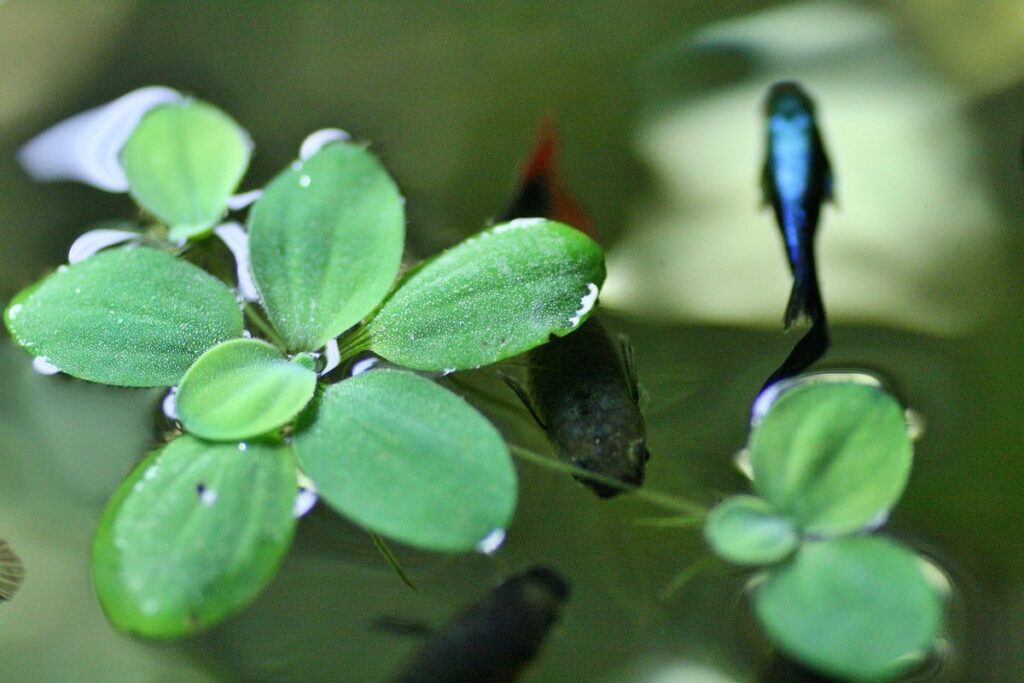
Some plants, like ferns and anubias, prefer submerged conditions, while others, such as floating plants, thrive on the surface. Research the specific needs of your plant variety to create a suitable environment in the fishbowl.
Ongoing Care and Maintenance for Healthy Plant Growth
Regular water changes are crucial to prevent the buildup of toxins and maintain optimal nutrient levels for your fishbowl plant. Change about 25% of the water every week by carefully pouring it out and replacing it with fresh, dechlorinated water. This will also help to reduce algae growth and prevent root rot.
In addition to regular water changes, monitor the parameters in your fishbowl closely. Check the pH level regularly using a testing kit, as sudden fluctuations can be detrimental to plant health. Aim for a slightly acidic to neutral pH range (5.5-7). Also, keep an eye on temperature fluctuations – most houseplants prefer temperatures between 65°F and 75°F.
It’s also essential to inspect your fishbowl plant regularly for signs of stress or disease. Look out for yellowing leaves, black spots, or pests like spider mites or mealybugs. If you notice any issues, take prompt action by adjusting your care routine or applying a gentle fungicide.
To maintain healthy growth and prevent water-borne diseases, avoid overwatering by ensuring the potting mix isn’t waterlogged. Check the soil moisture by sticking your finger into the soil – if it feels dry to the touch, it’s time for watering.
Troubleshooting Common Issues
Sometimes things don’t go as planned, and your fishbowl plant might be experiencing problems. In this part of our guide, we’ll address common issues you might encounter.
Identifying and Resolving Common Problems with Fishbowl Plants
When growing plants in a fishbowl, you may encounter some common problems that can affect the health and well-being of your plant. Algae growth is one such issue that many growers face. It’s caused by excess nutrients in the water, which can lead to an overgrowth of algae on the surface of the water. To prevent this, ensure that you’re not overfertilizing your plant, and consider using a balanced fertilizer specifically designed for aquatic plants.
Another common problem is root rot, which occurs when the roots of the plant are exposed to too much moisture. This can be caused by inadequate drainage or using tap water that’s high in salts. To prevent root rot, make sure you’re providing good air circulation around the fishbowl and use a well-draining potting mix.
Pests like spider mites, mealybugs, and scale can also infest your plant, causing damage to the leaves and stems. Regularly inspect your plant for any signs of pests, and treat promptly with insecticidal soap or neem oil if necessary.
Prevention Strategies for Avoiding Common Problems
To prevent common problems from arising when growing plants in fishbowls, it’s essential to take a proactive approach. One of the most significant issues is root bound, which occurs when roots outgrow the container and become constricted. To avoid this, choose a plant with a shallow root system or repot the plant into a larger container before placing it in the fishbowl.
Another problem that can arise is overwatering, which can lead to root rot and other issues. To prevent this, ensure the soil is well-draining and don’t water too frequently. Check the soil moisture by sticking your finger into the soil up to the first knuckle – if it feels dry, it’s time to water.
In addition, avoid placing plants in direct sunlight or extreme temperatures, as this can cause stress and lead to a range of problems. Instead, place the fishbowl on an east- or west-facing windowsill, where the plant will receive gentle, indirect light. By taking these simple precautions, you can help your plant thrive and enjoy a healthy, vibrant growth in its fishbowl home.
Frequently Asked Questions
Can I use a fishbowl with a built-in filter for growing plants?
Yes, using a fishbowl with a built-in filter can be beneficial for growing plants, as it will help maintain clean and healthy water conditions. However, make sure to choose a plant species that is tolerant of strong currents and adjust the filter accordingly to prevent excessive flow.
How often should I change the water in my fishbowl aquarium?
Change about 25-50% of the water in your fishbowl every 1-2 weeks to maintain optimal water conditions for your plant. Regular water changes will help prevent the buildup of toxins and ensure a healthy aquatic environment.
What are some common mistakes to avoid when growing plants in a fishbowl?
Some common mistakes to avoid include overcrowding, inadequate lighting, and insufficient nutrient supply. Make sure to research the specific needs of your chosen plant species and provide the right conditions for optimal growth.
Can I use tap water for my fishbowl aquarium?
No, using tap water directly can be detrimental to your plant’s health due to high levels of chlorine and heavy metals. Use a dechlorinating agent or allow tap water to sit for 24-48 hours before adding it to your fishbowl to remove impurities.
How do I know if my fishbowl aquarium is cycled?
A properly cycled aquarium will have clear water, no algae growth, and no fish deaths. Wait at least 2-4 weeks after setting up your aquarium before introducing plants or fish, and monitor the water conditions closely during this time to ensure a healthy environment.