
Growing your own peonies can be a truly rewarding experience, and with the right guidance, you’ll be enjoying these stunning flowers in no time. But let’s face it – growing peonies can be intimidating, especially if you’re new to gardening. Choosing the perfect variety for your garden, understanding how to propagate them, and knowing just when to prune can feel like a daunting task.
Don’t worry, we’ve got you covered. In this comprehensive guide, we’ll walk you through every step of growing peonies, from selecting the right varieties to expert tips on soil, sun, water, and maintenance. We’ll cover everything you need to know to grow these gorgeous flowers like a pro, so you can enjoy their beauty and fragrance in your own garden. Whether you’re a seasoned gardener or just starting out, our guide will give you the confidence to succeed with growing peonies.
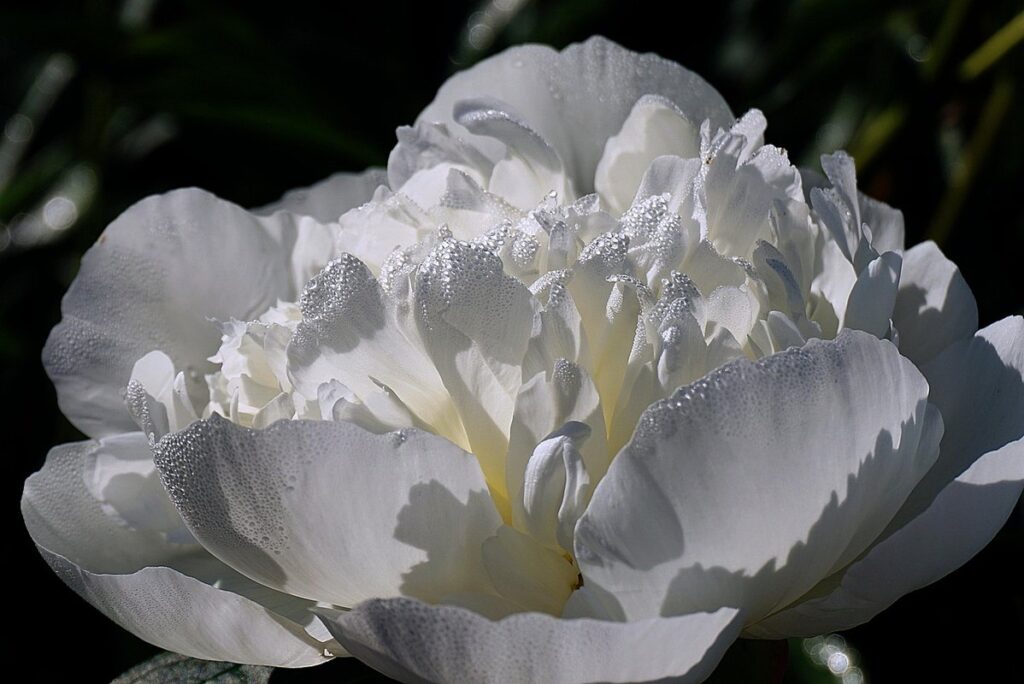
Choosing the Right Variety
With so many beautiful peony varieties to choose from, selecting the right one for your garden can be a daunting task. In this next step, we’ll walk you through how to make the perfect selection.
Selecting Peony Types for Your Climate
When selecting peony types for your climate, it’s essential to consider their growth habits and requirements. There are several main categories of peonies, including herbaceous, tree peonies, and intersectional varieties.
Herbaceous peonies, the most common type, die back to the ground after blooming but regrow in the spring. These are ideal for cooler climates with moderate winters and warm summers. Tree peonies, on the other hand, keep their stems year-round and thrive in warmer climates with cold winters. Intersectional peonies combine the best traits of both types, making them adaptable to a wide range of conditions.
For specific regions, consider these popular varieties: ‘Prairie Joyce’ for hot and dry areas, ‘Red Charm’ for cooler and moister climates, and ‘Moon of Nippon’ for warmer zones. When choosing a variety, assess your local climate and soil type to ensure the peony’s needs align with yours. Research specific growing requirements for your chosen variety to guarantee success in your garden.
Popular varieties like ‘Coral Charm’ and ‘Early Sunrise’ offer exceptional hardiness and adaptability, making them excellent choices for gardeners with varying climates.
Considering Soil and Sun Requirements
When it comes to growing peonies, the right soil and sun conditions are crucial for these beautiful flowers to thrive. Peonies prefer well-draining, fertile soil that is rich in organic matter. A mix of compost or manure can help improve the soil‘s structure and fertility. Avoid planting peonies in areas with standing water or where water tends to collect, as this can lead to root rot.
Sunlight also plays a significant role in peony growth. While peonies can tolerate partial shade, they perform best in full sun to partial shade conditions. Ensure that your garden bed receives at least 6 hours of direct sunlight per day. However, be mindful of extreme heat and intense sunlight, which can cause the flowers to fade quickly.
Air circulation is also essential for healthy peony growth. Plant peonies with enough space between them to allow for good air flow, reducing the risk of fungal diseases that thrive in humid environments.
Planting Peonies: Tips and Tricks
When planting peonies, it’s essential to get the soil right – choose a spot with well-draining soil and dig in some organic matter for optimal results. This will set your peony up for success from day one!
Preparing the Garden Bed for Planting
Preparing the garden bed is an essential step before planting peonies. Before you start digging, remove all weeds from the area to prevent competition for nutrients and water with your new peony plants. This can be a time-consuming task, but trust us – it’s worth the effort! Weeds can also harbor pests and diseases that can harm your peonies.
Next, loosen the soil in your garden bed using a fork or shovel to a depth of about 12-18 inches. This will allow the peony roots to spread out freely and absorb nutrients more easily. Don’t compact the soil as you’re loosening it – this can damage the delicate root system of your peonies.
To add organic matter, mix in a 2-inch layer of compost or well-rotted manure into the loosened soil. This will not only improve drainage but also provide essential nutrients for healthy growth. If your soil is heavy clay or sandy, consider adding some perlite or vermiculite to improve its structure and fertility.
Remember, a well-prepared garden bed sets the stage for successful peony growth and blooming.
Planting Bare-Root or Potted Peonies
When planting bare-root or potted peonies, it’s essential to follow specific techniques to ensure their success. If you’re working with bare-root peonies, gently separate the roots and trim any damaged or dead sections. This will encourage healthy growth and prevent disease from taking hold. Plant the peony in a hole that’s two to three times as wide as the root mass, adding organic matter like compost or well-rotted manure to improve soil fertility.
For potted peonies, choose a location with well-draining soil and full sun to partial shade. Dig a hole twice as deep as the pot and gently remove the plant from its container. Place the peony in the hole, making sure the crown (where the stems meet the roots) is level with the surrounding soil. Space bare-root peonies 18-36 inches apart, while potted peonies should be spaced around 24-30 inches apart to allow for proper air circulation and growth.
Planting in clusters or rows can also work well, as long as you leave enough space between each plant to prevent overcrowding. This will promote healthy growth, reduce disease susceptibility, and encourage beautiful blooms come springtime.
Peony Care: Mulching, Watering, and Pruning
To keep your peonies healthy and thriving, it’s essential to master three key care practices: mulching, watering, and pruning. Let’s dive into the details of each.
Mulching Around Peonies: Benefits and Tips
Mulching around peonies is an essential practice that offers numerous benefits for these beautiful flowers. One of the primary advantages of mulching is its ability to retain moisture in the soil. By applying a layer of organic material such as wood chips or straw, you can reduce the need for frequent watering and create a more consistent watering schedule. This not only saves time but also helps prevent overwatering, which can lead to root rot.
Mulch also plays a crucial role in suppressing weeds around peonies. Weeds compete with your plants for nutrients and water, so removing them is vital for optimal growth. By using a thick layer of mulch (around 3-4 inches), you can smother weeds before they even start growing. Additionally, mulch helps regulate soil temperature by keeping it cooler in the summer and warmer in the winter.
For effective mulching, choose organic materials like wood chips, straw, or bark. Avoid using plastic or rubber mulch as these can retain heat and cause damage to your plants. Apply a 3-4 inch layer around the peonies, leaving a 1-inch gap between the mulch and plant stem. This will ensure proper air circulation and prevent moisture buildup.
Watering and Fertilizing Peonies
When it comes to growing peonies, watering and fertilizing are crucial steps that can make all the difference between a thriving plant and one that’s struggling. Peonies need consistent moisture, especially when they’re first establishing themselves. Aim to provide about 1 inch of water per week, either through rainfall or irrigation.
However, it’s essential to adjust your watering schedule based on climate and soil type. In hot and dry climates, peonies may require more frequent watering, while in cooler and wetter areas, less frequent watering is usually sufficient. Additionally, consider the plant growth stage: when peonies are actively growing in spring, they’ll need more water than during the dormant winter months.
Fertilizing peonies requires attention to timing and product choice. Feed your peonies with a balanced, slow-release fertilizer in early spring, just as new growth begins. You can also side-dress with an organic fertilizer, such as fish emulsion or compost tea, in mid-to-late summer to promote blooming. Avoid over-fertilizing, which can lead to weak and leggy growth.
Common Problems and Solutions
As you start growing peonies, you may encounter some unexpected issues – poor blooming, pests, or disease – but don’t worry, we’ve got solutions for common problems.
Dealing with Pests and Diseases
When it comes to growing peonies, dealing with pests and diseases is an inevitable part of the process. Some common issues that may affect your peony plants are aphids, slugs, and powdery mildew. Aphids are small, soft-bodied insects that feed on the sap of plants, causing curled or distorted leaves. To control aphid populations, you can use neem oil or insecticidal soap as a spray. Spray these solutions during the early morning or evening when the sun is not intense.
Slugs and snails also pose a significant threat to peonies, feeding on their tender shoots and flowers at night. You can deter them by using copper tape around plant stems, crushed eggshells, or beer traps. For powdery mildew, which appears as a white powder on leaves, use a fungicide spray containing sulfur or neem oil. Always follow the instructions for these chemicals to avoid harming your plants.
Regular monitoring and prompt action can help you control these pests and diseases before they spread and cause significant damage.
Addressing Growth Issues and Deadheading
Growing peonies can be a delightful experience, but like any other plant, they may encounter growth issues. One common problem is slow growth, which can be caused by inadequate sunlight, poor soil quality, or insufficient watering. If you’re struggling with this issue, try providing your peony with at least 6 hours of direct sunlight each day and well-draining soil rich in organic matter.
Another issue that may arise is a lack of blooms. This could be due to the plant not receiving enough nutrients or being too old and needing rejuvenation. To encourage repeat flowering, make sure to deadhead your peonies properly. Cut off spent flowers after they have bloomed, leaving about an inch of stem intact. This will help redirect the plant’s energy towards producing new buds rather than seed production.
By addressing these growth issues and incorporating proper deadheading techniques, you can ensure a healthy and thriving peony garden that brings joy to your outdoor space for years to come.
Encouraging Repeat Flowering
To encourage repeat flowering, it’s essential to prune your peonies correctly after they’ve finished blooming, as improper pruning can actually reduce future bloom times. Pruning at the right time will promote healthy growth and more beautiful blooms.
Understanding the Role of Deadheading
Deadheading is an essential step in promoting repeat flowering in peonies. By cutting back spent flowers, you encourage the plant to focus its energy on producing new blooms rather than seed production. To deadhead correctly, wait until the petals have dropped off and the flower stem is dry. Cut the stem about 2-3 inches above a leaf node, using a sharp pair of pruning shears or loppers.
This technique not only extends the blooming period but also helps maintain the plant’s appearance. Without deadheading, peonies can become unsightly as spent flowers drop their petals and remain attached to the stems. Regular deadheading throughout the blooming season will keep your peony looking its best. By dedicating a few minutes each week to this task, you’ll be rewarded with an extended display of beautiful flowers and encourage your peony to produce even more blooms in subsequent seasons.
Tips for Improving Bloom Quality and Quantity
To maximize bloom quality and quantity in your peony plants, it’s essential to provide optimal growing conditions. This starts with choosing a location that receives full sun to partial shade, depending on the specific variety. Make sure the soil is well-draining and rich in organic matter, as peonies can be sensitive to waterlogged conditions.
Controlling weeds is also crucial in promoting healthy growth and blooms. Regularly remove any weeds by hand or with a tool, taking care not to damage the delicate roots of your peonies. Avoid overwatering, which can lead to weak stems and fewer flowers. Instead, water your peonies deeply but infrequently, allowing the soil to dry slightly between waterings.
To encourage more blooms per plant, consider dividing and replanting every 10-15 years. This will help maintain the plant’s vigor and promote new growth. Additionally, remove spent blooms as soon as they fade to direct the plant’s energy towards producing new flowers. By following these tips, you can enjoy a bountiful display of beautiful peony blooms for years to come.
Peony Propagation: Dividing and Transplanting
To successfully grow peonies, it’s essential to learn how to divide and transplant them, which involves dividing established roots and relocating plants at the right time. This process can be a bit tricky, but don’t worry, we’ve got you covered!
Propagating Peonies through Division
Dividing peonies is an effective way to propagate these beautiful flowers. The process typically takes place every 10-15 years when the plant has outgrown its container and needs to be replanted. Spring is usually the best time for this task, just after new growth begins. Summer division can also work well if you carefully monitor the weather conditions.
To divide peonies, start by digging up the entire root system with a fork. Gently wash off any excess soil, revealing the individual tubers or “eyes.” Identify which ones are mature and have at least two sets of leaves emerging from each eye – these will be your best candidates for replanting.
When separating the tubers, make sure to leave a small section of stem intact with each new division. This helps ensure that they can establish themselves in their new location. Replant the separated peony roots about 1-2 inches deeper than they were originally, and water them well.
It’s essential to choose a spot with well-draining soil and full sun for your newly divided peonies. Water them regularly during their first growing season after transplanting.
Transplanting Established Peonies
Transplanting established peonies can be a bit more challenging than dividing and planting new ones. However, with careful planning and execution, you can successfully relocate these beautiful flowers to a new spot in your garden.
To start, choose a day when the weather is calm and not too hot or cold. This will help minimize shock to the roots during relocation. Next, dig carefully around the plant, making sure to get as much of the root system as possible without damaging it. Peonies have an extensive network of underground stems called rhizomes, which can easily be broken if handled roughly.
When lifting the peony out of its original bed, take care not to pull on the stem or leaves, as this can cause further damage to the roots. Instead, focus on gently prying the plant from the soil with a fork. Once you’ve managed to lift the plant, inspect its root system for any damaged areas and trim them back if necessary.
After replanting your peony in its new location, provide it with optimal growing conditions for establishment. Make sure the soil is well-draining and rich in organic matter. Water regularly, but avoid overwatering, which can lead to rot and other issues. With proper care, your transplanted peony should establish itself quickly and continue to thrive for years to come.
Conclusion: Tips for a Successful Peony Garden
Now that you’ve learned how to grow peonies, here are some final tips to ensure your garden is thriving and blooming beautifully year after year.
Recap of Key Takeaways
Growing peonies can be a rewarding experience, but it requires attention to detail and a understanding of their specific needs. In this recap of key takeaways, we’ll summarize the essential points covered throughout this comprehensive guide.
Choosing the right variety is crucial for creating a thriving peony garden. As we discussed earlier, peonies come in a range of colors, shapes, and sizes, so it’s essential to select varieties that fit your climate, soil type, and desired bloom period. Make sure to choose varieties that are disease-resistant and suitable for your region.
Proper planting is also vital for the health and longevity of your peony garden. When planting, ensure the eyes (or buds) are no more than 2-3 inches deep, as this will encourage new growth. Plant in a location with full sun to partial shade and well-drained soil that’s rich in organic matter.
Watering and maintenance are also critical components of growing peonies. Water them regularly during their first year after planting, but avoid overwatering, which can lead to root rot. After the first year, reduce watering to about once a week during dry spells. Additionally, fertilize with a balanced fertilizer in the spring when new growth appears.
In terms of propagation, we discussed two methods: division and seed starting. Division is generally the preferred method for established peonies, as it allows you to propagate healthy plants with established root systems. When dividing, make sure each section has at least one eye or bud to ensure new growth.
By following these key takeaways, you’ll be well on your way to creating a thriving and beautiful peony garden that will provide years of enjoyment and blooms. Remember to monitor your plants regularly for signs of disease or pests and adjust your care routine accordingly.
Frequently Asked Questions
Can I grow peonies in containers or do they require a large garden bed?
While it’s technically possible to grow peonies in containers, it’s essential to note that they have deep taproots and prefer well-draining soil. If you still want to try growing peonies in containers, make sure the pot is at least 6-8 inches deep and has good drainage holes.
How often should I water my peonies during hot summers?
Yes, it’s crucial to provide your peonies with consistent moisture, especially during the blooming season. Water them deeply once or twice a week, depending on weather conditions. However, be cautious not to overwater, as this can lead to root rot.
Can I propagate peonies through division in the spring or should I wait until fall?
Yes, you can divide and transplant peonies in either spring or fall. Spring division allows new growth to establish itself before winter, while fall division helps prevent new growth from being damaged by frost. Choose a time that suits your climate and garden needs.
How do I protect my peonies from extreme temperatures during winter?
Yes, it’s essential to provide some protection for your peony roots during harsh winters. Mulch around the base of the plants, keeping the mulch a few inches away from the crowns. This will help retain moisture and regulate soil temperature.
Can I divide and replant peonies with existing blooms, or should I wait until they’ve finished flowering?
It’s generally recommended to wait until your peonies have finished flowering before dividing and replanting. Dividing during the blooming season can cause stress to the plant, potentially reducing its chances of reblooming in future seasons.