
Growing your own lemongrass at home can be incredibly rewarding, especially if you’re a fan of Southeast Asian cuisine. Not only is lemongrass a versatile ingredient in many recipes, but it’s also known for its numerous health benefits and calming properties. However, growing lemongrass from seed to harvest can be a bit challenging, especially for beginners. Choosing the right variety, preparing the soil properly, and being aware of common pests and diseases are just a few things you’ll want to consider when learning how to grow lemongrass successfully.
This article will cover everything you need to know about growing lemongrass, from selecting the perfect seeds to harvesting your fragrant stalks. By following our simple tips and advice, you’ll be well on your way to enjoying fresh, homegrown lemongrass in no time. Whether you’re a seasoned gardener or just starting out, this guide will provide you with everything you need to know to grow lemongrass like a pro.
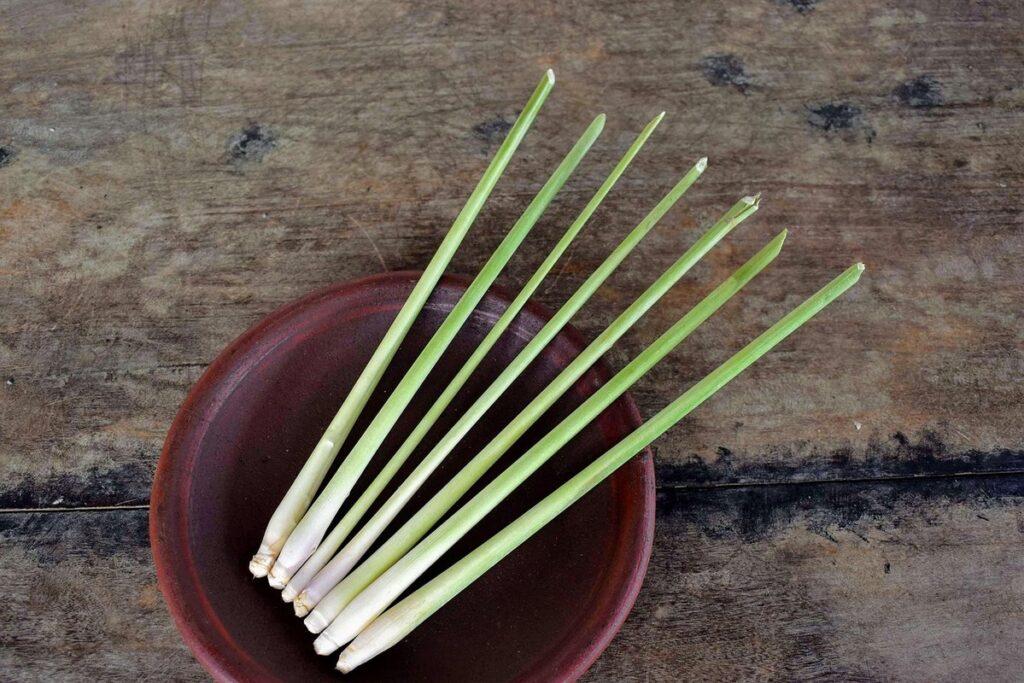
Choosing the Right Variety
When selecting a lemongrass variety, consider factors such as climate tolerance and growth habits to ensure it thrives in your specific garden conditions.
Understanding Lemongrass Types
When it comes to growing lemongrass, understanding the different types available is crucial for selecting the best variety for your needs. There are primarily three main types of lemongrass: African, Indian, and Thai varieties.
African lemongrass (Cymbopogon citratus) is known for its robust growth and tall stature, often reaching up to 6 feet in height. This type is highly adaptable to various climates and soils, making it a popular choice among farmers. However, its strong citrus aroma can be overpowering, so it’s essential to prune regularly to maintain desired potency.
Indian lemongrass (Cymbopogon flexuosus), also known as Cochin grass, has a sweeter and more delicate flavor profile compared to African lemongrass. It is smaller in size, typically growing up to 3 feet tall, and prefers well-drained soil with moderate watering conditions.
Thai lemongrass (Cymbopogon nardus) is often used in Thai cuisine due to its pungent aroma and flavor. This variety has a more compact growth habit compared to African lemongrass, typically reaching up to 4 feet in height. It requires a balance of moisture and sunlight to thrive.
When choosing the right lemongrass type for your garden or indoor space, consider factors such as climate, soil type, available space, and desired flavor profile.
Selecting a Healthy Plant
When selecting a healthy lemongrass plant from a nursery or store, it’s essential to inspect the plant carefully for signs of disease and pests. Look for yellowing or browning leaves, which can indicate root rot or overwatering. Check the stem for soft spots or blackening, which may be a sign of bacterial leaf spot or fungal infections.
Inspect the leaves closely for any visible insects, eggs, or webs from spider mites. These tiny pests can quickly spread and weaken the plant. Also, check for mealybugs or scale, which can be difficult to control once they’ve infested the plant.
A healthy lemongrass plant should have dark green, upright leaves with a slender stem. The roots should be firm and white, indicating a robust root system. Avoid plants with signs of stress, such as wilted or limp leaves, which may indicate poor growing conditions in the store.
When choosing between multiple options, select a plant with a good balance of mature leaves and new growth. This will ensure the plant is healthy enough to produce new stems and roots, promoting optimal growth when planted in your garden.
Preparing the Soil
Before you start planting lemongrass, it’s essential to prepare your soil properly, which means loosening and aerating the ground to give the roots room to grow. This simple step will make a huge difference in your plant’s success!
Understanding Lemongrass Soil Requirements
When it comes to growing lemongrass, understanding its specific soil requirements is crucial for optimal growth. Lemongrass prefers well-draining soil with a slightly acidic pH between 6.0 and 7.0. If your soil has a higher pH, you may need to add sulfur or peat moss to lower the acidity.
In terms of nutrient levels, lemongrass requires adequate amounts of nitrogen, phosphorus, and potassium (NPK). A balanced fertilizer with a ratio of 10-10-10 NPK will provide the necessary nutrients for healthy growth. However, lemongrass also benefits from higher levels of potassium, which can help promote root development and overall health.
To ensure your soil meets these requirements, you may want to consider getting a soil test done. This will give you an accurate reading on your soil’s pH level and nutrient content. Based on the results, you can make adjustments to create a fertile environment for your lemongrass plants. Keep in mind that lemongrass is highly adaptable and can grow well in poor soil conditions, but optimal growth requires careful attention to its specific needs.
Creating a Well-Draining Mix
When growing lemongrass, it’s essential to create a well-draining mix that replicates its native habitat. Lemongrass thrives in tropical and subtropical regions with high humidity and well-drained soil. To achieve this, you can combine compost, perlite, or vermiculite to create a potting mix specifically designed for lemongrass.
For instance, add 20-30% of perlite or vermiculite to your regular potting mix to improve drainage. Perlite is an excellent addition as it allows excess water to escape while retaining moisture around the roots. You can also incorporate compost tea into your soil mixture to enhance its water-holding capacity and fertility.
Remember, lemongrass doesn’t like standing water, which can lead to root rot. A well-draining mix will help prevent this issue and promote healthy growth. To create a suitable mix for lemongrass, consider the following ratio: 60% regular potting mix, 20-30% perlite or vermiculite, and 10-20% compost. By adjusting these proportions according to your specific needs, you’ll be able to provide your lemongrass with an optimal growing environment.
Planting Lemongrass
To grow lemongrass successfully, you’ll want to focus on planting it correctly from the start. Here’s how to get your lemongrass off to a great beginning.
Planting in Containers or Pots
When it comes to planting lemongrass in containers or pots, it’s essential to choose the right size pot and soil to ensure healthy growth. Start by selecting a pot that is at least 6-8 inches deep and has drainage holes in the bottom to prevent waterlogged soil.
Use a well-draining potting mix specifically designed for tropical plants like lemongrass. Avoid using regular garden soil, as it can compact and cause roots to rot. A good quality potting mix will also contain essential nutrients that promote healthy root growth.
When filling the pot, leave about an inch at the top for watering. This will help prevent the soil from becoming too wet and reduce the risk of root rot. Water your lemongrass plant thoroughly after planting and keep the soil consistently moist but not waterlogged.
For optimal growth, choose a spot with bright indirect light and maintain a temperature between 65-80°F (18-27°C). With proper care, your potted lemongrass will thrive and provide you with an abundance of fresh herbs throughout the growing season.
Planting in the Ground
When planting lemongrass directly into the ground, it’s essential to consider three key factors: sunlight, wind direction, and moisture levels. Lemongrass thrives in full sun, so choose a location that receives direct sunlight for at least six hours a day. This will not only promote healthy growth but also encourage the plant to produce more essential oils.
To minimize damage from strong winds, plant lemongrass in an area protected from gusts or use stakes to support the stems. Wind can cause lemongrass to become leggy and reduce its fragrance.
Moisture levels are also crucial for lemongrass growth. The soil should be consistently moist but not waterlogged. Test the soil by inserting your finger into it up to the knuckle; if the soil feels dry, it’s time to water. Aim to provide about 1-2 inches of water per week, either from rainfall or irrigation.
When planting in the ground, space lemongrass stalks 12-18 inches apart to allow for proper air circulation and prevent overcrowding. This will help prevent fungal diseases that thrive in humid environments.
Caring for Lemongrass
To ensure your lemongrass plant remains healthy and thrives, it’s crucial to provide it with proper care, which we’ll outline in the following steps. This includes regular watering, pruning, and fertilization routines.
Watering and Humidity Requirements
Lemongrass is a tropical plant that thrives in warm and humid environments. When it comes to watering and humidity requirements, consistency is key to maintaining its health and promoting healthy growth. Water lemongrass plants when the top inch of soil feels dry to the touch, usually every 2-3 days during the growing season (spring-fall). However, be cautious not to overwater, as this can lead to root rot and other issues.
In general, lemongrass requires around 1-2 gallons of water per week, depending on the climate and soil type. For example, in a dry climate with sandy soil, you may need to water more frequently, while in a humid environment with clay soil, less frequent watering may be necessary. To maintain optimal humidity levels, keep your lemongrass plant in a spot with moderate to high humidity (50-70%). You can also use a humidifier nearby or group plants together to create a microclimate. Keep an eye on your plant’s response and adjust the frequency and amount of water accordingly to ensure it stays healthy and robust.
Fertilizing and Pruning
Fertilizing lemongrass plants regularly is crucial for their growth and productivity. You can use either organic or synthetic fertilizers, depending on your preference and the soil type. Organic options like compost tea or fish emulsion are great for promoting healthy root development and boosting the plant’s natural defenses. On the other hand, synthetic fertilizers such as 10-10-10 NPK provide a quick boost of nutrients but can be harsh on the environment if not used carefully.
To promote bushy growth and prevent the lemongrass from flowering too early, you’ll want to prune it regularly. Cut back the stalks by about one-third in late winter or early spring, removing any dead or damaged leaves. This will help direct the plant’s energy towards producing new growth rather than seed heads. You can also pinch off the top sets of leaves on young plants to encourage branching and prevent them from becoming leggy.
It’s essential to monitor your lemongrass’ fertilizer needs closely, as over-fertilizing can lead to weak stems and poor root development. A general rule of thumb is to fertilize your lemongrass every 4-6 weeks during the growing season, adjusting the frequency based on soil test results or observable growth patterns.
Common Pests and Diseases
Be aware of common pests that can damage lemongrass, such as aphids and whiteflies, and learn how to identify and treat diseases like root rot.
Identifying and Treating Infestations
Lemongrass is susceptible to various pests that can damage its leaves and overall health. One of the most common issues you may encounter is aphid infestation. These small, soft-bodied insects feed on lemongrass sap, causing curled or distorted leaves.
To identify aphids, look for clusters of tiny, pear-shaped insects on the undersides of leaves or stems. Whiteflies are another concern; they appear as small, flying insects with a yellowish tint and can cause similar damage to lemongrass. Spider mites are also a common issue, especially in dry conditions; these tiny arachnids produce fine webbing between stems.
If you notice any of these pests, act quickly to prevent further damage. To treat aphid infestations, spray the plant with neem oil or insecticidal soap according to the product’s instructions. For whiteflies and spider mites, use a pyrethrin-based spray or horticultural oil. Keep in mind that these chemicals can harm beneficial insects, so apply them at night when they are less active.
Regularly inspect your lemongrass plants for signs of pests, and maintain good gardening practices such as watering carefully, pruning regularly, and using physical barriers like fine mesh to prevent infestations from spreading.
Managing Fungal Infections
Fungal infections can be a common problem when growing lemongrass, especially in humid environments. To identify an infection, look for white powdery patches on the leaves or stems, and yellowing or browning of the tips. These symptoms can quickly spread and cause significant damage to your plant.
To prevent fungal infections from occurring in the first place, make sure to provide good air circulation around your lemongrass by spacing plants at least 6-8 inches apart. You should also ensure that the pot has adequate drainage holes to prevent waterlogged soil.
Proper watering is essential for preventing fungal diseases. Water your lemongrass when the top inch of soil feels dry, and avoid getting water on the leaves or crown. Instead, pour it at the base of the plant, allowing the roots to absorb it slowly.
Regularly inspecting your plants can help you catch any potential infections early. If you do notice a fungal infection, treat the plant with a fungicide specifically designed for lemongrass, following the instructions carefully.
Harvesting and Propagation
Now that you’ve successfully grown your lemongrass, it’s time to harvest the stalks and propagate new plants for a continuous supply. Learn how to do both effectively in this next step!
Timing and Method of Harvest
When you’ve carefully nurtured your lemongrass plants to maturity, it’s time to harvest them for use in cooking or herbal remedies. The timing of harvesting is crucial as it affects the flavor and aroma of the grass.
For culinary purposes, lemongrass can be harvested at any time, but the best flavor is achieved when the stems are between 6-12 inches tall. Cut off the mature leaves about an inch above the ground using a sharp knife or pruning shears to prevent damaging the plant. You can also trim back the entire plant to encourage new growth and prevent it from flowering.
For medicinal use, lemongrass is typically harvested when the stems are fully grown, around 12-18 inches tall. Cut off the leaves as close to the ground as possible to minimize the risk of contamination. Make sure to dry the harvested lemongrass immediately to preserve its essential oils and prevent spoilage.
In general, it’s best to harvest lemongrass in the morning after the dew has evaporated but before the heat of the day. This helps preserve the oil content and makes it easier to work with.
Propagating Lemongrass through Division or Cuttings
When it’s time to propagate new lemongrass plants from established ones, you have two primary methods at your disposal: division and cuttings. Both techniques are effective for creating healthy new plants that will thrive in their new environment.
To divide a mature lemongrass plant, carefully dig around the clump, making sure not to damage any of the roots. Gently separate individual shoots, taking care not to tear the roots as you go. Replant each division into well-draining soil, water thoroughly, and keep the soil consistently moist until new growth appears.
Alternatively, you can take cuttings from mature lemongrass stalks. Cut a section from the top of the plant, just above a node (where a leaf meets the stem). Remove lower leaves, leaving only those at the top of the cutting. Dip the exposed nodes in rooting hormone and plant them about an inch deep into moist soil. Keep the soil consistently watered until roots develop and new growth emerges.
By using either division or cuttings to propagate lemongrass plants, you can quickly expand your garden’s presence and enjoy a steady supply of this versatile herb year-round.
Frequently Asked Questions
Can I grow lemongrass indoors if I don’t have a large outdoor space?
Yes, you can grow lemongrass indoors, but it requires specific conditions to thrive. Make sure your pot has good drainage and is at least 6-8 inches deep to accommodate the plant’s extensive root system. Keep in mind that indoor lemongrass may not produce as much foliage or essential oils as those grown outdoors.
How do I protect my lemongrass from pests, such as aphids and whiteflies?
Regularly inspect your plants for signs of infestation and treat promptly if necessary. Use neem oil or insecticidal soap to control aphid populations, and introduce natural predators like ladybugs or lacewings to manage whitefly issues.
What is the optimal temperature range for growing lemongrass?
Lemongrass prefers warm temperatures between 65°F (18°C) and 90°F (32°C). Temperatures above 100°F (38°C) can cause the plant to become scorched, while prolonged exposure to temperatures below 55°F (13°C) may lead to root damage or death.
Can I propagate lemongrass using cuttings from store-bought stalks?
While it’s possible to attempt propagation this way, success rates are typically low. Store-bought lemongrass often has compromised viability due to handling and storage conditions. For best results, use fresh cuttings from healthy, mature plants grown specifically for propagation.
How do I know when my lemongrass is ready for harvest?
Lemongrass is generally ready for harvest when the stalks reach 12-18 inches (30-45 cm) in height and have a good balance of foliage and essential oils. Check the plant regularly to determine the optimal harvesting time, as over-matured stalks may be too fibrous or woody for use in cooking.