
If you’re a fan of Asian cuisine or looking for a low-maintenance herb to add some zest to your cooking, growing lemongrass can be a fantastic idea. Not only is it easy to care for, but it’s also packed with health benefits and has a unique citrusy flavor that elevates any dish. However, growing lemongrass can be a bit tricky, especially if you’re new to gardening. That’s why we’ve put together this comprehensive guide on how to grow lemongrass, covering the different types of plants available, step-by-step planting and care tips, and expert advice on harvesting for a successful harvest. Whether you’re a seasoned gardener or a complete beginner, our guide will walk you through everything you need to know to grow healthy and fragrant lemongrass in your own backyard.
Choosing the Right Variety
When it comes to growing lemongrass, selecting the right variety is crucial for success. This section will walk you through the different types of lemongrass and help you choose the one that’s best suited to your climate and needs.
Section 1.1: Understanding Lemongrass Types
There are several types of lemongrass plants available, each with its unique characteristics and growing requirements. One of the most common varieties is Cymbopogon citratus, which is widely cultivated for its culinary and medicinal uses. This variety thrives in warm climates and can grow up to 3 feet tall. Another popular variety is Cymbopogon nardus, also known as East Indian lemongrass, which has a sweeter and more fragrant oil content than C. citratus.
For gardeners who live in cooler regions or want a compact plant, dwarf varieties like ‘Haitian’ or ‘Tahiti’ are ideal options. These plants grow shorter, typically between 1-2 feet tall, and can tolerate light frosts. When selecting lemongrass for your garden, consider the mature size of the plant, its growth habit, and its tolerance to frost and humidity levels.
Some lemongrass varieties have specific growing requirements, such as Cymbopogon martini ‘Meyna’, which prefers well-drained soil and full sun. Other varieties like Cymbopogon pendulus are more tolerant of wet conditions and can thrive in areas with high rainfall. Research the unique needs of each variety to ensure you provide the best growing conditions for your lemongrass plant.
Section 1.2: Factors to Consider When Selecting a Varietiy
When selecting a lemongrass variety, it’s essential to consider factors that will determine its success in your garden. Climate is one of the most critical considerations. Lemongrass prefers warm and humid conditions, but some varieties are more tolerant than others. For example, ‘East Indian’ and ‘Java’ lemongrass are suitable for tropical climates, while ‘Prague’ and ‘Kew Purple’ can thrive in cooler temperate zones.
Soil type is another crucial factor to consider. Lemongrass prefers well-draining soil with a pH between 6.0 and 7.0. If your soil is heavy clay or sandy, you may need to amend it with compost or perlite to ensure optimal growth. Additionally, if you live in an area with poor soil quality, some lemongrass varieties are more resistant to nutrient deficiencies than others.
Maintenance level is also a significant factor to consider. Some lemongrass varieties require frequent pruning and maintenance to prevent them from becoming invasive, while others are more forgiving and can be left unpruned for longer periods. Consider your available time and space before choosing a variety that suits your lifestyle.
Planting Lemongrass
To successfully plant lemongrass, you’ll want to start by selecting a spot that receives plenty of sunlight and has well-draining soil. This section will walk you through the process step-by-step.
Section 2.1: Preparing the Soil for Lemongrass
When it comes to growing lemongrass, preparing the soil is just as crucial as choosing the right variety. Lemongrass thrives in well-draining, fertile soil with a pH between 6.0 and 7.5. To determine your soil’s pH level, you can purchase a soil testing kit or consult with a local nursery. If your soil is too acidic or alkaline, you’ll need to adjust the pH before planting.
To improve soil fertility, add a balanced fertilizer rich in nitrogen, phosphorus, and potassium (NPK). You can also mix in compost or well-rotted manure to provide essential nutrients. Another option is to create a lemongrass-specific potting mix by blending equal parts of coconut coir, perlite, and vermiculite.
Before planting, ensure the soil has adequate organic matter. Add 2-3 inches of mulch around the plants to retain moisture and suppress weeds. If your soil lacks nutrients, you can also apply a foliar spray or liquid fertilizer during the growing season. By providing the right environment, you’ll be well on your way to cultivating healthy and fragrant lemongrass plants.
Section 2.2: Sowing Lemongrass Seeds or Diverting a Mature Plant
When it comes to establishing new lemongrass plants, you have two primary options: sowing seeds or dividing a mature plant. Both methods have their advantages and disadvantages.
Sowing Seeds: If you prefer to start from scratch, sow lemongrass seeds indoors 6-8 weeks before the last frost date in your area. Fill small pots with well-draining seed starting mix and plant two to three seeds per container about ¼ inch deep. Keep the soil moist but not waterlogged, as this can cause seed rot. Transplant the seedlings into individual pots or directly into the garden when they have two sets of leaves.
Diverting a Mature Plant: On the other hand, dividing a mature lemongrass plant is an excellent way to propagate new plants and retain their unique characteristics. To do this, carefully dig up the entire plant in the spring or fall, making sure not to damage the roots. Separate the stalks from the base of the plant using a sharp knife or pruning shears, taking care to leave at least one eye (or “crown”) per division. Plant these sections directly into well-draining soil with plenty of sunlight.
Care and Maintenance
To keep your lemongrass plant thriving, you’ll want to focus on regular watering, fertilization, and pruning to prevent overgrowth and promote healthy growth. These care tips will help your lemongrass plant flourish all year round.
Section 3.1: Watering and Humidity Requirements
Proper watering is essential for lemongrass growth, and it’s easy to overwater this plant. Lemongrass needs about 1-2 inches of water per week, either from rain or irrigation. To check soil moisture, insert a finger into the soil up to the first knuckle; if it feels dry, it’s time for watering. Water your lemongrass at the base of the plant, avoiding the leaves to prevent fungal diseases.
You should also consider the humidity level around your lemongrass plant. This tropical grass thrives in humid environments, typically above 50% relative humidity. To maintain optimal humidity, you can place the pot on a tray filled with water and pebbles or use a humidifier nearby. Monitor the temperature as well; ideal temperatures for lemongrass growth range from 65°F to 95°F (18°C to 35°C).
In regions with high temperatures and low humidity, be cautious not to overwater your lemongrass plant. In such cases, water only when the top inch of soil feels dry. Keep in mind that overwatering can lead to root rot and kill your lemongrass plant.
Section 3.2: Fertilizing and Pruning Techniques
When it comes to growing lemongrass plants, providing them with the right nutrients is crucial for optimal growth and flavor. Lemongrass requires a balanced fertilizer that’s rich in nitrogen, phosphorus, and potassium. You can use a general-purpose fertilizer or a citrus-specific one, as lemongrass belongs to the citrus family.
Apply a balanced fertilizer once a month during the growing season (spring-fall) by mixing it with water according to the product’s instructions. For example, if you’re using a 20-20-20 formula, apply 1 tablespoon of fertilizer per gallon of water. Water your lemongrass plant thoroughly before applying the fertilizer.
Pruning is another essential technique for promoting healthy growth and preventing disease in lemongrass plants. Cut back the tallest stems to about half their height every 2-3 weeks during the growing season to encourage new shoots to grow. Remove any dead or damaged leaves to prevent fungal diseases from spreading. You can also propagate new lemongrass plants by cutting off the rhizomes (thick underground stems) and planting them in well-draining soil. This will help maintain a healthy balance of nutrients in your plant.
Pest and Disease Management
To ensure a healthy lemongrass plant, it’s essential to keep an eye out for common pests and diseases that can affect your crop. We’ll cover prevention methods and treatments in this section.
Section 4.1: Common Pests Affecting Lemongrass Plants
Lemongrass plants are susceptible to various pests that can damage their growth and affect their fragrance. Some of the most common pests affecting lemongrass plants include aphids, whiteflies, spider mites, mealybugs, and caterpillars.
Aphids are small, soft-bodied insects that feed on plant sap, causing curled or distorted leaves. They reproduce quickly, with a female aphid able to produce up to 10 live young in just two weeks. To control aphid infestations, use neem oil or insecticidal soap to spray the affected area. Encourage natural predators like ladybugs and lacewings by introducing them into your garden.
Whiteflies are tiny insects that feed on plant sap, causing stunted growth and yellowing leaves. They can also transmit diseases to lemongrass plants. Use sticky traps or yellow traps to capture whiteflies, and apply insecticidal soap or neem oil to control infestations.
Spider mites are tiny, eight-legged arachnids that feed on plant sap, causing fine webbing on the leaves. They thrive in dry conditions, so ensure your lemongrass plants receive adequate moisture. Use neem oil or insecticidal soap to control spider mite infestations.
Section 4.2: Recognizing and Treating Diseases in Lemongrass
Lemongrass plants are susceptible to various diseases that can significantly impact their growth and productivity. One of the most prevalent diseases affecting lemongrass is Root Rot, caused by excessive watering or poor drainage. To prevent this condition, make sure the soil is well-draining and avoid overwatering your lemongrass plant.
Another common disease is Leaf Spot, which is characterized by yellowing leaves with black spots. This fungal infection can be treated by removing infected leaves and improving air circulation around the plant. Regular pruning of the plant also helps in controlling the spread of this disease.
To treat Root Rot, repot the lemongrass plant in a well-draining potting mix and ensure good air circulation around the roots. You can also use fungicides specifically designed for tropical plants to prevent the infection from spreading further.
Prevention is key when it comes to managing diseases in lemongrass plants. By maintaining proper watering habits, providing adequate light, and ensuring good air circulation, you can significantly reduce the risk of disease outbreaks. Regular monitoring of your plant’s health will also help you catch any potential issues early on, allowing for prompt treatment and minimizing damage.
Harvesting and Preserving
Now that you’ve successfully grown your lemongrass plant, it’s time to enjoy its fresh harvest and preserve some for later use. We’ll walk you through the best methods for harvesting and preserving your lemongrass.
Section 5.1: Identifying the Optimal Time for Harvest
When it comes to harvesting lemongrass, timing is everything. You want to pluck the stalks at their peak flavor and aroma, which means paying attention to a few key factors.
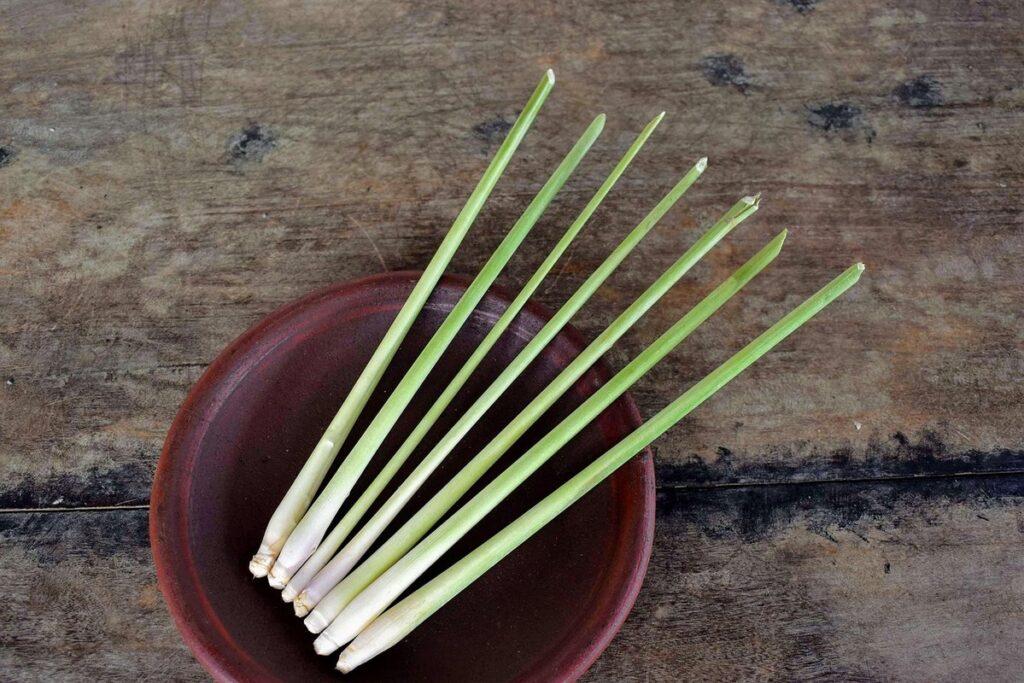
Start by examining the color of the stems. Lemongrass is typically ready to harvest when the leaves are a vibrant green and the stem has turned a light yellow or beige color. Avoid harvesting lemongrass that’s still too green, as it may be bitter and lacking in flavor. On the other hand, if the stems are turning brown or tan, they’re likely past their prime.
Another crucial factor is fragrance. Lemongrass should have a strong citrusy scent when you cut into the stem. If it doesn’t smell like lemongrass, it’s not yet ready to be harvested. To check for readiness, simply snip off the top few inches of the stem and give it a sniff.
Keep in mind that lemongrass is typically ready to harvest about 6-8 months after planting, but this can vary depending on factors like climate and soil quality.
Section 5.2: Methods for Storing and Preserving Lemongrass
When you’ve harvested your lemongrass stalks, it’s essential to store and preserve them correctly to enjoy their flavor and aroma throughout the year. One popular method is drying, which helps remove excess moisture and prevents spoilage. To dry lemongrass, tie a few stalks together in small bunches and hang them upside down in a warm, dry place with good air circulation.
Another effective way to preserve lemongrass is freezing. Chop the stalks into smaller pieces or freeze whole stalks in airtight containers or freezer bags. Frozen lemongrass can be used directly in recipes or stored for up to 6 months. You can also make lemongrass oil by combining chopped stalks with a carrier oil like coconut or olive oil, and then straining the mixture after a few weeks.
To preserve lemongrass for an extended period, you can also try making lemongrass syrup or infused vinegar. These methods not only add flavor but also allow you to use lemongrass in various dishes throughout the year. When preserving lemongrass, remember to always label and date containers so you can easily identify what you have stored and how long it’s been there.
Troubleshooting Common Issues
If you’re experiencing problems with your lemongrass plant, don’t worry – we’ve got you covered. This section will walk you through common issues and their easy-to-apply solutions.
Section 6.1: Addressing Pests, Diseases, or Nutrient Deficiencies
Lemongrass plants are susceptible to various pests, diseases, and nutrient deficiencies that can impact their growth and productivity. Pests like aphids, whiteflies, and spider mites can be identified by the presence of sticky honeydew or fine webbing on the leaves. If you notice any of these symptoms, isolate the affected plant immediately and treat it with insecticidal soap or neem oil.
Diseases such as root rot, leaf spot, and rust can be caused by overwatering, poor air circulation, or high humidity. To prevent these diseases, ensure good air circulation around your lemongrass plants and avoid watering the leaves to prevent fungal growth. If you notice any of these symptoms, remove infected areas and treat the plant with a fungicide.
Nutrient deficiencies can be caused by using low-quality potting mix, inadequate fertilization, or nutrient leaching due to excessive watering. To address this issue, use a well-balanced fertilizer (20-20-20) and repot your lemongrass in fresh potting mix every 6-8 weeks. Regularly check the soil pH and adjust it if necessary to ensure optimal growth.
Regular monitoring of your lemongrass plants is key to preventing these common issues. By recognizing signs early on, you can take corrective action before they spread and cause significant damage to your plant.
Section 6.2: Overcoming Challenges in Specific Climates or Soil Conditions
Growing lemongrass can be a challenge, especially when confronted with extreme temperatures, droughts, or poor soil quality. In tropical regions, the high heat and humidity can lead to fungal diseases and pest infestations, which can quickly spread if not addressed promptly.
To overcome these challenges, it’s essential to choose a lemongrass variety that’s resistant to specific pests and diseases common in your area. For instance, ‘Silver Queen’ is known for its resistance to fusarium wilt, a prevalent disease in warm climates.
In areas with poor soil quality or drought-prone conditions, focus on providing optimal watering schedules and ensuring good drainage. Mulching around the plant can help retain moisture and suppress weeds, reducing the need for frequent irrigation. Additionally, consider using raised beds or containers filled with well-draining potting mix to improve soil aeration and structure.
In regions where temperatures drop below 32°F (0°C), lemongrass may require protection from frost. Bring potted plants indoors or use row covers to shield them from cold winds and frost damage.
Advanced Techniques for Expert Growers
For expert growers looking to take their lemongrass cultivation to the next level, this section will dive into more complex techniques and strategies that yield exceptional results. We’ll explore advanced methods for propagation, pruning, and pest management.
Section 7.1: Propagation Methods for Rapid Growth and Multiplication
As an expert grower, you’re likely looking for ways to rapidly multiply your lemongrass plants and take their production to the next level. In this section, we’ll explore three advanced techniques that can help you achieve this goal: tissue culture, grafting, and layering.
Tissue culture is a method of vegetative propagation that involves growing new plantlets from small pieces of stem or leaf tissue. This method allows for rapid multiplication and can produce genetically identical plants. To try tissue culture at home, you’ll need some basic laboratory equipment, including sterile media, petri dishes, and a growth chamber. Be sure to follow proper sterilization techniques to prevent contamination.
Grafting involves joining a piece of stem (called a scion) from one plant onto the root system of another plant (the rootstock). This technique can be especially useful for lemongrass, as it allows you to combine the desirable traits of multiple plants into a single, more resilient plant. To graft your lemongrass, look for healthy stems with at least two nodes and join them to a suitable rootstock using a grafting tape.
Layering is another method that involves inducing roots on a stem while it’s still attached to the mother plant. This technique allows you to propagate new plants without disturbing the parent plant. To try layering, simply bend a healthy stem down to the ground and secure it with a rock or U-shaped wire. Roots should develop within 2-3 weeks.
These advanced techniques require some specialized knowledge and equipment, but can be incredibly rewarding for expert growers looking to rapidly multiply their lemongrass plants. With practice and patience, you’ll be able to produce a steady supply of healthy, disease-free plants that will thrive in your garden or indoor space.
Section 7.2: Experimental Growing Strategies for Unique Varieties or Cultivars
As an expert grower, you may want to experiment with unique lemongrass varieties that offer improved climate change resilience and sustainability. This can be achieved through experimental growing strategies such as grafting, tissue culture, and hybridization.
Grafting involves joining a piece of stem from one lemongrass plant onto the root system of another, more resilient variety. This technique has been shown to enhance drought tolerance and reduce susceptibility to pests and diseases. For example, grafting a tropical lemongrass cultivar onto a hardier, cold-tolerant species can help it thrive in areas with limited frost protection.
Tissue culture involves multiplying plant material through a sterile laboratory process. This method allows for the rapid production of high-quality planting material from elite clones, reducing the risk of disease and pests. Additionally, tissue culture enables growers to select for desirable traits such as improved water use efficiency or enhanced essential oil content.
When experimenting with new lemongrass varieties, consider factors like climate change resilience, pest and disease tolerance, and adaptability to different growing conditions. By adopting innovative growing strategies and selecting resilient cultivars, you can produce high-quality lemongrass while minimizing environmental impact.
Frequently Asked Questions
What’s the ideal climate for growing lemongrass?
Lemongrass is a tropical plant that thrives in warm temperatures between 64°F to 90°F (18°C to 32°C). It can tolerate some frost but may die back. If you live in an area with harsh winters, consider growing it in containers and moving them indoors during the cold months.
How often should I water my lemongrass plant?
Lemongrass requires consistent moisture, especially when it’s young. Water your plant deeply once or twice a week, depending on the climate and soil type. Avoid overwatering, which can lead to root rot. Reduce watering during the winter months when the plant is dormant.
Can I grow lemongrass indoors?
Yes, you can grow lemongrass indoors in pots with proper care. Choose a container that’s at least 6-8 inches deep and has good drainage holes. Use a well-draining potting mix and provide bright indirect light. Maintain a consistent temperature between 65°F to 75°F (18°C to 24°C) for optimal growth.
What are some common pests affecting lemongrass plants?
Common pests that target lemongrass include aphids, spider mites, and mealybugs. Regularly inspect your plant for signs of infestation and use organic pest control methods whenever possible. Neem oil or insecticidal soap can help control infestations.
Can I propagate lemongrass using cuttings?
Yes, you can propagate lemongrass using stem cuttings. Choose healthy stems with at least two nodes, remove lower leaves, and plant them in a pot filled with well-draining soil. Keep the soil consistently moist but not waterlogged until roots develop.
How do I preserve lemongrass for long-term use?
You can freeze or dry lemongrgrass to preserve it for future use. Chop the leaves finely and place them in an airtight container or freezer bag. Store them in the freezer at 0°F (-18°C) or below. Alternatively, tie the stalks together and hang them upside down in a warm, dry area until they’re completely dry.