
Growing your own fennel can be a game-changer for any home gardener, adding a fresh and aniseed flavor to salads, soups, and other dishes. But let’s face it, growing fennel from scratch can seem daunting if you’re new to gardening. That’s why we’ve put together this comprehensive guide on how to grow delicious and healthy fennel.
In this article, we’ll cover everything you need to know, from choosing the right variety of fennel for your climate and taste preferences, to preparing the perfect soil conditions for optimal growth. We’ll also share expert tips on sowing seeds, caring for young plants, troubleshooting common problems, and harvesting techniques to get the most out of your crop. By the end of this guide, you’ll be confident in growing your own fennel from seed to harvest, and enjoying its many culinary benefits all year round.
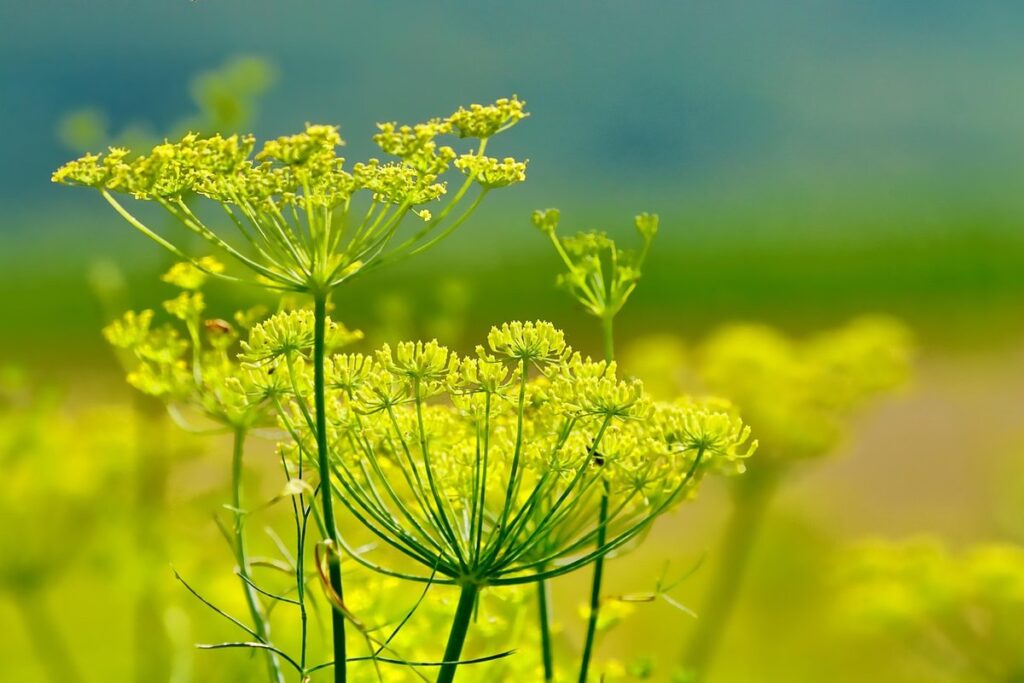
Choosing the Right Variety
With so many types of fennel available, choosing the right variety for your garden can be a bit overwhelming. Let’s take a closer look at some popular options to get started.
Understanding Fennel Types
When it comes to growing fennel, understanding the different types is crucial for selecting the right variety for your garden. There are three primary types of fennel: bulb, frond, and Florence fennel.
Bulb fennel, also known as wild fennel or Anethum graveolens, produces a small to medium-sized bulb that’s often used in Mediterranean cuisine. This type thrives in cooler climates with well-draining soil and full sun. Its delicate flavor is a great addition to salads, soups, and roasted vegetables.
Florence fennel, on the other hand, is a popular variety known for its large, crunchy bulbs and edible stalks. It’s a cool-season crop that prefers partial shade and moist, fertile soil. Florence fennel is perfect for adding a fresh flavor to fish dishes, pasta sauces, or as a crudité.
Frond fennel, also called common fennel, produces an abundance of feathery leaves with a mild anise or licorice taste. This type grows in most climates and soil types, making it an excellent choice for beginners. Its delicate flavor pairs well with grilled meats, roasted vegetables, or as a garnish.
When choosing the right variety, consider your climate, available space, and desired use for the fennel. Some regions may have specific growing requirements, so be sure to check local guidelines before planting.
Selecting Healthy Seeds or Seedlings
When selecting healthy seeds or seedlings for growing fennel, it’s essential to choose those that will give you the best chance of success. For seeds, look for packets labeled as ‘fennel’ or ‘Florence fennel’, as these are bred specifically for bulb formation and flavor. Check the packet for a moisture-resistant coating, which helps prevent damage during handling.
When it comes to seedlings, opt for those with 4-6 inches of growth, as this allows them to adapt quickly to their new environment. Inspect the seedlings for signs of stress or disease, such as yellowing leaves or black spots. Make sure the roots are not pot-bound and that the stems are sturdy enough to support the bulb.
When purchasing from a nursery or store, ask about the variety and origin of the fennel seedlings. Some varieties, like ‘Zaz’ or ‘Pacifica’, are bred for their disease resistance and high yields. Opting for healthy seeds or seedlings can make all the difference in your fennel crop’s success and flavor.
Preparing the Soil and Climate
Before you can start growing fennel, it’s essential to prepare your soil and climate to give these delicate plants the best chance at success. We’ll cover how to create an ideal environment for your fennel crop.
Understanding Fennel’s Growing Requirements
When growing fennel, it’s essential to provide optimal conditions for its growth. Fennel is a cool-season crop that thrives in temperate climates with mild winters and moderate summers. The ideal temperature range for fennel growth is between 60°F (15°C) and 75°F (24°C). Temperatures above 80°F (27°C) can lead to bolting, causing the plant to produce seeds prematurely.
In terms of climate, fennel prefers full sun to partial shade. It’s a Mediterranean native, so it tolerates dry spells but requires consistent moisture. Aim for about 1-2 inches (2.5-5 cm) of water per week, either from rainfall or irrigation. Soil-wise, fennel grows well in well-draining, fertile soil with a pH between 6.0 and 7.0.
To replicate these conditions, you can plant fennel in the spring or fall when temperatures are cooler. Avoid planting in areas prone to frost or extreme heat. By understanding and mimicking fennel’s natural habitat, you’ll set your crop up for success and enjoy a bountiful harvest of crunchy, flavorful bulbs.
Creating a Suitable Environment
When preparing the soil for growing fennel, it’s essential to consider its pH levels. Fennel prefers a slightly acidic to neutral soil pH, ranging from 6.0 to 7.0. If your soil is too alkaline or acidic, it can affect the plant’s nutrient uptake and overall growth.
In terms of nutrient requirements, fennel needs well-draining soil with adequate organic matter. A mix of compost, manure, or peat moss will provide essential nutrients while improving drainage. Avoid using high-nitrogen fertilizers as they can promote leaf growth over bulb formation.
Proper drainage is also crucial for healthy fennel growth. Fennel bulbs are prone to rotting in waterlogged soil, so ensure your garden bed has good air circulation and a slight slope to prevent excess moisture accumulation.
To create an ideal environment for fennel growth:
• Test your soil pH and adjust it if necessary
• Add compost or manure to enrich the soil with essential nutrients
• Mix in peat moss or perlite to improve drainage and prevent waterlogging
Sowing Seeds or Planting Seedlings
When it comes to growing fennel, you have two main options: sowing seeds directly into your garden bed or planting seedlings that you’ve nurtured from indoor containers. Decide which approach suits you best.
Direct Sowing vs. Transplanting
When it comes to growing fennel, you have two main options: direct sowing and transplanting seedlings. Both methods have their pros and cons, which we’ll discuss below.
Direct sowing involves planting fennel seeds directly into the ground where they will mature. This method allows for a stronger root system and less stress on the plant during transplantation. Plus, it saves you time and effort in the long run. However, direct sowing can be challenging due to uneven soil quality, which may affect germination rates.
On the other hand, transplanting seedlings provides more control over the environment and allows for better soil preparation. You can start fennel seeds indoors or in a greenhouse and then transfer them to your garden when they’re about 6-8 inches tall. This method is ideal for cooler climates where direct sowing may be too slow. Nevertheless, transplanting can cause shock to the plant, leading to reduced growth.
In reality, the decision between direct sowing and transplanting ultimately depends on your specific climate and growing conditions. If you’re in a region with mild winters and long growing seasons, direct sowing might work best for you. For areas with short summers or cooler temperatures, transplanting is likely a safer bet.
Sowing Seeds at the Right Depth and Spacing
When sowing fennel seeds, it’s essential to get the depth and spacing just right for optimal growth. Fennel seeds need about 1/4 inch (6-8 mm) of soil above them to germinate properly. Sow them too deep, and they may rot; sow them too shallow, and they’ll dry out quickly.
To achieve the perfect sowing depth, create a shallow trench in your prepared seed bed, about 1-2 inches (2.5-5 cm) wide and 1/4 inch (6-8 mm) deep. Place two to three fennel seeds along this trench, spaced about 12-18 inches (30-45 cm) apart. Cover the seeds with a thin layer of soil, and gently firm it down.
The ideal spacing between sown seeds is crucial for healthy growth. If you’re planting multiple rows, leave at least 24-36 inches (60-90 cm) between them to prevent overcrowding. Overcrowded fennel plants are more susceptible to disease and may not produce the best flavor.
Caring for Fennel Plants
To ensure your fennel plants thrive, you’ll want to learn how to properly care for them after they’re established in the garden, which is where regular watering and pruning come into play.
Watering and Mulching Techniques
Watering fennel plants is crucial to their growth and development. Fennel requires consistent moisture, especially during its first few weeks of growth. It’s essential to check the soil daily, and water when the top 1-2 inches of soil feels dry to the touch. Aim for about 1 inch of water per week, either from rainfall or irrigation.
Mulching is another vital technique to retain moisture in fennel plants. Organic mulches like straw, bark chips, or grass clippings help regulate soil temperature and prevent weed growth. They also break down over time, improving the soil’s fertility. Mulch around the base of your fennel plants, keeping it 3-4 inches away from the stem to allow for proper air circulation.
To ensure efficient watering, avoid getting water directly on the leaves or crown of the plant. This can lead to fungal diseases and other issues. Instead, water at soil level, allowing the moisture to seep down to the roots. By following these simple watering and mulching techniques, you’ll be able to provide your fennel plants with the right conditions for healthy growth and development.
Fertilizing and Pruning for Maximum Growth
As fennel plants grow, they require proper fertilization and pruning to maximize their growth potential. Fertilize your fennel plants when the stems are about 6-8 inches tall. Use a balanced fertilizer (10-10-10 NPK) and follow the instructions on the package for the recommended application rate.
Pruning is essential for maintaining the plant’s shape, promoting healthy growth, and preventing it from becoming leggy. Remove any dead or damaged leaves to prevent the spread of disease. Cut back the tallest stem to encourage branching and promote even growth. Pinch off flower buds as they form to direct the plant’s energy towards foliage production.
Prune your fennel plants regularly to maintain their compact shape and promote a bushy habit. This will also help to increase yields and improve the overall appearance of the plant. For example, when growing Florence fennel, you can harvest the bulbs by cutting back the entire stem at ground level.
Remember to fertilize and prune your fennel plants regularly throughout the growing season for optimal results.
Common Problems and Solutions
Don’t let pests, diseases, or poor growing conditions get in the way of your fennel’s success. Let’s tackle some common issues that may arise and find solutions to keep your crop thriving.
Dealing with Pests and Diseases
As you grow your fennel crop, it’s not uncommon to encounter some unwanted visitors – pests and diseases. Fennel is susceptible to several common issues that can impact its quality and yield. One of the most recognizable problems is powdery mildew, a fungal disease characterized by a white, powdery coating on leaves. This can be treated with fungicides or by removing infected areas.
Aphids are another pest that can infest fennel plants, causing curled or distorted leaves. These tiny insects can multiply quickly, so it’s essential to catch them early. Use neem oil or insecticidal soap to control aphid populations.
Regular monitoring and maintenance can go a long way in preventing these issues. Keep your garden clean, remove weeds that can harbor pests, and ensure good air circulation around your plants. Consider introducing beneficial insects like ladybugs or lacewings to your garden – they’ll help keep pest populations under control. If you do notice any problems, act quickly to prevent the issue from spreading.
Overcoming Environmental Challenges
Growing fennel can be a challenging task, especially when it comes to overcoming environmental hurdles. Extreme temperatures, drought, and excessive moisture are common issues that may affect your crop’s growth. To address these challenges, it’s essential to understand the specific requirements of fennel.
Fennel is a cool-season crop, meaning it thrives in temperatures between 60°F and 80°F (15°C and 27°C). However, if you live in an area with intense heat or cold snaps, you can still grow fennel by choosing varieties that are bred for tolerance. For example, ‘Bronze’ and ‘Florence’ varieties are known to perform well in warmer climates.
In areas prone to drought, it’s crucial to provide adequate water for your fennel plants. Water them deeply once or twice a week, depending on the soil type and weather conditions. On the other hand, if you live in an area with excessive moisture, ensure good air circulation around your plants to prevent fungal diseases.
To overcome these challenges, monitor your local climate and adjust your care accordingly. Mulch around the base of your fennel plants to retain moisture and regulate soil temperature. With proper planning and care, you can successfully grow delicious and aromatic fennel even in less-than-ideal conditions.
Harvesting Fennel at the Right Time
To get the most out of your fennel crop, timing is crucial: harvesting too soon or too late can make all the difference in flavor and texture.
When you know when to pick your fennel, it ensures a delicious harvest that’s perfect for salads, sautés, and more.
Determining When to Harvest
When you’ve reached the desired size for your fennel crop, it’s time to determine if they’re ready for harvest. This can be done by checking for signs of maturity. Fennel is typically ready when the bulbs are between 2-3 inches in diameter and have a firm, compact feel.
To ensure you harvest at the right time, gently grasp the fennel bulb with your thumb and index finger, making sure not to damage the stem or leaves. If it comes off easily, it’s likely overripe. However, if it requires some gentle tugging, it should be ready for harvest. Another way to check is by observing the color of the base – a mature fennel bulb will turn from green to yellow.
Harvesting too early can result in small bulbs and weak stems, while waiting too long can cause them to become tough or woody. So, keep a close eye on your crop’s progress and be prepared to harvest when you see these signs of maturity.
Harvesting Techniques and Storage Tips
When it’s time to harvest your fennel crop, make sure to do so at the right stage of maturity. Cut off the stems just above the white base, leaving about an inch of stem attached to the bulb. This will encourage the plant to focus its energy on producing new growth rather than seed production.
For bulbous varieties, wait until the bulbs are between 1-2 inches in diameter and the tops are starting to yellow. For fern-like varieties, harvest the leaves when they’re tender and at their peak flavor.
To store your harvested fennel, keep it refrigerated at a consistent temperature below 40°F (4°C). Wrap the stems tightly in plastic wrap or place them in an airtight container. You can also trim the stems and store them in water like cut flowers.
By following these simple techniques, you’ll be able to enjoy your fresh fennel for several weeks. Be sure to check on your stored fennel regularly, as it will eventually begin to deteriorate.
Frequently Asked Questions
How do I know when my fennel is ready to harvest?
Harvesting fennel at the right time is crucial for flavor and texture. Check your plants regularly, as over-maturity can cause them to become bitter. Use a gentle twisting motion to separate the stem from the base of the plant. For bulb varieties, wait until the bulbs are firm but still yield slightly to pressure.
Can I grow fennel in containers or do I need a lot of space?
Fennel is adaptable to container growing and can thrive in small spaces as long as it receives sufficient light and well-draining soil. Choose a large pot (at least 12-15 inches deep) with good drainage holes to accommodate the plant’s taproot. Make sure the container has enough room for air circulation around the plants.
How do I protect my fennel from pests like aphids, slugs, and snails?
Common pests can cause significant damage to fennel crops. Use neem oil or insecticidal soap to control aphid infestations. For slugs and snails, use copper tape around the plant’s stem or set up a beer trap. Hand-picking is also an effective method for removing these pests at night.
Can I grow multiple varieties of fennel together?
While it’s possible to grow different types of fennel together, consider their growing requirements and space needs before interplanting. Florence fennel tends to shade other varieties, so plant them in a separate area or prune the Florence fennel regularly to allow more sunlight to reach the surrounding plants.
How do I store harvested fennel for extended periods?
To maintain freshness, harvest fennel at the base of the stem, leaving about an inch of stem attached. Wrap the cut ends tightly with plastic wrap and refrigerate or freeze them as needed. For Florence fennel, use a paper bag to prevent moisture buildup and store it in the refrigerator.