
Are you tired of wasting space in your garden with sprawling cucumber vines? Growing cucumbers vertically is a game-changer for urban gardeners and space-conscious farmers alike. Not only does it save room, but it also makes harvesting a breeze. However, growing cucumbers vertically requires some planning and preparation to maximize yield and success.
In this comprehensive guide, we’ll walk you through the process of choosing the right variety of cucumber for vertical growth, setting up a trellis system that will support your plants’ needs, and providing tips on how to encourage healthy growth and high production. Whether you’re a seasoned gardener or just starting out, our expert advice will help you grow delicious, crunchy cucumbers vertically with ease.
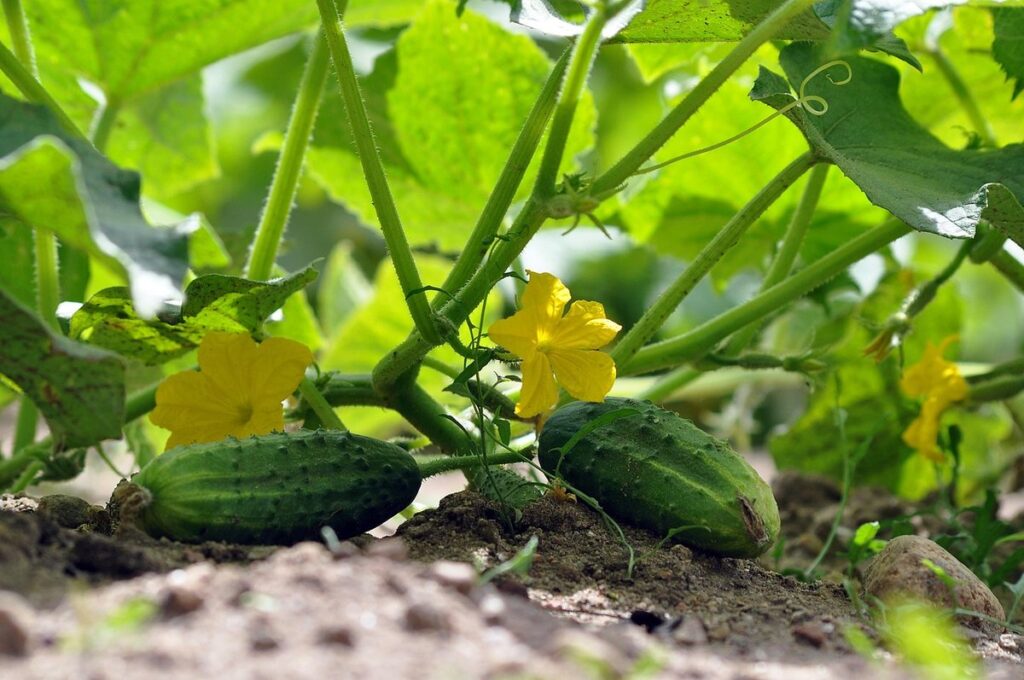
Choosing the Right Variety
When growing cucumbers vertically, selecting the right variety is crucial for success. With so many options available, it can be overwhelming to choose the perfect one for your space and needs.
Selecting Disease-Resistant Cucumber Varieties
When growing cucumbers vertically, selecting disease-resistant varieties is crucial to ensure a healthy and thriving crop. Cucumbers are susceptible to various diseases such as powdery mildew, downy mildew, and fusarium wilt, which can quickly spread through the trellis system and affect multiple plants.
To choose the right disease-resistant variety for your vertical garden, look for specific traits such as “PR” or “Pe” in the seed packet description. This stands for powdery mildew resistance and downy mildew resistance, respectively. Some popular cucumber varieties that exhibit high levels of disease resistance include ‘Suyo’, ‘Tasty Green’, and ‘Marketmore’.
When selecting a variety, also consider factors such as maturation days, fruit size, and growth habit to ensure it suits your specific needs. For example, if you have limited space on your trellis, choose a compact or bush-type cucumber variety that doesn’t require extensive support.
Be sure to check the seed packet or consult with local nurseries for information on disease pressure in your area and select varieties accordingly. This will help minimize the risk of disease outbreaks and ensure a successful vertical cucumber harvest.
Understanding Cucumber Plant Requirements
When growing cucumbers vertically, it’s essential to understand their specific requirements to ensure optimal growth. Cucumbers thrive in warm temperatures between 65°F and 90°F (18°C and 32°C), making them ideal for most regions with mild climates.
Soil quality is also crucial for healthy cucumber growth. Choose a well-draining potting mix specifically designed for vegetables, as cucumbers don’t tolerate wet feet. A pH level between 6.0 and 7.0 is suitable, but they can adapt to slightly acidic or alkaline conditions.
In terms of sunlight, cucumbers require full sun, typically 6-8 hours of direct sunlight per day. However, when growing vertically, it’s essential to provide shade for the fruiting areas during peak sun hours to prevent scorching. You can use shade cloth or trellises with built-in shading to achieve this.
When choosing a spot for your vertical cucumber garden, ensure it receives consistent moisture and is protected from strong winds that could damage the plants. By understanding these basic requirements, you’ll be well on your way to growing delicious cucumbers vertically.
Preparing the Vertical Growing Space
Before you start planting, it’s essential to prepare your vertical growing space to ensure optimal growth and a bountiful harvest of delicious cucumbers. This involves setting up a trellis or other support system.
Setting Up a Trellis or Support System
When it comes to growing cucumbers vertically, a sturdy trellis or support system is essential for their growth and success. The type of trellis you choose will depend on the space available, budget, and personal preference. Here are some popular options:
For small spaces, consider using a freestanding trellis made of metal, plastic, or wood. These can be easily placed next to a wall or in a corner, providing support for multiple plants. You can also repurpose an old pallet or create a DIY trellis using chicken wire and wooden stakes.
For larger areas, consider installing a more substantial support system, such as a tepee-style trellis or a vertically-mounted A-frame trellis. These provide additional structural support and can be anchored to the ground for added stability.
When installing your chosen trellis, make sure to secure it firmly to prevent toppling over in windy conditions. You may also want to consider using plant clips or twine to gently guide the cucumber vines onto the trellis as they grow.
Training Cucumber Vines
When training cucumber vines to grow upwards, you’ll want to utilize a support system that can hold their weight as they produce fruit. This is where twine, clips, and other materials come into play. Start by threading the twine or string around the trellis or obelisk at about 3-4 feet from the ground. Then, gently wrap the cucumber vine around the twine, moving up the support system as it grows.
Regular pruning is essential to encourage vertical growth and prevent the vines from spreading outwards. Remove any weak or spindly growth, and trim back long segments of stem by about one-third to direct energy towards producing fruit. To train your cucumber vines efficiently, try the “double-teepee” method: attach two trellises at an angle to form a teepee shape, then weave the vine through the supports as it grows.
This technique will not only save space but also make harvesting easier.
Planting and Watering Techniques
To successfully grow cucumbers vertically, it’s essential to understand the best planting and watering techniques that will provide your plants with optimal support and nourishment. Proper care at this stage sets the foundation for a bountiful harvest.
Planting Seeds or Seedlings in Vertical Pots
When planting seeds or seedlings in vertical pots for growing cucumbers, it’s essential to consider spacing and depth to ensure optimal growth. For direct sowing into a deep vertical pot, space the seeds about 1-2 inches apart, depending on the variety. Sow them about 1 inch deep, and gently firm the soil to prevent washing away during watering.
If using seedlings, plant them at the same depth as they were in their nursery pots, usually around 6-8 inches from the top of the vertical pot. Ensure that there’s enough space between each seedling for proper air circulation, about 2-3 inches apart.
When planting multiple rows in a large vertical pot, stagger the seeds or seedlings to maintain even growth and prevent overcrowding. This also helps with sunlight penetration, reducing the risk of fungal diseases. By considering spacing and depth, you’ll create an ideal environment for your cucumber plants to thrive in their vertical growing setup.
Optimizing Watering for Vertical Cucumbers
When growing cucumbers vertically, efficient watering systems are crucial to prevent water waste and ensure healthy plant growth. Since vertical cucumber planters can be more susceptible to drying out due to their compact design, it’s essential to monitor the moisture levels regularly.
To optimize watering for your vertical cucumbers, start by checking the soil daily for dryness. You can stick your finger into the soil up to the first knuckle, and if the soil feels dry, it’s time to water. Water your plants in the morning so that the leaves have the entire day to dry out, reducing the risk of fungal diseases.
Another effective way to reduce water waste is by using a drip irrigation system or soaker hose. These systems deliver water directly to the roots, minimizing evaporation and runoff. You can also collect rainwater and use it for watering, which not only saves money but also reduces your carbon footprint.
To further minimize water loss, consider mulching around the base of your planters. Mulch helps retain moisture in the soil while preventing weeds from competing with your cucumber plants for resources. By implementing these efficient watering strategies, you’ll be able to provide your vertical cucumbers with exactly what they need to thrive.
Fertilization and Pest Management
When it comes to growing cucumbers vertically, proper fertilization and pest management are crucial for healthy plant growth and maximum yields. We’ll walk you through these essential steps below.
Using Balanced Fertilizers for Vertical Cucumber Growth
When it comes to growing cucumbers vertically, providing them with the right nutrients is crucial for their growth and development. Balanced fertilizers play a vital role in promoting healthy cucumber growth by supplying essential macronutrients like nitrogen (N), phosphorus (P), and potassium (K). These nutrients are necessary for various aspects of plant growth, including leaf development, fruit production, and overall health.
For vertical growing, you’ll want to choose a balanced fertilizer that has an N-P-K ratio of 10-10-10 or 20-20-20. This ensures that your cucumbers receive equal amounts of nitrogen, phosphorus, and potassium, promoting healthy growth and preventing nutrient deficiencies. Liquid fertilizers are also suitable for vertical growing, as they can be easily applied through the irrigation system.
Some popular balanced fertilizer options include Miracle-Gro Shake ‘n Feed All Purpose Plant Food and Espoma Organic 10-10-10 Fruit Tone Fertilizer. When selecting a fertilizer, make sure to read the label carefully and choose one that’s specifically formulated for vegetable gardens or fruiting plants like cucumbers.
Managing Pests and Diseases in a Vertical Garden
When growing cucumbers vertically, it’s not uncommon to encounter pests and diseases that can harm your crop. Some common culprits include aphids, whiteflies, spider mites, and powdery mildew. These pests and diseases can spread quickly in a vertical garden due to the close proximity of plants.
To control these issues organically, start by inspecting your plants regularly for signs of infestation or disease. For example, check for yellowing leaves, white cottony patches (indicative of mealybugs), or sticky honeydew droplets (a sign of aphid activity). Use neem oil or insecticidal soap to treat affected areas.
To prevent powdery mildew, ensure good air circulation around your plants and avoid overwatering. You can also use a mixture of 1 tablespoon baking soda and 1 gallon water as a spray to help control the fungus. For severe infestations or infections, consider using diatomaceous earth or beneficial insects like ladybugs or lacewings to control pests naturally.
By staying vigilant and taking proactive steps, you can minimize the impact of pests and diseases on your vertical cucumber garden.
Tips for Maximizing Yield and Harvesting Cucumbers
To get the most out of your vertically grown cucumbers, you’ll want to focus on optimizing their yield and timing your harvest perfectly. This section will walk you through both key considerations.
Promoting Healthy Growth through Regular Pruning
Regular pruning is essential for maintaining healthy cucumber growth and promoting optimal yield. When grown vertically, cucumbers can become top-heavy and prone to disease, making regular pruning crucial to prevent damage and ensure a bountiful harvest.
To prune cucumbers effectively, start by removing any weak or spindly growth from the base of the plant. This will help direct the plant’s energy towards producing healthy fruit rather than unnecessary foliage. Next, remove any leaves that are touching the trellis or other supports to prevent moisture from accumulating and promote good air circulation.
For vertically grown cucumbers, aim to prune every 7-10 days during peak growth periods. Remove any weak or damaged fruit to encourage the plant to focus its energy on producing healthy fruit. Use a pair of sharp pruning shears to make clean cuts just above a leaf node, taking care not to damage nearby fruit or leaves.
Regular pruning will also help control pests and diseases by removing any infected areas and preventing the spread of disease through water droplets. By incorporating regular pruning into your vertical cucumber growing routine, you’ll be rewarded with healthier plants, increased yields, and a more efficient use of space.
Identifying and Harvesting Cucumbers at the Right Time
Identifying when cucumbers are ready for harvest is crucial to ensure you don’t miss out on their peak freshness and flavor. The ideal time to harvest cucumbers depends on the variety, but generally, they’re ready between 50-60 days after sowing. To determine if your cucumber is ripe, gently grasp the fruit and twist it. If it comes off easily, it’s likely overripe and may not store well.
To avoid damaging the plant while harvesting, use a sharp knife or pruning shears to cut the stem about an inch from the fruit. Harvesting in the morning when the plant is at its highest water content ensures you get the best flavor and texture. It’s also essential to harvest regularly to encourage continuous production. Leave behind any weak or damaged fruit to help direct the plant’s energy towards healthier growth.
For vertical cucumber systems, consider harvesting from the top down to avoid compacting the lower fruits and leaves. Regular pruning of the plant will also promote bushy growth and prevent over-fruiting, which can lead to disease issues. By following these tips, you’ll be able to enjoy a bountiful harvest of fresh, delicious cucumbers all season long.
Troubleshooting Common Issues in Vertical Cucumber Growth
Don’t let a misstep set you back – we’ll walk through common vertical cucumber growth issues and provide practical solutions to get your harvest back on track.
Dealing with Pests and Diseases in a Vertical Garden
Pests and diseases can be a major issue for vertical cucumber gardens, especially when growing in close proximity to each other. To address this, it’s essential to regularly inspect your plants for signs of infestation or infection.
Some common pests that affect cucumbers include aphids, whiteflies, and spider mites. These tiny insects feed on the sap of the plant, causing curled or distorted leaves. To control them, use neem oil or insecticidal soap according to the manufacturer’s instructions. For example, spraying neem oil once a week can help prevent infestations.
When it comes to diseases, powdery mildew and downy mildew are prevalent in vertical gardens. These fungal infections cause white powder or yellowing leaves, respectively. To combat them, ensure good air circulation by maintaining a distance of at least 6 inches between plants. You can also treat infected areas with a fungicide specifically designed for vegetables.
Regularly inspect your plants and take action promptly to prevent infestations from spreading.
Addressing Common Growing Challenges
As you continue to troubleshoot common issues with vertical cucumber growth, it’s essential to address some of the most common challenges that can impact their health and productivity. Uneven watering is a significant issue for vertically grown cucumbers, as overwatering can lead to root rot while underwatering causes reduced yields.
To combat this, make sure to water your plants when the top 1-2 inches of soil feels dry to the touch. This will also help prevent waterlogged soil that can cause fungal diseases. You can also use self-watering planters or a drip irrigation system to ensure consistent moisture levels.
Inadequate sunlight is another common challenge for vertically grown cucumbers, which require at least 6 hours of direct sunlight per day. If your plants are not receiving sufficient light, consider relocating them to a sunnier spot or using grow lights to supplement their lighting needs. Monitor the temperature as well; ideally, cucumber plants thrive in temperatures between 65-75°F (18-24°C).
Keep an eye out for signs of nutrient deficiencies and adjust your fertilizer schedule accordingly. Regular pruning will also help maintain air circulation and promote healthy growth. By being proactive and adapting to these challenges, you can overcome common growing issues and enjoy a bountiful harvest of delicious cucumbers.
Frequently Asked Questions
Can I grow cucumbers vertically indoors with limited natural light?
Yes, but it’s essential to choose a variety that is compact or dwarf, such as ‘Salad Bush’ or ‘Tasty Green’. These varieties require less space and can thrive in low-light conditions. Ensure the area receives at least 4-6 hours of indirect sunlight daily.
How often should I water my vertical cucumber plants during hot summer months?
Cucumbers need consistent moisture, especially when grown vertically. Water your plants deeply once or twice a week, depending on weather conditions. Make sure the soil is moist but not waterlogged, as this can lead to root rot and other issues.
Can I use a trellis made of wood instead of plastic or metal?
Yes, a wooden trellis can work well for growing cucumbers vertically. However, ensure it’s treated with a waterproof sealant to prevent rot and is sturdy enough to support the weight of your plants. Regularly inspect the trellis for signs of wear and tear.
How do I deal with pests like aphids and whiteflies on my vertical cucumber plants?
Common pests can be managed using natural methods, such as introducing beneficial insects or spraying neem oil. Remove any infested leaves or stems to prevent further damage. Regularly inspect your plants and take action quickly to prevent pest populations from growing.
Can I grow cucumbers vertically in a container if I don’t have space for a dedicated trellis?
Yes, you can use a large container with a built-in trellis or support system, such as a hanging basket or a vertical planter. This will allow your cucumber plants to climb and spread out while keeping the surrounding area clear of clutter. Ensure the container has adequate drainage holes to prevent waterlogged soil.