
Growing your own carrots can be incredibly rewarding, but it requires some finesse. In this guide, we’ll walk you through every step of growing crunchy, delicious carrots in raised beds, from selecting the perfect variety to harvesting and storing your crop. We know that one of the biggest challenges gardeners face when growing carrots is avoiding deformation, but with our expert advice, you’ll be able to overcome common obstacles and enjoy a bountiful harvest. Whether you’re a seasoned gardener or just starting out, this ultimate guide will cover everything you need to know about growing carrots in raised beds. By the end of this article, you’ll have the confidence to grow mouthwatering carrots that are bursting with flavor and nutrition.
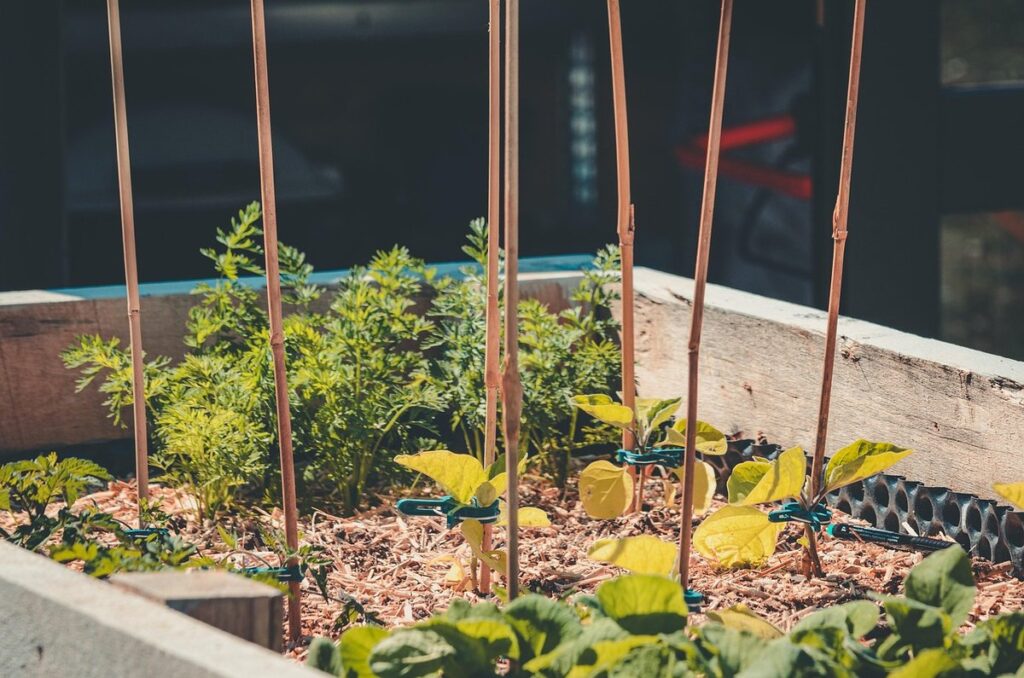
Choosing the Right Variety and Climate
When growing carrots in raised beds, selecting a variety that thrives in your climate is crucial to ensure healthy growth and bountiful harvests. This section will help you make informed choices.
Understanding the Different Types of Carrot Varieties
When it comes to growing carrots in raised beds, understanding the different types of carrot varieties is crucial for achieving success. There are several main types of carrot varieties, each with its unique characteristics that set it apart from others.
Nantes carrots, for instance, are a popular variety known for their slender shape and sweet flavor profile. They have a shorter growth period, typically taking around 50-60 days to mature, making them an excellent choice for raised beds where space is limited. Another advantage of Nantes carrots is their disease resistance; they’re less prone to pests and diseases that can affect other varieties.
Imperator carrots, on the other hand, are known for their long, slender shape and sweeter flavor profile compared to Nantes. They require a bit more time to mature, typically taking around 70-80 days, but offer more yield per plant. Danver carrots are another popular variety, prized for their crunchy texture and sweet flavor. With a growth period of around 60-70 days, they’re an excellent choice for gardeners who want a balance between yield and disease resistance.
Regardless of the variety you choose, be sure to select seeds that are specifically bred for raised bed gardening. This will ensure that your carrots grow well in the unique conditions found in raised beds.
Determining the Best Climate for Growing Carrots
When it comes to growing carrots in raised beds, climate plays a significant role in determining their success. Carrots are sensitive to extreme temperatures and weather conditions, which can affect their growth, flavor, and overall yield. In regions with hot summers or cold winters, carrots may not thrive due to the adverse conditions.
To determine the best climate for growing carrots, consider the USDA Hardiness Zone Map. Zones 3-9 are suitable for carrot cultivation, but optimal growth occurs in zones 4-7. These regions experience moderate temperatures and rainfall, allowing carrots to grow steadily throughout the season. In these areas, you can expect a longer harvest period and higher yields.
Carrots require specific temperature ranges for germination and growth. For optimal results, maintain soil temperatures between 40°F (4°C) and 75°F (24°C). Avoid exposing carrot seeds to direct sunlight or extreme heat during the first few weeks of growth, as this can lead to bolting and poor flavor development. By understanding your local climate and temperature ranges, you’ll be better equipped to provide carrots with the ideal conditions for healthy growth.
Preparing Raised Beds for Carrot Growth
Before you start planting your carrot seeds, make sure your raised bed is prepared to provide the best possible growing conditions for a healthy and successful harvest. Let’s get started on that preparation process now.
Building and Maintaining Healthy Soil Structure
Carrot roots need well-draining, fertile soil to grow healthily. Raised beds with proper soil composition and pH levels can significantly improve carrot yields. To build a raised bed for healthy carrot growth, start by filling it with a mix of 40-50% compost or aged manure, 20-30% peat moss, and 10-20% perlite or vermiculite. This blend provides excellent drainage, aeration, and nutrient retention.
Maintaining the right pH level is crucial for carrot growth. Carrots prefer a slightly acidic to neutral soil pH between 6.0 and 7.0. To achieve this, you can add lime to raise the pH if necessary or sulfur to lower it. Regularly balancing your raised bed’s nutrient levels will also promote healthy growth. Add an annual layer of compost or well-rotted manure to replenish lost nutrients and retain moisture. Aiming for a balanced fertilizer ratio (N-P-K) of 10-20-10 can provide the necessary nutrients without over-fertilizing, which can damage your carrot crop.
As you build your raised bed, consider incorporating beneficial soil microorganisms through compost tea or liquid fish emulsion to create a thriving ecosystem. This will promote soil fertility and support your carrot plants’ overall health.
Creating a Planter Box or Bed Design
When designing a planter box or bed for growing carrots, several factors come into play to ensure optimal conditions for root development. The size and shape of the raised bed are crucial considerations. A minimum width of 3-4 feet is recommended to facilitate easy access for maintenance and harvesting. Length can vary depending on available space, but keep in mind that longer beds may require more water and nutrients.
Material selection is also important for a well-draining planter box. Wood is a popular choice due to its natural durability and aesthetic appeal. However, it requires regular sealing to prevent rotting. Composite materials, like recycled plastic or composite wood, offer better resistance to moisture and pests. These alternatives can be more expensive but provide long-term benefits.
To ensure proper drainage, include a layer of coarse gravel or broken pottery at the bottom of the bed. This will help excess water escape and prevent root rot. Also, consider adding a trellis or supports for any climbing varieties to maximize space. By taking these design considerations into account, you can create an optimal planter box that promotes healthy carrot growth in your raised beds.
Planting Carrot Seeds in Raised Beds
To get started, you’ll want to carefully plant your carrot seeds directly into raised beds that are specifically designed for root vegetables. This will provide optimal growing conditions for a healthy crop.
Understanding Sowing Depths and Spacings
When planting carrot seeds in raised beds, it’s crucial to understand the optimal sowing depths and spacings. If you plant them too shallowly, the seedlings will be more susceptible to pests and diseases, while excessive depth can lead to weak or misshapen roots.
As a general rule of thumb, sow carrot seeds ¼ inch (6-8 mm) deep and ¼ inch apart. This allows for even spacing between each plant without overcrowding, which is essential for healthy root development. Overcrowding can lead to competition for resources like water, nutrients, and sunlight, resulting in smaller or deformed roots.
To illustrate this point, consider the following example: if you sow seeds too close together (e.g., 1 inch apart), they’ll need more space as they grow. This can cause them to push against each other, leading to misshapen roots or even breaking through the soil surface. By maintaining the correct spacing and depth, you’ll be well on your way to growing robust, flavorful carrots in your raised beds.
Timing and Frequency of Watering
When it comes to watering your carrot seeds in raised beds, timing and frequency are crucial for optimal growth. During germination, which typically takes 7-10 days, keep the soil consistently moist but not waterlogged. You can achieve this by watering lightly every other day or as needed. Once seedlings emerge, reduce watering to about once a week, allowing the top inch of soil to dry out between waterings.
As carrots grow, they require more moisture, especially during hot and dry weather. Increase watering frequency to 2-3 times a week during this stage, making sure not to overwater and risk developing fungal diseases. During maturation, when carrots are about an inch in diameter, reduce watering again to once a week to prevent rotting.
It’s also essential to consider the specific climate and weather conditions of your area. For example, if it’s been particularly dry, you may need to water more frequently. Conversely, if it’s been raining regularly, adjust your watering schedule accordingly. Keep in mind that carrots are sensitive to excess moisture, so err on the side of caution when determining the right frequency for your raised beds.
Caring for Carrot Plants in Raised Beds
Now that you have your carrot plants growing strong, let’s dive into how to care for them properly to ensure a bountiful harvest in your raised bed. Regular watering and weeding are crucial steps.
Controlling Pests and Diseases
Carrot plants grown in raised beds are susceptible to various pests and diseases that can significantly impact their yield and quality. One of the most common issues is nematodes, microscopic worms that feed on carrot roots, causing stunted growth and reduced yields. To control nematode infestations, use crop rotation, solarization, or apply a nematode-killing product.
Powdery mildew and root maggots are other prevalent problems affecting carrot plants in raised beds. Powdery mildew is a fungal disease that causes white powdery patches on leaves, while root maggots lay their eggs inside the roots, leading to damage and decay. To combat these issues, maintain good air circulation around the bed by spacing carrots adequately, remove weeds that can harbor pests and diseases, and use organic fungicides or insecticidal soap.
To adopt an integrated pest management (IPM) approach, monitor your plants regularly for signs of infestation or infection, and address problems early before they spread. By implementing these control measures, you can minimize the risk of pest and disease issues in your raised bed carrot garden.
Pruning and Training Carrot Plants
Pruning and training carrot plants is an essential aspect of growing these delicious roots in raised beds. As they grow, carrot seedlings can become overcrowded, which leads to reduced yields and increased susceptibility to pests and diseases.
To prevent overcrowding, thin out the seedlings when they are around 2-3 inches tall. Leave about 1 inch of space between each plant to allow for proper air circulation and sunlight penetration. This is crucial, especially in raised beds where soil depth can be limited.
Tall varieties of carrots, on the other hand, may need additional support as they grow. Use tomato cages or bamboo stakes to keep them upright and prevent them from toppling over in the wind. You can also use a trellis system to train the plants to climb upwards, making the most of vertical space.
Remember, pruning and training carrot plants regularly will not only promote healthy growth but also encourage root development and improve yields.
Harvesting and Storing Carrots from Raised Beds
Once you’ve harvested your carrots, it’s essential to store them properly to maintain their quality and freshness. Here are some tips on how to harvest and store carrots from raised beds.
Knowing When to Harvest Carrots
Knowing when to harvest carrots is just as crucial as knowing how to sow them. As you tend to your raised bed carrot patch, it’s essential to keep an eye out for the signs that indicate they’re ready to be pulled.
Typically, carrots take between 60 to 70 days to mature after sowing, depending on the variety. However, this doesn’t mean you should wait until the exact number of days has passed before checking on their readiness. Instead, start monitoring your carrots about a week or two before the expected harvest date.
To check for maturity, gently dig around one of the carrot plants with your fingers, being careful not to damage any of the surrounding roots. If it feels firm and hard to the touch, but still yields slightly when pressed, it’s likely ready to be harvested. On the other hand, if it crumbles or breaks easily, it’s probably overripe.
Keep in mind that carrots continue to grow underground after they’ve reached maturity, so even if you leave them in the ground for a bit longer, they’ll eventually become too large and develop an unpleasant, woody texture. So, when in doubt, err on the side of caution and harvest your carrots slightly early rather than risking over-ripeness.
Tips for Storing and Preserving Carrot Harvests
Storing and preserving carrot harvests is crucial to maintaining their quality and extending their shelf life. To do this effectively, you’ll need to consider a few different methods. One approach is to cure the carrots in a warm, dry place with good air circulation. This will help to heal any wounds on the roots and prevent moisture from accumulating.
For longer-term storage, you can store the cured carrots in a cooler environment, such as a refrigerator or a root cellar. The ideal temperature for storing carrots is between 32°F (0°C) and 40°F (4°C). You can also use airtight containers or plastic bags to maintain humidity levels and prevent moisture from entering.
Another option for preserving your carrot harvest is freezing. This method involves blanching the carrots in boiling water for 2-3 minutes, then immediately submerging them in an ice bath to stop the cooking process. Frozen carrots can be stored for up to a year, but they’re best used within 6 months.
When storing or transporting carrots, it’s essential to maintain their freshness by keeping them away from direct sunlight and heat sources. You should also avoid washing the carrots before storage, as excess moisture can lead to rot and spoilage.
Troubleshooting Common Issues in Raised Bed Carrot Growing
We’ve covered the basics of growing carrots in raised beds, but what do you do when things don’t go as planned? Let’s troubleshoot common issues together.
Addressing Common Problems with Soil and Climate
Soil compaction is a common issue when growing carrots in raised beds. When the soil becomes compacted, it can prevent roots from growing properly and lead to poor drainage. To address this problem, try using a fork or spade to gently loosen the soil before planting. You can also add organic matter such as compost or well-rotted manure to improve the soil structure.
Another issue that may arise is nutrient deficiencies. Carrots are heavy feeders and require a balanced diet of nutrients to grow well. If you notice your carrots are not growing properly, check the pH level of the soil and adjust it if necessary. Also, consider adding a balanced fertilizer according to the manufacturer’s instructions. For example, a 10-10-10 NPK fertilizer can provide the necessary nitrogen, phosphorus, and potassium for healthy growth.
Climate-related stressors such as extreme temperatures, droughts, or excessive rainfall can also impact carrot growth. To mitigate these effects, ensure that your raised beds are receiving adequate sunlight (at least six hours a day) and maintain consistent moisture levels. You can also use mulch to regulate soil temperature and prevent erosion.
Overcoming Challenges with Insect Pests and Diseases
As you tend to your raised bed carrot crop, it’s not uncommon for insect pests and diseases to threaten its success. In fact, according to a study by the National Gardening Association, over 50% of home gardeners struggle with pest issues each year. To overcome these challenges, develop an integrated management plan that incorporates prevention, monitoring, and control strategies.
Start by selecting disease-resistant carrot varieties and maintaining good sanitation practices in your raised bed, such as removing weeds and debris that can harbor pests and diseases. Regularly inspect your crop for signs of infestation or infection, looking for symptoms like yellowing leaves, stunted growth, or actual insects on the plants.
For common insect pests like carrot rust flies and western flower thrips, use physical barriers, row covers, or hand-picking to control populations. For fungal diseases like powdery mildew and leaf blight, apply fungicides at the first sign of infection to prevent spread. By proactively addressing potential issues through integrated pest management (IPM), you can reduce chemical usage and minimize harm to your plants and the environment.
Frequently Asked Questions
What if I’m new to gardening, how do I know which raised bed size is best for growing carrots?
For a beginner gardener, it’s best to start with a smaller raised bed (around 4×8 feet) that’s specifically designed for growing root vegetables like carrots. This will allow you to manage the soil and plants more easily, while also preventing overcrowding. Consider using a self-watering planter or a tiered garden system to maximize space.
How often should I inspect my raised bed carrots for signs of pests or diseases?
Regular inspections are crucial when growing carrots in raised beds. Set aside time every week to check your carrot plants for any signs of damage, discoloration, or unusual growth patterns. Keep an eye out for common pests like rabbits, deer, and carrot rust flies, as well as fungal diseases like powdery mildew.
Can I grow carrots in a raised bed with poor soil quality?
Yes, you can still grow healthy carrots in a raised bed with poor soil quality. To improve the growing conditions, incorporate a 2-inch layer of organic compost or worm castings into the top 6-8 inches of soil before planting your carrot seeds. This will provide essential nutrients and beneficial microbes to support plant growth.
What’s the best way to store harvested carrots in raised beds?
To keep your freshly harvested carrots fresh for longer, store them in a cool, dark place with good ventilation. Avoid storing carrots near potatoes or onions, as these can release ethylene gas that will cause spoilage. You can also consider refrigerating carrots to maintain their flavor and texture.
Can I grow multiple varieties of carrots together in the same raised bed?
Yes, you can grow multiple varieties of carrots together in the same raised bed. However, it’s essential to choose varieties with similar growing conditions and maturity dates to avoid overcrowding and competition for resources. Some popular combinations include Nantes and Danver carrots or Little Finger and Thumbelina carrots.