
Are you eager to bring a burst of citrus flavor into your life? Growing a lemon tree can be a rewarding experience, not only for its tangy fruits but also for its beauty and versatility. With the right care and attention, a lemon tree can thrive in your backyard or indoor space, providing you with an endless supply of fresh lemons for cooking, baking, and making homemade skincare products.
But growing a healthy and productive lemon tree requires more than just watering and sunlight – it demands careful planning, selection, and maintenance. In this comprehensive guide, we’ll walk you through the essential steps to grow and care for your lemon tree, from choosing the right variety to pruning and harvesting. Whether you’re a seasoned gardener or a beginner, our expert tips will help you unlock the full potential of your citrus companion.
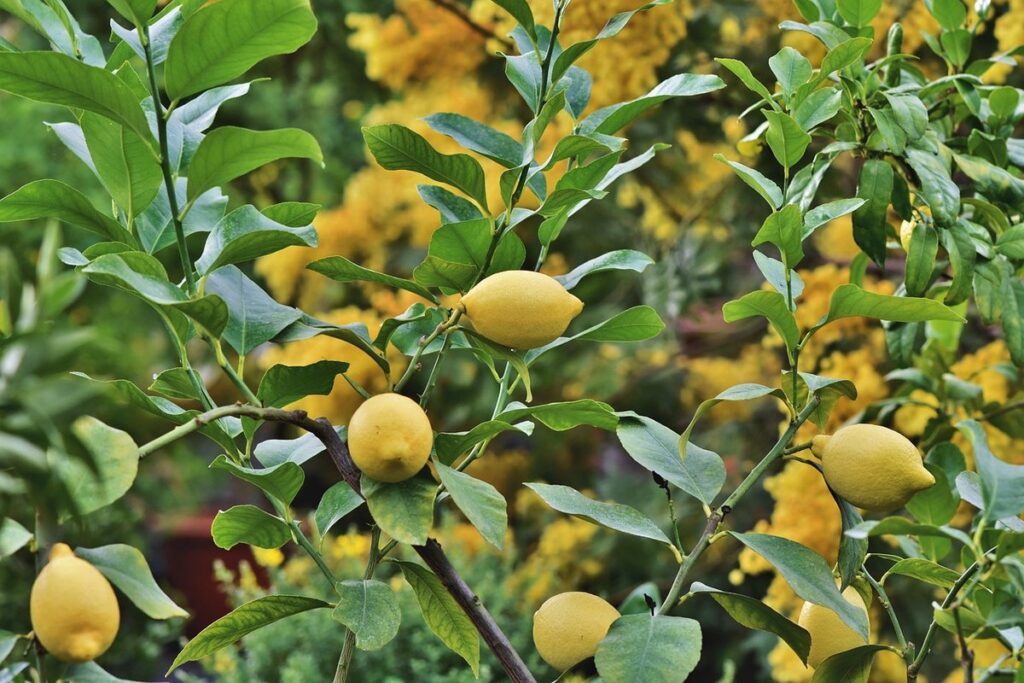
Choosing the Right Lemon Tree Variety
When it comes to growing a lemon tree, selecting the right variety is crucial. This step will help you choose from dozens of options that suit your climate and desired characteristics.
Selecting Dwarf or Standard Varieties
When it comes to selecting the perfect lemon tree for your garden, one of the most important decisions you’ll make is choosing between dwarf and standard varieties. Both types have their own unique characteristics that will impact not only the tree’s growth but also its space requirements and climate tolerance.
Dwarf lemon trees are a popular choice for small gardens or containers due to their compact growth habit. They typically reach heights of 6-10 feet, making them an excellent option for balcony gardens or patios. Dwarf trees also require less maintenance and pruning, as they produce smaller fruit. However, they may not be suitable for cooler climates, as they can suffer from frost damage.
Standard lemon trees, on the other hand, are more vigorous growers that can reach heights of 15-20 feet. They prefer warmer climates with mild winters and full sun exposure. If you live in an area with harsh winters or limited space, standard varieties may not be the best choice. However, they do produce larger fruit and are often preferred for their high yield.
Consider your climate, available space, and personal preferences when deciding between dwarf and standard lemon tree varieties. This will ensure that you choose a tree that thrives in your specific conditions and meets your needs.
Factors to Consider When Choosing a Variety
When choosing a lemon tree variety, it’s essential to consider several key factors that will ensure the tree thrives and produces the desired fruit. The first consideration is climate. Lemon trees prefer warm temperatures between 64°F and 90°F (18°C and 32°C), making them ideal for USDA zones 9-11. If you live in a cooler or hotter region, look for varieties that are more tolerant of frost or heat.
Next, think about the soil type. Some lemon tree varieties prefer well-draining soils, while others can handle clay or sandy soils. Be sure to choose a variety that matches your local soil conditions. Desired fruit size is also crucial. If you want large lemons, look for varieties like ‘Eureka’ or ‘Lisbon’, which produce larger fruits. On the other hand, if you prefer smaller lemons, try ‘Dwarf Washington’ or ‘Meyer’. Research different varieties and their requirements to find the perfect match for your garden and climate.
Planting a Lemon Tree
To grow a healthy and thriving lemon tree, you’ll first need to choose the right location and prepare the soil for planting. Follow these essential steps to get your lemon tree off to a great start!
Preparing the Soil
Preparing the soil before planting a lemon tree is crucial for its overall health and productivity. A well-prepared soil will ensure that your tree gets off to a strong start, and it’s less likely to suffer from nutrient deficiencies or pH-related issues.
To prepare the soil, begin by testing its pH levels. Most citrus trees, including lemons, prefer a slightly acidic to neutral soil pH, ranging from 6.0 to 7.0. If your soil is too alkaline (high in pH), it can lead to nutrient deficiencies, particularly nitrogen, iron, and magnesium. You can purchase a DIY soil testing kit or send a sample to a lab for analysis.
Once you have the results, take corrective action if necessary. Add organic matter like compost or well-rotted manure to improve soil structure and fertility. For acidic soils, add dolomitic limestone to raise pH levels. Avoid over-correcting, as this can lead to an imbalance in other nutrients. A general rule of thumb is to test your soil at least once a year, especially if you’re new to growing lemons.
Digging the Hole and Planting the Tree
Digging the hole is an essential step in planting a lemon tree. The hole should be at least twice as wide and just as deep as the root ball of the tree. If you’re using a container-grown tree, make sure to dig a hole that’s about 12-18 inches deep to accommodate the root system. For bare-root trees, simply dig a shallow trench.
When digging the hole, loosen the soil with a fork to create a smooth, even surface. This will help prevent air pockets and ensure good drainage. Remove any debris or rocks from the area to prevent damage to the tree’s roots.
Once you’ve dug the hole, place the lemon tree in it, making sure the graft union (if applicable) is at least 2 inches above the soil level. Fill in the remaining space with a mix of compost and well-draining soil. Water thoroughly, but avoid overwatering. After planting, apply a layer of mulch around the tree to retain moisture and suppress weeds.
Caring for Your Lemon Tree
Now that you have a thriving lemon tree, it’s time to learn how to care for it properly, ensuring your tree continues to flourish and produce juicy lemons all year round. Proper care is essential for a healthy tree.
Watering and Fertilization
Watering is one of the most critical aspects of caring for a lemon tree. Underwatering can cause stress to the tree, leading to yellowing leaves and reduced fruit production. On the other hand, overwatering can lead to root rot and kill the tree. So, how do you know when your lemon tree needs water? Check the soil moisture by inserting your finger into the soil up to the first knuckle. If the soil feels dry, it’s time to water.
When watering your lemon tree, make sure to use room-temperature water. Avoid using cold water, as it can shock the roots. Also, avoid getting water on the leaves or trunk of the tree to prevent fungal diseases from developing. As for fertilization, choose a citrus-specific fertilizer that is high in nitrogen and phosphorus. Follow the instructions on the label carefully, as overfertilizing can damage your tree.
Regular fertilization will help promote healthy growth and fruit production. Consider using a balanced fertilizer (10-10-10) once a month during the growing season to provide essential nutrients for optimal development.
Pruning and Training
Pruning and training are essential steps in maintaining a healthy and productive lemon tree. Pruning helps to control the shape and size of the tree, while also promoting optimal fruit production. Regular pruning encourages the growth of new shoots, which can be trained along supports or trellises to maximize space.
When pruning for shape and size, focus on removing any weak or damaged branches. Cut back overgrown tips to maintain a balanced appearance, and remove any suckers that grow from the base of the trunk. Prune your lemon tree at least once a year, ideally during its dormant season, to prevent shock and promote healthy growth.
To train your lemon tree for optimal fruit production, consider using a central leader or espalier system. This involves pruning the branches to create a single, upright stem (central leader) or training them along a support (espalier). By controlling the direction of new growth, you can direct the tree’s energy towards producing more fruit.
Pest and Disease Management
To keep your lemon tree healthy and thriving, it’s crucial to learn how to identify and manage common pests and diseases that can harm its growth. This is where regular monitoring and proactive measures come into play.
Common Pests and Diseases Affecting Lemon Trees
Lemon trees are susceptible to various pests and diseases that can cause significant damage if left unattended. One of the most common pests affecting lemon trees is aphids, which feed on sap, causing curled or distorted leaves. Whiteflies also pose a threat, as they suck plant juices and secrete honeydew, attracting ants and promoting fungal growth.
Root rot is another major issue, often caused by overwatering or waterlogged soil. This can be prevented by ensuring good drainage and avoiding frequent watering. Fungal diseases such as citrus canker and root rot also thrive in wet conditions.
To manage these issues, inspect your tree regularly for signs of pests or disease. Use neem oil or insecticidal soap to control aphids and whiteflies, and remove infected leaves or branches. For root rot, adjust your watering schedule and treat the soil with fungicides if necessary. Monitor your tree’s condition closely, and take prompt action to prevent infestations from spreading. Regular pruning can also help maintain air circulation and reduce moisture buildup around the trunk.
Integrated Pest Management Techniques
As you nurture your lemon tree, it’s essential to protect it from pests and diseases that can harm its growth. Integrated Pest Management (IPM) techniques are an effective way to manage these threats while minimizing the use of chemicals. One of the most crucial steps is to create a physical barrier around your tree. This can be achieved by installing a fine-mesh screen or row cover around the base of the plant, preventing pests like aphids and whiteflies from reaching it.
Biological control methods are another excellent approach. Encourage beneficial insects, such as ladybugs and lacewings, which prey on common lemon tree pests like mealybugs and scales. You can attract these beneficials by planting companion plants like marigolds or nasturtiums nearby. Cultural controls also play a significant role in IPM. Ensure your tree receives adequate water and nutrients, but avoid overwatering, which can lead to root rot and other problems.
Regular monitoring of your lemon tree is key to preventing pest infestations. Look for signs of pests or diseases daily, and take action promptly if you notice any issues. By combining physical barriers, biological control methods, and cultural controls, you’ll be able to effectively manage pests and diseases on your lemon tree and enjoy a bountiful harvest.
Propagating Your Lemon Tree
Now that you’ve got a healthy lemon tree, it’s time to spread the joy and learn how to propagate new trees from cuttings, seeds, and grafts. We’ll walk you through each method step-by-step.
Methods of Propagation
When it comes to propagating your lemon tree, you have several methods to choose from. One popular method is grafting, which involves attaching a piece of stem (called a scion) from one lemon tree to the root system of another. This method ensures that your new tree will produce fruit true to the parent tree’s variety and can be done in as little as 6-8 weeks.
Another method is layering, where you bend a stem down to the ground, secure it with a rock or U-shaped wire, and allow roots to form over several months. This method allows for multiple new trees to be created from a single stem. To try this at home, simply choose a healthy stem with some growth, dig a small hole, and place the bent stem in it, securing it with a weight.
Seed propagation is also an option, but it’s typically slower and less reliable than grafting or layering. If you do decide to use seeds, make sure they’re fresh and from a high-quality source. Plant them about ¼ inch deep in a pot filled with well-draining soil, and keep the soil consistently moist.
Tips for Successful Propagation
When it comes to propagating your lemon tree, there are several factors that can increase or decrease the chances of success. To give yourself the best chance at successful propagation, start by choosing healthy trees with sturdy branches and a well-developed root system.
Next, prepare the rooting medium by using a high-quality potting mix specifically designed for citrus trees. This will provide your new roots with the right balance of nutrients and moisture to establish themselves. You’ll also want to make sure that the soil is sterile to prevent any potential diseases from transferring to your new tree.
In addition to choosing healthy trees and preparing the rooting medium, providing optimal growing conditions can also greatly impact the success of propagation. This includes placing the cutting in a bright, sunny location with temperatures between 65-75°F (18-24°C), as well as maintaining high humidity levels to promote root growth. By paying attention to these details, you’ll be well on your way to successfully propagating your lemon tree and expanding your citrus collection.
When taking cuttings from mature trees, it’s essential to select branches with at least three sets of leaves. This will give your new roots the necessary resources to establish themselves quickly.
Troubleshooting Common Issues
Don’t worry if things aren’t going as planned – we’ll tackle common problems like pests, diseases, and nutrient deficiencies that can affect your lemon tree’s health. Let’s get to troubleshooting together!
Identifying Common Problems
When growing a lemon tree, you may encounter some common problems that can hinder its growth and health. One of the most noticeable issues is yellowing leaves. This could be due to overwatering, underwatering, or nutrient deficiencies. To prevent this, ensure you’re watering your tree correctly – allowing the top inch of soil to dry out between waterings.
Another issue you may face is dropped fruit. This can be caused by inadequate fertilization, poor pollination, or extreme temperatures. Regularly fertilize your lemon tree with a balanced fertilizer during its growing season to promote healthy growth and fruiting. You should also ensure that your tree is receiving adequate sunlight and heat, as lemons are typically grown in warm climates.
Pests such as aphids, whiteflies, and spider mites can also harm your lemon tree’s health. To prevent infestations, regularly inspect your tree for signs of pests and use organic pest control methods if necessary. Regular pruning can also help maintain the overall health and structure of your lemon tree, reducing its susceptibility to disease and pests.
Solutions for Common Problems
If you’re experiencing issues with your lemon tree, don’t worry – we’ve got solutions for common problems. One of the most frequent concerns is overwatering or underwatering. To adjust your watering schedule, observe your tree’s leaves and soil moisture levels. If they’re droopy and wilted, it’s likely due to underwatering. Increase the frequency of watering, but be cautious not to overdo it – lemon trees don’t like sitting in waterlogged soil. On the other hand, if you notice yellowing leaves or a sour smell from the roots, cut back on watering.
Fertilization is another crucial aspect of growing a healthy lemon tree. Feed your tree with a citrus-specific fertilizer during the growing season (spring and summer). However, avoid overfertilizing, as this can damage the roots. Pruning is essential to maintain the tree’s shape, promote fruiting, and remove diseased or damaged branches. Learn how to prune your lemon tree by cutting off about one-third of the new growth annually.
Pests like aphids, whiteflies, and spider mites often target citrus trees. Use neem oil or insecticidal soap to control infestations, and keep an eye out for signs of pests. Regularly inspect your tree’s leaves, stems, and soil to catch problems early on.
Harvesting Your Lemon Tree
Now that your lemon tree is mature, it’s time to reap the rewards of your hard work and harvest its juicy lemons. Let’s walk through the process step by step.
Determining When to Harvest
When it comes to harvesting your lemon tree, timing is everything. Typically, lemons are ready for harvest between 6-9 months after flowering, but this can vary depending on factors such as climate, soil quality, and tree variety. To determine when your lemons are ripe and ready to pick, look out for these signs: a bright yellow color, a slightly soft spot on the bottom (but still firm to the touch), and a sweet, citrusy aroma.
To ensure optimal harvesting times, you can also check the fruit’s sugar content by gently twisting the lemon. If it comes off easily, it’s likely overripe. To avoid missing the mark entirely, consider checking your lemons every 7-10 days during peak season. By paying attention to these subtle cues, you’ll be able to harvest your lemons at their peak ripeness and enjoy their full flavor and nutritional benefits.
In warm climates, lemons may need to be harvested more frequently due to rapid growth rates. In contrast, cooler climates may require less frequent harvesting. Keep in mind that over-harvesting can stress the tree, so it’s essential to strike a balance between meeting your lemon needs and allowing the tree to replenish its supply.
Tips for Hand-Harvesting and Preserving Lemons
When it’s time to harvest your lemons, you’ll want to do so with care to ensure they remain in top condition for eating fresh or preserving. To hand-harvest lemons gently, start by selecting fruit that is ripe but still firm. Gently twist the lemon to release it from the branch, being careful not to pull too hard and damage the stem.
For preservation methods, juicing is a popular choice as it concentrates the flavor and nutrients of the lemon in a convenient form. To juice lemons, simply squeeze them by hand or use a manual or electric juicer. Freezing and dehydrating are also great options for preserving lemons. For freezing, slice the lemons thinly and place them in an airtight container or freezer bag to store in the freezer. Dehydrating involves drying the lemon slices using a food dehydrator or your oven on the lowest heat setting.
When preserving lemons through freezing or dehydrating, be sure to label and date the containers so you can easily track how long they’ve been stored for maximum flavor and nutrition. This way, you’ll have access to fresh-tasting lemons throughout the year, even when your tree is out of season.
Frequently Asked Questions
How can I ensure my lemon tree receives the right amount of sunlight?
Make sure to place your lemon tree in a spot that receives direct sunlight for at least 6 hours a day, but also provides some afternoon shade during peak summer months. This will help prevent scorching and maintain optimal growth.
What are some common pests that can affect my lemon tree and how do I control them?
Common pests like aphids, whiteflies, and spider mites can harm your lemon tree. To control these pests, use a combination of organic methods such as neem oil or insecticidal soap, along with good garden hygiene practices like removing weeds and debris.
Can I grow multiple lemon trees in the same container?
Yes, you can grow multiple dwarf lemon trees in a large container (at least 14-16 inches deep) with well-draining soil. However, make sure to provide enough space between each tree for proper air circulation and growth.
How often should I prune my lemon tree?
Prune your lemon tree regularly to maintain its shape, promote healthy growth, and encourage fruiting. Prune in the spring or early summer when new growth begins, removing any dead, diseased, or damaged branches.
Can I propagate a lemon tree from a store-bought lemon?
Yes, you can try propagating a lemon tree from a store-bought lemon by planting the seeds indoors, but success rates are low due to hybridization. For better results, use stem cuttings from an existing healthy lemon tree.