
As a gardener, there’s nothing more frustrating than seeing your prized tomatoes devoured by pesky tomato hornworms. These voracious insects can wipe out an entire crop in no time, leaving you feeling defeated and wondering how to prevent future outbreaks. But don’t worry, help is on the way! In this article, we’ll explore effective biological, chemical, and organic control methods for getting rid of tomato hornworms once and for all. We’ll also cover strategies for preventing future infestations and maintaining a healthy garden. From using beneficial nematodes to applying targeted insecticides, we’ve got you covered. Whether you’re a seasoned green thumb or just starting out, you’ll learn the best ways to keep these destructive pests at bay and enjoy a bountiful harvest of juicy tomatoes all season long.
Identifying the Problem
To effectively get rid of tomato hornworms, you need to start by identifying them and understanding their habits, which can be a challenge due to their ability to hide. Let’s examine some common signs of an infestation.
Understanding Tomato Hornworms
Tomato hornworms are one of the most destructive pests to tomato plants. These caterpillars can cause significant damage by eating through leaves and fruits, weakening the plant’s ability to produce fruit. In fact, a single tomato hornworm can eat up to 12 pounds of leaves and stems in just a few weeks.
The life cycle of tomato hornworms begins with eggs laid on the underside of leaves. These eggs hatch into caterpillars within 3-5 days, which then feed on the plant’s foliage. As they grow, the caterpillars go through several molts before eventually pupating and emerging as adult moths. The adult moths lay more eggs, starting the cycle over again.
To understand how to get rid of tomato hornworms, it’s essential to recognize the signs of infestation early on. Look for large green or brown caterpillars with white stripes on their backs, usually found on the undersides of leaves or on stems. Also, keep an eye out for holes in leaves and stems, as well as dropped fruit.
In addition to recognizing these signs, it’s crucial to be proactive about controlling hornworm populations. Set up traps using yellow or orange sticky cards near your plants, as adult moths are attracted to these colors. Hand-picking caterpillars from plants is also an effective control method.
Recognizing Signs of Infestation
When you notice that your tomato plants are being ravaged by pests, it’s essential to identify the problem as early as possible. Tomato hornworm infestations can be difficult to detect, but there are several common signs to look out for. One of the most obvious signs is physical damage to leaves, stems, and fruit. Hornworms feed on plant tissue, leaving behind large holes or torn edges.
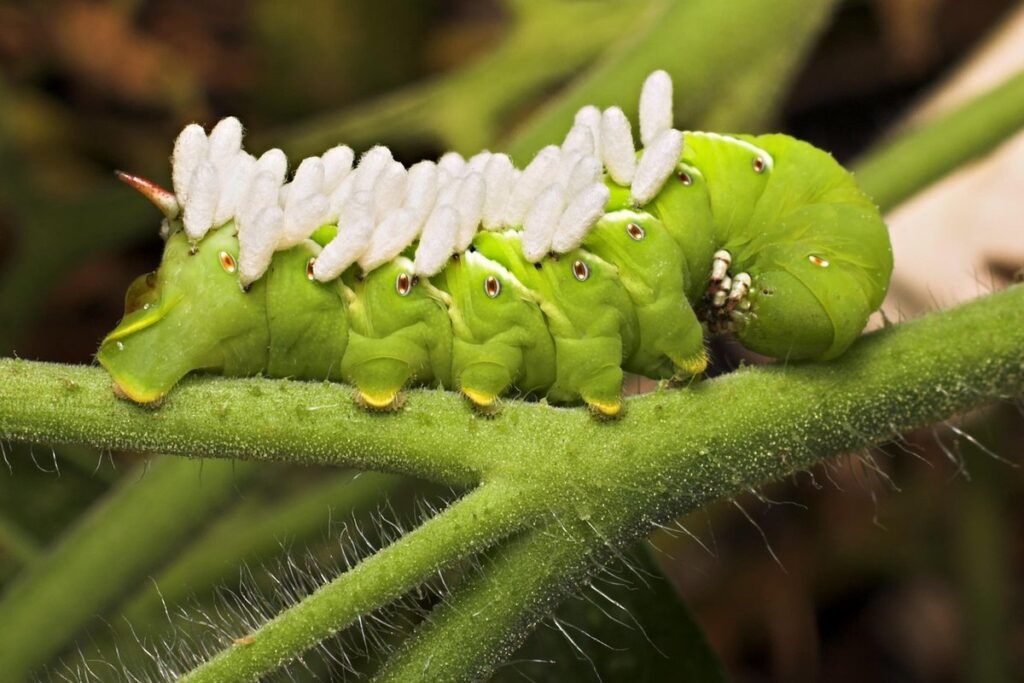
To detect eggs, caterpillars, and adult moths, inspect your plants carefully. Look for small white or yellowish egg masses on the undersides of leaves or on stems. These eggs are usually laid in clusters and can be difficult to spot. Hornworm caterpillars are large, green, and have a distinctive horn protruding from their rear end. They can grow up to 4 inches long and are often found hiding under leaves or in protected areas.
Adult moths are nocturnal, but you might catch a glimpse of them flying around your plants at dusk or dawn. If you notice any of these signs, it’s crucial to take action quickly to prevent further damage and reduce the risk of infestation spreading to other parts of your garden.
Preventing Future Outbreaks
To truly get rid of tomato hornworms, we need to think ahead and implement strategies that prevent future infestations. In this crucial step, we’ll explore prevention methods to keep your garden protected.
Keeping Your Garden Clean
Maintaining a clean garden is crucial when it comes to preventing future outbreaks of tomato hornworms. These pests thrive in environments that are cluttered with weeds, debris, and infected plants, which provide them with the perfect hiding spots and food sources.
When you remove weeds and debris from your garden, you’re not only reducing the number of potential hiding places for hornworms but also preventing them from spreading diseases to healthy plants. Make it a habit to inspect your garden regularly and pull out any unwanted growth that’s taking up space.
Infected plants should be disposed of immediately to prevent the pests from migrating to other areas of the garden. If you’re unsure whether a plant is infected, inspect it closely for signs of damage or discoloration. Remove any affected leaves or stems and destroy them by either composting or burning.
By keeping your garden clean and free of clutter, you’ll be reducing the risk of future tomato hornworm outbreaks. Regularly cleaning up weeds and debris will also make it easier to spot any potential problems early on, allowing you to take swift action against these pests before they get out of control.
Using Physical Barriers
When it comes to preventing future outbreaks of tomato hornworms, using physical barriers is an effective and easy method to employ. These barriers work by preventing the adult moths from reaching your tomato plants in the first place.
One popular option is fine-mesh row covers, which are lightweight, breathable fabrics that allow for airflow and sunlight while keeping pests out. Simply drape these over your plants or use them as a cover on individual plants to keep those pesky moths at bay. Another option is sticky traps, which can be placed near your tomato plants to catch adult moths before they have a chance to lay eggs.
To get the most out of these barriers, it’s essential to apply them correctly. For row covers, make sure to secure them tightly around the plant stem to prevent moths from slipping underneath. With sticky traps, place them in areas where you’ve seen moths flying or landing near your plants. By using physical barriers strategically, you can significantly reduce the risk of tomato hornworm infestations and keep your crop healthy and thriving.
Biological Control Methods
One of the most effective ways to get rid of tomato hornworms is through biological control methods, which use natural predators and parasites to eliminate the pests. This section will guide you in introducing these beneficial allies into your garden.
Encouraging Beneficial Insects
Beneficial insects like parasitic wasps and ladybugs play a crucial role in controlling hornworm populations. These natural predators are attracted to the same plants that hornworms infest, making them a valuable ally in your fight against these pests.
Parasitic wasps, specifically Trichogramma and Cotesia species, lay their eggs inside the hornworm’s body, where the larvae feed on the insect’s internal organs. This process is usually complete within 24-48 hours, effectively killing the hornworm without causing harm to other beneficial insects or plants.
Ladybugs, on the other hand, sequester aphid secretions that they store in specialized sacs called “mycangia” which contain beneficial fungi that are toxic to hornworms. Ladybugs also prey on hornworm eggs and young larvae. By introducing these beneficial insects into your garden, you can create a balanced ecosystem where hornworm populations naturally decline.
To encourage the presence of these beneficial insects, plant nectar-rich flowers like marigolds, sunflowers, or cosmos near your tomato plants. This will provide a food source for adult parasitic wasps and ladybugs.
Introducing Natural Predators
Attracting natural predators to your garden is a simple yet effective way to control tomato hornworm populations. These beneficial insects and birds feed on hornworms, reducing the damage they cause to your plants. To attract these predators, you’ll need to create a welcoming environment that meets their needs.
One of the key natural predators of tomato hornworms is the lacewing. These delicate-looking insects are voracious eaters, feeding on aphids and hornworms alike. To attract lacewings, plant flowers such as angelica or dill in your garden, which provide nectar for these beneficial insects. You can also use a shallow dish of water with rocks or twigs for them to land on while drinking.
Birds, particularly robins and blue jays, are also known to feed on hornworms. These birds often frequent gardens with dense foliage and shrubs that provide hiding places for their prey. To attract these birds, plant native vegetation in your garden and consider installing a bird feeder or two to supplement their diet.
By creating an environment that supports natural predators, you can reduce the need for pesticides and create a balanced ecosystem in your garden.
Chemical Control Methods
When it comes to getting rid of tomato hornworms, chemical control methods can be a quick and effective solution. Let’s take a look at some common chemicals used for this purpose.
Understanding Pest Management Options
When it comes to managing tomato hornworm infestations, chemical pesticides can be an effective solution. However, it’s essential to understand the various types of pesticides available and their potential risks.
Systemic pesticides are absorbed by the plant and work from the inside out to control pests. These chemicals are often applied to the soil or foliage and can provide long-lasting protection against tomato hornworms. Examples of systemic pesticides include neonicotinoids (e.g., imidacloprid) and pyrethroids (e.g., permethrin).
Contact pesticides, on the other hand, kill pests immediately upon contact with the chemical. These are often applied directly to infested plants or areas where hornworms are present. Contact pesticides include insecticidal soap, horticultural oil, and pyrethrin.
While effective in controlling tomato hornworm populations, chemical pesticides can pose risks to human health and the environment if not used properly. Pesticides can contaminate soil and water, posing a risk to beneficial insects, wildlife, and humans who consume contaminated produce. To minimize these risks, always follow label instructions carefully, wear protective clothing when applying pesticides, and consider using integrated pest management strategies that combine multiple control methods for optimal results.
Applying Pesticides Safely
When applying pesticides to control tomato hornworms, it’s essential to do so safely to avoid harming beneficial organisms and the environment. Start by reading the label carefully to understand the product’s specific instructions for use. This will help you determine the correct timing, dosage, and application method.
Before spraying, ensure that beneficial insects such as bees, butterflies, and ladybugs are not present in the area. Also, consider the time of day: early morning or late evening when it’s cooler outside is often best to minimize drift and runoff.
When applying pesticides, follow these precautions:
* Wear protective clothing including long sleeves, pants, gloves, and a mask.
* Avoid spraying during windy conditions to prevent drift.
* Keep children and pets away from the treated area until it’s safe for them to return.
Timing is also crucial: spray when the hornworms are most active, usually in the morning or evening. This will increase their exposure to the pesticide.
Organic Control Methods
One of the most effective ways to get rid of tomato hornworms is by using organic control methods that are gentle on your garden and the environment. Let’s explore some non-toxic approaches you can try today.
Using Insecticidal Soap or Neem Oil
When it comes to organic control methods for tomato hornworms, insecticidal soap and neem oil are two popular and effective options. These natural pesticides can be used to control hornworm populations without harming the environment.
Insecticidal soap is a gentle yet potent pesticide that can be sprayed directly on the hornworms or on the affected plants. It works by breaking down the insect’s exoskeleton, causing them to dehydrate and die. Mix 1-2 tablespoons of insecticidal soap with 1 gallon of water and spray it on the plant, making sure to cover all surfaces thoroughly.
Neem oil, on the other hand, is a more long-lasting solution that can be used as a soil drench or foliar spray. It works by interfering with the insect’s hormone system, preventing them from reproducing and eventually causing their death. Mix 2-3 tablespoons of neem oil with 1 gallon of water and spray it on the plant, or mix it with water and apply it directly to the soil around the base of the plants.
Remember to always follow the instructions on the label and take necessary precautions when using these products.
Making Your Own Pest Deterrents
Creating homemade pest deterrents is a cost-effective and environmentally friendly way to repel tomato hornworms from your garden. One of the most popular natural pest repellents is garlic spray. To make a garlic spray, simply blend 3-4 cloves of minced garlic with 1 quart of water and let it sit for 24 hours. Strain the mixture and add a few drops of dish soap to help the solution stick to the leaves. Spray this solution directly on the affected plants to repel hornworms.
Another effective homemade pest deterrent is hot pepper solution. Mix 2-3 teaspoons of cayenne pepper or red pepper flakes with 1 quart of water, let it sit for a few hours, and then strain the mixture. This solution can be sprayed directly on the leaves to deter tomato hornworms. You can also mix equal parts of hot pepper solution and garlic spray for an even stronger deterrent.
Remember, homemade pest deterrents may need to be reapplied every 7-10 days as they lose their potency over time. Also, make sure to test a small area of your plant before applying any new solution to ensure there’s no sensitivity or adverse reaction.
Integrated Pest Management (IPM)
When dealing with a tomato hornworm infestation, it’s essential to consider integrated pest management techniques that balance control methods for effective results. Let’s dive into some practical strategies to get rid of these pests sustainably.
Combining Methods for Maximum Effectiveness
When it comes to managing tomato hornworms, a one-size-fits-all approach often doesn’t yield the best results. This is where combining different methods comes into play – biological, chemical, and organic approaches can be used together for maximum effectiveness. Biological control involves introducing beneficial insects or microorganisms that prey on the hornworms, such as Trichogramma wasps.
Chemical control, though often frowned upon due to potential harm to humans and the environment, can still have a place in integrated pest management (IPM). Neem oil, for instance, is an organic compound with insecticidal properties that can be used as a last resort or on infested areas only. Organic options like Bt (Bacillus thuringiensis) sprays can also help control hornworm populations.
By combining these methods, you create a holistic pest management strategy that minimizes harm to beneficial insects and the environment while maximizing efficacy. For example, introducing beneficial wasps early in the season can significantly reduce hornworm infestations. Then, as needed, a targeted chemical application or organic spray can help finish off any remaining pests.
Monitoring and Evaluating Results
Monitoring your garden regularly is crucial to detect and control tomato hornworm infestations early on. Set aside time each week to inspect your plants thoroughly, checking for signs of feeding damage, eggs, or actual worms. This can be as simple as gently rubbing the leaves with your fingers or using a soft-bristled brush to dislodge any hiding pests.
When evaluating the effectiveness of control methods used, consider the following key factors: reduction in worm population, decrease in plant damage, and overall garden health. Keep track of the number of worms present before treatment and after implementation of control measures to gauge success.
Some common indicators of effective IPM strategies include a noticeable decline in worm sightings, reduced leaf damage, and improved plant vigor. On the other hand, if you continue to see significant worm activity or damage despite implementing control methods, it may be necessary to reassess your approach and consider alternative tactics. Be prepared to adjust your strategy as needed to ensure optimal results.
Frequently Asked Questions
What is the best way to monitor my garden for future tomato hornworm infestations?
Regularly inspect your plants, especially during peak growth periods, looking for signs of damage or eggs on the underside of leaves. Use a magnifying glass to examine the undersides of leaves and stems. Check for any suspicious-looking caterpillars, frass (insect droppings), or webs. By being vigilant, you can catch infestations early and prevent significant damage.
Can I use a single method to eliminate tomato hornworms from my garden?
While it’s possible to use a single method, such as applying insecticidal soap, it’s often more effective to combine multiple methods for maximum control. Biological controls like beneficial nematodes can provide long-term protection, while physical barriers and traps can help monitor and manage infestations.
How do I protect my other plants from being affected by tomato hornworms?
Tomato hornworms can spread quickly between plants, so it’s essential to isolate infected areas and take steps to prevent further spread. Remove any affected plants or debris to prevent eggs from hatching. Use row covers or fine-mesh screens to keep adult moths away from other plants.
What if I’ve already noticed significant damage – can I still save my tomato crop?
Yes, even if your plant has been severely damaged, you may still be able to salvage it by removing the hornworms and treating the area with a biological control or insecticidal soap. Prune back any heavily damaged areas, and provide optimal growing conditions for recovery.
How do I know which pest management option is best for my specific garden needs?
Consider factors like your region’s climate, soil type, and local pest pressure when selecting a method. Organic controls may be more suitable for small gardens or those with sensitive plants, while chemical controls might be necessary for severe infestations. Always read product labels carefully and follow instructions to ensure safe use.