
Germinating peas outdoors can be a delightful experience for gardeners, but it requires some planning and attention to detail. With the right guidance, you can successfully grow a bountiful crop of delicious and nutritious peas. However, many gardeners struggle with this process, often due to selecting the wrong variety or failing to prepare their site properly.
In this article, we’ll take you through the step-by-step process of germinating peas outdoors, covering everything from selecting the ideal variety for your climate and soil type, to preparing the perfect growing conditions. We’ll also share expert tips on how to avoid common issues like poor germination rates or legume diseases. By following our guide, you can enjoy a successful pea harvest that will leave you with a sense of accomplishment and a bounty of fresh produce to enjoy.
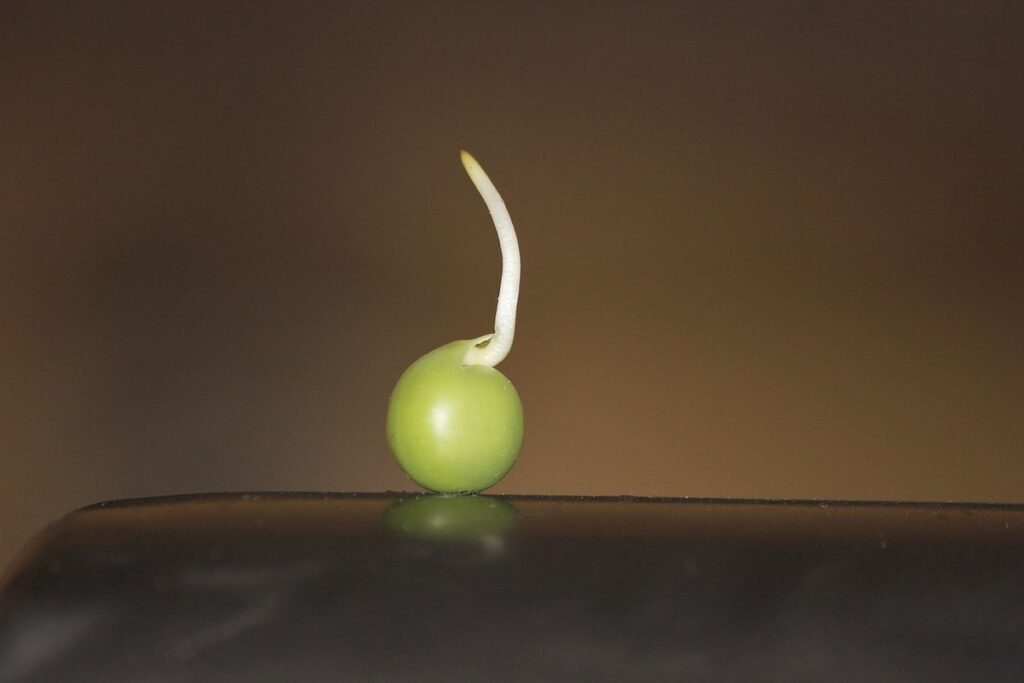
Choosing the Right Variety
When it comes to germinating peas outdoors, selecting the right variety is crucial for success. Not all pea varieties are suitable for direct sowing in your garden.
Understanding the Different Types of Garden Peas
When choosing a variety of garden peas for outdoor germination, it’s essential to understand the different types available. The most common categories are bush peas, climbing peas, and snow peas.
Bush peas are compact, mature quickly (usually within 50-60 days), and produce a high yield of small to medium-sized pods. They’re ideal for smaller gardens or containers since they don’t require support. However, their growth is limited, making them less suitable for areas with poor soil quality.
Climbing peas, on the other hand, are vining varieties that need trellises or other supports to grow upwards. They take longer to mature (around 60-70 days) but produce larger pods and higher yields than bush peas. Climbing peas are perfect for gardens with ample space and good soil quality.
Snow peas have flat, tender pods that are harvested before they reach full maturity (usually within 50-60 days). They don’t produce large seeds like other varieties and require minimal support. Snow peas thrive in well-drained soil and partial shade, making them an excellent choice for gardens with limited sunlight.
When selecting a type of pea, consider factors such as the space available, desired yield, and soil quality to ensure optimal growth and success.
Selecting a Suitable Climate and Soil Type
When selecting a suitable climate and soil type for germinating peas outdoors, it’s essential to consider the ideal conditions that promote healthy growth. Peas require a temperate climate with moderate temperatures between 40°F (4°C) and 70°F (21°C). Avoid areas with extreme temperatures, as this can cause damage or hinder germination.
Soil pH plays a crucial role in pea germination. Most garden peas prefer well-drained, fertile soil with a slightly acidic to neutral pH, ranging from 6.0 to 7.0. A pH outside of this range may lead to nutrient deficiencies and affect the overall health of your pea plants.
Sunlight is also vital for pea growth. Peas require full sun to partial shade, but direct sunlight can cause moisture loss. Aim for at least six hours of indirect sunlight per day or provide shade during peak sun hours using a trellis or other support structure.
Preparing the Site
Before you start sowing your pea seeds, it’s essential to prepare the site by clearing any debris and loosening the soil to give the roots room to grow freely. Make sure the area receives sufficient sunlight.
Creating a Suitable Bed for Pea Germination
When creating a bed for pea germination outdoors, it’s essential to prepare the site properly. Start by digging the area to a depth of about 12-18 inches. This will loosen up the soil and help break down any compacted layers that may be present. Next, till the soil thoroughly to a depth of around 6-8 inches. Tilling helps to aerate the soil, which is crucial for healthy root growth.
Now, take this opportunity to remove weeds from the area by hand or with an herbicide specifically designed for your type of weed and desired germination method. You want a clean slate to ensure that your peas have the best chance at successful germination.
It’s also beneficial to incorporate compost or well-rotted manure into the soil, as these nutrients will provide essential energy for seedlings. Finally, rake the soil to create a smooth surface. Make sure it’s not too compacted, but still retains enough moisture to support germination. Your bed is now ready for pea germination.
Understanding Soil Nutrient Requirements for Peas
Peas require a balanced diet of nutrients to thrive, and it’s essential to understand their nutrient requirements before enriching the soil. Nitrogen (N) is a critical component for pea growth, as it promotes leafy green development. Aim for a nitrogen-rich soil with an optimal pH between 6.0 and 7.0. You can add compost or well-rotted manure to boost nitrogen levels.
Phosphorus (P), on the other hand, supports root development and flowering. Ensure your soil has adequate phosphorus by incorporating bone meal or fish emulsion into the soil mix. Potassium (K) is another essential nutrient that helps peas resist disease and promote overall health. Add potassium-rich fertilizers like kelp meal or green sand to enhance soil fertility.
To determine your soil’s nutrient levels, conduct a soil test before planting. This will give you an accurate picture of what nutrients are lacking and allow you to make informed decisions about fertilizer applications. By understanding the specific nutrient requirements of peas, you can create an ideal growing environment for healthy, productive plants.
Sowing Seeds
Before sowing seeds directly into the ground, it’s essential to prepare your soil and select a spot that receives the right amount of sunlight for pea germination. Let’s dive into the specifics of outdoor seed sowing for peas.
Determining the Right Time for Planting
When it comes to planting peas outdoors, timing is everything. You’ll want to avoid planting too early or too late, as this can affect the quality and quantity of your harvest. To determine the right time for planting, you’ll need to consider a few key factors.
First, check the average frost dates for your area. Peas are sensitive to frost, so it’s essential to wait until the soil has warmed up and the risk of frost has passed. Typically, this is around late March or early April in most regions. However, if you live in an area with a longer growing season, you may be able to plant peas as soon as the soil can be worked in February or March.
Next, take into account the weather conditions. Peas prefer cooler temperatures and adequate moisture. Avoid planting during periods of extreme heat or drought, as this can lead to poor germination and weak seedlings.
In areas with a distinct spring season, such as the Northeast or Midwest, it’s best to plant peas in late April or early May. This allows them to mature before the summer heat sets in. In regions with mild winters, like California or the Southwest, you may be able to plant peas year-round.
Techniques for Sowing Pea Seeds
When it comes to sowing pea seeds outdoors, you have several techniques at your disposal. One of the most straightforward methods is direct sowing, where you sow the seeds directly into the garden bed. This method allows for a more natural germination process and can be just as effective as starting indoors.
To direct sow pea seeds, create shallow holes about 1-2 inches deep and 3-4 inches apart, depending on the variety. Gently place one or two seeds in each hole and cover with soil. Water thoroughly to settle the soil. As the weather warms up, your pea seedlings should begin to emerge.
Another option is sowing in a cold frame, which provides protection from harsh winds and extreme temperatures. You can also start pea seeds indoors 4-6 weeks before the last frost date, then transplant them outside when the weather permits. This method allows for earlier germination and a head start on the growing season. Whichever technique you choose, make sure to follow the specific instructions for your chosen variety.
Caring for Germinating Peas
Now that you’ve sown your pea seeds, it’s essential to provide them with the right conditions to thrive during germination. Keep the soil consistently moist but not waterlogged.
Maintaining Optimal Soil Moisture Levels
Maintaining optimal soil moisture levels is crucial for healthy pea germination and growth. When seeds are first planted, they absorb water from the surrounding soil to initiate the germination process. This initial watering helps soften the seed coat, allowing the embryo inside to grow. However, it’s essential not to overwater, as excess moisture can lead to fungal diseases and root rot.
The ideal soil moisture level for peas is when the top 1-2 inches of soil feels slightly damp but not waterlogged. You can check this by inserting your finger into the soil or using a moisture meter. Aim to provide about 6-8 inches of rainfall or irrigation per week, either through rain or supplemental watering.
To avoid overwatering, observe your pea seeds daily and adjust your watering schedule as needed. Keep in mind that soil type, climate, and weather conditions can affect water retention. Use mulch or cover crops to reduce evaporation and retain moisture in the soil. By maintaining optimal soil moisture levels, you’ll create a conducive environment for healthy pea growth and ensure a successful outdoor germination experience.
Managing Pests and Diseases
As you’re germinating peas outdoors, it’s essential to be aware of potential pests and diseases that can impact their growth. One common issue is aphids, small sap-sucking insects that can weaken the plant and spread disease. To manage aphids, use neem oil or insecticidal soap, which are gentle yet effective methods for controlling infestations.
Fungal diseases such as powdery mildew and downy mildew often affect peas, especially in humid conditions. To prevent these issues, ensure good air circulation around the seedlings and avoid watering from overhead, which can encourage fungal growth. If you do notice signs of disease, treat with a fungicide specifically labeled for use on peas.
Other pests like slugs and snails can also harm your pea crop. Use copper tape or crushed eggshells around the seedlings to deter these slimy creatures. Organic methods are generally preferred as they minimize environmental impact and promote a balanced ecosystem. Always follow label instructions when using chemical controls, and take necessary precautions to avoid harming beneficial insects that aid in pollination.
Keep an eye out for signs of pests and diseases regularly, and take prompt action if you notice any issues. Regularly inspect your seedlings, and maintain good garden hygiene practices like removing weeds and debris to reduce the risk of infestations.
Troubleshooting Common Issues
Sometimes things don’t go as planned when germinating peas outdoors, and that’s where troubleshooting comes in. Let’s address some of the common issues you might encounter along the way.
Identifying and Resolving Germination Problems
When germinating peas outdoors, you may encounter some common issues that can affect their growth. Poor soil quality is a major problem, as it can prevent seedlings from developing properly. Check the pH level of your soil and amend it if necessary. Most pea varieties thrive in slightly acidic to neutral soil (pH 6.0-7.0). Avoid using garden beds with poor drainage, as excess water can cause roots to rot.
Inadequate moisture is another common issue. Peas require consistent moisture, especially during the germination phase. Water the seeds gently but thoroughly after sowing, and keep the soil consistently moist throughout the day. Aim for about 1-2 inches of rainfall or irrigation per week.
Insufficient light can also hinder pea growth. Most pea varieties require full sun to partial shade, depending on the variety. If you’re growing peas in a shaded area, choose varieties that are specifically bred for shadier conditions. Keep an eye out for these issues and take corrective action promptly to ensure your peas germinate successfully.
In cases where seedlings emerge weak or stunted, it may be due to temperature fluctuations. Peas prefer cooler temperatures between 40°F and 70°F (4°C-21°C). Avoid planting in areas with extreme temperature fluctuations or frost pockets.
Monitor the soil regularly for signs of nutrient deficiencies, such as yellowing leaves or stunted growth. Add organic matter like compost or well-rotted manure to enrich the soil. By addressing these common issues promptly, you can ensure a successful pea germination process outdoors.
Addressing Challenges in the Growth Stage
As your peas begin to grow and mature, you may encounter various challenges that can impact their health and productivity. One of the most common issues is pest infestation. Aphids, slugs, and snails are some of the common pests that target pea plants. To address this issue, keep a close eye on your plants for any signs of damage or discoloration. Use organic pest control methods such as neem oil or insecticidal soap to get rid of pests.
Diseases like powdery mildew and leaf spot can also affect pea plants. These diseases thrive in humid environments and are often caused by overwatering. To prevent disease, ensure good air circulation around your plants and avoid overhead watering. Regularly inspect your plants for any signs of disease and take action promptly if you notice any issues.
Environmental stressors like extreme temperatures, drought, or excessive rain can also impact pea growth. Make sure to provide your plants with the right conditions by offering shade during peak sun hours and keeping the soil consistently moist but not waterlogged.
Harvesting Your Peas
Now that your peas are sprouting, it’s time to harvest them at their peak sweetness and freshness, usually within 50-60 days of sowing. Learn how to pick them perfectly in this section!
Determining the Right Time for Harvest
Determining the right time for harvest is crucial to ensure you’re picking your peas at their peak freshness and flavor. When it comes to peas, size, color, and texture are key indicators of readiness.
Start by checking the pods’ size: most garden peas are ready when they’re about 2-3 inches long and plump. You can also look for a slight swell in the middle section of the pod, which indicates that the peas inside have reached maturity. Some varieties, like snow peas, are harvested before they reach full size and are instead picked when their pods are flat and tender.
Another way to determine readiness is by checking the color: most garden peas turn from green to a more vibrant green or even yellowish-green as they ripen. Snow peas typically retain their bright green color but may develop a slight sheen. Finally, gently pinch the pods between your thumb and index finger; if they snap easily, they’re ready for harvest.
Timing is everything when it comes to harvesting peas: most varieties take around 50-60 days from sowing to maturity. Keep in mind that weather conditions can affect maturation rates, so monitor your crop regularly for optimal results.
Techniques for Harvesting and Storage
When it’s time to harvest your outdoor peas, you’ll want to ensure that you’re doing so efficiently and effectively. One of the most common methods for harvesting peas is hand-picking. This involves gently plucking the pods from the plant, usually when they are at their peak sweetness.
For larger quantities, machine-harvesting can be a more practical option. Some gardeners use specialized pea harvesters that can clip the pods from the stem with minimal damage to the plant. However, this method may not be as suitable for smaller gardens or for those looking for a more precise approach.
Regardless of the harvesting method you choose, proper storage is crucial to maintaining the freshness and quality of your peas. Store harvested peas in a cool, dry place, such as a pantry or cupboard. You can also consider freezing them to preserve their flavor and nutritional value. Simply blanch the peas in boiling water for 30 seconds to 1 minute before plunging them into an ice bath, then transfer them to airtight containers or freezer bags.
Freezing not only extends the shelf life of your peas but also helps retain their texture and color.
Frequently Asked Questions
How can I ensure my soil has the right pH for pea germination?
While most peas prefer a slightly acidic to neutral soil pH, some varieties may thrive in more alkaline conditions. Before sowing, test your soil pH and amend it if necessary. Peas can tolerate a wide range of pH levels but will perform best between 6.0 and 7.0.
What are the signs of poor germination rates in peas?
Poor germination rates can be due to factors like inadequate moisture, insufficient light, or incorrect sowing depth. Look out for symptoms like slow growth, yellowing leaves, or a low number of seedlings emerging from the soil. Adjust your growing conditions accordingly and try again with fresh seeds.
Can I sow pea seeds too deeply in the ground?
Yes. Sowing pea seeds too deeply can lead to poor germination rates or weak seedlings. Plant them about 1-2 inches deep, depending on the variety, and water well after sowing to ensure proper moisture levels.
How often should I check for pests and diseases in my pea crop?
Regularly inspect your pea plants every 7-10 days for signs of pests like aphids, slugs, or snails. Check for disease symptoms such as yellowing leaves, black spots, or powdery mildew. Use organic or integrated pest management methods to address any issues promptly.
Can I grow peas in containers if I don’t have a garden bed?
Yes. Peas can thrive in large containers with good drainage, provided they receive adequate sunlight and moisture. Choose varieties specifically bred for container growing and follow the same sowing and care instructions as for garden beds.