
As the summer blooms begin to fade, your chrysanthemum plant may be looking a bit worse for wear. But don’t worry, with a little TLC and some expert guidance, you can get your mums back on track in no time. Cutting back your chrysanthemum plant is an essential part of its maintenance, as it promotes healthy growth, encourages new blooms, and prevents the plant from becoming leggy and vulnerable to disease.
In this article, we’ll walk you through everything you need to know about how to cut back a chrysanthemum plant. We’ll cover the best timing for pruning, share expert techniques for cutting back different types of mums, and provide tips on after-pruning care to ensure your plant thrives. Whether you’re a seasoned gardener or just starting out, our guide will help you learn how to properly cut back your chrysanthemum plant and enjoy a beautiful display of blooms all season long.
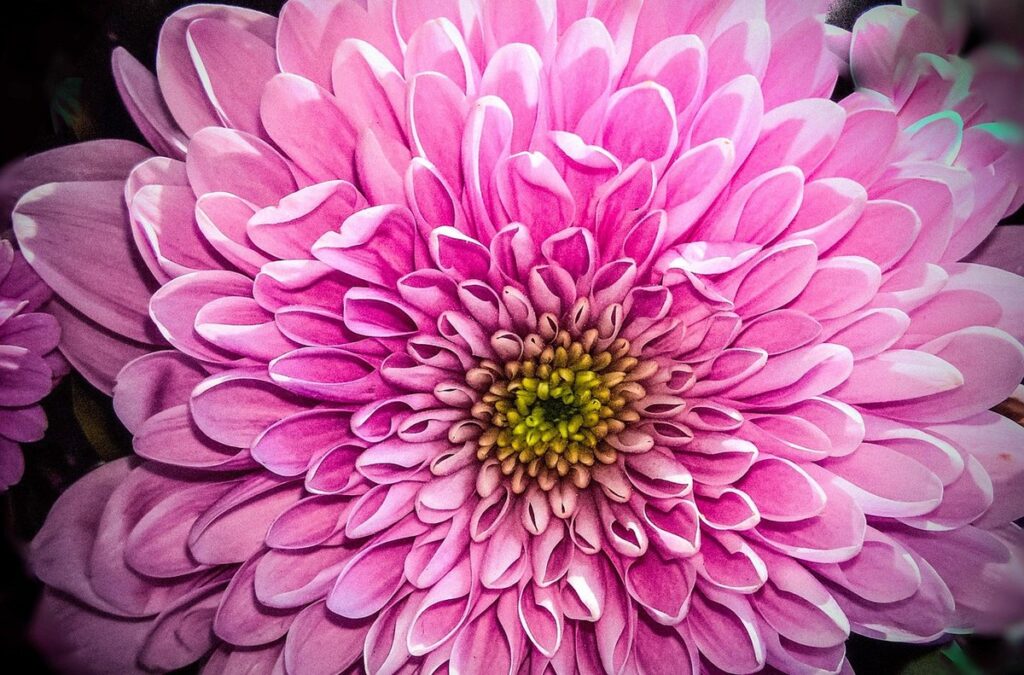
Understanding Your Chrysanthemum Plant’s Needs
To grow beautiful and healthy chrysanthemums, you need to understand their specific needs, including lighting, watering, and fertilization requirements. This knowledge will help you care for your plants during the off-season.
Knowing When to Cut Back
When it comes to cutting back chrysanthemums, timing is everything. You’ll want to pay attention to your plant’s signs of overgrowth and prune accordingly. If you notice that your chrysanthemum plant has become leggy or top-heavy, with weak stems and a sprawling habit, it’s likely due for some pruning. This can be especially true after a hot summer when the plant may have grown rapidly.
As a general rule, spring and fall are the best times to cut back chrysanthemums. In the spring, prune your plants about six weeks before new growth begins, allowing them to focus their energy on producing plenty of flowers later in the season. Come fall, trim back your plants after they’ve finished blooming, cutting back the stems to about four to six inches from the ground.
Some other signs that it’s time to cut back include a decrease in flower production or if you notice dead or damaged growth on the plant.
Preparing for Pruning
Before you start cutting back your chrysanthemums, it’s essential to prepare yourself and your tools. This will ensure a safe and efficient pruning process.
To begin with, gather the necessary equipment: sharp, sterile pruning shears or loppers for deadheading and cutting back stems, as well as garden gloves for protection against thorns and sap. You may also need a pair of gardening kneepads to prevent strain while working on your knees. Make sure all your tools are clean and sanitized to prevent the spread of diseases.
Safety precautions are equally important. Wear protective eyewear and clothing that covers your skin, such as long sleeves and pants. Be mindful of your surroundings, keeping an eye out for any obstacles or tripping hazards. If you have pets or children, keep them at a safe distance to avoid any accidents. By taking these simple steps, you’ll be well-prepared to tackle the task of cutting back your chrysanthemums and enjoy a healthy, thriving plant throughout the growing season.
Some additional tips: always prune in good light, so you can see what you’re doing, and remove any debris or weeds that may have accumulated around the base of your plants. This will help prevent the spread of diseases and make it easier to access the areas you need to prune.
Choosing the Right Time
When it comes to cutting back chrysanthemums, timing is crucial to promote healthy growth and prevent disease. Let’s explore how to choose the perfect moment for this essential task.
Understanding Chrysanthemum Growth Cycles
Understanding the growth cycle of chrysanthemum plants is crucial for determining when to prune them. To identify the plant’s peak growth stage, observe its foliage and flowering patterns. Typically, chrysanthemums thrive during the late summer and early fall seasons. At this time, they produce an abundance of blooms in shades of yellow, orange, red, and purple.
During their active growing period, chrysanthemums will display a significant increase in leaf growth and stem length. This is usually accompanied by an increase in flower production. However, as the days shorten and temperatures cool down, the plant’s energy focus shifts from growth to seed production.
As you observe your chrysanthemum plant, look for signs of decline in new growth and a decrease in flowering. This transition typically occurs around late September or early October, depending on your region and climate. Once you notice this change, it’s an ideal time to prune your chrysanthemums.
By cutting back your chrysanthemums during their dormant period, you’ll encourage new growth, promote healthy root development, and stimulate a robust bloom in the following year.
The Impact of Weather on Pruning
When planning to prune your chrysanthemum plant, it’s essential to consider the impact of weather conditions on the timing of this task. Frost, heat, and humidity can all affect the health and appearance of your plant, making some seasons better than others for pruning.
Frost can be particularly damaging to chrysanthemums, causing damage to new growth and reducing the plant’s ability to recover from pruning. If possible, wait until frost has passed before cutting back your chrysanthemum plant. In regions with mild winters, this may mean waiting until spring. In areas with harsher winters, you may need to prune in early summer.
On the other hand, extreme heat can cause moisture loss and stress to the plant, making it more susceptible to disease and pests. Prune your chrysanthemum in the cooler months of autumn or spring when temperatures are mild. High humidity can also be problematic, encouraging fungal growth and spreading diseases.
Keep an eye on weather forecasts before pruning, and avoid cutting back your chrysanthemum during periods of high heat or rainfall. This will help minimize damage to your plant and promote healthy regrowth.
Techniques for Cutting Back Chrysanthemums
Now that you’ve cut back your chrysanthemum plant, it’s time to focus on techniques for maintaining their shape and promoting healthy growth. Here are some essential tips to get you started.
Step-by-Step Pruning Instructions
To properly cut back your chrysanthemum plant, follow these step-by-step instructions. First, remove any dead or damaged leaves and stems to prevent the spread of disease and encourage healthy growth.
For large plants, start by cutting back the tallest stems to about one-third to one-half their original height. This will help control the overall size of the plant and promote bushy growth. Use sharp, clean pruning tools and make cuts just above a bud eye (the small swelling on the stem from which new growth emerges).
Next, focus on shaping the plant by cutting back branches that are leggy or crossing over other stems. Cut these sections at an angle, about 1/4 inch above a bud eye, to encourage new growth in the desired direction.
When pruning, use a gentle sawing motion and avoid tearing the bark. This will help prevent damage to the stem and promote healthy healing.
Common Mistakes to Avoid
When cutting back chrysanthemums, there are several common mistakes that gardeners make. One of the most critical errors is over-pruning. While it’s essential to remove dead and diseased stems, cutting too much of the plant can cause stress, leading to a weaker recovery in the spring. To avoid this, trim only about one-third of the plant, making clean cuts just above a node (where a leaf meets the stem). This will encourage new growth without putting excessive strain on the plant.
Incorrect tool usage is another mistake that can harm your chrysanthemums. Using dull or rusty pruning tools can spread diseases and cause wounds to become infected. It’s essential to use sharp, clean tools for cutting back your mums. You should also cut during the cooler part of the day to prevent shock to the plant.
Remember, it’s better to err on the side of caution when cutting back chrysanthemums. If you’re unsure about how much to prune or which stems to remove, consult with a gardening expert or look for guidance online.
After-Pruning Care
Now that you’ve pruned your chrysanthemums, it’s time to focus on their after-care. In this next step, we’ll cover how to nurture your plants back to health and vibrancy.
Maintaining Plant Health
After pruning your chrysanthemum plant, it’s essential to provide it with the right care to promote healthy growth and prevent disease. Proper watering is crucial during this period. Water your pruned plant when the top inch of soil feels dry to the touch. Avoid overwatering, as this can lead to root rot and other issues.
Fertilization is also vital at this stage. Use a balanced, water-soluble fertilizer (10-10-10 NPK) to provide essential nutrients for new growth. Dilute the fertilizer according to the manufacturer’s instructions and apply it once a week. This will encourage healthy foliage and flower production.
Regular pest control checks are necessary to prevent pests like aphids, whiteflies, and spider mites from taking advantage of your plant’s weakened state. Inspect your plant regularly, and treat any infestations promptly with insecticidal soap or neem oil.
Additionally, mulch around the base of the plant to retain moisture, suppress weeds, and regulate soil temperature. This simple yet effective technique will help your pruned chrysanthemum recover quickly and thrive in its new state.
Encouraging New Growth
Now that you’ve pruned your chrysanthemums, it’s time to focus on encouraging new growth. This is a crucial step in the process, as it will determine how healthy and vibrant your plant looks come next season.
To do this, start by providing your plant with optimal growing conditions. Make sure it’s getting enough sunlight – at least six hours of direct sunlight per day is ideal for chrysanthemums. If you’re planting in a container, choose one that’s well-draining to prevent root rot and ensure the roots have plenty of room to breathe.
Next, fertilize your plant with a balanced, water-soluble fertilizer. Follow the instructions on the packaging for application rates, but as a general rule, feed your chrysanthemums once a month during the growing season (spring-fall). This will provide them with the necessary nutrients to promote new growth and development.
By providing your pruned chrysanthemums with the right environment and nourishment, you’ll be well on your way to encouraging healthy new growth. Remember to keep an eye on the weather and adjust your care routine accordingly – too much water or extreme temperatures can harm your plant’s chances of thriving.
Common Chrysanthemum Varieties
There are many stunning chrysanthemum varieties, each with its own unique characteristics and growth habits, which can impact how you prune them effectively. Let’s explore some of the most popular types to keep in mind.
Differences Between Species
When it comes to cutting back chrysanthemums, understanding the differences between species is crucial. As we mentioned earlier, not all chrysanthemums are created equal. The two main types are herbaceous and hardy varieties, each with its unique characteristics that require specialized care.
Herbaceous chrysanthemums, also known as tender perennials, are more delicate and typically need to be cut back harder than their hardy counterparts. This type of chrysanthemum usually goes dormant in the winter and needs to be protected from frost. When cutting back herbaceous chrysanthemums, make sure to cut the stems almost down to the ground, about 2-3 inches above a node (where a leaf meets the stem). This will help promote new growth and encourage the plant to produce more blooms.
Hardy chrysanthemums, on the other hand, are more resilient and can tolerate colder temperatures. When cutting back hardy chrysanthemums, you can cut the stems about 1/3 to 1/2 of their height, depending on how much maintenance you want to perform. It’s essential to note that both types require a clean cut using sharp pruning tools to prevent disease and promote healthy growth.
Some other factors to consider when cutting back chrysanthemums include their size, spread, and bloom time. For example, dwarf varieties may need less aggressive pruning than larger varieties. Additionally, late-blooming chrysanthemums should be pruned in the spring rather than fall to encourage new growth and blooms. By considering these unique characteristics, you can tailor your cutting back technique to ensure optimal health and beauty for your specific variety of chrysanthemum.
Choosing the Right Variety for Your Needs
When selecting a chrysanthemum variety for your garden, it’s essential to consider your specific climate, soil type, and desired growth habits. This will ensure that your mums thrive and require minimal maintenance.
First, think about the hardiness zone you live in. Chrysanthemums are generally hardy in zones 5-9, but some varieties can tolerate temperatures as low as -20°F or as high as 90°F. If you live in a colder climate, look for varieties like ‘Sheffield Pink’ or ‘Yellow Charlie’, which are known for their cold hardiness.
Next, consider your soil type. Chrysanthemums prefer well-draining soil with a pH between 6.0 and 7.0. If your soil is heavy clay or sandy, choose a variety that’s tolerant of those conditions. For example, ‘Red Flash’ does well in poor soil, while ‘Coral Charm’ prefers slightly acidic soil.
Lastly, think about the growth habits you want for your mums. Some varieties are compact and suitable for containers, while others can grow quite tall (up to 6 feet!). If you have limited space or want a low-maintenance option, look for dwarf or semi-dwarf varieties like ‘Jumbo’ or ‘Gold Medal’.
Frequently Asked Questions
Can I Cut Back Chrysanthemums During Frost?
Yes, it’s generally safe to cut back chrysanthemum plants after the first frost of winter, as this helps prevent damage from cold temperatures. However, be cautious and wait until the plant has fully frozen, making it easier to prune without risking injury.
How Do I Prevent Cutting Back Chrysanthemums Too Much?
To avoid over-pruning your chrysanthemum plant, start by removing only about one-third of the stem’s length. This will allow you to assess the plant’s response and make further adjustments as needed. Monitor for new growth and adjust your pruning schedule accordingly.
Can I Cut Back Chrysanthemums in Direct Sunlight?
No, it’s best to prune chrysanthemum plants when they’re shaded from direct sunlight, especially during hot summer months. Pruning in full sun can cause the plant to become stressed, leading to potential disease or pest issues.
How Do I Know When My Chrysanthemum Plant Has Recovered?
A recovered chrysanthemum plant will exhibit new growth, such as fresh leaves and stems, within 1-2 weeks after pruning. Keep an eye out for signs of recovery, like a fuller appearance and increased blooming potential.
Can I Cut Back Chrysanthemums at Different Times for Different Varieties?
Yes, different types of chrysanthemum plants may have specific pruning needs. Research your plant’s specific variety to determine the best timing for cutting back, as some may require more frequent or less severe pruning than others.