
If you’re looking for an eco-friendly and cost-effective way to secure your property, building a wattle fence is an excellent option. Not only does it provide a natural barrier against intruders, but it’s also durable and can withstand harsh weather conditions. With proper planning and execution, a wattle fence can be a beautiful addition to any outdoor space. In this comprehensive guide, we’ll take you through the process of building a secure and long-lasting wattle fence, from preparation to construction techniques. We’ll cover everything you need to know, including choosing the right materials, designing your fence, and assembling the panels. By the end of this article, you’ll be equipped with the knowledge to create a stunning and functional wattle fence that meets your needs.
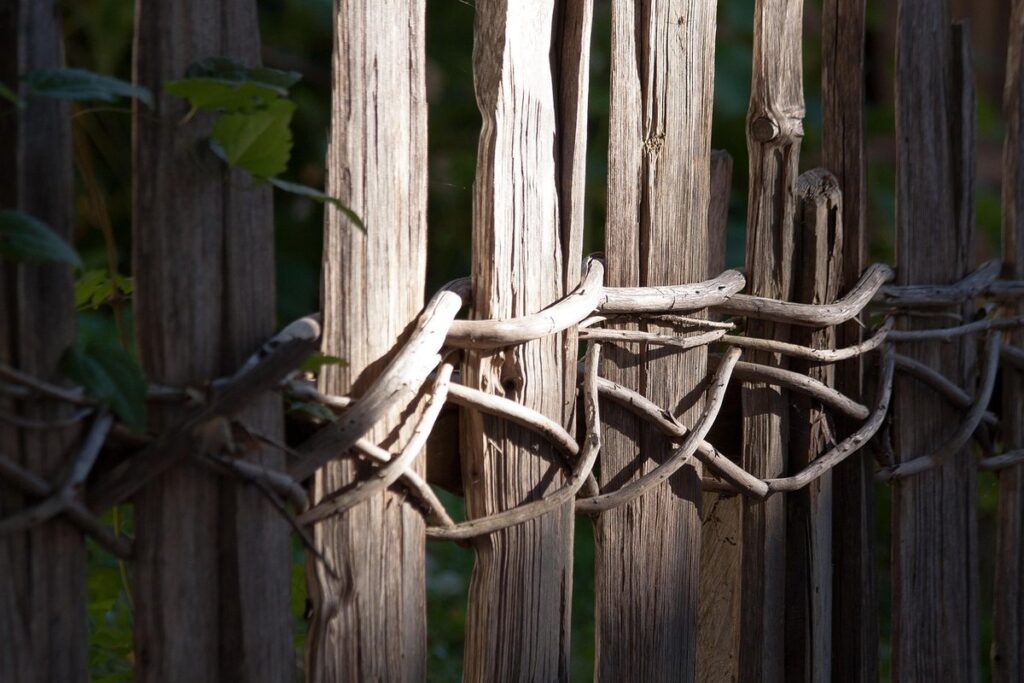
Planning Your Wattle Fence
Before you start building, take a moment to plan out your wattle fence’s design and materials, ensuring it fits seamlessly into your outdoor space. This will make construction much smoother and more enjoyable.
Choosing the Right Materials
When it comes to building a wattle fence, choosing the right materials is crucial for its durability and functionality. You’ll need to select suitable types of wood, wire mesh, and other essential components.
For the framework, opt for robust woods like cedar, cypress, or hardwoods that can withstand harsh weather conditions. These woods also have natural resistance to rot, decay, and insect damage, extending the life of your fence. For example, Western red cedar is a popular choice due to its durability, resistance to warping, and attractive appearance.
In addition to wood, you’ll need wire mesh or chicken wire to secure the framework. Burying the mesh at least 30cm underground will prevent predators from burrowing underneath. Consider using rabbit or deer netting for areas with high animal traffic.
For added stability, use wooden posts or corner posts that are set deeper into the ground. You can also incorporate metal brackets or screws to secure the framework and mesh in place.
Remember to choose materials that complement your local climate and environment. Consult local hardware stores or suppliers for advice on suitable materials for your region.
Measuring Your Site
To build an effective wattle fence, you need to start with accurate measurements of your site. This will help determine the length and number of panels required for your project. Begin by walking along the perimeter of your property, taking note of any obstacles or features that may affect the fence’s placement.
Measure the distance between these points using a tape measure or laser level. Consider the wattle panel’s width (typically 1-2 meters) when calculating the overall length needed. If you have a rectangular plot, divide it into sections and calculate each area separately to ensure accurate coverage.
Keep in mind that some areas may require additional panels for support or corner reinforcement. Take note of these sections and add extra panels accordingly. Make sure to consider any gates or openings you plan to include in your design as well. A general rule of thumb is to have a 5-10% buffer on your measurements to account for cuts, errors, or changes during installation. This will help prevent material waste and ensure a smooth building process.
Understanding Local Regulations
Before you begin building your wattle fence, it’s essential to understand the local regulations and building codes that may apply to your project. These regulations can vary significantly depending on your location, so it’s crucial to check with your local government or council for specific requirements.
In general, most municipalities require a building permit for any new fence construction, including wattle fences. This is to ensure that your fence meets safety standards and doesn’t obstruct neighbors’ views or create tripping hazards. To obtain the necessary permits, you’ll typically need to submit plans and specifications of your proposed fence design, along with documentation of your property boundaries.
Check with your local council to determine if there are any specific regulations governing wattle fences in your area. For example, some councils may have restrictions on the height or material used for fencing, while others may require additional permits for environmental conservation purposes. Be sure to review these regulations carefully before commencing your project to avoid costly delays or fines.
Preparing the Site
Before you start building your wattle fence, let’s get the site ready for construction. This involves clearing any debris and preparing a level surface to work on.
Clearing the Area
Before you can start building your wattle fence, it’s essential to clear the area where it will be standing. This involves removing debris and vegetation that could interfere with the construction process or compromise the integrity of the fence.
Begin by walking around the designated site and collecting any loose items such as rocks, sticks, or broken branches. Remove any sharp objects like nails or glass fragments to prevent accidents during construction. Next, use a rake or a spade to clear away weeds and small plants. If you have larger vegetation, consider using a brush cutter or loppers to make the process easier.
If the area is heavily overgrown with trees or shrubs, it may be necessary to hire a professional to clear the land for you. However, if you’re building a wattle fence in your backyard, clearing the area should be manageable on your own with some elbow grease and the right tools. Take this opportunity to also inspect the site for any underground utilities like electricity or water lines that could impact your construction plans.
Marking Out the Fence Line
Before you start constructing your wattle fence, it’s essential to mark out the fence line accurately. This will serve as a guide for the entire construction process and ensure that your fence is straight and even. You can use stakes and string or a hose to achieve this.
To begin, determine the perimeter of your property and decide on the location of your wattle fence. Drive a stake into the ground at each corner of the fence line, making sure they’re level with the surrounding terrain. Then, tie a piece of string between the stakes using wooden pegs or clips to secure it in place.
Alternatively, you can use a hose to mark out the fence line. Simply lay the hose along the desired path and weigh down the ends with rocks or sandbags. This method is particularly useful for larger areas or when working on uneven terrain. Remember to check your measurements frequently as you work to ensure accuracy and avoid any costly mistakes.
Building the Wattle Panels
Now that you’ve prepared your materials, it’s time to build the wattle panels themselves. This is where attention to detail really counts, so let’s break it down step by step.
Creating the Frame
Creating the frame of your wattle panel is an essential step in building a sturdy and visually appealing fence. To start, you’ll need to gather all the necessary wood components, including the top rail, bottom rail, posts, and stiles. Make sure to choose durable materials that can withstand various weather conditions.
Begin by cutting the stiles to the required length for your panel. Typically, this is around 1-2 meters long, depending on the design of your fence. Use a saw or a power tool to make precise cuts. Next, cut the top and bottom rails to the same length as the stiles. These will provide additional support and stability to your panel.
Now it’s time to assemble the frame. Start by attaching the top rail to the stiles using screws or nails. Ensure they are secure and evenly spaced. Repeat this process for the bottom rail, making sure to align it with the top rail. Finally, attach the posts to the frame, securing them firmly in place. With your frame complete, you’ll have a solid foundation for building your wattle panel.
Adding Wire Mesh and Filler Materials
When building wattle panels, adding wire mesh and filler materials is an essential step to ensure a secure and durable structure. Wire mesh provides additional support and helps to keep the woven branches in place, while filler materials fill any gaps and prevent animals from passing through.
To add wire mesh, start by attaching it to the frame of the panel using wire or twine. Make sure to leave enough space between the mesh and the wattle for easy weaving. You can use a simple grid pattern or create a more complex design depending on your preference.
For filler materials, you’ll need something that’s durable yet easy to work with. Bamboo sticks or thin branches are popular choices as they’re readily available and provide excellent support without being too bulky. Cut them into manageable lengths and weave them through the wattle to fill any gaps. You can also use wire or twine to secure them in place if needed.
Remember, it’s essential to leave some space for ventilation to prevent moisture buildup within the panel. A good rule of thumb is to leave about 10-15% of the panel empty for airflow.
Attaching the Panel Sides
Attaching the panel sides to the frame is a crucial step in building wattle panels. To ensure a sturdy and durable fence, it’s essential to secure the sides properly. You can use either screws or nails for this purpose.
When using screws, predrill pilot holes into the wood to avoid splitting the material. This is particularly important when working with denser hardwoods. Drive the screws through the panel side and into the frame, making sure they’re countersunk so the screw head doesn’t interfere with the fencing materials on top.
If you prefer to use nails, choose a galvanized or stainless steel option to prevent rusting over time. Hammer the nail into place, ensuring it’s seated properly in the frame. You can also use a nail gun for speed and accuracy.
To attach multiple panel sides, start from one end of the frame and work your way across, using clamps to hold the panels in place as you go. This will help maintain even spacing between the panels and prevent any gaps or warping.
Assembling the Fence
Now that you’ve harvested and prepared your wattle, it’s time to assemble the fence panels using sturdy posts, wire, and a little bit of creativity. Let’s get started on this crucial step!
Building Corner Posts
When it comes to building a wattle fence, constructing strong corner posts is crucial for the structure’s stability and longevity. The corner posts are the foundation upon which the entire fence relies, so they need to be built with care and attention to detail.
To start, gather two sturdy wooden posts that will serve as your corner posts. Look for straight-grained timber at least 2×4 inches in size, as this will provide the necessary strength and durability. Next, dig holes for each post, making sure they are deep enough to accommodate about one-third of the post’s height.
Use a level to ensure the posts are perfectly vertical, then fill the holes with concrete to secure them firmly in place. Attach a horizontal beam or bracket to the top of each corner post, which will help support the fence’s framework and keep it from sagging over time. With strong corner posts as your starting point, you’ll be able to build a sturdy wattle fence that withstands various weather conditions and external factors.
When building your corner posts, remember to consider the fence’s overall height and design. If you’re planning a tall or complex fence, consult local building codes for specific requirements on post depth and spacing.
Installing Gate Posts and Gates
Installing gate posts and gates is an essential part of building a wattle fence, as it provides easy access while maintaining security. When installing gate posts, ensure they are level and securely anchored to the ground using concrete footings or anchor kits. The gate posts should be spaced evenly apart, typically 1-2 meters from each other, depending on the width of the gate.
When selecting gates for your wattle fence, consider the style and material that suits your design preferences. You can opt for a traditional wooden gate, a modern metal gate, or even a combination of both. Make sure to measure the opening accurately to avoid any errors during installation. It’s also crucial to choose hinges and latches that are suitable for the weight and size of the gate.
For added security, consider installing a lock on your gate. There are various types of locks available, including padlocks, deadbolts, and electronic locks. Choose one that suits your needs and budget. Remember to test the gate regularly to ensure smooth operation and make any necessary adjustments.
Securing the Panels in Place
Now that you’ve assembled the wattle panels, it’s time to secure them in place. This is an essential step to ensure the stability and durability of your fence. You can use wire ties to attach the panels to each other and to the posts. Start by threading a wire tie through the hole at the top of one panel and around the post, then pass it through the corresponding hole on the adjacent panel. Tighten the wire tie firmly to secure the panels together.
Alternatively, you can use concrete anchors to provide extra stability to your fence. Dig a small hole in the ground next to each post, about 6-8 inches deep. Fill the hole with wet concrete and press the anchor into place. Allow the concrete to set before attaching the panel to the anchor using wire ties or screws.
Remember to space the panels about 1 inch apart for maximum airflow and sunlight penetration. With a little patience and elbow grease, your wattle fence will be secure and looking great in no time!
Finishing Touches
Now that you’ve built your wattle fence, it’s time to add the final touches and make sure everything is secure and looking its best. We’ll cover some essential tasks in this section.
Applying a Finish Coat
When it comes to applying a finish coat to your wattle fence, you have several options to consider. Paint is a popular choice, offering excellent durability and UV resistance. However, keep in mind that paint can be heavy and may require additional support for the wattle panels.
Alternatively, using a stain or sealant can provide a more natural look while still protecting the wood from the elements. Consider the color and finish you want to achieve, as well as any maintenance requirements down the line. When applying your chosen finish coat, make sure to follow the manufacturer’s instructions carefully.
Some practical tips for application include:
* Preparing the surface by cleaning and sanding the wattle panels
* Applying a primer if necessary (especially when using paint)
* Working in small sections to maintain even coverage
* Using a high-quality brush or roller to achieve a smooth finish
Remember, the key is to choose a finish that complements your fence’s natural beauty while also providing the necessary protection. Take your time and follow these guidelines for a beautiful, long-lasting finish coat on your wattle fence.
Adding Decorative Elements
Adding decorative elements to your wattle fence is a great way to enhance its appearance and make it more visually appealing. You can add latticework to the top of the fence for a classic look, or use metal or wooden inserts to create intricate patterns.
When choosing decorative elements, consider the style and theme of your garden. For example, if you’re going for a rustic look, you might choose natural materials like wood or bamboo. On the other hand, if you prefer a more modern aesthetic, you could opt for metal or plastic inserts.
To add planters to your wattle fence, simply attach them to the posts using wire or screws. You can fill the planters with flowers, herbs, or succulents, depending on your preference. Just make sure to leave enough space between each planter for easy maintenance and air circulation.
Remember to measure carefully before adding any decorative elements to ensure they fit properly and don’t compromise the structural integrity of the fence. With a little creativity, you can turn your wattle fence into a beautiful and functional feature in your garden.
Frequently Asked Questions
Can I use recycled materials for my wattle fence, or does it have to be brand new?
Yes, using recycled materials can be a great way to reduce waste and add sustainability to your project. Consider repurposing old pallets, reclaimed wood, or even salvaging materials from an old structure. Just ensure that the materials are in good condition and suitable for outdoor use.
How do I prevent my wattle fence from becoming infested with insects or rodents?
To minimize the risk of pest damage, choose woods with natural resistance to rot, decay, and insect damage. Regularly inspect your fence for signs of wear or damage, and address any issues promptly. You can also apply a non-toxic sealant or coating to protect the wood.
Can I build a wattle fence in areas with high wind speeds or extreme weather conditions?
Yes, but you’ll need to take extra precautions to ensure stability and durability. Use heavier gauge wire mesh and thicker woods, and consider adding additional support posts or bracing for added security. Consult local building codes and regulations for specific requirements.
What are some common mistakes to avoid when building a wattle fence, especially for beginners?
Some common pitfalls include inadequate planning, using low-quality materials, and neglecting to properly secure panels in place. Take your time with the design phase, choose durable materials, and follow proper construction techniques to ensure a sturdy and long-lasting fence.
How often should I inspect and maintain my wattle fence to keep it looking its best?
Regular inspections are essential to catch any issues before they become major problems. Check for signs of wear, damage, or pest infestation every 6-12 months, and perform routine maintenance tasks like tightening loose wire mesh, reapplying sealants, or replacing damaged panels as needed.