
Bearded irises are a popular choice for gardeners looking to add some vibrant colors and unique textures to their outdoor space. But have you ever wondered just how tall these beautiful flowers can grow? As it turns out, bearded iris height can vary significantly depending on several factors, including the specific cultivar, growing conditions, and care practices. Understanding how tall your bearded irises will grow is crucial for creating a balanced and harmonious garden design. In this article, we’ll delve into the factors that affect bearded iris height, provide expert plant care tips to promote optimal growth, and help you understand what to expect from these stunning flowers in your own garden.
Understanding Bearded Irises
So, you’re wondering how tall bearded irises can grow? In this next part of our growth guide, we’ll explore their average height expectations and what contributes to their overall stature.
What are Bearded Irises?
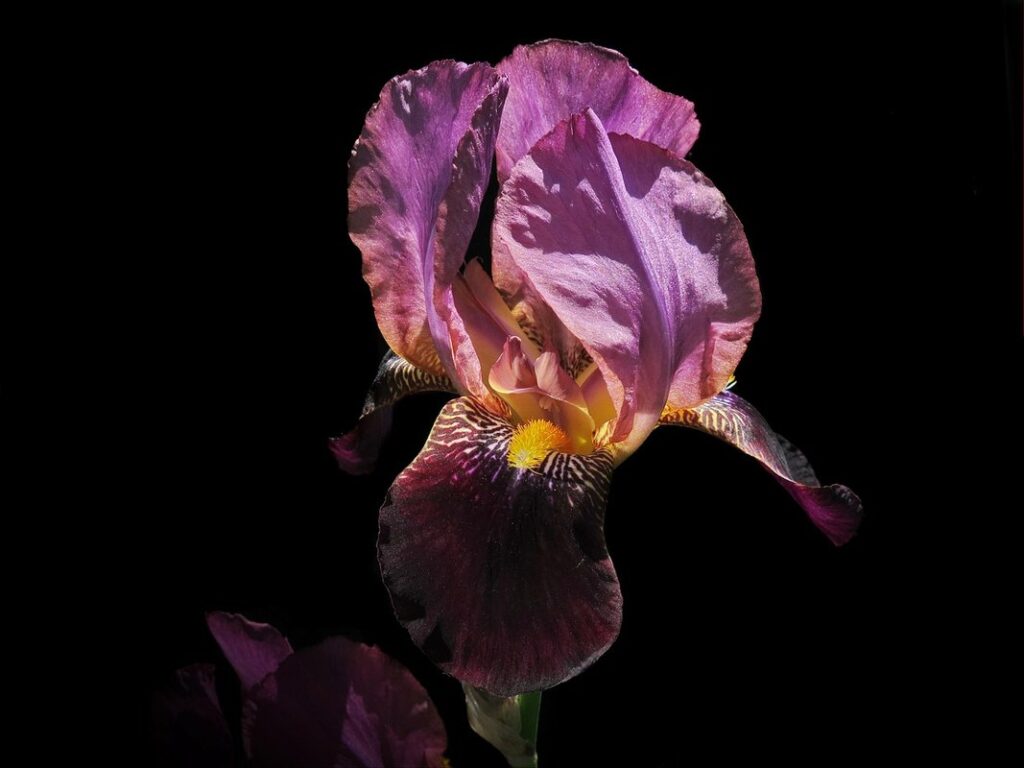
Bearded irises are a type of rhizomatous iris that belong to the Iridaceae family. At first glance, you might wonder what sets them apart from other types of irises. It’s their distinctive beards, which resemble hairs or threads, that give them their unique name and identity.
These beards serve as a vital tool for pollination, helping to guide bees and butterflies to the flower’s nectar-rich center. As a result, you can expect your bearded iris plants to produce vibrant flowers in an astonishing array of colors – from delicate pastels to rich jewel tones. Whether you’re looking to add some subtle charm or bold statement pieces to your garden, bearded irises are sure to deliver.
In terms of growth habits, bearded irises tend to grow tall and slender, making them a great choice for adding height and drama to your flower beds and borders. But how exactly do they stack up in terms of actual height?
Types of Bearded Irises
When it comes to bearded irises, you’ll find that they can be quite diverse in terms of their growth habits and characteristics. Within this group, there are three main categories: dwarf, miniature, and standard varieties.
Dwarf bearded irises are a great choice for those who want a compact, low-maintenance option. They typically grow to around 6-12 inches tall, making them perfect for small gardens or containers. These petite plants pack a punch with their vibrant flowers, which often come in a range of colors including purple, blue, and yellow.
Miniature bearded irises are similar to dwarf varieties but tend to be slightly taller, growing up to 18 inches. They also have narrower foliage and smaller flowers, but what they lack in size they make up for in their delicate charm.
Standard bearded irises, on the other hand, are your typical tall-and-stately type of iris. They can grow anywhere from 2-3 feet tall, making them a great option for creating a dramatic backdrop in your garden. With over 200 species to choose from, you’re sure to find one that fits your style and grows well in your climate.
Keep in mind that while these categories provide a general idea of what to expect from each type of bearded iris, individual growth can vary depending on factors like soil quality, sunlight exposure, and watering habits.
Growth Patterns and Height Expectations
Bearded iris growth can vary significantly, but understanding their typical height expectations will help you plan your garden’s layout and ensure these beautiful flowers thrive. Let’s explore what to expect from their vertical growth.
Factors Affecting Growth
When it comes to growing bearded irises, understanding the factors that affect their height is crucial for achieving optimal growth. Soil quality plays a significant role in determining the overall health and stature of these stunning flowers. Well-draining soil with a pH between 6.0 and 7.0 is ideal for bearded irises. Avoid planting them in areas where water tends to collect, as this can lead to root rot and stunted growth.
Sunlight exposure also has an impact on the height of bearded irises. These plants thrive in full sun to partial shade conditions, with at least six hours of direct sunlight per day. However, excessive sunlight can cause the leaves to become scorched, resulting in a shorter plant.
Proper watering habits are essential for promoting healthy growth in bearded irises. Overwatering can lead to weak and spindly stems, while underwatering may cause the plant to dry out and grow more compactly. Aim to provide about 1 inch of water per week during their active growing season.
Regular fertilization is also necessary to support robust growth and blooming. Feed your bearded irises with a balanced fertilizer in early spring and again after they finish blooming. This will give them the nutrients needed to reach their full potential height, typically between 12-36 inches tall.
Average Heights for Bearded Irises
When it comes to bearded irises, one of the most common questions gardeners ask is how tall they will grow. The good news is that these beautiful flowers come in a wide range of heights, making them suitable for gardens of all sizes.
On average, bearded irises typically grow between 12 and 36 inches (30-90 cm) tall, with some varieties reaching heights of up to 4 feet (1.2 meters). However, the height of your bearded iris will depend on factors such as the specific variety, growing conditions, and care.
Some popular types of bearded irises include miniature varieties that grow just 6-8 inches (15-20 cm) tall, perfect for small spaces or containers. On the other hand, some larger varieties can reach heights of over 3 feet (90 cm), making them a stunning addition to any garden bed.
To give you a better idea, here are some approximate height ranges for different types of bearded irises:
* Dwarf varieties: 6-12 inches (15-30 cm)
* Medium-sized varieties: 18-24 inches (45-60 cm)
* Tall varieties: 2-3 feet (60-90 cm)
Keep in mind that these are just general guidelines, and the actual height of your bearded iris will depend on how well it’s cared for.
Factors Affecting Height Growth
As you’re eager to know how tall your bearded iris will grow, let’s dive into the key factors that influence their overall height and development. Weather conditions play a significant role in shaping their growth pattern.
Soil Quality and pH Levels
When it comes to growing bearded irises, soil quality is just as important as watering and fertilizing. The type of soil you plant your iris in can significantly impact its height. Bearded irises prefer well-draining, slightly acidic soil with a pH between 6.0 and 7.0.
If the soil is too alkaline (above 7.0), it can cause nutrient deficiencies, stunted growth, and even death. On the other hand, if the soil is too acidic (below 6.0), it may lead to iron deficiency, which can also stunt growth. To check your soil pH, you can purchase a soil testing kit or send a sample to a lab for analysis.
To achieve optimal soil conditions for bearded iris growth, aim to mix in some organic matter like compost or peat moss into the top 6-8 inches of soil. This will help improve drainage and fertility while maintaining a slightly acidic pH. Avoid planting irises in areas with standing water or where water tends to collect, as this can cause root rot and stunted growth.
Sunlight Exposure and Intensity
When it comes to providing the right amount of sunlight for bearded irises, it’s essential to strike a balance between full sun and partial shade. While these plants require at least 6 hours of direct sunlight per day, excessive exposure can lead to stunted growth and weak rhizomes.
In an experiment conducted by the Royal Horticultural Society, bearded irises grown in areas receiving more than 8 hours of direct sunlight showed significant reductions in height compared to those receiving optimal amounts. On average, plants growing in these conditions reached only about half the expected height.
So, how much sunlight is ideal for your bearded iris? As a general rule, provide at least 4-6 hours of direct sunlight per day. This allows the plant to undergo photosynthesis and grow tall without suffering from excessive heat stress. If you’re unsure whether your bearded iris is receiving enough sunlight, try moving it to a spot that receives partial shade during the hottest part of the day.
Keep in mind that some bearded iris varieties are more tolerant of direct sunlight than others. Research the specific needs of your plant or consult with an expert to ensure you’re providing the right amount of sunlight for optimal growth.
Plant Care Tips for Promoting Height Growth
To get the most out of your bearded iris, it’s essential to provide optimal care that encourages healthy growth and maximum height potential, just like any other plant.
Watering Habits
When it comes to bearded iris growth, watering habits play a significant role. These plants prefer well-drained soil and consistent moisture levels. Watering should be done when the top 2-3 inches of soil feel dry to the touch. Aim to provide about 1 inch of water per week, either through rainfall or irrigation.
It’s essential to avoid overwatering, which can lead to root rot and other problems. Check the soil moisture by inserting your finger into the soil up to the knuckle. If the soil feels dry, it’s time to water. Water in the morning, allowing the plants to absorb the moisture throughout the day.
During hot summer months, bearded irises may require more frequent watering. Monitor the weather and adjust your watering schedule accordingly. Be cautious not to water during the hottest part of the day to prevent evaporation and potential damage to the delicate rhizomes. By following these guidelines, you’ll be able to provide your bearded iris with the right amount of moisture for optimal growth and height development.
Fertilization Practices
When it comes to promoting height growth in bearded irises, fertilization is a crucial aspect of their care. Bearded irises require a balanced diet of nutrients to produce strong stems and vibrant flowers. However, over-fertilizing can lead to weak and leggy growth, so it’s essential to strike the right balance.
To achieve optimal results, apply a balanced fertilizer in early spring, when new growth begins. A 10-10-10 NPK (nitrogen-phosphorus-potassium) formula is an excellent choice for bearded irises. Follow the instructions on the label for application rates and frequency. Typically, you’ll want to fertilize your bearded irises once a month during the growing season.
Some gardeners also swear by side-dressing with compost or well-rotted manure around the base of the plants. These natural amendments can provide a slow release of nutrients, promoting healthy growth without over-fertilizing. As with any new practice, start with small amounts and monitor your bearded irises’ response to adjust as needed. Remember, it’s always better to err on the side of caution when fertilizing, especially if you’re unsure about the soil composition or pH level.
Common Growth-Related Issues
When growing bearded irises, you may encounter common growth-related issues that can affect their height and overall health. We’ll cover some of these potential problems in this section.
Addressing Short Stems or Weak Growth
If you notice that your bearded irises are consistently producing short stems or exhibiting weak growth, there could be several reasons behind this issue. One common reason is a lack of sufficient sunlight, which is essential for bearded iris growth. These plants typically require at least six hours of direct sunlight per day to produce healthy, tall stems.
Another possible cause of short stems is inadequate fertilization. Bearded irises need regular feeding during the growing season to promote strong stem growth. You can try using a high-phosphorus fertilizer specifically designed for rhizomatous plants like bearded irises. Water your irises thoroughly after applying the fertilizer, as this will help it reach the roots.
Root bound conditions can also lead to weak growth in bearded irises. If you suspect that your plant has outgrown its container and needs repotting, gently remove the rhizomes from their pot and separate them before replanting into a larger container with fresh soil. This should give your plants more room to expand and help stimulate healthy stem growth.
Encouraging Bushy, Full Growth
To encourage bushy, full growth in bearded iris plants, it’s essential to provide them with the right conditions. One common mistake is over-pruning, which can lead to legginess. Instead, trim back only 1/3 of the foliage after blooming to promote healthy regrowth and maintain a compact shape.
Another strategy is to divide and replant every three to four years to ensure the rhizomes have enough space to grow. This will also help prevent overcrowding, which can cause the plants to stretch in search of light and water. When planting new bearded irises, spread them out evenly and plant the rhizome at a depth of 1-2 inches, depending on the variety.
By following these tips, you’ll not only achieve bushy, full growth but also maintain the overall health and vigor of your bearded iris plants. Remember to fertilize regularly with a balanced, water-soluble fertilizer, and mulch around the base to retain moisture and suppress weeds. With proper care and attention, your bearded irises will thrive and provide years of beautiful blooms.
Conclusion: Mastering Bearded Iris Growth
Now that you’ve learned how to care for your bearded irises and what height expectations to set, it’s time to master their growth. With proper care, these beautiful flowers can grow up to 2-3 feet tall, but with a little extra attention, they can reach heights of even 4 feet or more. Remember, the key is to provide them with well-draining soil and full sun to partial shade. To take your bearded irises to the next level, try dividing and replanting every few years to give them room to grow.
By following these simple tips and understanding what to expect from your bearded irises’ growth, you’ll be well on your way to growing a stunning display of flowers in your garden. With patience and practice, you can coax even the most reluctant iris into becoming a show-stopping star. So don’t be discouraged if it takes some trial and error – with time and experience, you’ll become an expert at cultivating these gorgeous plants.
Frequently Asked Questions
Can I grow bearded irises indoors, or do they require full sun exposure?
Yes, while bearded irises typically thrive in full sun to partial shade conditions outdoors, you can also grow them indoors with proper lighting and care. However, keep in mind that indoor-grown bearded irises may not reach their maximum height potential. Provide at least 4-6 hours of direct sunlight or use high-intensity grow lights to support healthy growth.
How long does it take for bearded iris rhizomes to establish themselves after planting?
It can take around 3-6 months for newly planted bearded iris rhizomes to establish a strong root system and begin growing new shoots. During this time, ensure consistent moisture levels and provide adequate sunlight exposure to promote healthy growth.
Can I divide my bearded irises immediately after they finish blooming, or should I wait?
No, it’s best to wait until the foliage has died back naturally before dividing your bearded iris plants. Dividing during the active growing season can cause stress to the plant and potentially lead to reduced growth or even death.
How often should I fertilize my bearded irises for optimal height growth?
For optimal growth, fertilize your bearded irises in early spring with a balanced fertilizer, following the product’s instructions. You can also provide an additional feeding after blooming has finished, using a high-phosphorus fertilizer to promote root development and new growth.
Can I grow different types of bearded irises together in the same bed without affecting their height?
While it’s technically possible to grow multiple types of bearded irises together, doing so can lead to competition for resources like light, water, and nutrients. To promote healthy growth and optimal height, consider growing single varieties or species that have similar requirements in the same bed.